
Television series
Chocky
A 1984 ITV adaptation of John Wyndham's novel about a boy who becomes host to an alien intelligence. Chocky is gentle, thoughtful science fiction for children—genuinely curious about what makes us human rather than interested in spectacle. It treats its young protagonist and his invisible companion with real respect, exploring friendship, wonder, and the cost of keeping secrets. Perfect for viewers who loved *Goonies* maturity without the schmaltz.
If you liked this
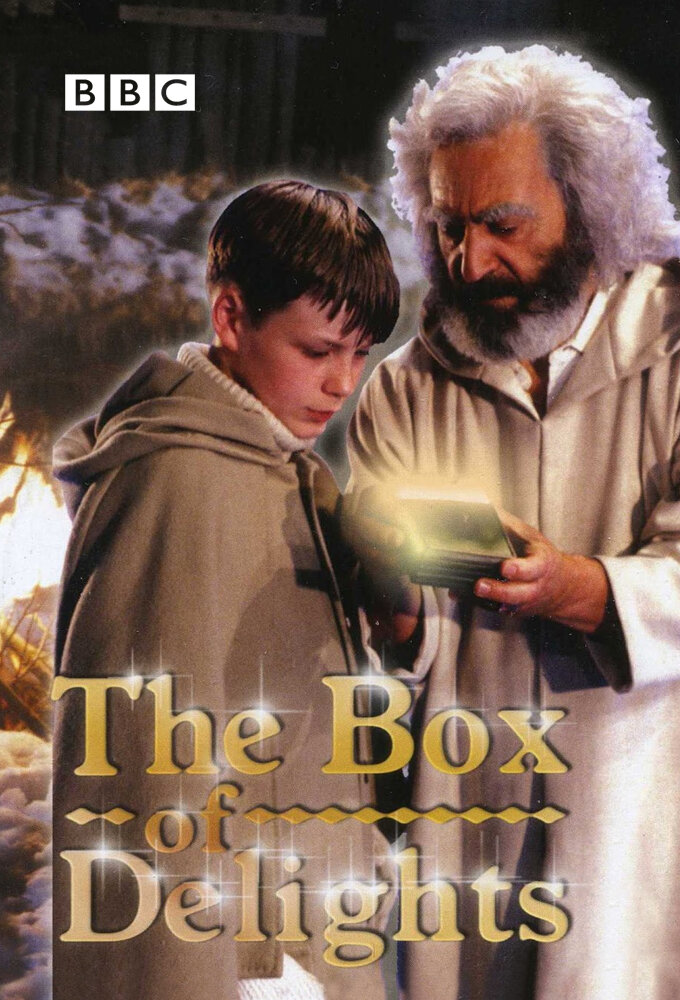
The Box of Delights1984
Another 1980s British children's fantasy made with craft and imagination. It has that same quality of treating young viewers as thinking people, with genuine stakes and a world that feels lived-in and real.
But Very much of its era in pacing and visual style. If you need constant action or modern production values, this will feel slow and stagey.
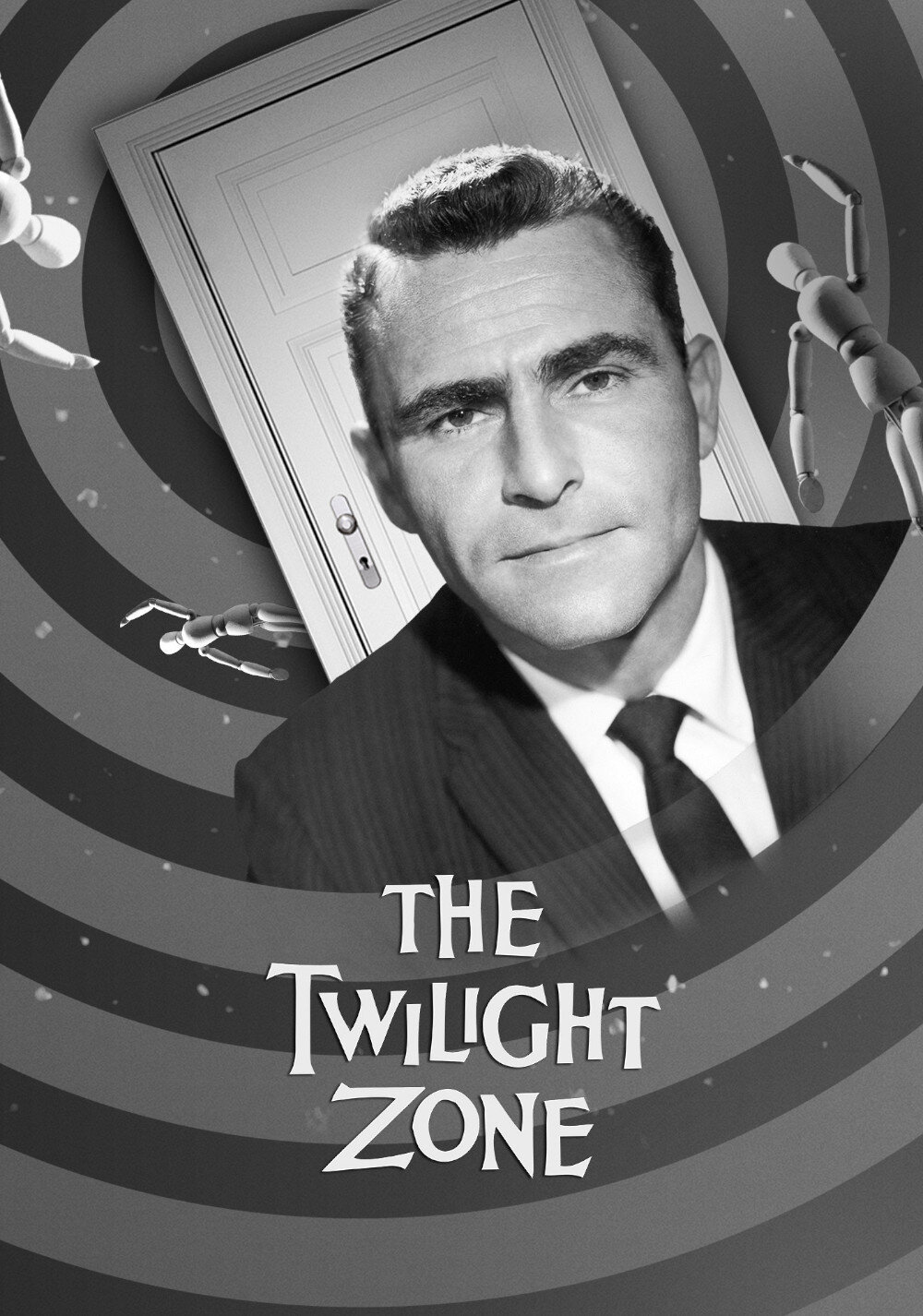
The Twilight Zone1959
Shares Chocky's fascination with ordinary people encountering the inexplicable. Each episode asks strange philosophical questions in a tight, accessible format. The best ones have that same sense of wonder Wyndham brings to science fiction.
But Some episodes haven't aged gracefully. The pacing is very 1950s—patient to a fault if you're not in the mood for it.
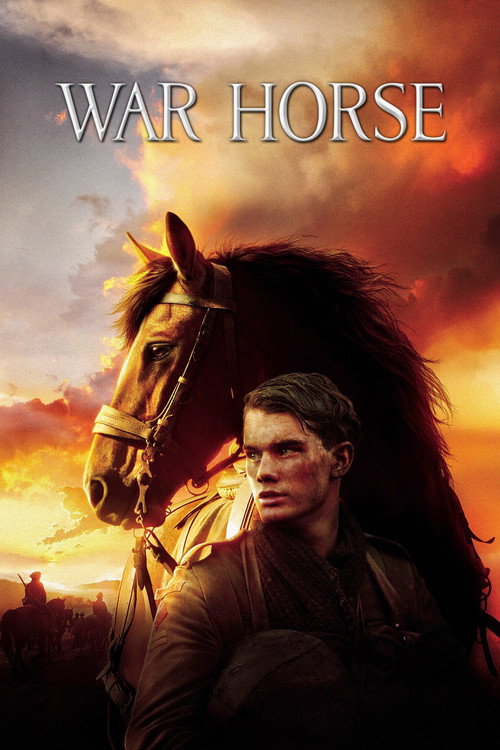
War Horse2011
Spielberg's adaptation shares Wyndham's gift for emotional clarity in speculative storytelling. A boy and an impossible friendship at the heart of a larger world. Beautiful without being saccharine, honest about cost and growth.
But The WWI setting is heavy. It's more grand and operatic than Chocky's intimate scale. Some find it earnest to the point of melodrama.
Not sure tonight? Get a pick in a minute, starting from Chocky
The wildcard
Something you would not have found on your own.
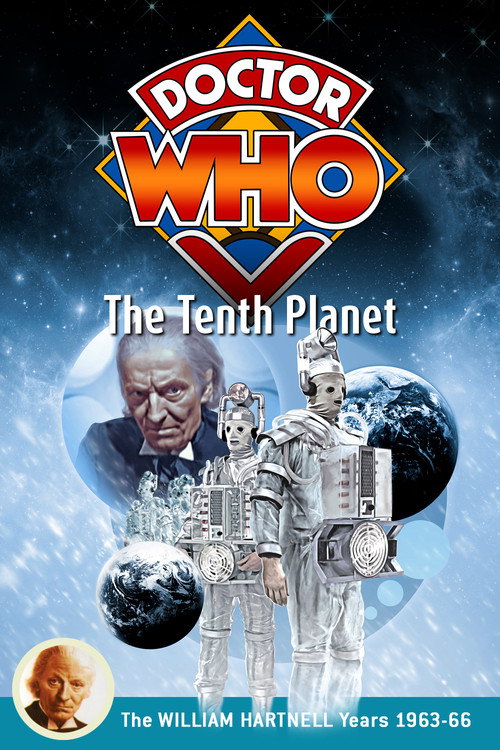
Doctor Who: The Tenth Planet1966
Both use an invisible alien presence as a mirror for the human child to see themselves differently. The connection isn't plot but philosophical: SF as a tool for self-discovery rather than adventure.
A Doctor Who serial where the companion's son discovers an alien presence trying to communicate. It's science fiction as intimate conversation rather than spectacle—two people trying to understand each other across a void. Made the year after Wyndham's novel, with that same philosophical bent about what makes us human.
But Exists only as reconstructed episodes with animation filling the gaps—not seamless viewing. Very 1960s in its TV drama style, which means quite slow and dialogue-focused.
More like this (6)
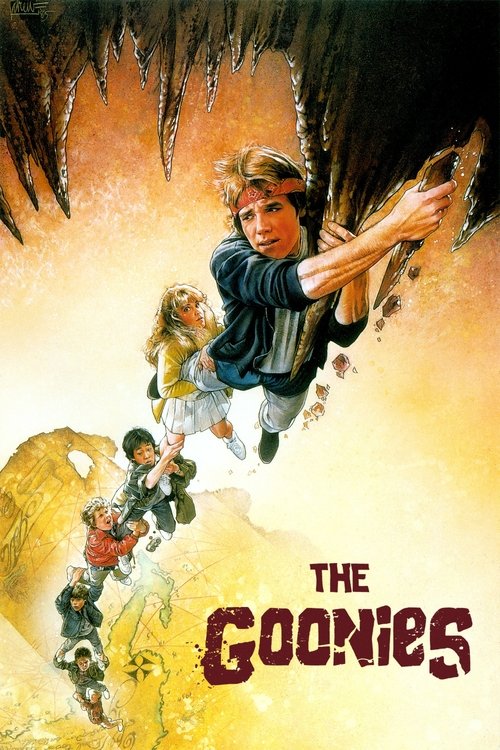
The Goonies1985
Made the same year, same sensibility about childhood: adventurous and genuine, with real kids being smart and brave. Spielberg again, that same respect for young people's inner lives. Fast-paced where Chocky is quiet, but the heart is identical.
But Much broader and louder. The comedy-action tone will feel different from Chocky's thoughtfulness. Some of the period humour hasn't aged well.
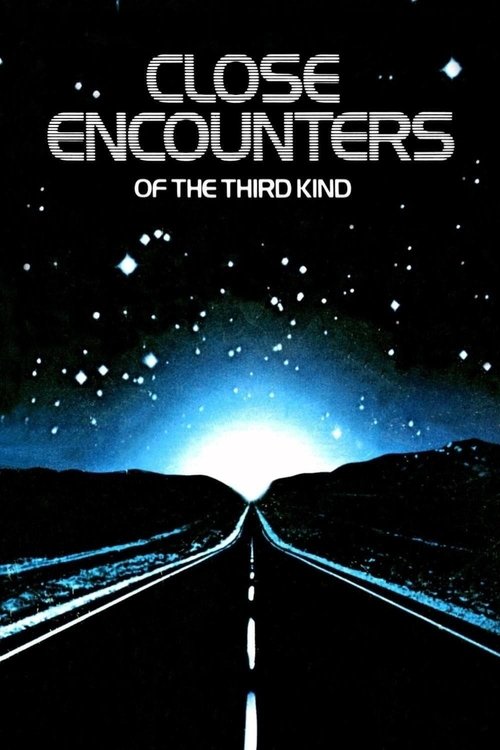
Close Encounters of the Third Kind1977
Spielberg's great meditation on contact and what we lose and gain by encountering the alien. That same sense of science fiction as a way to ask: what does it mean to be human? Visual wonder without cynicism.
But Nearly three hours and deliberately slow in stretches. If you want plot momentum, this will frustrate you. It's more mood and question than narrative.
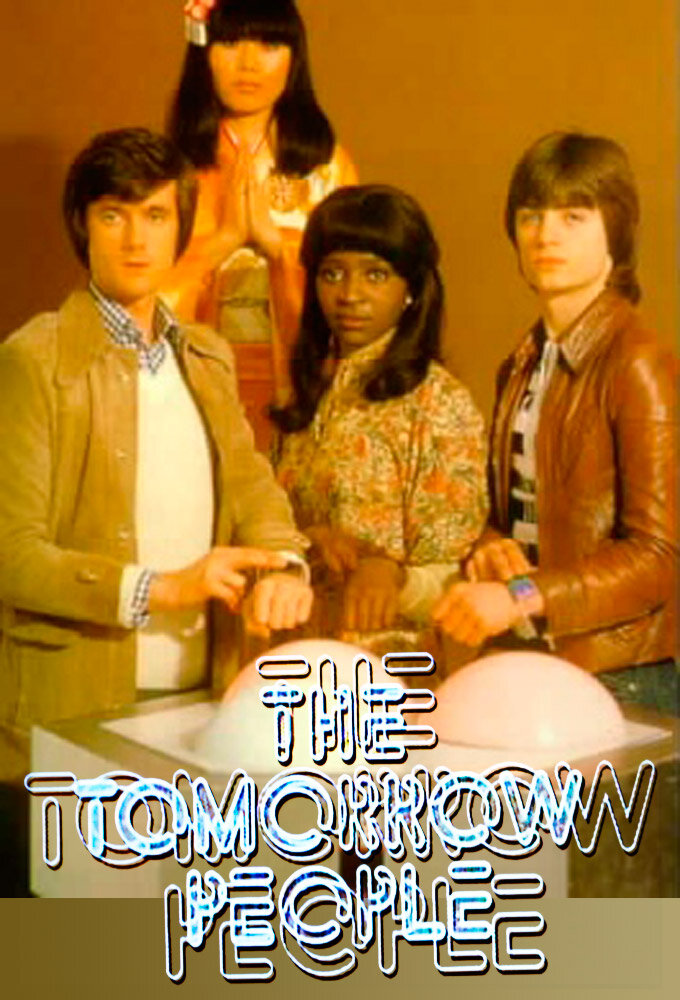
The Tomorrow People1973
British children's SF series about kids discovering they have powers and forming a community. Same low budget, same willingness to take young people seriously, same intellectual bent. Wonderfully strange in places.
But Genuinely low budget shows and it shows. Dialogue-heavy and sometimes repetitive. The plots can feel thin if you're used to more modern pacing.
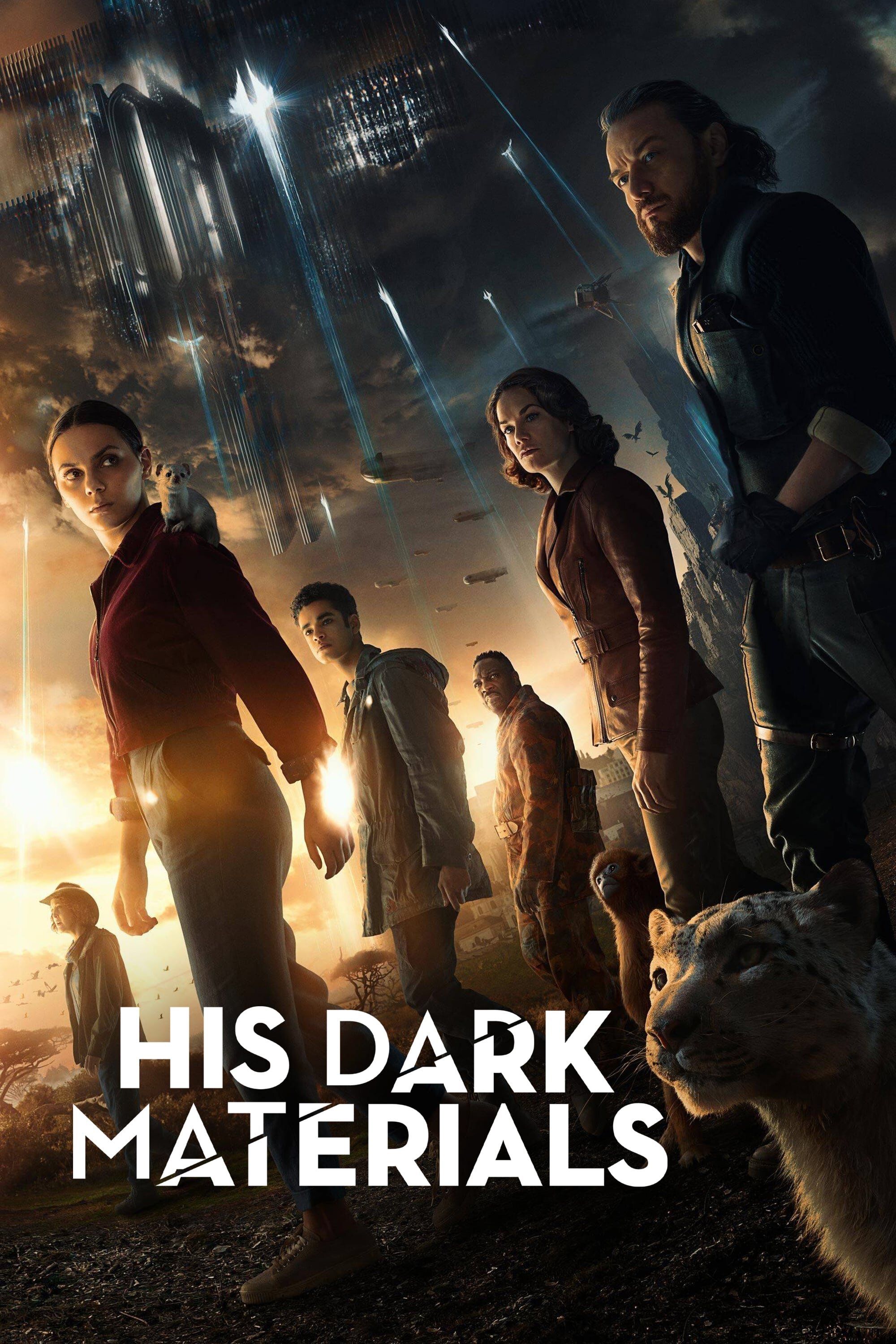
His Dark Materials2019
BBC/HBO adaptation of Pullman's trilogy about a girl and magical companion uncovering a vast conspiracy. Serious about its young protagonist, lush in imagination, asks real questions about growing up and the price of knowledge.
But Complex worldbuilding can feel overwhelming. The tone is darker and more overtly political than Chocky. Some find it tries to do too much and loses focus.
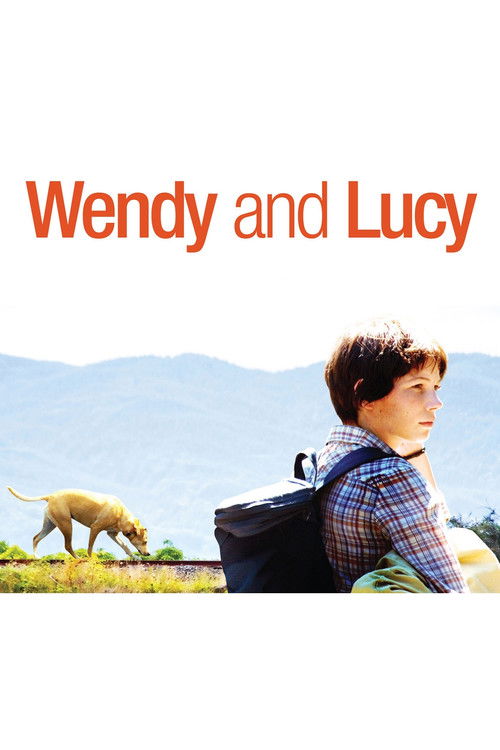
Wendy and Lucy2008
Both ask: what does it mean to care for something alien and utterly other? Both answer with quiet grace and genuine cost. Both trust you to understand without being told.
A woman and her dog traveling across America. Sounds simple; it's profound. Kelly Reichardt's film shares Chocky's core insight: that the deepest relationships are often with beings we can't fully know or communicate with. Spare, observant, about what we owe to those who depend on us.
But No plot in the conventional sense. Deliberately quiet and slow. If you need narrative momentum or emotional catharsis, this will feel like nothing happens. Some find it bleak rather than moving.
Come and See1985
Both use a young person's perspective on an adult world they don't control as their engine. Both ask what we owe to those more vulnerable than us. Both end with separation and loss as the only honest answer.
A Soviet film about a boy's encounter with an incomprehensible world that destroys his innocence. Made the same year as Chocky, it's also about a child and an experience that changes them forever—but where Chocky is wonder, this is devastation. A necessary counterweight: what happens when the alien presence is reality itself, and reality is horror.
But Genuinely difficult to watch. Eastern European war film, brutal and unsparing. Not uplift or comfort—it's an artistic statement about the cost of growing up and witnessing evil. Not entertainment in any easy sense.
