
Film
Joshua
- Psychological horror
- Very dark
A psychological thriller about a precocious, unsettling nine-year-old whose behaviour spirals into something darker after his baby sister arrives. Shot with creeping dread and domestic claustrophobia, it's a film that makes you uncomfortable in ways you won't quite articulate. For viewers who want horror without jump scares, and family drama that genuinely disturbs.
Should you watch it?
Watch it if you like slow-burn psychological unease where the menace lives in a family's politeness, and you enjoy a story that quietly curdles rather than jolts you with scares.
Skip it if you need a clear pace or a payoff you can see coming; this one moves at a deliberate crawl, and its tension depends on patience rather than on anything happening on screen.
What it asks of you: Roughly105 minutes of steady, watchful attention with a tone that stays cool and tightly controlled, building dread through small domestic details instead of big set pieces.
Not sure? Find tonight's pick in a minute.
If you liked this
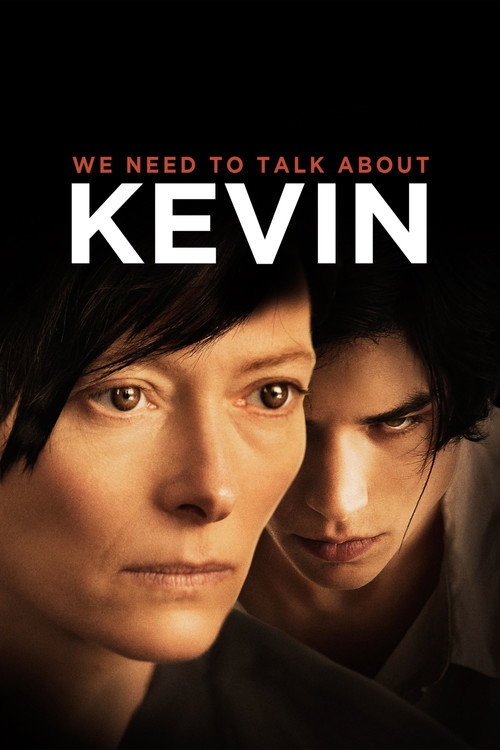
We Need to Talk About Kevin2011
Tilda Swinton in a masterclass of parental anguish, tracking the psychopathic tendencies in her son. Like Joshua, it's a study in how a child's fundamental wrongness can poison everything around them, with intelligence and unflinching conviction.
But The central act of violence makes it hard to revisit. It's bleak without offering catharsis, and some find it punishing rather than illuminating.
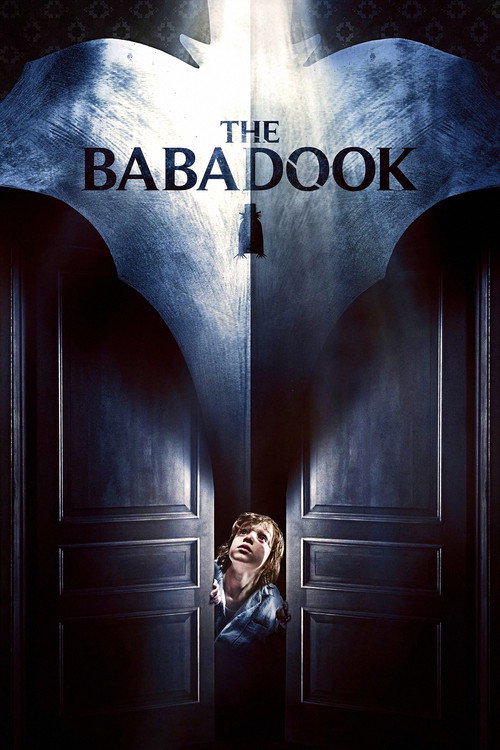
The Babadook2014
Australian horror that internalizes its monsters—grief and parental exhaustion made visceral. It shares Joshua's knack for making domesticity feel unsafe, using a child's perspective to amplify dread, with genuine emotional stakes underneath.
But Deliberately paced and ambiguous about what's real. If you need explicit answers or faster thrills, the restraint will frustrate.
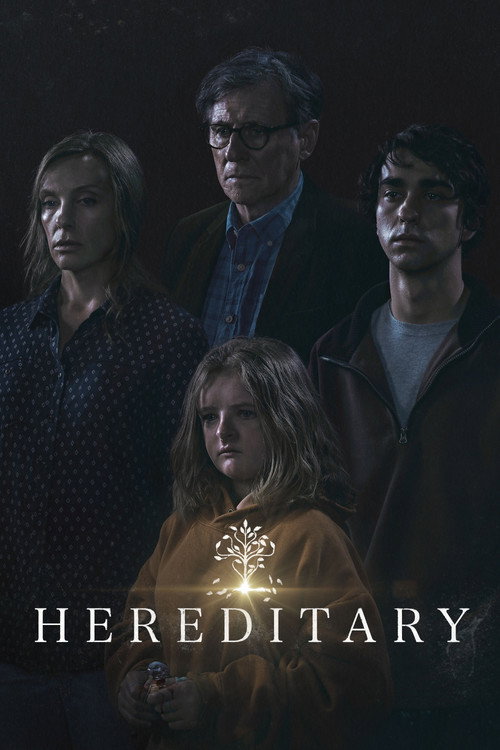
Hereditary2018
A family unravels over generations with the same sense of encroaching inevitability. Like Joshua, it uses children as conduits for something broken and spreading, building horror from intimate betrayals and things you can't take back.
But Extremely heavy and violent in its final act. The film doesn't offer relief, and some sequences are genuinely traumatic rather than entertaining.
Not sure tonight? Get a pick in a minute, starting from Joshua
The wildcard
Something you would not have found on your own.
Come and See1985
Both films are unflinching studies in how a child can be fundamentally altered by circumstance or nature, and both refuse to look away from the consequence.
A Soviet war film that documents the corruption of childhood innocence in the most devastating way possible. It doesn't share Joshua's thriller mechanics, but the core question is identical: how does a child become warped by their world?
But One of the most brutal films ever made. This isn't entertainment—it's an ordeal designed to wound. Not for escapism, ever.

More like this (7)
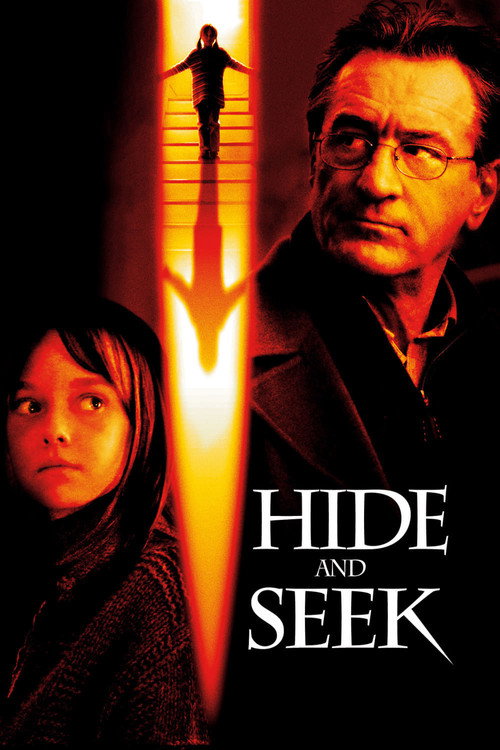
Hide and Seek2005
Robert De Niro and a troubled young girl in a psychological thriller that also plays with unreliable perspectives and the terror of not knowing a child. It builds unease methodically rather than relying on scares.
But The twist divides audiences sharply. Many feel it undermines the slow-burn tension, and it lands squarely in mid-2000s thriller predictability.
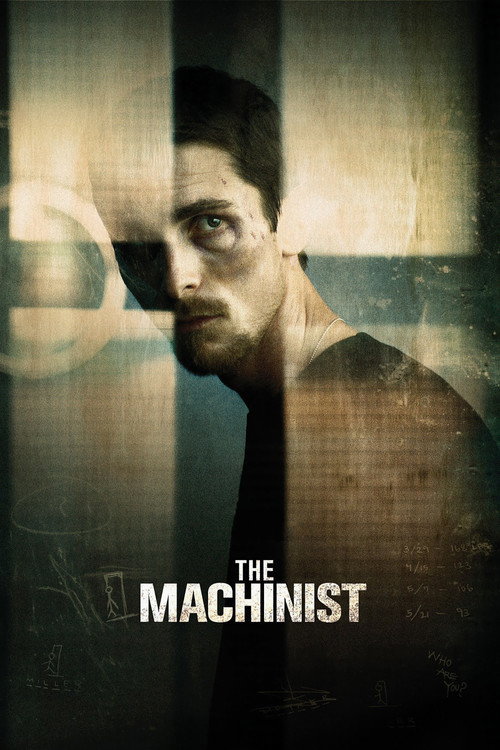
The Machinist2004
Christian Bale in a film about psychological deterioration and obsession. Like Joshua, it's claustrophobic and deeply unsettling, using performance and atmosphere to make the mundane feel dangerous and wrong.
But Bleak and repetitive by design—that's the point, but it can feel like a one-note slog. Bale's skeletal appearance is distressing to watch.
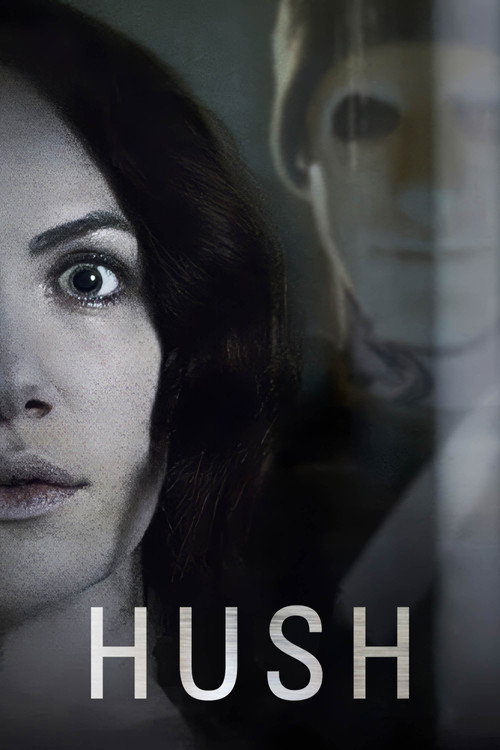
Hush2016
A home invasion film that's genuinely clever and visceral. Shares Joshua's mastery of making a house feel like a trap, turning safety into terror through patient, intelligent observation of vulnerability.
But Relies on extreme violence as spectacle. If graphic home invasion films aren't your thing, the exploitation factor overshadows the craft.
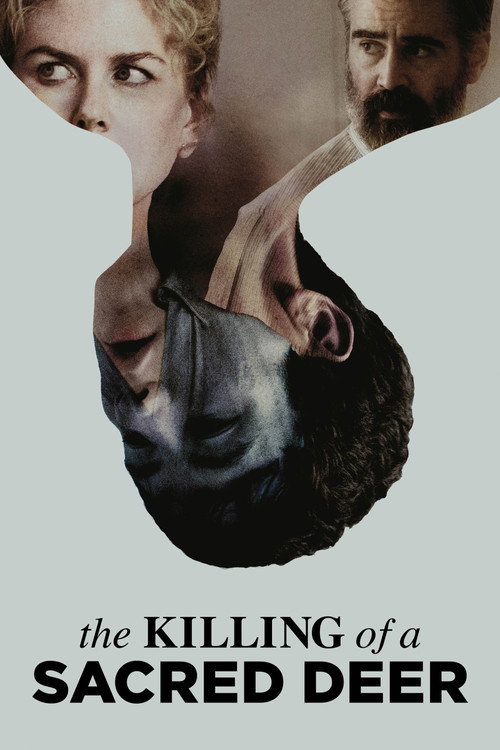
The Killing of a Sacred Deer2017
Yorgos Lanthimos at his most unsettling: a family cursed by a mysterious boy, builds dread through ritualistic, off-kilter dialogue and moral paralysis. It captures Joshua's vibe of childhood wrongness as curse or judgment.
But Deeply strange and formally austere—Lanthimos's style divides viewers instantly. Its detachment can read as cold rather than chilling.
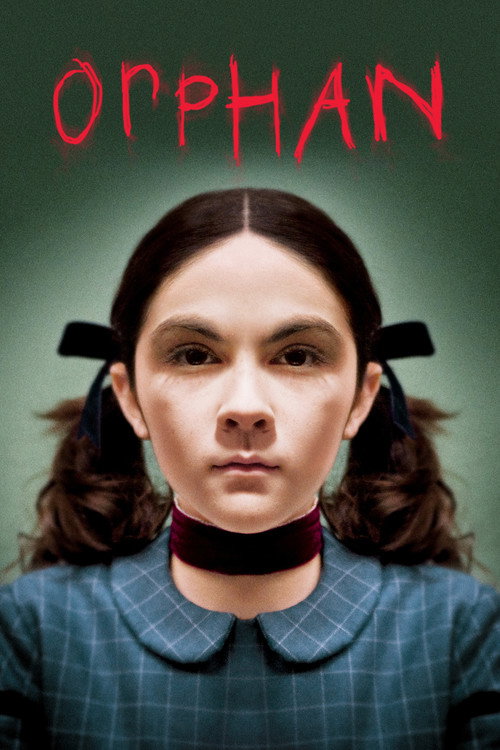
Orphan2009
A child with a dark secret poses as an orphan. It scratches a similar itch to Joshua—distrust of the seemingly innocent—and doesn't take itself too seriously, making it more fun than unsettling.
But Veers into absurdity in its final act. Once the twist lands, it becomes camp rather than horror, which undermines the whole enterprise for some viewers.
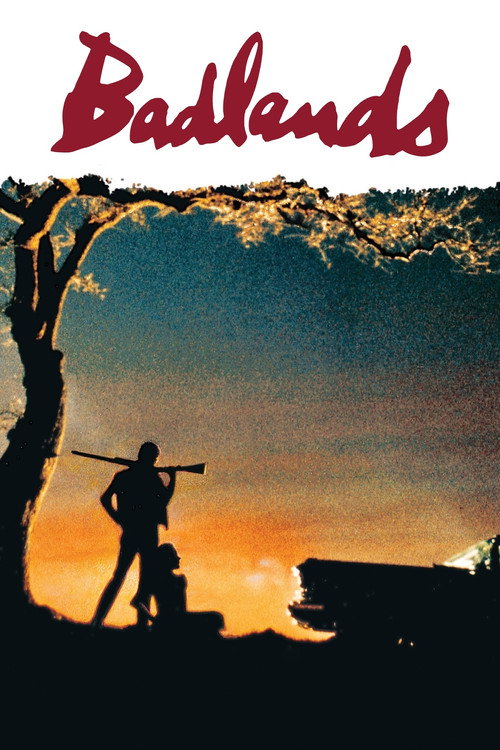
Badlands1973
Like Joshua, it's a meditation on a young person's capacity for harm, but Malick frames it through beauty and philosophical yearning rather than domestic horror—a completely different register answering the same question.
Terrence Malick's debut about two young lovers committing crimes across America. Hypnotic, visually gorgeous, and deeply strange—it sees evil through Romantic youth's perspective without judging or absolving it. Absolutely mesmerizing.
But Deliberately dreamy and elliptical. Plot barely exists; if you need narrative momentum or clear motivations, the poetic approach will bore you.
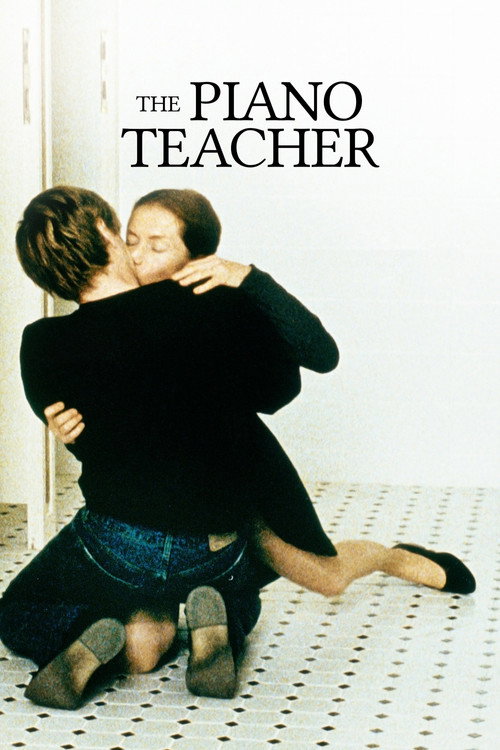
The Piano Teacher2001
Both films trace psychological damage with forensic coldness, refusing sentimentality. Where Joshua is thriller, this is clinical tragedy—same unflinching eye applied to different genre languages.
Michael Haneke's portrait of a woman's psychological fracture stemming from childhood constraint. Austrian precision, sexually frank, deeply uncomfortable. It's not about children as threats but as vessels of damage—what Joshua becomes is what childhood cruelty produces.
But Extremely explicit sexual content, abuse, and self-harm. Haneke's style is deliberately punishing, and the film offers no warmth or relief.
People
Cast
 Sam RockwellBrad Cairn
 Vera FarmigaAbby Cairn
 Jacob KoganJoshua Cairn
 Celia WestonHazel Cairn
 Dallas RobertsUncle Ned
 Michael McKeanChester
 Randy RyanSoccer Dad
 Nancy GilesBetsy Polsheck
 Linda LarkinMs. Danforth
 Alex DraperStewart Slocum
 Stephanie Roth HaberlePediatrician
 Ezra BarnesFred Solomon
Directing
- George RatliffDirector
Writing
- David GilbertScreenplay
- George RatliffScreenplay
Production
- Patricia Kerrigan DiCertoCasting
- Dan O'MearaExecutive Producer
- Temple FennellExecutive Producer
- George PaaswellProducer
- Johnathan DorfmanProducer