
Film
Fateful Findings
- Fantasy
- Strange
Neil Breen's opus about a mystical computer hacker-novelist trying to expose government secrets while juggling childhood romance, current addiction, and paranormal powers. It's a fever dream of sincerity and ambition that swings wildly between melodrama, sci-fi, and something approaching its own peculiar logic. For those who love cinema that commits fully to its own vision, regardless of execution.
If you liked this
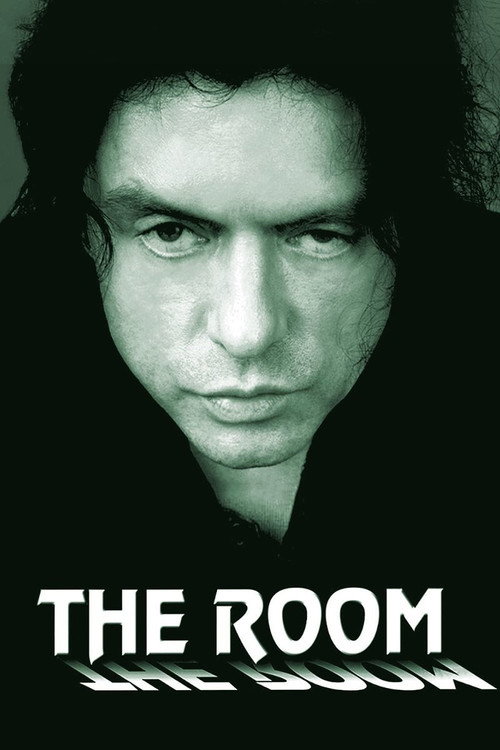
The Room2003
Another visionary work made outside the system by someone operating on their own frequency entirely. It has the same commitment to emotional truth over coherence, and the same cult following from people who recognize something rare in its earnestness.
But It's deliberately awkward and difficult to watch, with long scenes that test your patience. If you need polished filmmaking, this will frustrate you.
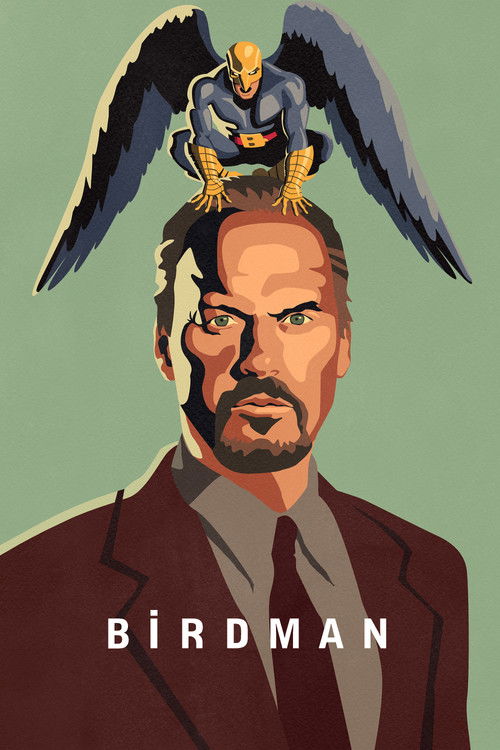
Birdman or (The Unexpected Virtue of Ignorance)2014
A film about ambition, ego, and the collision between who you are and who you want to be. It shares Fateful Findings' baroque narrative energy and its interest in a protagonist spiralling under pressure while trying to matter.
But It's formally showy—the continuous take conceit demands attention. Some find it exhausting rather than exhilarating.
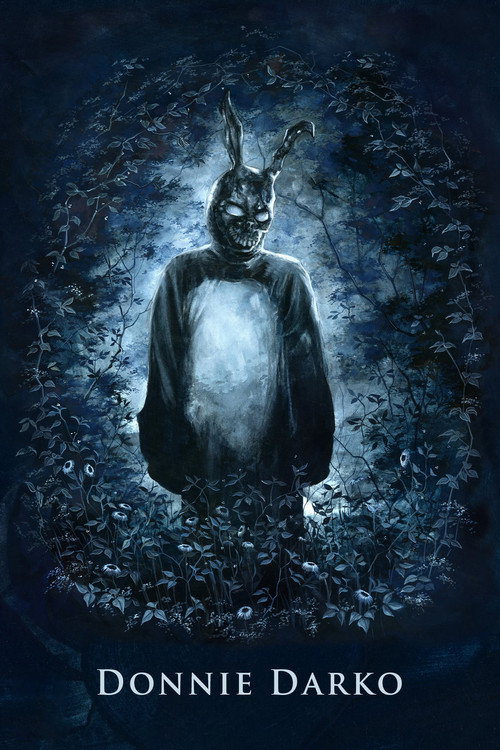
Donnie Darko2001
A mystery about paranormal powers, mental illness, and whether the protagonist is visionary or unravelling. It has the same unsettling blend of intimacy and cosmic stakes, and the same willingness to leave you uncertain about what you just watched.
But The mythology gets opaque fast. Rewatches become research, which some people find rewarding and others find annoying.
Not sure tonight? Get a pick in a minute, starting from Fateful Findings
The wildcard
Something you would not have found on your own.
Synecdoche, New York2008
Both are films where the line between the protagonist's grand plans and his psychological state becomes impossible to distinguish. Both suggest that visionary thinking and mental crisis might be the same thing seen from different angles.
Charlie Kaufman's film about an artist building an increasingly elaborate work while his life fragments around him. Like Fateful Findings, it's about a man whose internal world becomes so compelling that reality loses coherence. It's ambitious, painful, and utterly committed to its own strangeness.
But It's deliberately claustrophobic and goes to very dark places. Philip Seymour Hoffman's slow unravelling is masterful but hard to endure.

More like this (8)
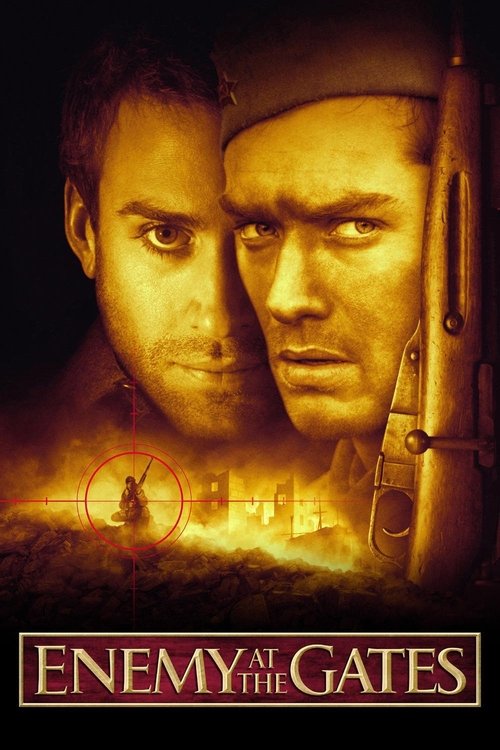
Enemy at the Gates2001
An ambitious film trying to do too much—romance, political thriller, sniper duel, moral question—and willing to let the seams show. It respects the viewer's tolerance for mess in service of something genuine.
But It's a spectacular failure of ambition, and watching it strain against its own scope is uncomfortable. If you prefer films that know their limits, skip it.
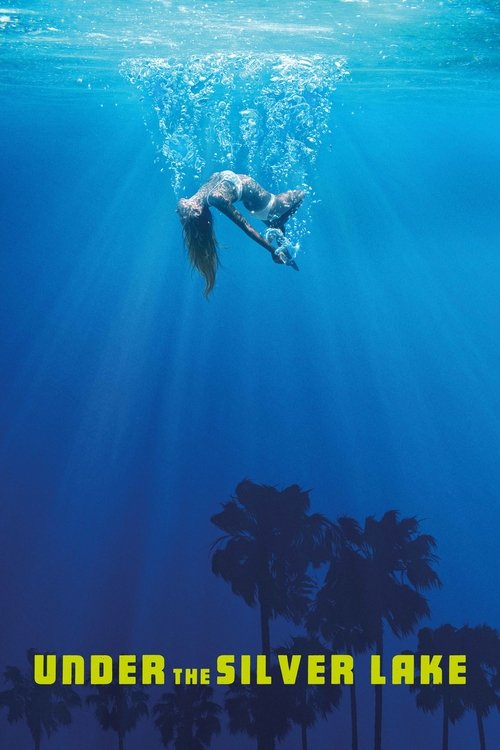
Under the Silver Lake2018
A conspiracy thriller that becomes increasingly unmoored from reality as the protagonist digs deeper. It's hypnotic, paranoid, and convinced that patterns hidden in the world are waiting to be decoded—much like Fateful Findings' energy.
But It's nearly three hours and gets weirder and less explained as it goes. Patience and tolerance for ambiguity aren't optional here.
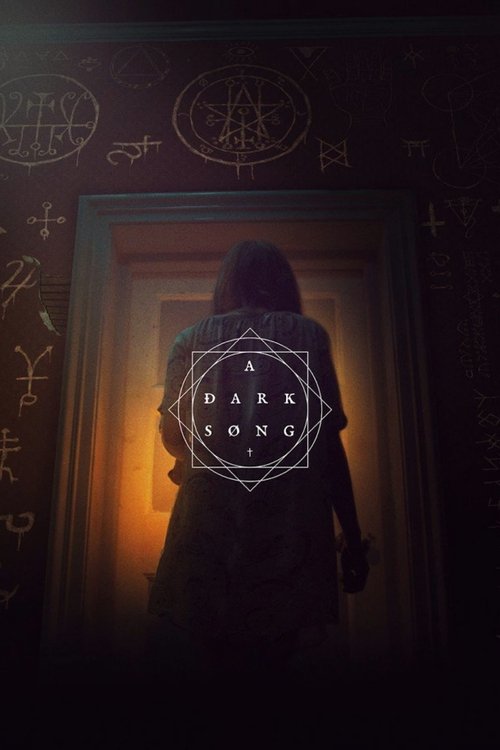
A Dark Song2016
A quiet film about grief, spirituality, and a woman hiring an occultist to contact the dead. Like Fateful Findings, it treats the paranormal as real and takes its metaphysical stakes seriously, even when it's strange.
But It moves slowly and offers no conventional plot. The entire film is two people in a house working toward something you're not sure will happen.
Mulholland Drive2001
A fractured narrative about ambition, identity, and Los Angeles that shifts genre halfway through. It's similarly intoxicated by the idea that reality might be more than one thing, and that the mind can reshape the world.
But It's deliberately confusing and actively resists being understood on first viewing. Some see profundity; others see pretension dressed as mystery.

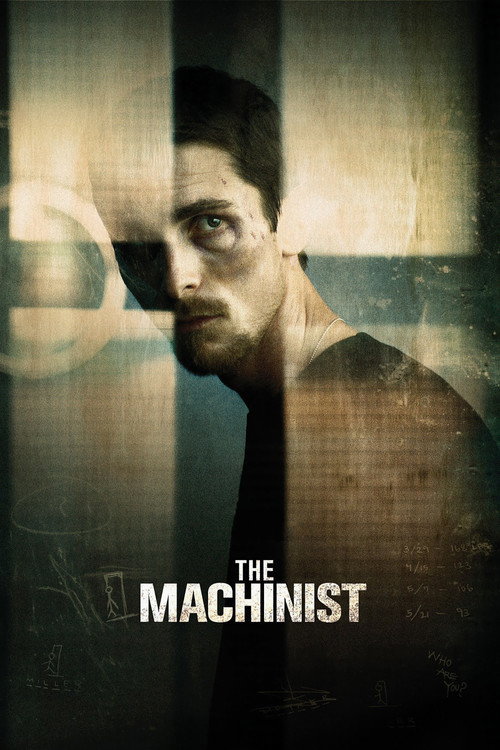
The Machinist2004
A film about a protagonist whose guilt and paranoia reshape his perception of reality. It has the same pressure-cooker intensity and willingness to make you wonder if what you're seeing is reliable.
But It's grim, repetitive, and deliberately unpleasant to sit with. Christian Bale's skeletal performance is affecting but hard to watch.
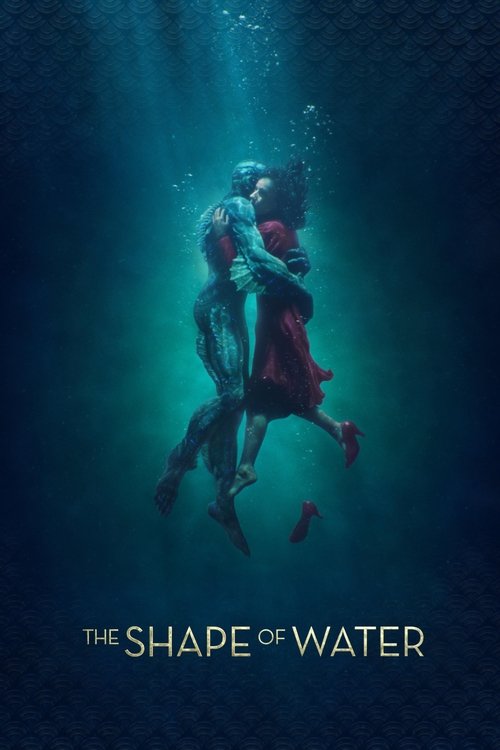
The Shape of Water2017
Guillermo del Toro's fantasy romance about connection across impossible boundaries. It shares Fateful Findings' willingness to treat the magical as intimate and worth taking seriously, though executed with far more resources.
But It's lush and self-consciously beautiful in ways that some viewers find more stylish than moving. The romance might feel overstated.
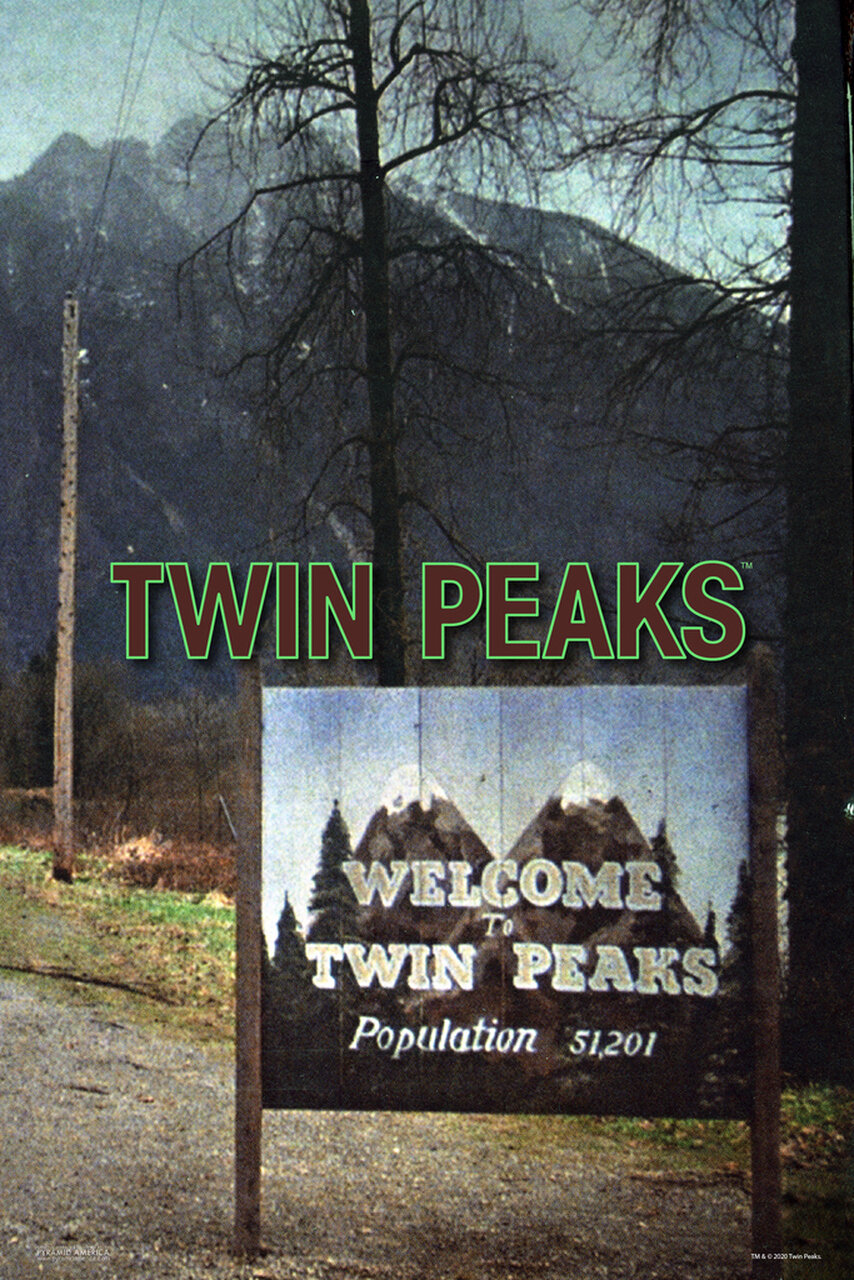
Twin Peaks1990
Both treat television and film as possibilities rather than constraints. Both are willing to destroy narrative coherence in pursuit of something more important. Both ask whether you trust the artist enough to follow them into the dark.
David Lynch's eighteen-hour return to Twin Peaks, where he dismantles narrative itself in service of something weirder and more profound. It's mystical, paranoid, deeply fractured, and yet oddly moving. If you want to see someone with complete creative control make something that doesn't care about conventional storytelling, this is it.
But Large stretches are genuinely boring—deliberately so. Some episodes are nearly plotless. Patience becomes a prerequisite, and some viewers find it indulgent rather than illuminating.
Come and See1985
Like Fateful Findings, it's an outsider work made with absolute conviction, indifferent to whether audiences will follow. Both refuse to separate political urgency from personal vision. Both suggest that cinema can be a form of prophecy or warning, not just entertainment.
Elem Klimov's Soviet war film is relentless and visionary—a boy's journey through hell that becomes increasingly hallucinatory and detached from conventional reality. It's a completely uncompromising work by someone who had something urgent to say and would not soften it for an audience.
But It's one of the most brutal films ever made. It doesn't offer catharsis or resolution, only devastation. Do not watch this lightly or casually.

People
Cast
 Neil BreenDylan
 Klara LandratEmily
 Jennifer AutryLeah
- David SilvaJim
- Gloria HoffmanDr. Andra
- Danielle AndradeAlly
- John Henry HoffmanDr. Lee
- David ScottDr. Rosen
- Steven NelsonCorporate CEO
- Richard HunsackerBank President
- JR ThompsonCongresswoman
Directing
- Neil BreenDirector
Writing
- Neil BreenWriter
Production
- Neil BreenCasting
- Neil BreenLocation Manager
- Neil BreenProducer
- Neil BreenProduction Manager