
Film
Tigers Are Not Afraid
- Drama
- Very dark
A Mexican horror-fantasy about street children caught in narco violence, blending magical realism with brutal social realism. Estrella joins a gang of orphans haunted by literal ghosts while trying to survive cartels and indifference. Visually stunning and morally unflinching—it treats child abandonment as the true horror.
Should you watch it?
Watch it if you want eerie, folkloric horror rooted in hard city streets, where the supernatural hovers over a very human grief rather than shouting for attention.
Skip it if you will struggle if you need uplift from a story about children living rough, since its cruelty is unsparing and its scares are sparse.
What it asks of you: At eighty-three minutes it moves in a measured, watchful way, lingering on quiet dread and grimy street life, and it wants your full attention rather than background company.
Not sure? Find tonight's pick in a minute.
If you liked this
Come and See1985
A Soviet masterpiece about childhood destroyed by war. Like Tigers, it refuses sentiment and shows how violence corrodes innocence with unforgettable, shattering precision.
But Relentlessly bleak and difficult. Not a film that comforts or entertains—it punishes the viewer, by design.

Pan's Labyrinth2006
Spanish Civil War through a child's eyes, mixing fantasy and atrocity. Both films use magic as a coping mechanism for kids trapped in adult brutality.
But The fantasy elements might feel too gentle if you're expecting Tigers' rawness. Guillermo del Toro's fairy tale has more beauty than grit.

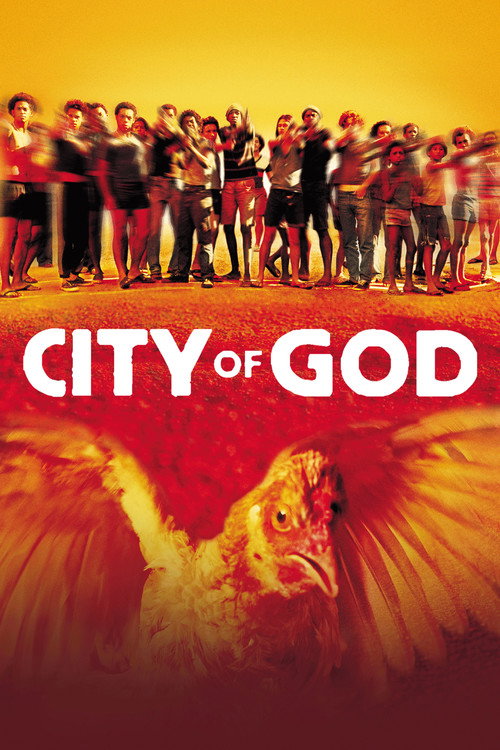
City of God2002
Rio's drug wars told through children's experience, with propulsive energy and visual flair. Same territory—orphans, gangs, systemic abandonment—but told with darkly propulsive momentum.
But Heavily stylized. It's so kinetic and clever that it can feel like it's enjoying the violence rather than mourning it.
Not sure tonight? Get a pick in a minute, starting from Tigers Are Not Afraid
The wildcard
Something you would not have found on your own.
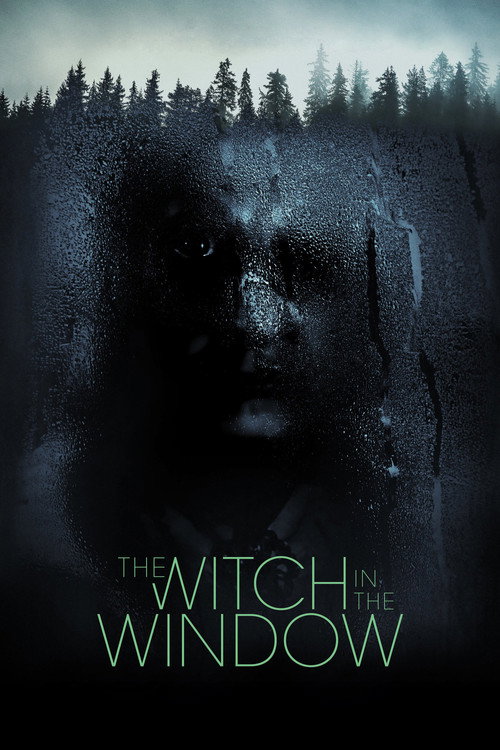
The Witch in the Window2018
Both use ghosts as metaphors for abandonment and violence that society pretends not to see. The supernatural is how children process the unspeakable.
A house haunted by childhood trauma and loss. Like Tigers, it uses the supernatural not as jump-scare machinery but as the literal manifestation of emotional devastation in a child's world.
But Sparse, slow-burn British horror. Expects you to sit in dread rather than action—the opposite of propulsive.
More like this (8)
Beasts of the Southern Wild2012
A girl alone in environmental catastrophe, magical realism meeting poverty. Celebrates resilience while never flinching from the precariousness of childhood.
But Whimsical in tone. Tigers' restraint and refusal of sentimentality will feel absent here.

A Prophet2009
Brutal coming-of-age in prison. Both films track initiation into criminal systems with unflinching detail and the slow erosion of who you might have been.
But Very long and procedural. Where Tigers compresses tragedy, this sprawls across years of institutional corruption.

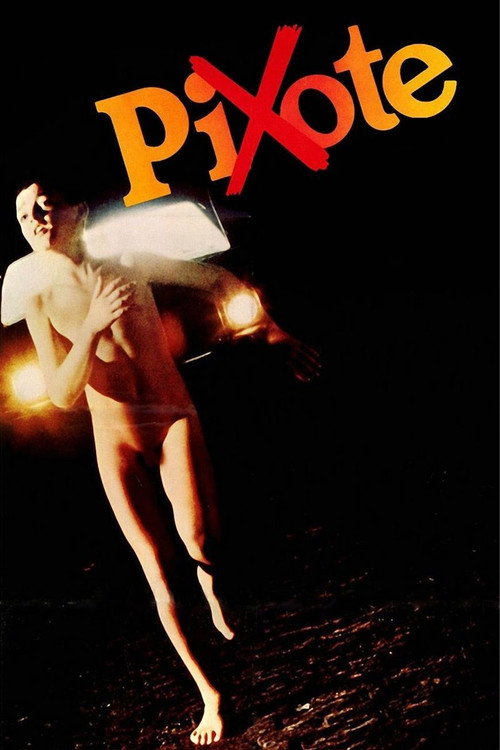
Pixote1980
Brazilian street children in the criminal underworld. An earlier, equally uncompromising look at child abandonment and systemic failure in Latin America.
But Documentary in tone and pacing. Less stylized than Tigers—sometimes the realism becomes numbing rather than haunting.
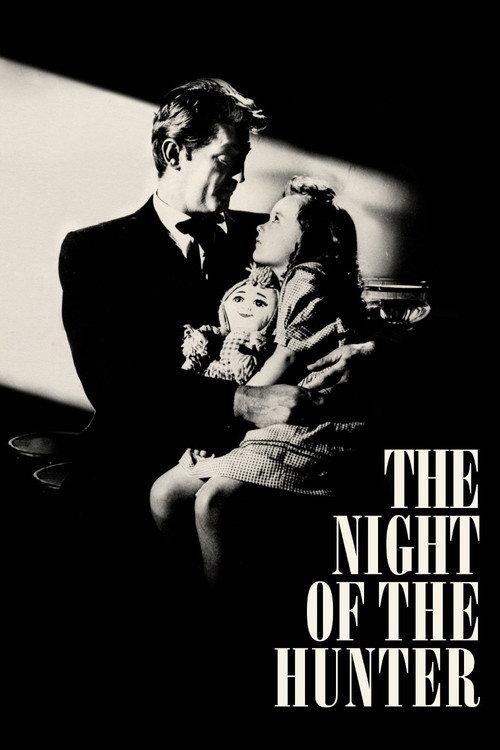
The Night of the Hunter1955
Children hunted by evil across Depression America, steeped in nightmare logic and visual poetry. Both films treat childhood terror as genuinely supernatural.
But Black-and-white and formally theatrical. The expressionism can feel stagey next to Tigers' grounded horror.
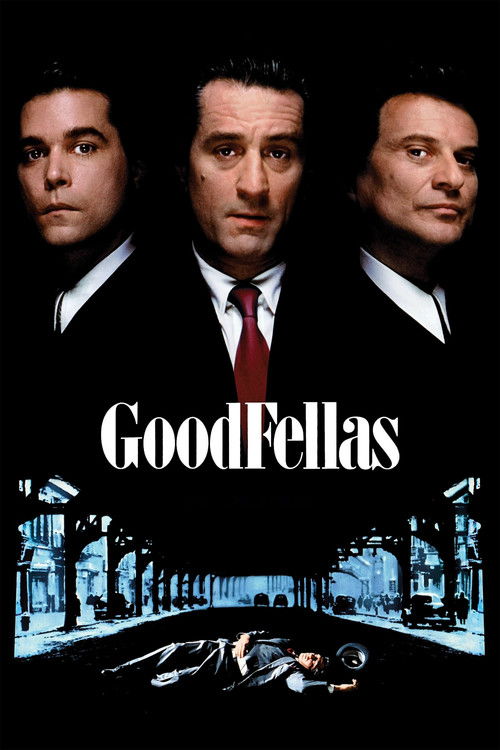
GoodFellas1990
Initiation into organized crime with seductive energy and moral catastrophe. Same arc of recruitment and corruption, though told from inside the system rather than below it.
But Glamorous. It makes gangster life look appealing in ways Tigers deliberately refuses.
We Need to Talk About Kevin2011
A mother reckons with a child who becomes a killer. Explores how systems fail children and how violence is sometimes born from abandonment and indifference.
But Formal and fragmented. Requires patience with narrative puzzle-solving rather than emotional directness.

La Haine1995
Both are portraits of youth with no escape route, where the system itself is the antagonist. They share a refusal to sentimentalize or excuse, but also to dehumanize.
Twenty-four hours in the lives of three young men in a French banlieue, circling systemic violence. Black-and-white cinematography gives it dreamlike intensity while remaining socially precise.
But Dialogue-heavy and confrontational. Less visually fantastical than Tigers—the horror is structural, not magical.

The Florida Project2017
Both are set in the spaces where society dumps its unwanted. But while Tigers shows what those places do to children through magic and violence, The Florida Project insists children transcend their circumstances through imagination and love.
Childhood in motels on Florida's margins, shot with luminous color and genuine joy despite poverty. It's about children in the system, but finds grace and play in the cracks.
But Deliberately gentle. Where Tigers embraces horror and the supernatural, this leans toward humanism and hope—almost its opposite.

People
Cast
 Paola LaraEstrella
 Juan Ramón LópezEl Shine
 Ianis GuerreroCaco
 Hanssel CasillasTucsi
- Nery ArredondoMaxwell "Morrito" Vázquez
 Tenoch Huerta MejíaEl Chino
 Benny EmmanuelBrayan
Directing
- Issa LópezDirector
- Hiromi KamataFirst Assistant Director
- Daniela Sanchez BattenbergSecond Second Assistant Director
- Rodrigo UrbanoSecond Unit Director
Writing
- Issa LópezScreenplay
Production
- Andrea AbbiatiCasting Director
- Isabel CortázarCasting Director
- Carlos TaiboExecutive Producer
- Francisco González CompeánExecutive Producer
- Issa LópezExecutive Producer
- Fuad Abed DaltonLine Producer
- Claudia MeraPost Production Coordinator
- Marco Polo ConstandseProducer