
Film
Blood on the Mountain
A sharp-eyed documentary about West Virginia's extractive economy and how coal companies captured the state's politics, resources, and future. It's a story about systemic powerlessness and the people fighting back—urgent, angry, and grounded in real lives rather than abstractions. Essential viewing for anyone asking why some regions feel abandoned by America.
Should you watch it?
Watch it if you want a documentary that follows the money and the politics behind a single place, and you're willing to sit with anger that is earned rather than performed.
Skip it if the tone is grim and the argument is plainly stated, so if you want nuance or a lighter evening, this will feel like a lecture at times.
What it asks of you: Ninety-three minutes of patient, cumulative argument: it piles up evidence and anger gradually, so expect attention to detail rather than a sharp narrative turn.
Not sure? Find tonight's pick in a minute.
If you liked this
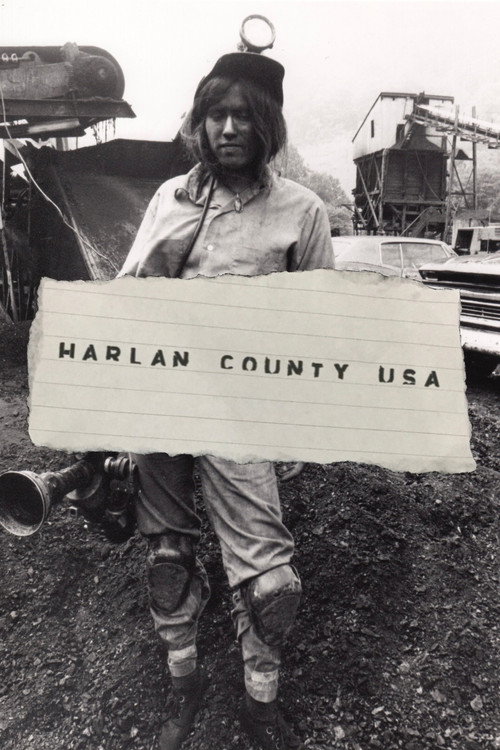
Harlan County U.S.A.1976
Seminal documentary about a coal miners' strike in Kentucky. Raw, immersive, and a crucial predecessor to any conversation about coal, labour, and Appalachian resistance.
But Nearly 4 hours long and grainy; the pacing reflects 1970s documentary rhythm, which some find slow.
The Invisible Hands2017
Examines how global capital flows shape local economies and politics, using accessible storytelling. Broadens the conversation beyond coal to systemic patterns of extraction.
But More conceptual than Blood on the Mountain; less specific to place, which can feel less immediate.
Dark Money2018
Investigates how campaign finance and political donations corrupt American democracy. Directly addresses the machinery keeping politicians beholden to corporations.
But Focuses on Montana; some may find it repetitive if you're already familiar with Citizens United.
Not sure tonight? Get a pick in a minute, starting from Blood on the Mountain
The wildcard
Something you would not have found on your own.
Ceremony2010
Both examine how external powers strip communities of resources and agency. Both center Indigenous and marginalized people's resistance as the real story, not their victimhood.
A Lakota filmmaker's narrative feature about Native activists reclaiming their land and sovereignty. Uses fiction to explore extraction, resistance, and self-determination with poetry and rage.
But Experimental narrative structure; sometimes oblique where Blood on the Mountain is direct. Requires patience with ambiguity.

More like this (6)
The Corporation2003
A foundational analysis of corporate personhood and how companies are structurally incentivized toward harm. Argues the system itself is the problem, not just bad actors.
But Ambitious scope means it touches many issues without going deep; can feel didactic in places.
Weiner2016
A different kind of political failure—a character study of a politician undone by his own hubris. Offers insight into how public figures are made and unmade.
But Focused on individual scandal rather than systemic corruption; some may find it feels smaller in scope.

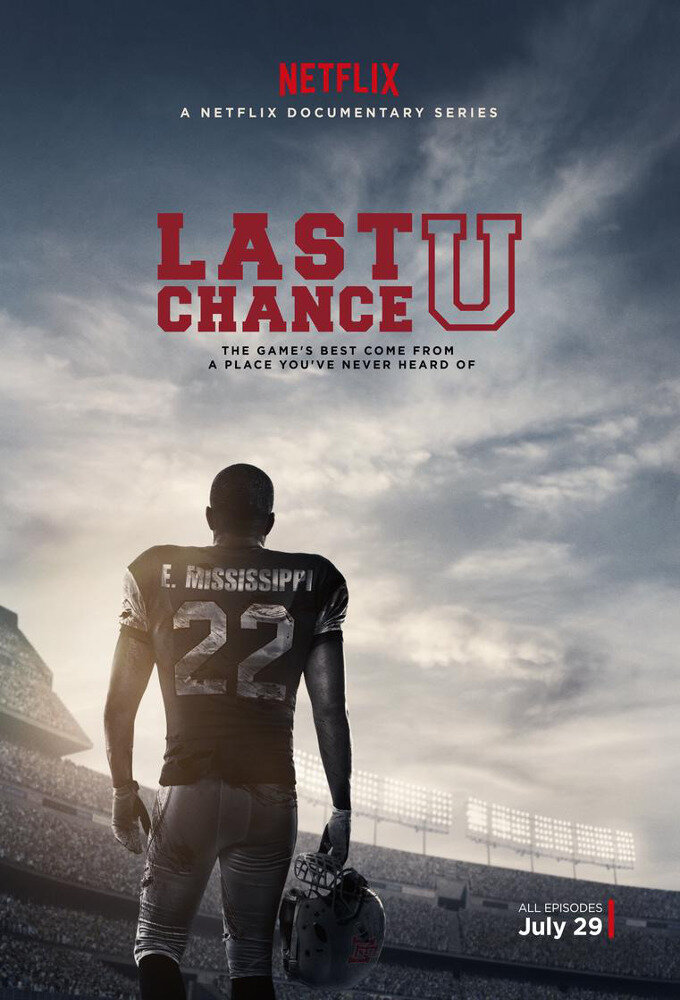
Last Chance U2016
Exposes exploitation within college football, showing how powerful institutions extract value from vulnerable people while benefiting the few. Dark, enraging, very well observed.
But Sports-focused; if you don't care about football, the access feels less urgent than the economic principle it illustrates.
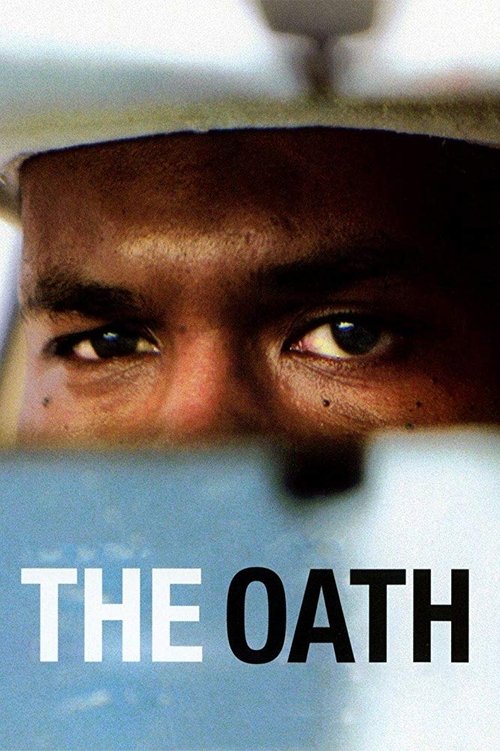
The Oath2010
Documents political activists and their attempts to hold power accountable through direct action. Raw footage of resistance culture with no polish or easy answers.
But Very rough production values; scattered focus across multiple movements rather than a coherent narrative arc.
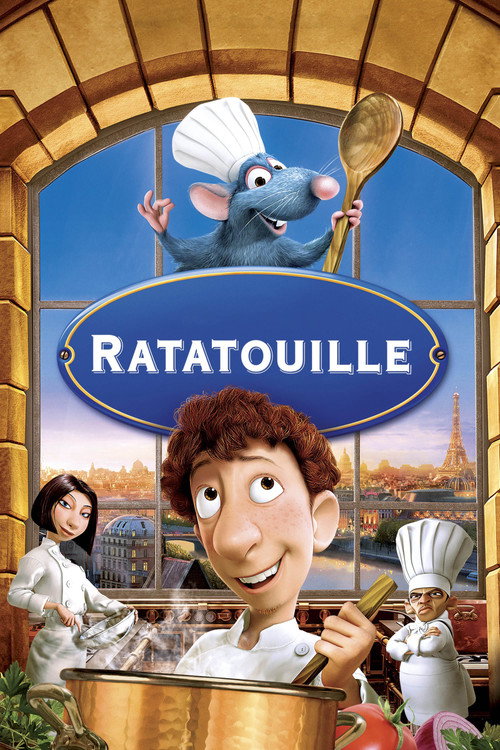
Ratatouille2007
Both are about people trapped in systems that don't let them access the value they create. A rat can't cook legally; miners can't profit from their labour. Both insist that dignity and craft matter more than hierarchy's rules.
An animated film about a rat who dreams of cooking in Paris. It's funny, gorgeous, and completely unrelated to Appalachia on the surface.
But A Pixar family film; you'll be watching cartoon rodents, which feels frivolous if you want to stay angry.
Come and See1985
Both are unflinching about systemic violence against populations with no power to stop it. Both refuse sentimentality or easy catharsis. Both say: this is what happens when people are expendable.
A Soviet film about a boy caught in WWII. It's one of cinema's most devastating and honest documents of what war does to ordinary people and places.
But Extremely brutal; not a film you watch for pleasure. It's a moral experience, not entertainment, and demands a lot emotionally.

People
Directing
- Jordan FreemanDirector
- Mari-Lynn C. EvansDirector
Writing
- Deborah WallaceWriter
- Jordan FreemanWriter
- Mari-Lynn C. EvansWriter
- Matthew SanchezWriter
- Phylis GellerWriter