
Film
The Noise of Time
- Biopic
- Very dark
A portrait of Dmitri Shostakovich navigating Soviet terror and artistic survival. August Diehl carries the weight of a composer caught between state demand and creative conscience, watching colleagues disappear while he negotiates each new composition as potential confession or camouflage. Intimate, tense, morally complex—for those who appreciate how power deforms talent.
Should you watch it?
Watch it if you are drawn to quiet, observant portraits of an artist squeezed by power, where the pressure shows up in silences, small compromises and the texture of a life rather than in plot.
Skip it if you want a brisk biopic with clear milestones and a steady stream of events; this one lingers on mood and fragments, and its pacing can feel distant and withholding.
What it asks of you: Be patient with a fractured, non-linear structure and long stretches of stillness, since it moves by impression and mood rather than by clean scenes you can easily follow.
Not sure? Find tonight's pick in a minute.
If you liked this
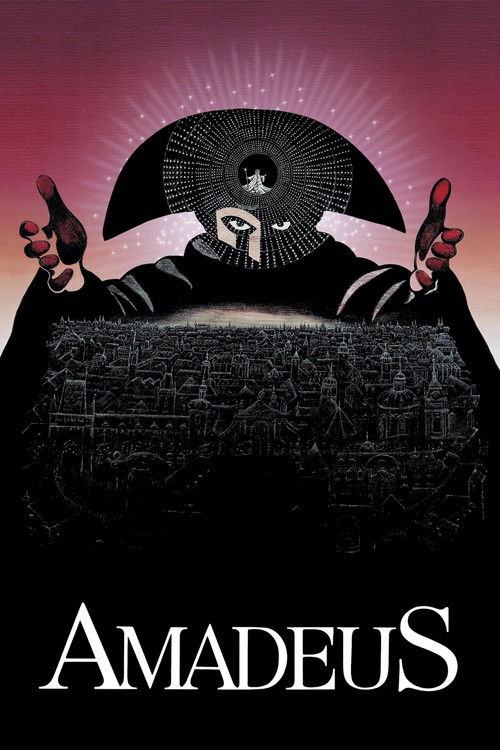
Amadeus1984
Another portrait of a genius under pressure, but where Shostakovich faces the state, Mozart faces God and mediocrity. Milos Forman's film is visually sumptuous and dramatically irresistible—the stakes feel cosmic.
But Three and a half hours, heavily fictionalized, and occasionally leans into theatrical camp when subtlety would serve better.
A Prophet2009
Like Shostakovich, the protagonist learns to survive and advance within a system designed to destroy him, using intelligence and coded communication. Brutal, gripping, morally unflinching about how power corrupts even those who think they're resisting.
But Prison setting is claustrophobic and the violence is neither sanitized nor celebratory. Long, deliberate pacing may feel slow if you want catharsis.

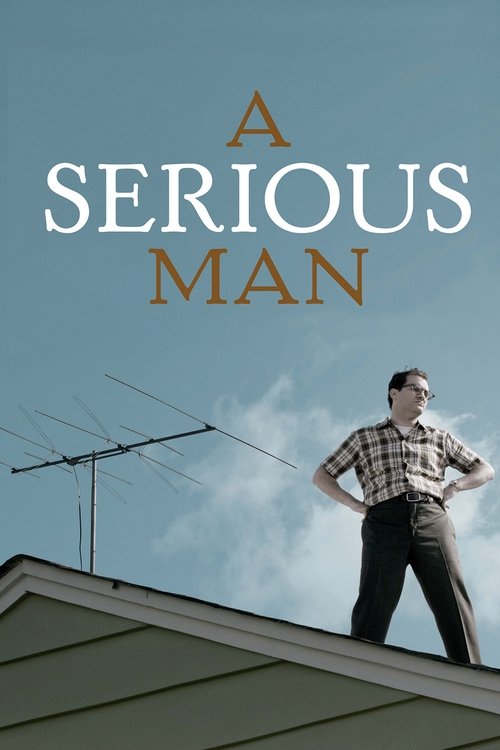
A Serious Man2009
Another protagonist trapped in a system (suburban American Judaism) that offers no escape, only deeper layers of impossible choice. The Coen Brothers capture the absurdist panic of living under unspoken rules you can never quite obey.
But Deliberately frustrating and unresolved. If you want moral clarity or a satisfying ending, this will infuriate you.
Not sure tonight? Get a pick in a minute, starting from The Noise of Time
The wildcard
Something you would not have found on your own.
Come and See1985
Both explore how totalitarian systems erase human identity—one through state terror, one through warfare. Both ask: what survives when everything is taken?
Not about art or artists, but a Soviet film about childhood destroyed by war. It captures the same moral and spiritual devastation, the same sense of someone watching their humanity disappear before their eyes. Haunting and historically urgent.
But One of the most viscerally difficult films ever made. Not recommended if you're already fragile. The violence against children is not implied.

More like this (6)
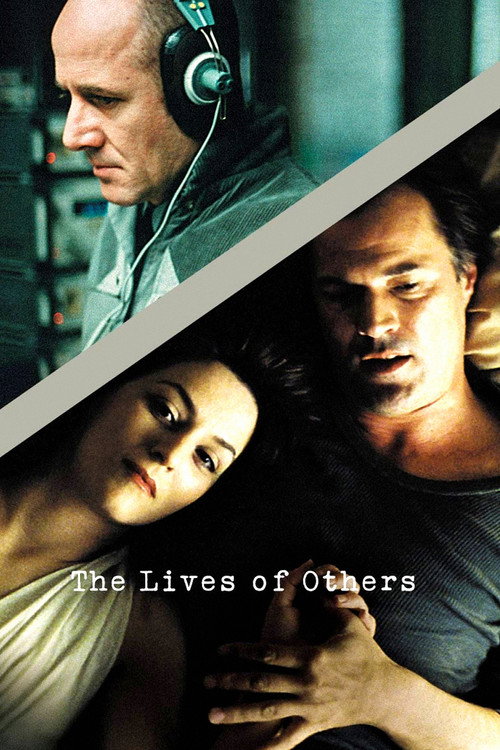
The Lives of Others2006
Set in East Germany, it examines surveillance, artistic freedom, and the moment when a bureaucrat begins to see humanity in his targets. Every frame is taut with ethical complexity. Essential viewing for anyone interested in how states control culture.
But Deliberately paced like a spy thriller rather than a drama—some find it cold or manipulative in its construction.
Stalker1979
Tarkovsky's masterpiece about desire, power, and the impossibility of genuine freedom under state control. Metaphorically rich and cinematically ravishing—a meditation on why art matters when the world is broken.
But Extremely long (163 minutes), philosophically dense, with almost no plot. If you're looking for narrative momentum, this will feel glacial.

Synecdoche, New York2008
Another story about an artist whose inner world becomes indistinguishable from his art, watched by forces he can't control. Kaufman's film is dizzyingly ambitious and feels like watching someone's psyche collapse and rebuild in real time.
But Deliberately confusing, structurally chaotic, and emotionally punishing. Many viewers find it pretentious or exhausting rather than profound.

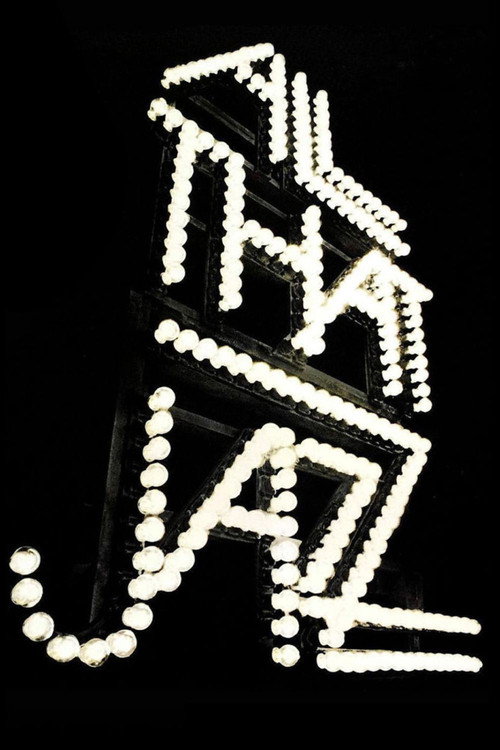
All That Jazz1979
Fosse's semi-autobiographical fever dream about a director destroying himself through perfectionism and debauchery. It understands how genius and self-destruction become inseparable—and how audiences become complicit in the consumption of that destruction.
But Sexually explicit, graphically violent, and relentlessly dark about human nature. The style is deliberately mannered and may feel dated or overwrought.
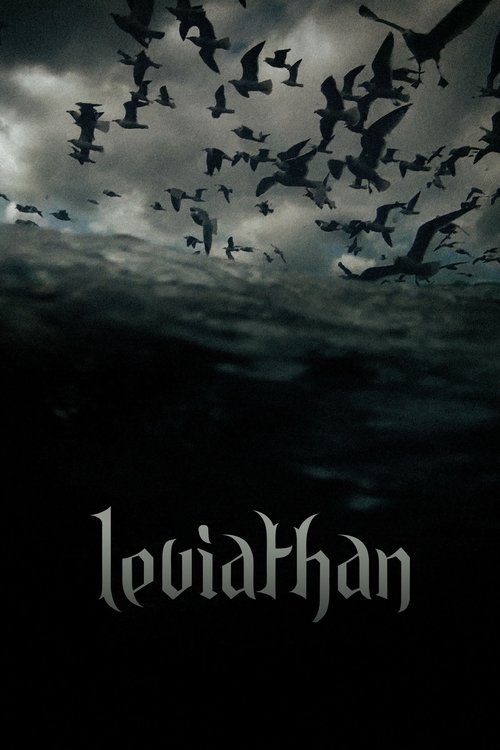
Leviathan2013
A contemporary Russian work about individuals crushed by systems that cannot be beaten. Both films see Soviet/Russian power as a kind of metaphysical force, not merely political.
A Russian film about a man fighting a corrupt official in a provincial town. It's formally experimental—long takes, Tarkovskian pacing, minimalist dialogue—and captures contemporary Russian society with the weight of tragedy. A different key, same despair.
But Extremely bleak with no cathartic resolution. Slow-paced, sparse dialogue, and formally demanding. Audiences often find it frustrating rather than moving.
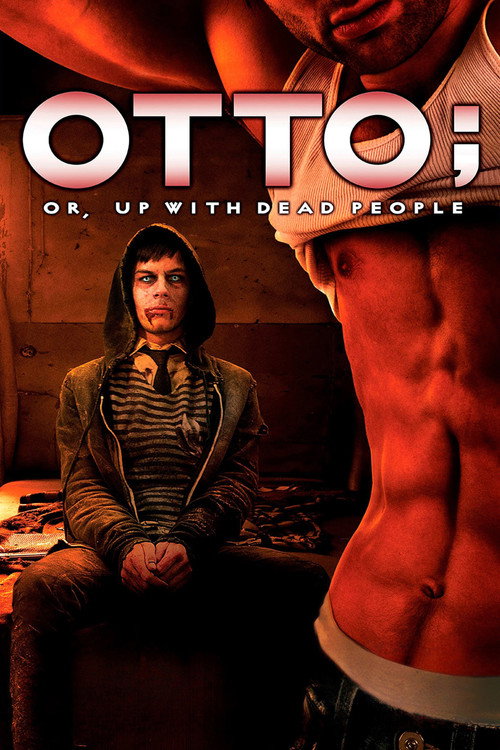
Otto; or, Up with Dead People2008
An artist creating under conditions of erasure and prohibition—queerness as a kind of survival strategy, like art under Stalin. Both ask: what do you make when the system wants you gone?
A formally experimental queer zombie film that uses genre constraint to explore trauma and survival. Austrian director Bruce LaBruce makes something surreal and visually provocative. Completely different register, but about how you create when you're supposed to be dead.
But Deliberately trashy, sexually explicit, formally fractured. If you want respectability or conventional filmmaking, this is the opposite. Some viewers will find it gimmicky.
People
Cast
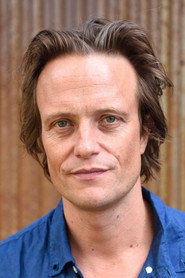 August DiehlDimitri Shostakovich
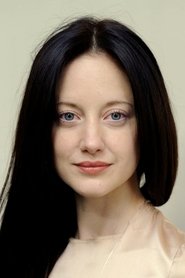 Andrea RiseboroughNina Shostakovich
Directing
- Jan KomasaDirector
Writing
- Julian BarnesNovel
- Christopher HamptonWriter
Production
- Amanda PoseyProducer
- Aneta Cebula-HickinbothamProducer
- Finola DwyerProducer
- Leszek BodzakProducer
- Thomas KufusProducer