
Film
Trauma
Other titles called Trauma: the 1993 film.
- Psychological horror
- Very dark
A man wakes from a coma to find his wife dead, then begins a fragile recovery with help from an alluring neighbour. But as grief twists into obsession and reality fractures, Trauma becomes a psychological unravelling—less about what happened than about how trauma rewrites the mind. It's a slow-burn descent into unreliability, best suited to viewers who prize atmosphere over plot clarity.
If you liked this
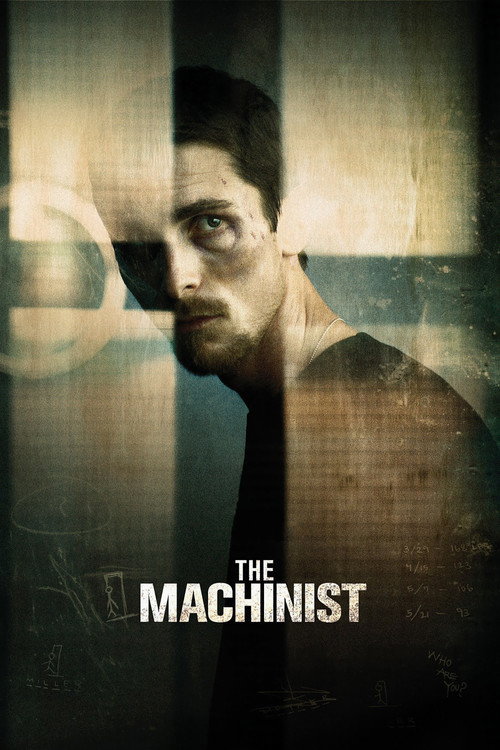
The Machinist2004
Another portrait of a man's psyche collapsing under trauma and guilt, with Christian Bale delivering a physically devastating performance. Builds the same claustrophobic dread, though with sharper narrative bite.
But Bleak and punishing throughout. The twist is less a revelation than a confirmation of what you've suspected, which some find disappointing.
Shutter Island2010
Scorsese's labyrinth of grief and institutional horror, where a detective investigates a disappearance on an island asylum. Shares Trauma's fixation on unreliable memory and the mind's capacity to invent rather than recover truth.
But More explicitly haunted-house thriller than psychological study. Heavy-handed in places, and the finale divides viewers on whether it earns its emotional weight.

The Vanishing1988
A Dutch masterpiece about obsession and the gap between what we know and what we need to believe. One man's inability to move forward from loss becomes the whole film's engine. Uncomfortably intimate.
But Slow and austere. The climax is deliberately unsatisfying—designed to haunt rather than resolve. Not for viewers who need closure.
Not sure tonight? Get a pick in a minute, starting from Trauma
The wildcard
Something you would not have found on your own.
Come and See1985
Both films understand that trauma is not a plot point but a neurological event—the way horror doesn't happen to you once, but rewrites how you perceive everything afterward.
A Soviet masterpiece about a boy conscripted into WWII, filmed as pure sensory trauma. It doesn't dramatize damage—it *is* damage. Like Trauma, it's about how horror rewrites the nervous system, but on an apocalyptic scale and with unflinching historical weight.
But Brutal and incessant. Not a film that comforts or catharizes; it punishes. Based on real suffering, which demands respect that makes watching an act of witness rather than entertainment. Profoundly difficult.

More like this (8)
Take Shelter2011
Michael Shannon as a man plagued by apocalyptic visions he cannot verify. Masterfully explores the terror of not knowing if you're intuiting danger or constructing it. Paranoia becomes indistinguishable from prophecy.
But Glacially paced and deliberately ambiguous. The ending offers no answer, which is the point—but that won't satisfy everyone.

Requiem for a Dream2000
Four parallel descents into addiction and delusion, shot with hypnotic dread. Like Trauma, it's about how the mind distorts reality when it's in pain, but here the styles are more formally daring.
But Devastatingly bleak and exhausting. The final act is designed to be unbearable. Also quite dated in its visual techniques, which some find dated rather than timeless.

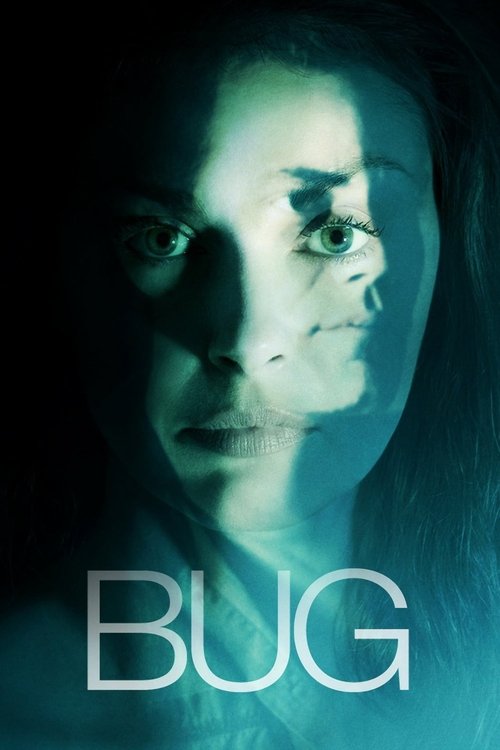
Bug2007
William Friedkin's suffocating chamber piece about two damaged people whose paranoia metastasizes into shared delusion. Like Trauma, it's about how intimacy can amplify rather than heal psychological fracture.
But Claustrophobic to the point of unwatchability for some. Relies on lengthy dialogue scenes that test patience. Deliberately antagonistic toward the viewer.
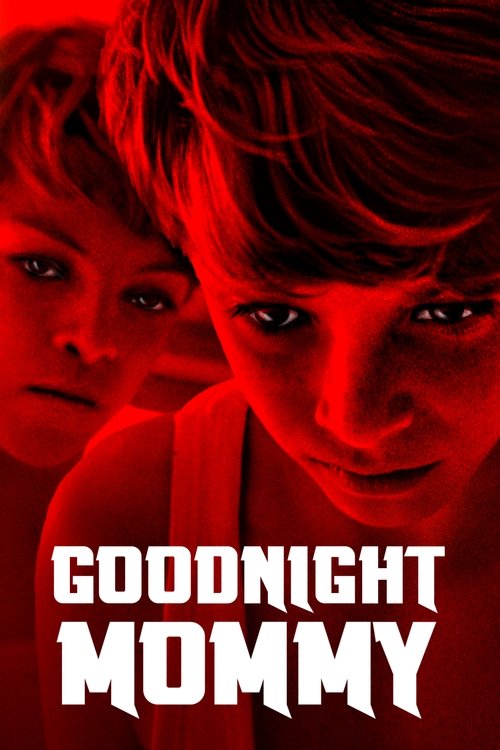
Goodnight Mommy2015
An Austrian horror film about a boy's fractured perception of his mother after her facial surgery. Trauma through a child's lens, where the uncanny and the psychological are deliberately indistinguishable.
But Genuinely disturbing imagery that's not there for jump scares. The twist is harsh rather than clever. Subtitled, and deliberately slow.
A Tale of Two Sisters2003
A Korean psychological horror about two sisters and their stepmother, built entirely from fractured memory and unreliable perspective. Hauntingly composed, with ambiguity that respects the viewer's intelligence.
But Deeply sad rather than scary. The plot barely exists; it's all mood and visual metaphor. You have to work to understand it, and some won't think the effort pays off.

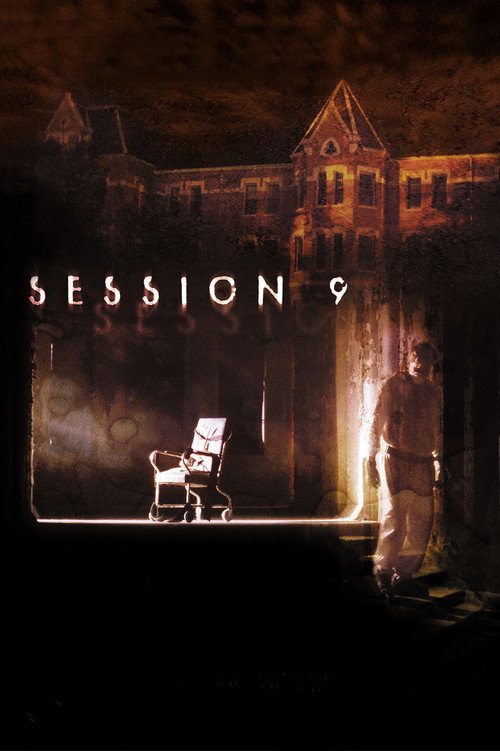
Session 92001
A documentary-style horror film set in an abandoned psychiatric hospital, where the line between found footage and psychological breakdown becomes impossibly blurred. Achieves dread through suggestion rather than spectacle.
But Barely a plot at all. Works entirely through atmosphere and implication. Some find it slow to the point of tedium; others find tedium is the point.
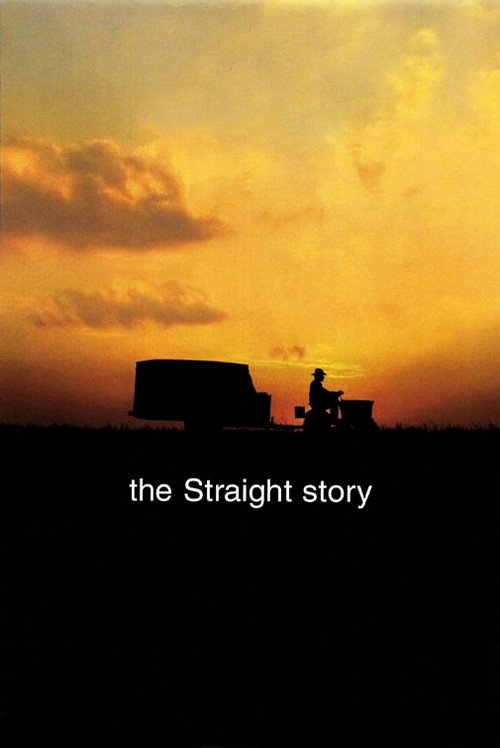
The Straight Story1999
Where Trauma shows trauma as dissolution, The Straight Story shows it as weight—something you carry, acknowledge, and sometimes try to set down. Both ask what recovery looks like when you can't undo what happened.
Lynch's only G-rated film: a 78-year-old man rides a lawnmower across Iowa to reconcile with his estranged brother. It sounds whimsical; it's about grief, apology, and the slow work of recovery. Tender rather than fractured, but built from the same obsession with how people carry damage.
But Almost aggressively gentle. A David Lynch film with no darkness, which some viewers find betrays what they love about him. Very, very slow—a film about patience with someone else's pain.
The Body2012
Both are chamber pieces about the mind's reliability, built from claustrophobia and two people circling each other, where the real horror is not what happened but whether you can trust your own perception of it.
A Spanish thriller about a detective and a coroner, alone in a building overnight with a corpse that vanishes and reappears. Minimal plot, maximalist paranoia—two people trapped in a closed space watching reality destabilize. Ingeniously structured, genuinely unsettling.
But Almost entirely dialogue-driven conversation between two people. Very low-budget. The twist, when it arrives, is more conceptual than visceral—some find it clever in an annoying way.

People
Cast
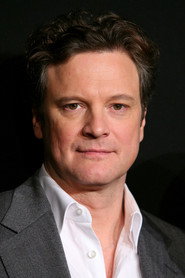 Colin FirthBen
 Mena SuvariCharlotte
 Naomie HarrisElisa
 Sean HarrisRoland
 Neil EdmondMills
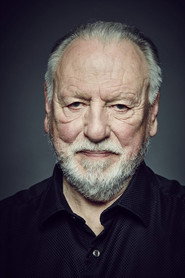 Kenneth CranhamDC Jackson
 Martin HancockEmery Jones
 Tommy FlanaganTommy
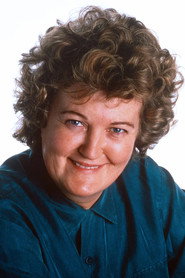 Brenda FrickerPetra
- Alison DavidLauren Parris
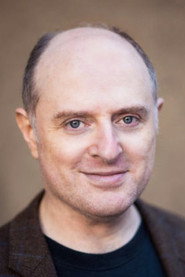 Cornelius BoothOrderly
- Dermot MurnaghanNewscaster 1
Directing
- Marc EvansDirector
- Sarah HaywardScript Supervisor
Writing
- Richard SmithWriter
Production
- Jina JayCasting
- Dixie ChassayCasting Assistant
- Lizzie FranckeCo-Producer
- Daniel J.B. TaylorExecutive Producer
- David BirminghamExecutive Producer
- David M. ThompsonExecutive Producer
- Donald A. StarrExecutive Producer
- James MitchellExecutive Producer
- Jonathan KellyExecutive Producer
- Kirk D'AmicoExecutive Producer
- Marion PilowskyExecutive Producer
- Steve ChristianExecutive Producer
- Sue Bruce-SmithExecutive Producer
- Jonathan CavendishProducer
- Nicky Kentish BarnesProducer