
Television series
The Jonathan Winters Show
- Comedy
- Light-hearted
- Dip in and out
A sketch-comedy showcase from 1967 built entirely around Jonathan Winters' genius for improvisation and character creation. Winters inhabits a new absurd personality every few minutes—rapid-fire, physically uninhibited, often hilarious. If you loved early SNL or appreciate performers who can pull a fully formed character out of thin air, this is essential. It's loose and sometimes uneven, but the best moments are transcendent.
If you liked this
Saturday Night Live1975
The direct spiritual successor to what Winters pioneered: sketch comedy built on strong performers riffing within structure. You'll see the template he helped establish, refined and weaponized by subsequent generations of comedians.
But Wildly inconsistent week to week, and some sketches overstay their welcome by several minutes. Cold opens especially can feel self-indulgent.

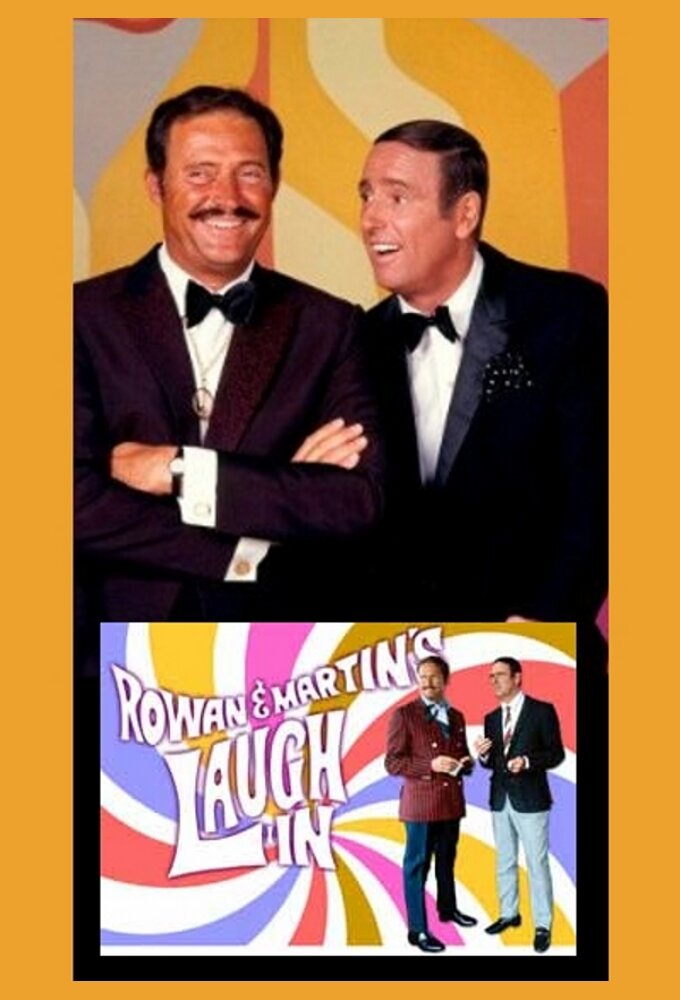
Rowan & Martin's Laugh-In1967
Another high-energy sketch show from the same era, using rapid-fire gags and absurdist humor. Fast-paced, visually inventive, and shares Winters' commitment to pure silliness without narrative logic.
But The pace is exhausting for some viewers. Jokes land unevenly, and dated references will occasionally leave you cold. Almost feels designed to prevent you from getting comfortable.
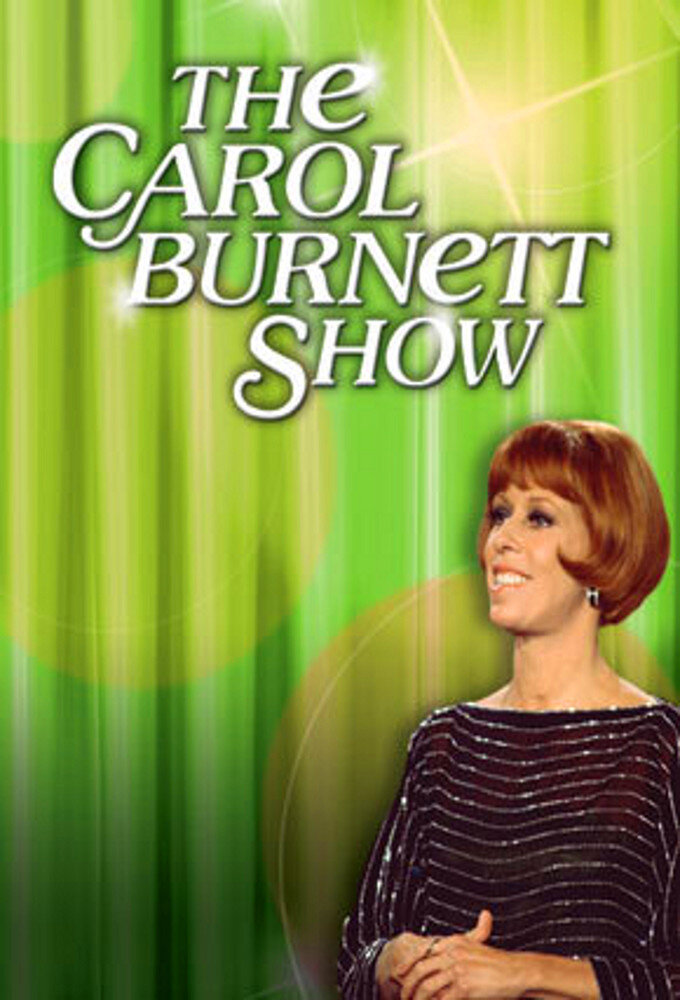
The Carol Burnett Show1967
Carol Burnett and her ensemble (including Harvey Korman) do character-driven sketch comedy with genuine warmth. Better-produced than Winters' show, with running sketches you'll want to revisit.
But More theatrical and less anarchic than Winters. The humor relies heavily on ensemble timing, so weak performers in a sketch really drag it down.
Not sure tonight? Get a pick in a minute, starting from The Jonathan Winters Show
The wildcard
Something you would not have found on your own.
Singin' in the Rain1952
Both are about performers who can do anything with their body and voice. Winters' show is sketch comedy, but Singin' in the Rain is the proof that physical comedy and character invention work at any length and in any medium.
Not a comedy show, but a musical where Gene Kelly and Donald O'Connor do physical comedy and character work that rivals Winters' best moments. Pure joy, pure skill. Comedy-as-craft at the highest level.
But It's a musical from 1952, so if you want sketch-comedy anarchy, this is structured and romantic. The pacing is luxurious compared to Winters' rapid-fire bits. Totally different form.

More like this (5)
I Love Lucy1951
Lucille Ball as a master of physical comedy and character work—the gold standard Winters was building on. Tightly written but full of spontaneous-feeling moments. Comedy that lands every time.
But It's 1950s sitcom structure with a laugh track. If you find the three-camera setup constraining, this won't feel free enough compared to what Winters was doing.

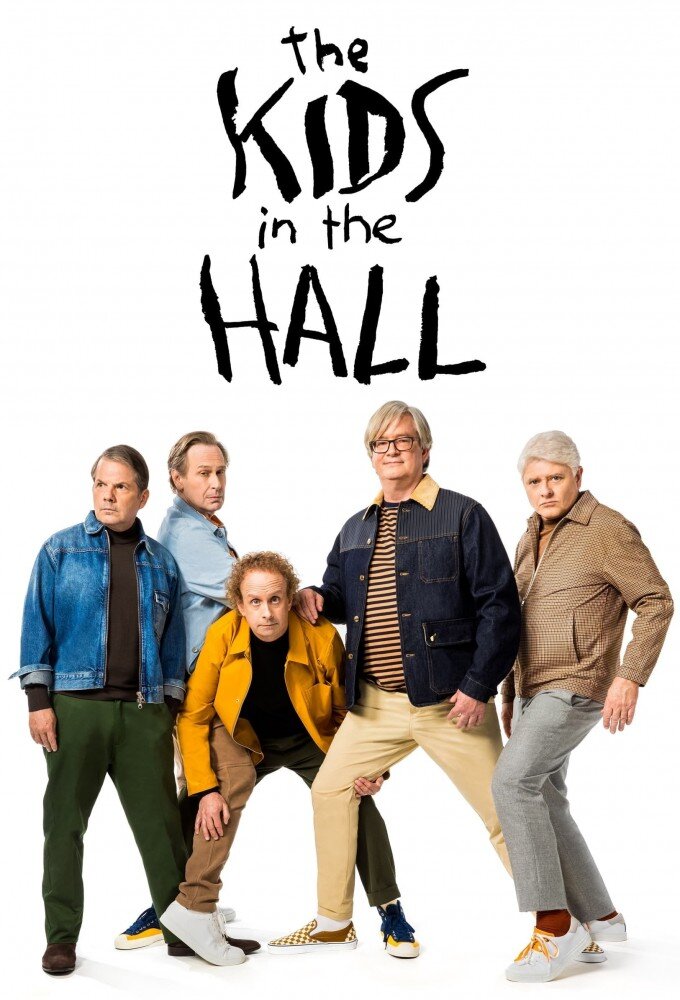
The Kids in the Hall1988
Canadian sketch troupe doing absurdist, character-driven comedy with no narrative logic. They took the Winters playbook and pushed it further into surrealism. Fast, funny, and genuinely weird.
But Very '80s production values that look cheap now. The sketches don't land if you're not on the troupe's wavelength, and there's no laugh track to tell you when to feel good.
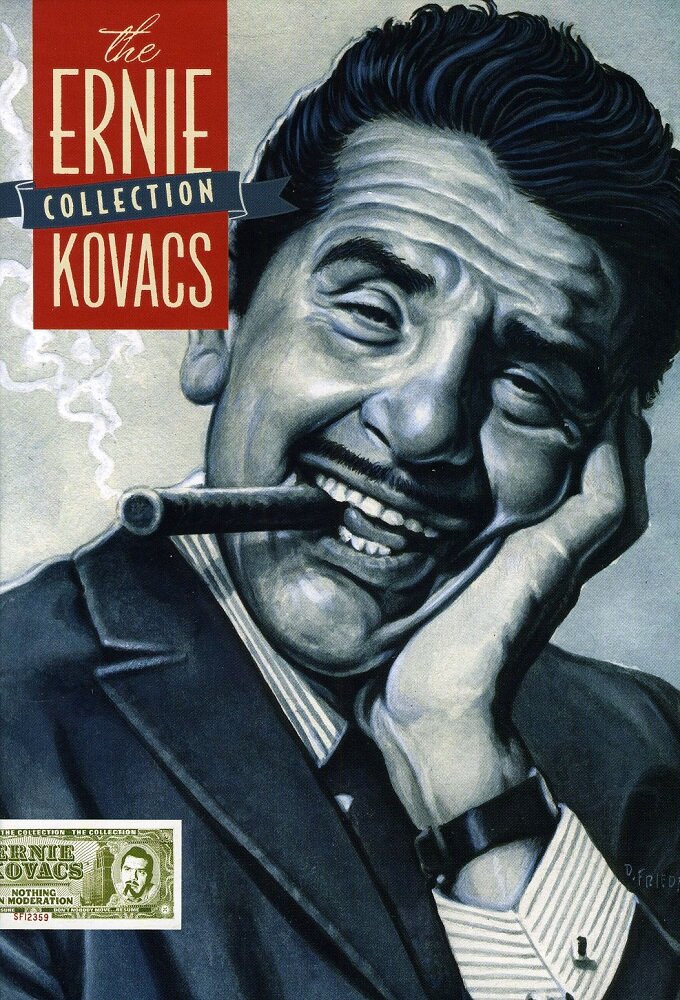
The Ernie Kovacs Show1951
Kovacs was doing visual, absurdist comedy in the 1950s with almost no dialogue. Pure invention. Winters admired him—watching both back-to-back shows what sketch comedy could be before and after Kovacs' influence.
But Muddier picture quality and slower pacing by modern standards. Some sketches feel like they're padding; you'll find yourself waiting for the next good bit.
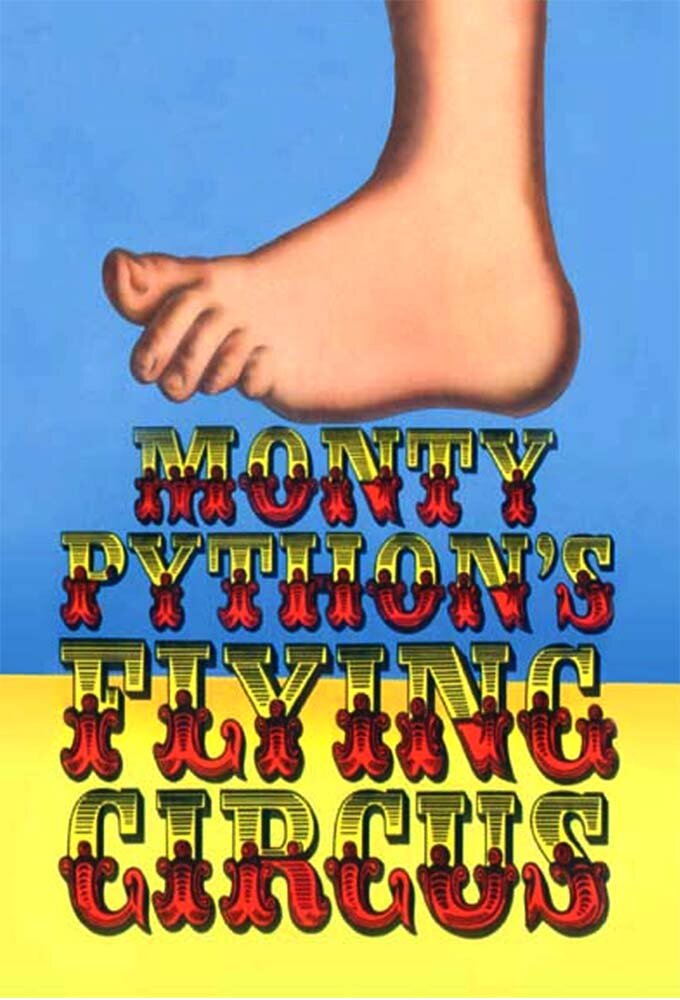
Monty Python's Flying Circus1969
British absurdism with the same 'anything can happen next' energy. Python took the Winters approach—character as comedy—and combined it with philosophical weirdness. Smarter but just as uninhibited.
But Very cerebral humor that doesn't always land on first viewing. Long sketches that sometimes peter out. Feels like homework if you're not already devoted.
Come and See1985
Both are about performance and transformation as their central subject. Winters disappears into a new character every sketch; the protagonist in Come and See disappears into trauma. Both examine what happens when someone is asked to become something they weren't.
Elem Klimov's Belarusian war film. Tonally the opposite of Winters' show—horrifying, devastating, unflinching. But like Winters' best work, it's about a person being transformed before your eyes, and the viewer experiences that transformation viscerally.
But This is brutal, graphic, and bleak. Not comedy. Not entertaining in the conventional sense. A different register entirely. It will exhaust you.

People
Cast
 Jonathan WintersHost