
Television series
The Ernie Kovacs Show
Long before television had settled into a shape, Ernie Kovacs was already dismantling it — treating the screen itself as a prop, playing with static, sound delay, and the camera's blind spots for the punchline. Less sitcom than mad-scientist experiment in what a broadcast could be, it's for anyone curious where TV's weirder, more self-aware comedy actually started.
If you liked this
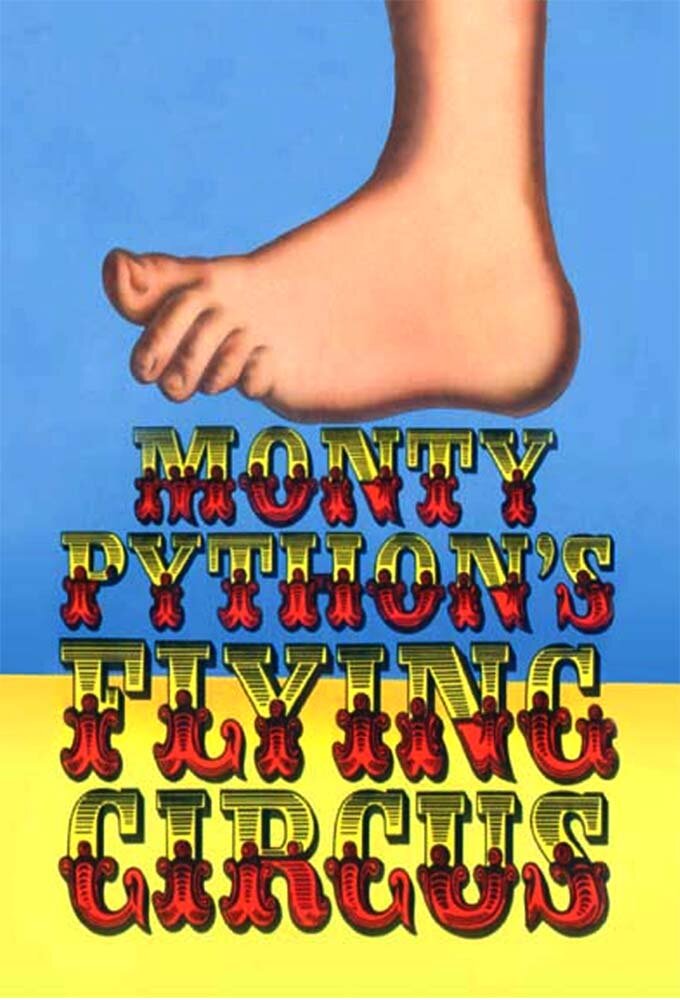
Monty Python's Flying Circus1969
Absurdist sketch comedy that refuses tidy structure, happy to let a joke dissolve into animation or silence — the same anything-goes spirit Kovacs pioneered, just louder and more famous.
But Some sketches feel dated, and the silly-voice gags occasionally overstay their welcome.
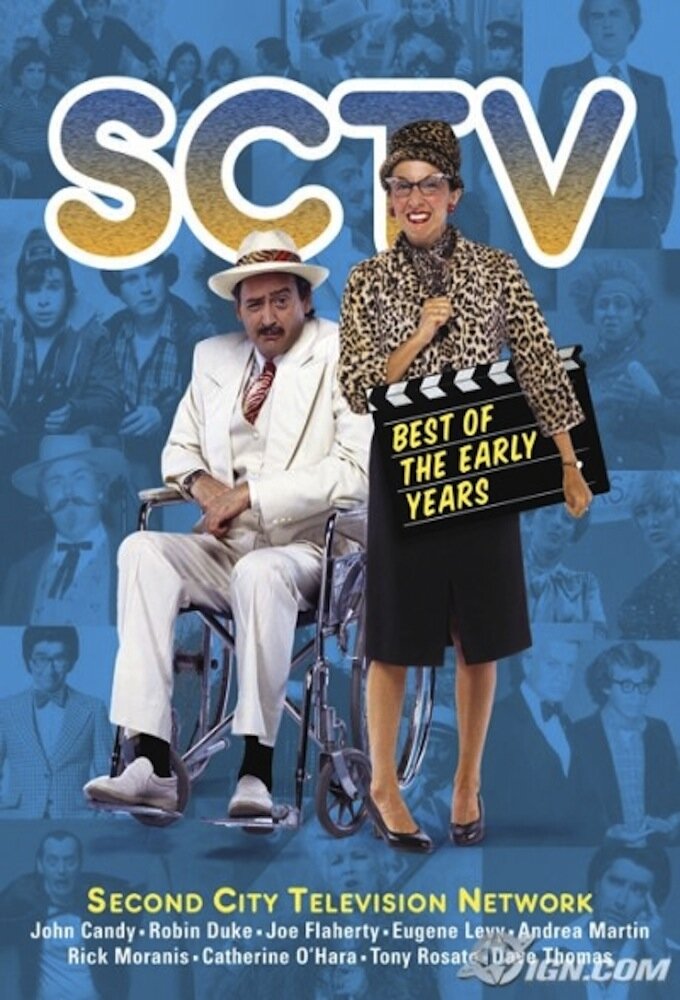
SCTV1976
A fake TV station parodying real television itself, packed with oddball characters and dead-on media satire — Kovacs' obsession with the medium as material, sharpened into cult brilliance.
But Deep cuts on 1970s broadcasting conventions may sail past viewers unfamiliar with the era.
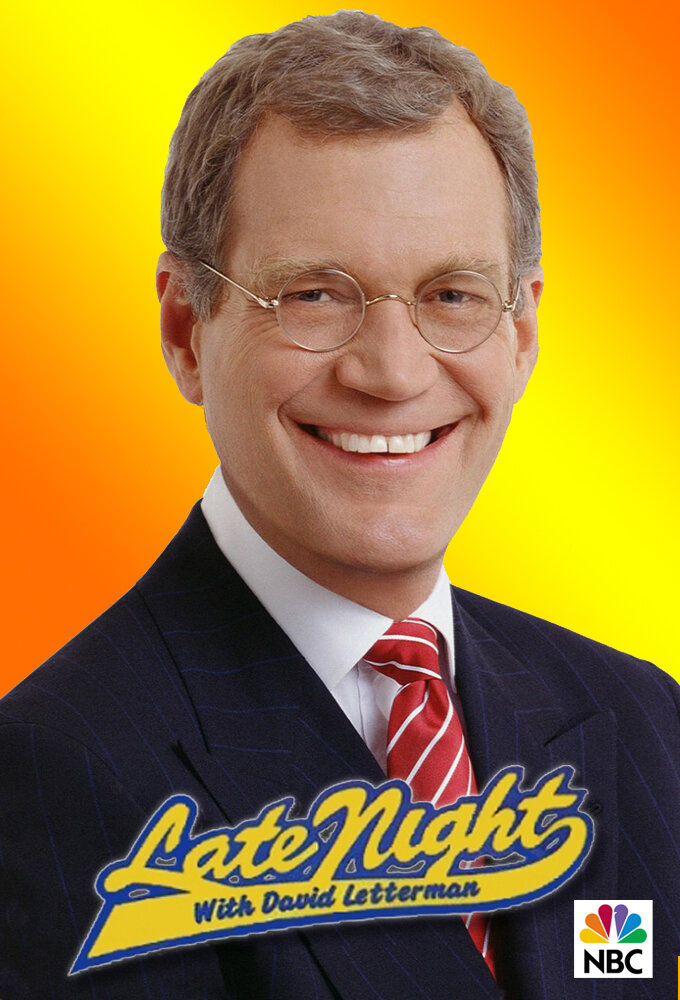
Late Night with David Letterman1982
Letterman turned the talk show inside out with stunts, deadpan asides, and cameras pointed where they shouldn't be — a clear descendant of Kovacs' delight in breaking TV's rules.
But Talk-show pacing and dated celebrity guests can feel slow to modern eyes.
The wildcard
Something you would not have found on your own.
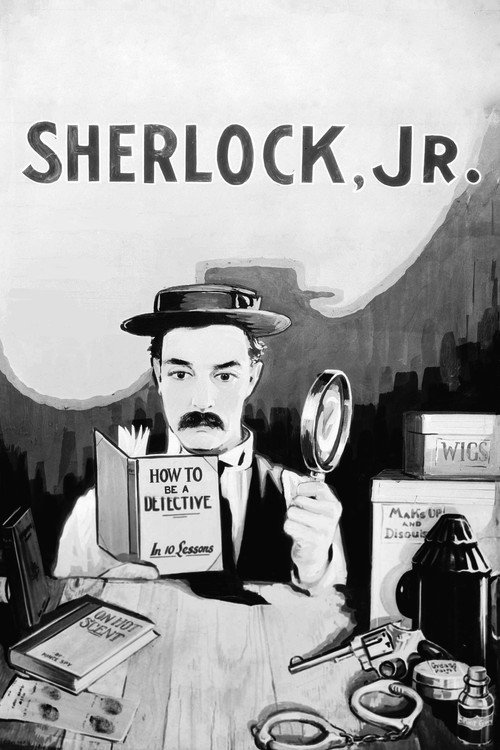
Sherlock Jr.1924
Kovacs treated the TV screen as a plaything the way Keaton treated the film frame — both comedians break the fourth wall to remind you you're watching a machine, not just a story.
Buster Keaton literally climbs into a movie screen, decades before anyone had the tools to make television talk back to itself — silent-era proof that messing with the frame is as old as the medium.
But Silent, black-and-white, and built on physical stunts rather than dialogue — a genuine shift in pace and expectation.
More like this (7)
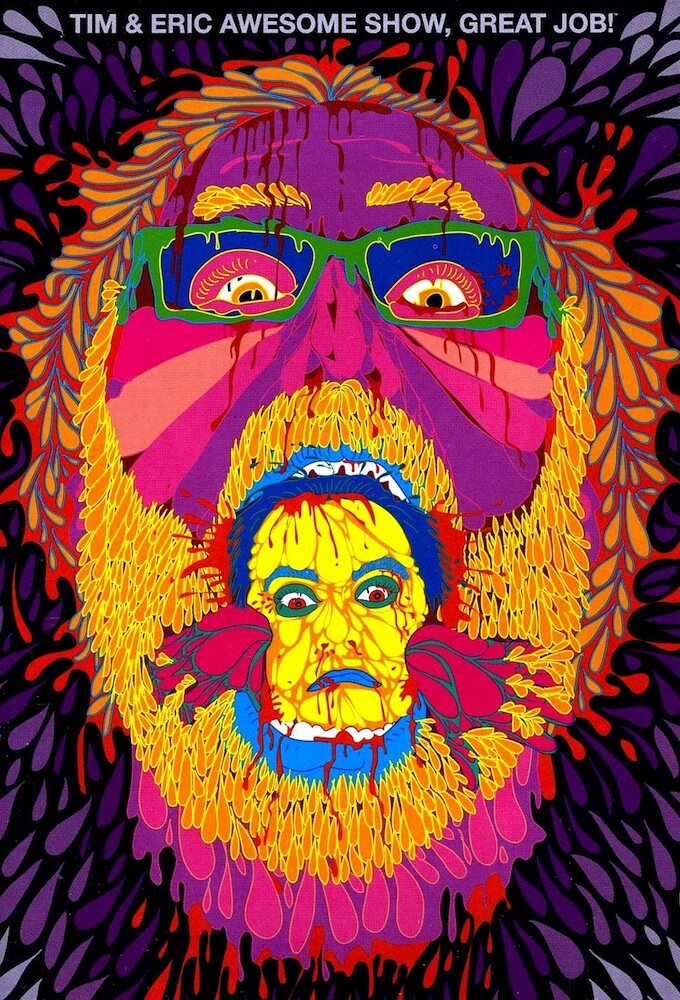
Tim and Eric Awesome Show, Great Job!2007
Pure televisual anarchy — public-access aesthetics, uncomfortable silences, deliberately terrible effects — pushing Kovacs' embrace of TV's own weirdness to gleeful extremes.
But Intentionally ugly and grating; the discomfort is the joke, and not everyone will laugh.
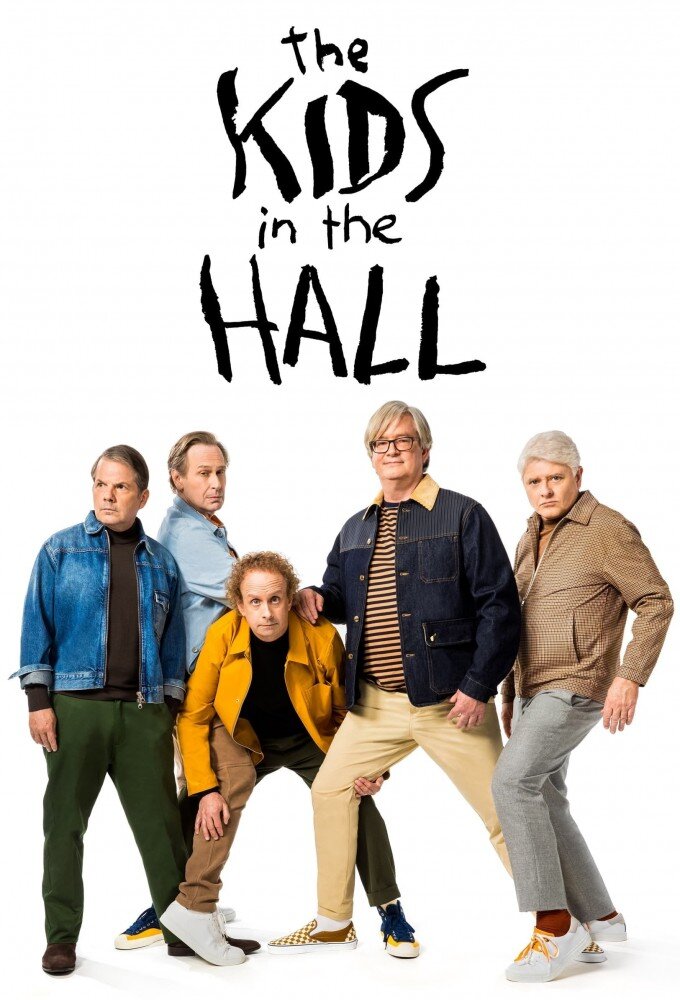
The Kids in the Hall1988
Character-driven sketches swing from dark to whimsical without warning, performed with total conviction — comedy that trusts weirdness over easy setups.
But Some sketches run long and lean more theatrical than laugh-a-minute.
Whose Line Is It Anyway?1998no page yet
Improvised games built entirely on performers' quick wit and the thrill of not knowing what happens next — spontaneity as the whole point, just like Kovacs' live experiments.
But Hit-or-miss by design; some games and rounds land flatter than others.
Saturday Night Live1975
The variety-sketch format Kovacs helped invent, scaled into a live weekly institution still capable of that loose, anything-can-happen energy of early television.
But Decades of episodes are wildly uneven, with quality swinging hard by season.
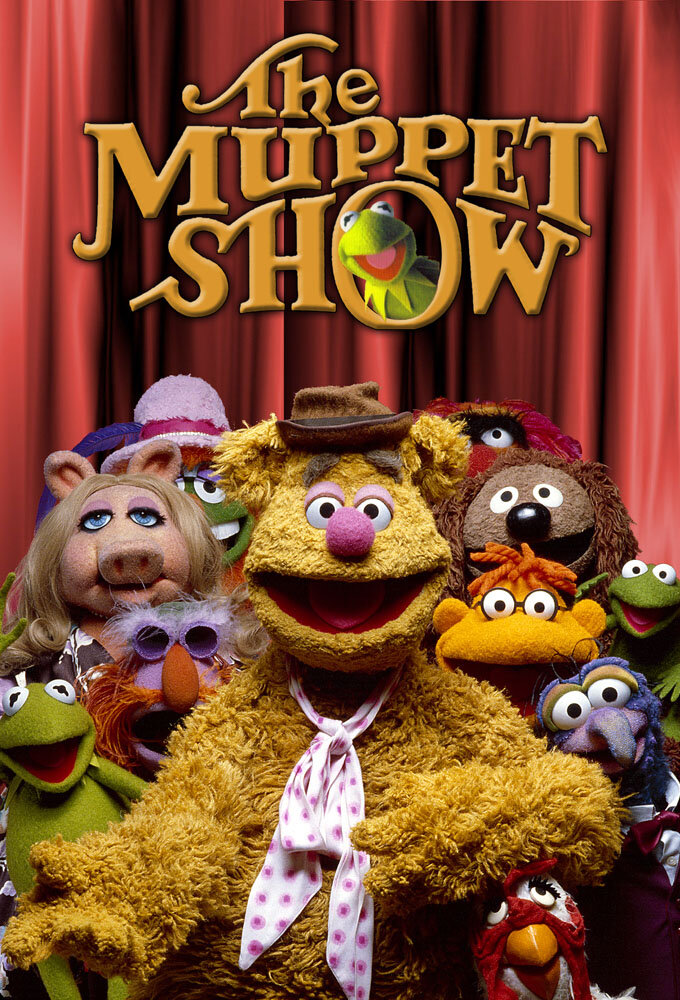
The Muppet Show1976
Genial variety-show chaos with felt and wood instead of actors, sharing Kovacs' fondness for jokes about the broadcast itself falling apart mid-show.
But Gentler and more family-friendly, missing Kovacs' sharper, stranger edges.
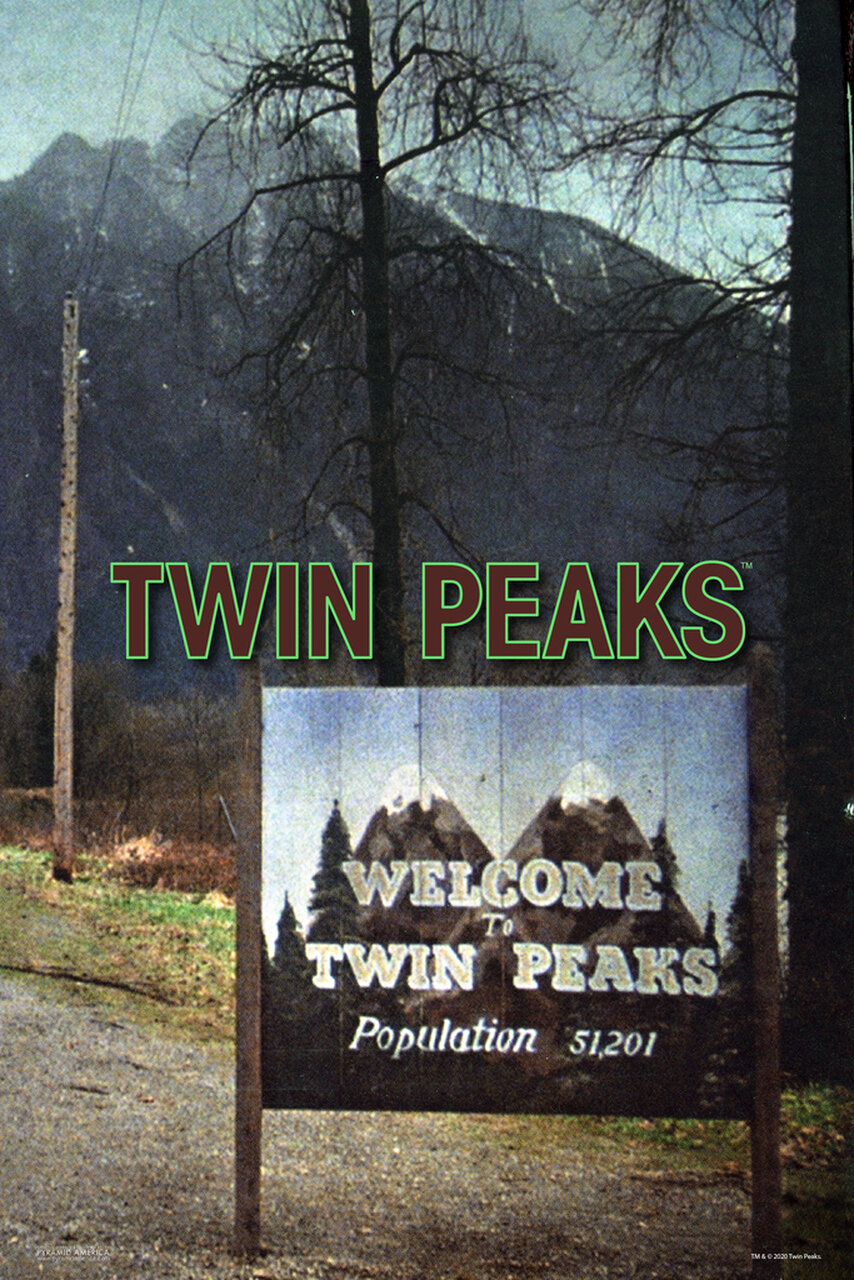
Twin Peaks1990
Lynch has cited Kovacs as an influence; both treat the television set as something strange and slightly haunted, worth interrupting the plot for its own sake.
David Lynch bends network television's grammar into something dreamlike and unsettling — backwards dialogue, wrong-footed pacing, jokes that curdle into dread — surrealism dressed as prime-time drama.
But Slow, cryptic, and genuinely disturbing in places; not the cozy or comic mode you might expect.
Wonder Showzen2005
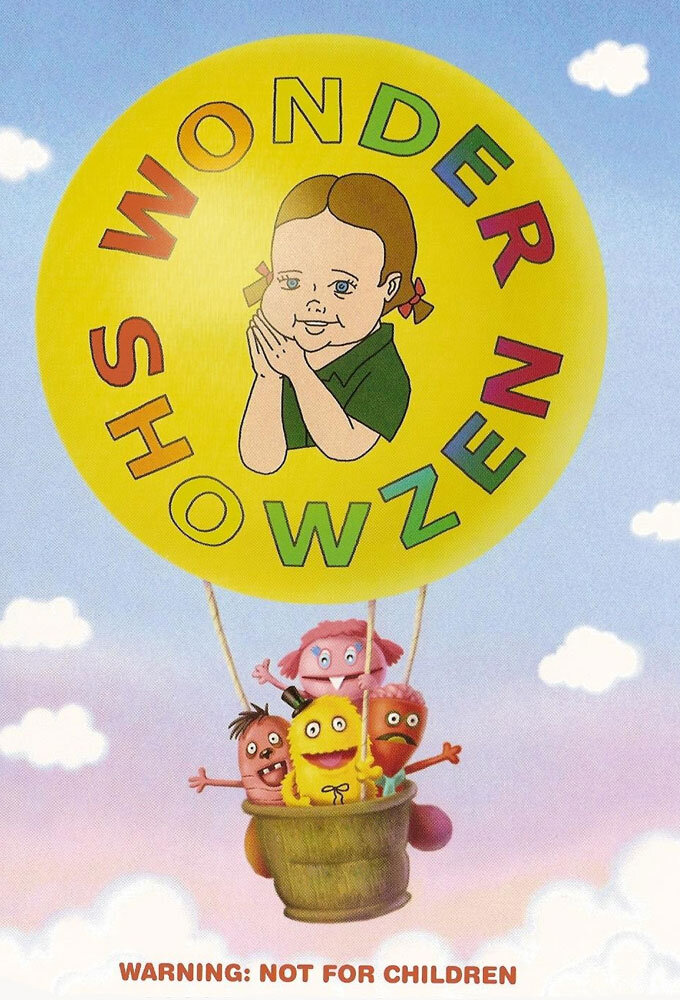
Kovacs disguised experimental comedy as harmless variety television; Wonder Showzen runs the same trick decades later, wearing a kids'-show mask to smuggle in something far darker.
A children's-show format hijacked into vicious, filthy satire — puppets and cheerful jingles delivering commentary that would make a network censor faint. Kovacs' subversive glee, turned up to a trashy extreme.
But Deliberately offensive and crude — this is Kovacs' spirit with none of the gentleness, not for the easily shocked.
Recommended by
Late Night with Conan O'Brien, Conan, Tim and Eric Awesome Show, Great Job!