
Film
The World According to Garp
Robin Williams as a beleaguered writer caught between an infidelious wife and a radically feminist mother whose manifesto becomes a phenomenon. It's tonal whiplash—comedy bleeding into tragedy, domesticity into absurdity—grounded by genuine character work and a refusal to take easy positions. For anyone wanting drama that earns its laughs and keeps you slightly off-balance.
If you liked this
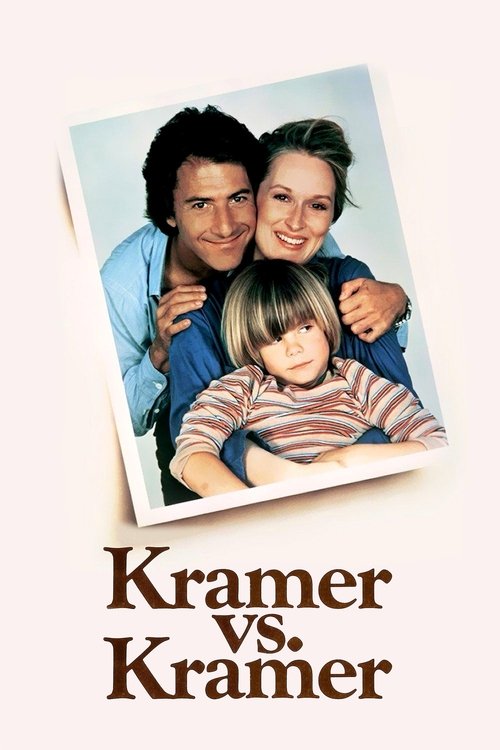
Kramer vs. Kramer1979
Meryl Streep and Dustin Hoffman navigate divorce, custody and identity with devastating intelligence. A film that respects both sides of a painful rupture while never losing sight of the human cost beneath the legal machinery.
But Its earnestness can feel dated now, and some of the gender politics haven't weathered as well as the emotional core. It's also fundamentally domestic in scale, which won't appeal to those wanting spectacle or high stakes.
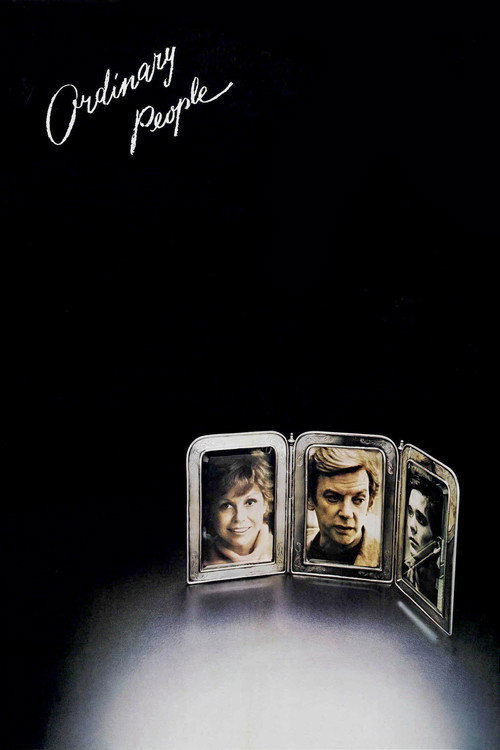
Ordinary People1980
Robert Redford directs a family fracturing after tragedy, with Donald Sutherland and Mary Tyler Moore doing their finest, quietest work. The film trusts silence and recognizes how grief can curdle into resentment.
But It moves slowly and deliberately; there's no plot engine driving you forward, just the pressure of secrets and unsaid things. Some find it emotionally exhausting rather than cathartic.
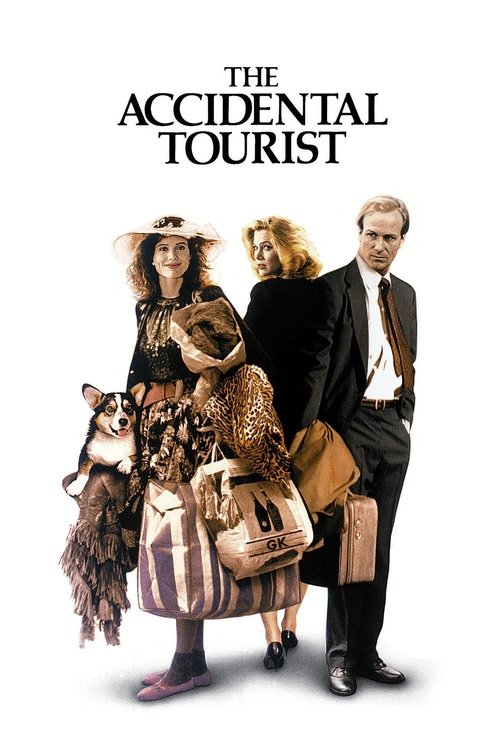
The Accidental Tourist1988
William Hurt as a man so buttoned-up he barely registers as alive, learning to live again through Kathleen Turner's wild, grieving energy. It's funny and heartbreaking in the same breath, about how people actually change each other.
But The pacing is deliberate and the emotional movements are small. If you want plot momentum or clear dramatic arcs, this will feel like watching grass grow.
Not sure tonight? Get a pick in a minute, starting from The World According to Garp
The wildcard
Something you would not have found on your own.
Synecdoche, New York2008
Both collapse the boundary between art and life; both ask whether creation is understanding or evasion.
Charlie Kaufman's only directorial feature: a man (Philip Seymour Hoffman) builds an increasingly elaborate theatrical replica of his life that consumes his actual life. It's structurally wild, existentially nightmarish, and about the impossibility of ever truly knowing anyone—or yourself. The connection: both films collapse the boundary between art and life, and ask whether writing (or performing, or loving) is a way of understanding or a way of hiding.
But It's deliberately opaque and fragmentary; the narrative refuses coherence and rewards multiple viewings over instant clarity. Many find it exhausting rather than illuminating, and it demands a lot from the viewer.

More like this (8)
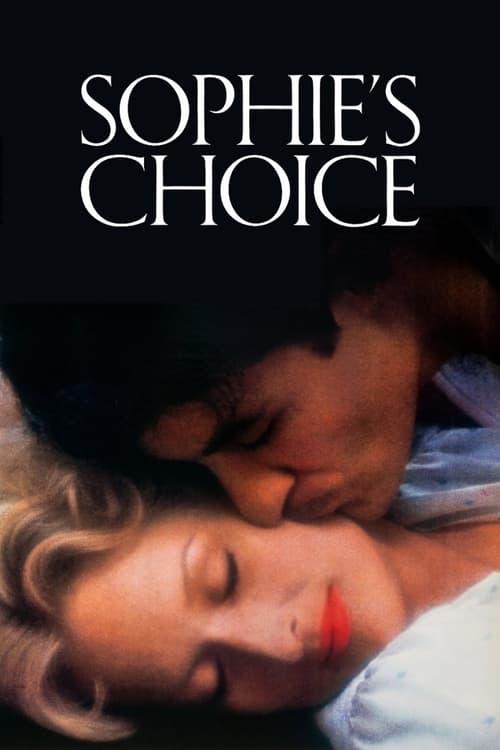
Sophie's Choice1982
Meryl Streep gives perhaps her greatest performance; a film that can hold historical horror and intimate friendship simultaneously without letting either diminish the other. Intellectually ambitious and emotionally devastating.
But The trauma depicted is real and unrelenting. Watching it requires emotional stamina, and it won't leave you feeling uplifted or entertained in any conventional sense.
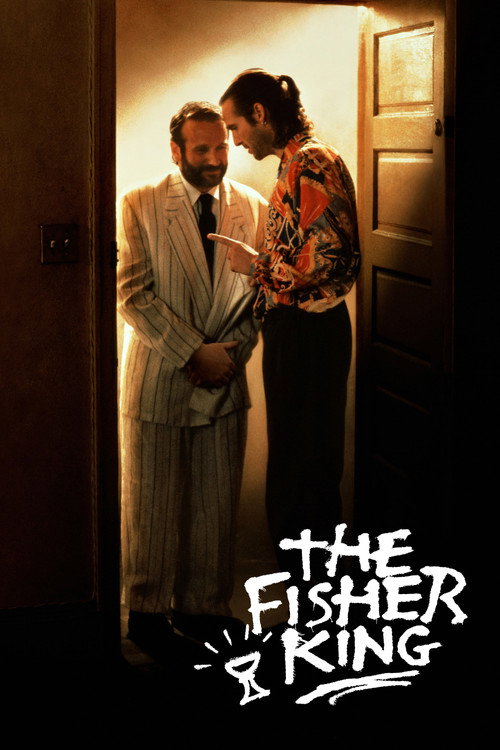
The Fisher King1991
Terry Gilliam directs Jeff Bridges and Robin Williams through New York as pilgrimage, madness and redemption wrapped in urban fairy tale. It's visually wild, narratively strange, and genuinely about what it means to save each other.
But The tonal shifts are jarring—whimsy crashing into tragedy, fantasy colliding with grime. The plot is deliberately fragmented and some find it self-indulgent rather than transcendent.
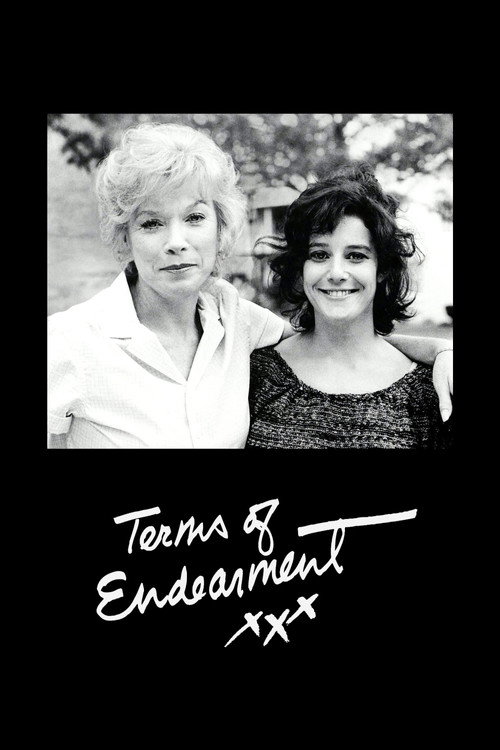
Terms of Endearment1983
James L. Brooks captures a mother-daughter relationship across decades with humor and ache that never feel cheap. Shirley MacLaine and Debra Winger are unguarded in ways that feel almost uncomfortable to watch.
But It swings between broad comedy and serious illness; some find the tonal shifts manipulative. There's also a dated quality to some of the relationship dynamics that can grate.
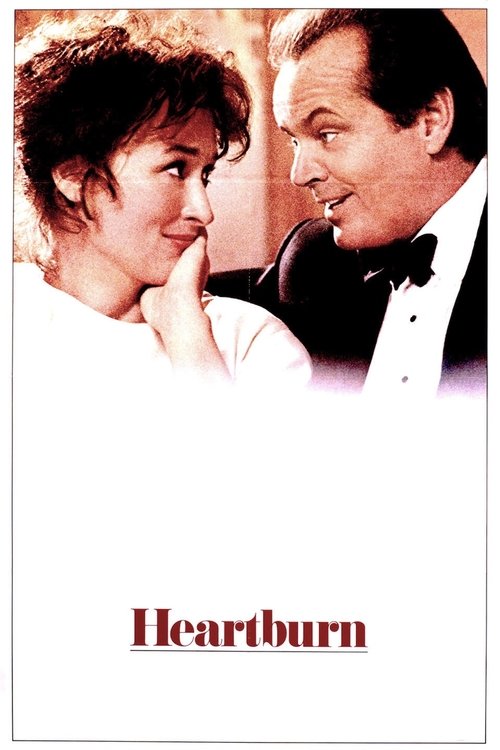
Heartburn1986
Meryl Streep and Jack Nicholson as a married couple imploding, directed by Mike Nichols with bitter observational comedy about infidelity and self-deception. It's smart and genuinely funny in ways many relationship dramas aren't.
But It's cynical about love and commitment in ways that don't leave much room for hope. The resolution is sour, and if you want restoration or growth, look elsewhere.
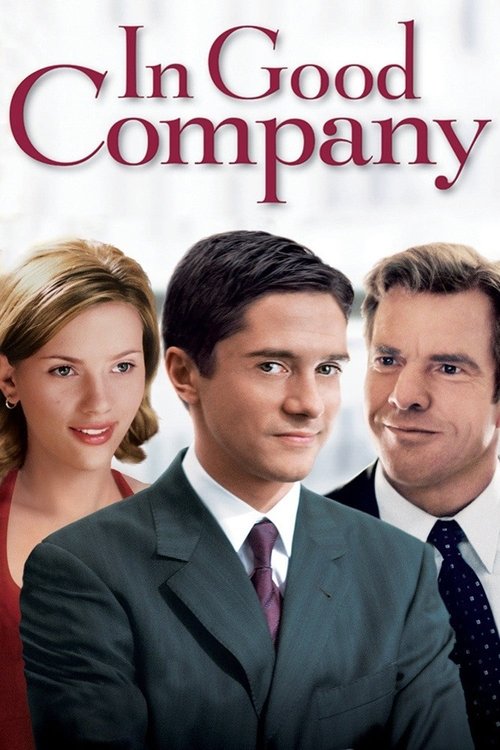
In Good Company2004
Dennis Quaid and Topher Grace work through generational difference and disappointment with surprising depth; a film about work and worth that doesn't pretend these things don't matter. It's warm without being saccharine.
But The romantic subplot feels tacked on and pulls focus from what the film does best. It can feel slight compared to more ambitious character studies.
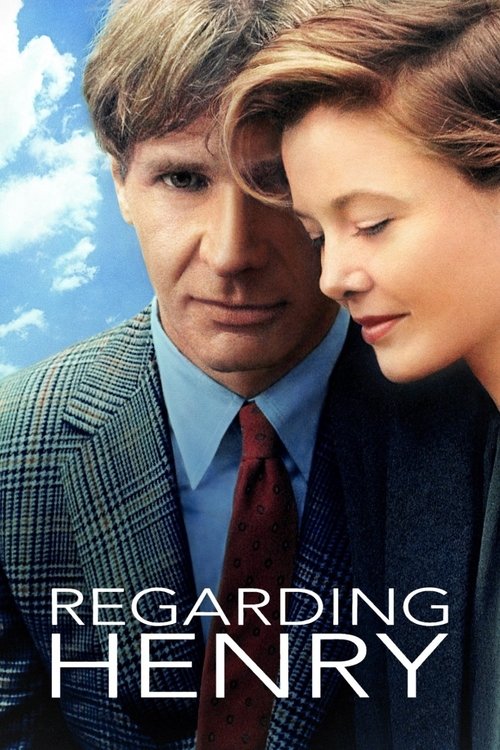
Regarding Henry1991
Harrison Ford learns to live after catastrophic illness; it's sentimental territory handled with restraint and genuine curiosity about how people actually adapt. Annabella Sciorra is particularly strong.
But The inspirational-disability narrative can feel reductive, and the film doesn't interrogate its own sentimentality deeply enough. Some will find it manipulative rather than moving.
The Killing of a Sacred Deer2017
Both find the grotesque buried in family obligation; both are about paralysis beneath the surface of ordinary life.
Yorgos Lanthimos directs Colin Farrell through psychological horror disguised as domestic drama: a surgeon's seemingly perfect life slowly poisoned by a boy with inexplicable power over his family. It's formally precise, deeply unsettling, and about how families are systems that can calcify into paralysis. The connection: both films are about families trapped by obligation and secrecy, and both find the grotesque lurking just beneath the surface of ordinary life.
But It's glacially paced and tonally remote; Lanthimos refuses to give you emotional handles to grab. The violence is psychological rather than kinetic, and the ending may feel austere rather than cathartic.

Tokyo Story1953
Both trust that domestic unhappiness and contradiction are as compelling as dramatic rupture; both love their flawed characters without redemption.
Yasujirō Ozu's masterpiece: elderly parents visit their children in postwar Tokyo, and nothing happens except everything. It's a film about time, aging, disappointment and acceptance made entirely from the small moments of lived life. Ozu photographs rooms and hallways with the care others reserve for faces. The connection: like Garp, it refuses easy sentiment; both films trust that ordinary domestic unhappiness is as real and compelling as any dramatic rupture, and both love their characters despite—or because of—their contradictions.
But It's deliberately static and meditative; there's no propulsive plot and the emotional rewards are subtle to the point of silence. Some will find it a film about nothing rather than a film about everything.

People
Cast
 Robin WilliamsT.S. Garp
 Mary Beth HurtHelen Holm
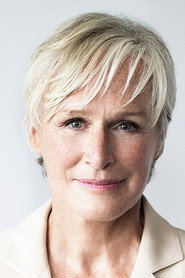 Glenn CloseJenny Fields
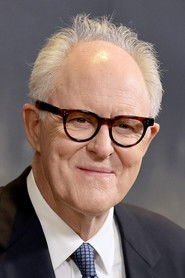 John LithgowRoberta Muldoon
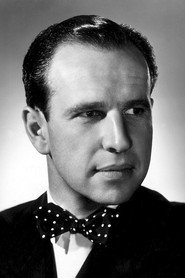 Hume CronynMr. Fields
 Jessica TandyMrs. Fields
 Swoosie KurtzThe Hooker
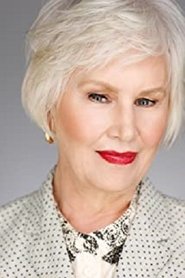 Brenda CurrinPooh
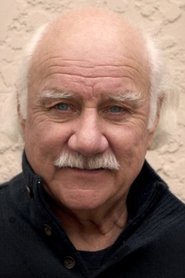 Peter Michael GoetzJohn Wolfe
 Jenny WrightCushie
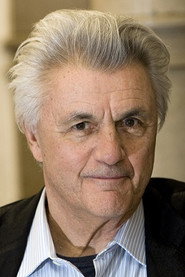 John IrvingReferee
 Amanda PlummerEllen James
Directing
- George Roy HillDirector
Writing
- John IrvingNovel
- Steve TesichScreenplay
Production
- Marion DoughertyCasting
- Patrick KelleyExecutive Producer
- George Roy HillProducer
- Robert Crawford Jr.Producer