
Film
The Way
- Family drama
- Slow-burning
A grieving father walks the Camino de Santiago to understand his estranged son's final journey. It's a film about loss and redemption that moves at the pace of footsteps—meditative rather than urgent, spiritual without preaching. For anyone who's felt stuck and wondered what movement, both literal and emotional, might unlock.
If you liked this
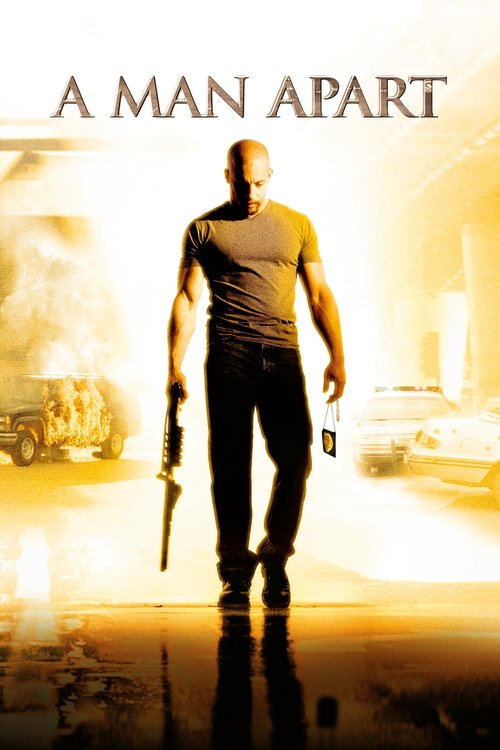
A Man Apart2003
Another Emilio Estevez film about a man stripped of his life, forced to rebuild from rubble. It's grittier and more overtly dramatic, but shares the same engine of personal reckoning through extreme circumstance.
But It's a 2003 action thriller with all the dated rhythms that implies. The tone is harsher and less introspective than The Way.
Wild2014
A woman walks 1,100 miles of trail after personal catastrophe. Like The Way, it's a film about solitude, healing through exhaustion, and meeting strangers who become mirrors for your own journey.
But Reese Witherspoon's solo performance means it's heavier on internal monologue. Some find the constant voiceover intrusive rather than meditative.

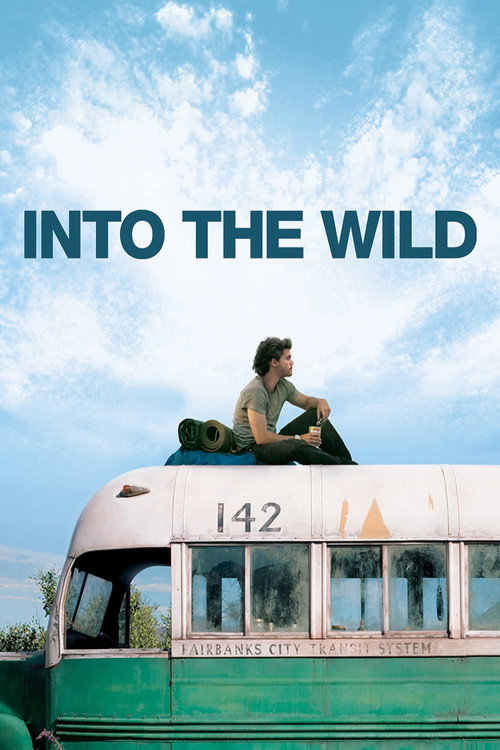
Into the Wild2007
A young man walks away from everything in search of authenticity and meaning. It has the same question at its core: what are we really looking for when we leave everything behind?
But It's bleaker and less forgiving. The ending won't offer you the same kind of comfort or resolution.
Not sure tonight? Get a pick in a minute, starting from The Way
The wildcard
Something you would not have found on your own.
Stalker1979
Both films treat a journey not as a plot device but as a spiritual technology—the walking or traveling itself is the point, and strangers become guides for internal transformation.
Andrei Tarkovsky's masterpiece about three men journeying through a mysterious landscape toward enlightenment. It's a pilgrimage film avant la lettre—slow, metaphysical, about what we seek and whether finding it changes anything. The emotional and structural DNA is pure.
But It's 163 minutes of meditative science fiction with long takes and almost no plot. If you want conventional narrative momentum, you will hate this.

More like this (8)
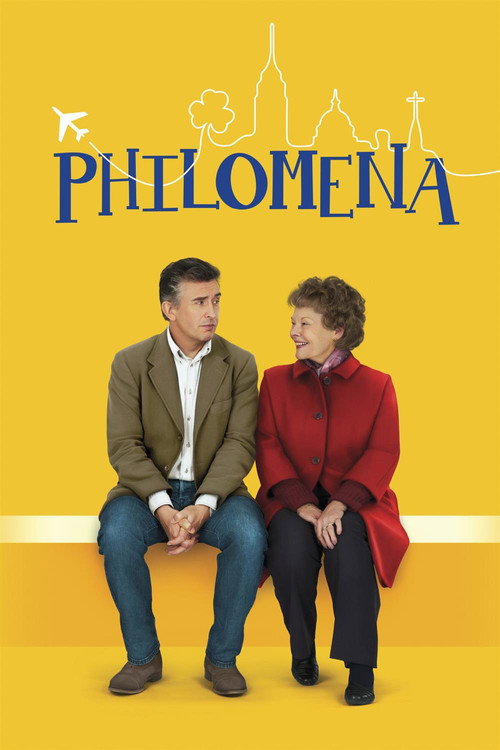
Philomena2013
Two damaged people—a mother and a journalist—travel together trying to solve a mystery of loss. It's lighter in tone than The Way, but shares the structure of a journey that becomes about more than the destination.
But It pivots toward mystery-solving in ways The Way deliberately avoids. Some find the plotting overwrought compared to simpler meditative storytelling.
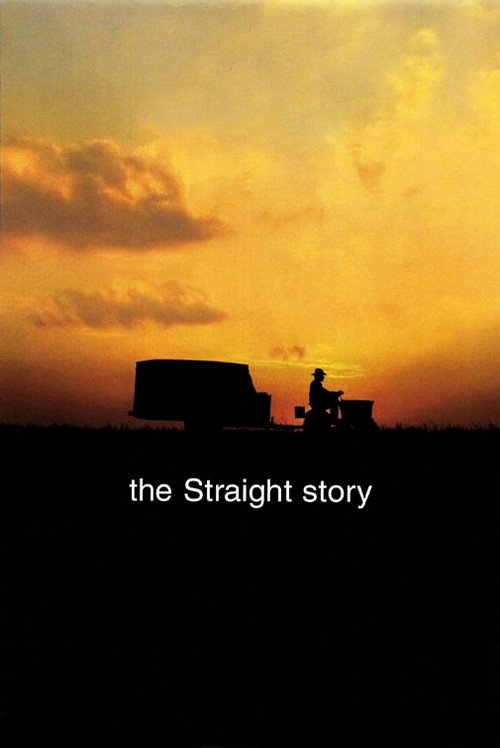
The Straight Story1999
David Lynch's only G-rated film: an elderly man drives a tractor across Iowa to reconcile with his brother. It moves at the speed of its own pace, finding grace in slowness and in the people you meet along the way.
But Genuinely, almost aggressively slow. If you're watching for plot momentum, you will be frustrated for two hours.
BPM (Beats per Minute)2017
A film about grief, community, and how to keep moving when everything hurts. It's about people bound by loss searching for meaning and connection—the same emotional core as The Way, but raw and contemporary.
But It's about AIDS activism in the 1990s and unflinching about death and bodies. Emotionally intense in ways that make The Way feel gentle by comparison.

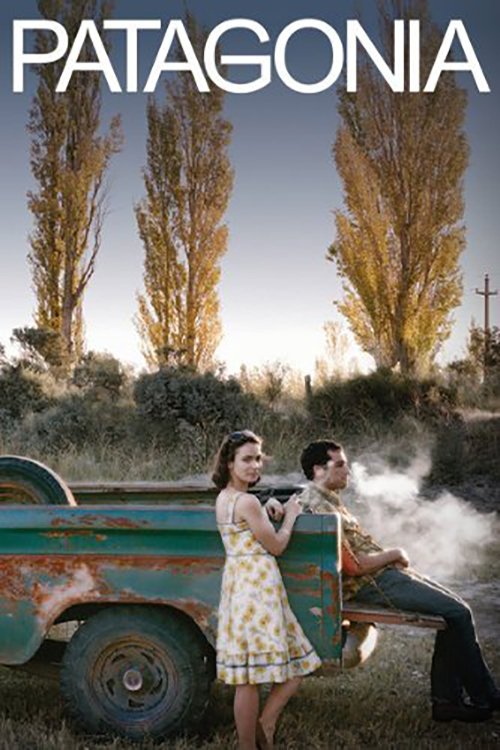
Patagonia2010
A woman travels to South America to scatter her husband's ashes. Another film about using geography to process grief, with the same quiet acceptance of mystery and acceptance.
But It's Argentine, subtitled, and very contemplative. The pacing is even slower than The Way, which will lose some viewers immediately.
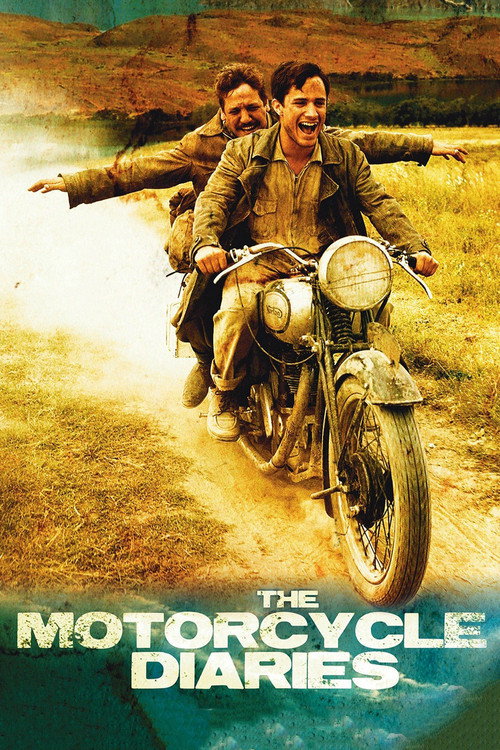
The Motorcycle Diaries2004
Young Ernesto Guevara travels across South America and is transformed by what he witnesses. It's about how a journey changes you, and how meeting people reshapes who you thought you were.
But It's in Spanish with subtitles. More politically engaged than The Way, which might feel didactic if that's not what you're seeking.
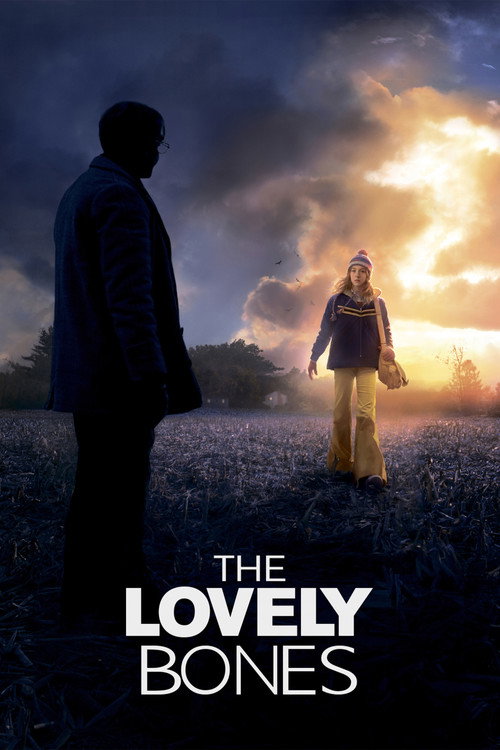
The Lovely Bones2009
A father grieves his murdered daughter and slowly learns to let her go. Peter Jackson's take on grief and acceptance, with supernatural elements, but at its heart it's about a parent trying to understand their child.
But The supernatural framing is divisive. Many found it overwrought and felt it undercut the emotional sincerity of the grief story.
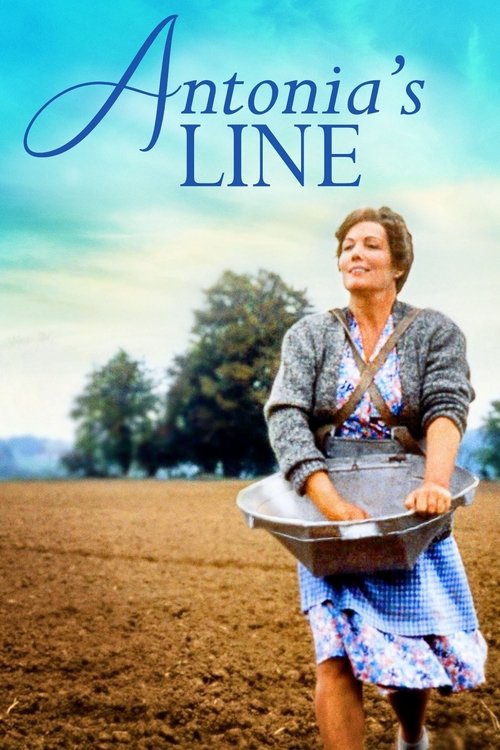
Antonia's Line1995
Both are films about walking through grief by connecting with people around you. Both believe that community and small kindnesses are how we heal, not isolation or grand gestures.
A Dutch woman returns to her village after World War II and builds a life of connection and resilience across generations. It's quietly radical—a film about recovery, chosen family, and moving forward that feels earned rather than sentimental.
But It's gentle to the point of being understated. Nothing explodes. Some viewers find the accumulation of small moments less satisfying than dramatic arcs.
Tokyo Story1953
Both films are about aging parents and estrangement—how we connect across distance, how much we can ever really understand each other, and how we make peace with that limitation.
An elderly couple visits their children in postwar Tokyo. Ozu's masterpiece is about acceptance, the distance between parents and children, and finding grace in ordinary moments. It has the same emotional register as The Way—warm, unsentimental, profoundly human.
But It's 1953 Japanese cinema, completely plot-free. It requires patience with stillness and comfort with ambiguity about whether anything has been 'resolved.'

People
Cast
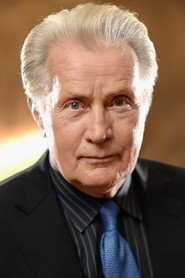 Martin SheenTom
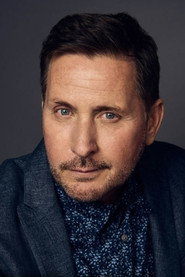 Emilio EstevezDaniel
 Deborah Kara UngerSarah
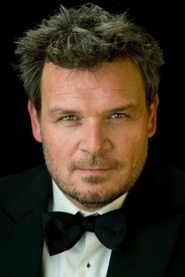
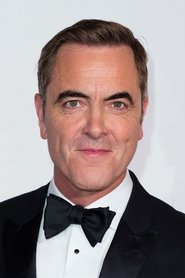 James NesbittJack
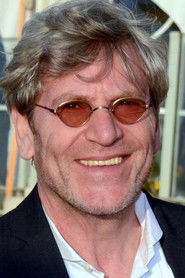 Tchéky KaryoCaptain Henri
 Ángela MolinaAngelica
 Carlos LealJean
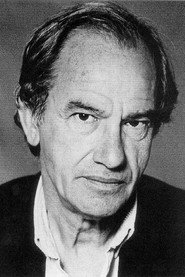 Simón AndreuDon Santiago
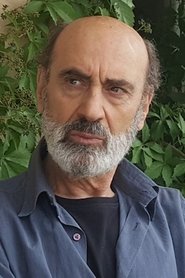 Eusebio LázaroEl Ramón
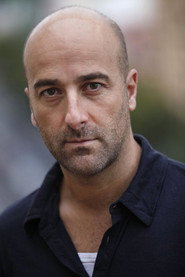 Antonio GilIshmael
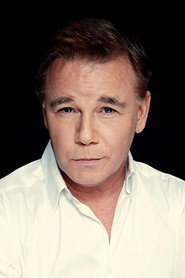 Spencer GarrettPhil
Directing
- Emilio EstevezDirector
- Gloria SorianoScript Supervisor
Writing
- Emilio EstevezScreenplay
- Jack HittWriter
Production
- Johannes BrinkmannAssociate Producer
- Taylor EstevezAssociate Producer
- J.C. CantuCasting
- Mary VernieuCasting
- Lisa NiedenthalCo-Producer
- Alberto MariniExecutive Producer
- Janet SheenExecutive Producer
- John SlossExecutive Producer
- Julio FernándezExecutive Producer
- Ramon Gerard EstevezExecutive Producer
- Stewart TillExecutive Producer
- Trevor DrinkwaterExecutive Producer
- Toni NovellaLine Producer
- David AlexanianProducer
- Emilio EstevezProducer
- Julio FernándezProducer