
Film
You Can See Everything
A three-year documentary following Elizabeth Holmes in the weeks before her prison sentence, granting unprecedented access to one of tech's most infamous fraudsters. Director Lance Oppenheim builds an unsettling portrait of denial, performance, and the machinery of personal mythology. Hypnotic and morally vertiginous—less about the crimes than about the architecture of self-deception.
Should you watch it?
Watch it if you like true-crime-adjacent portraits that blur the line between documentary and staged drama, and you enjoy watching a con artist's self-mythology play out on camera without anyone telling you what to think.
Skip it if you want a tidy, fact-first account of Theranos; this stays close to one woman's self-presentation and its strange, drawn-out atmosphere, and at nearly three hours it lingers.
What it asks of you: Nearly three hours of slow, watchful observation, the mood sliding from intimate to uneasy, with patience counting for more than any prior knowledge of the case.
Not sure? Find tonight's pick in a minute.
If you liked this
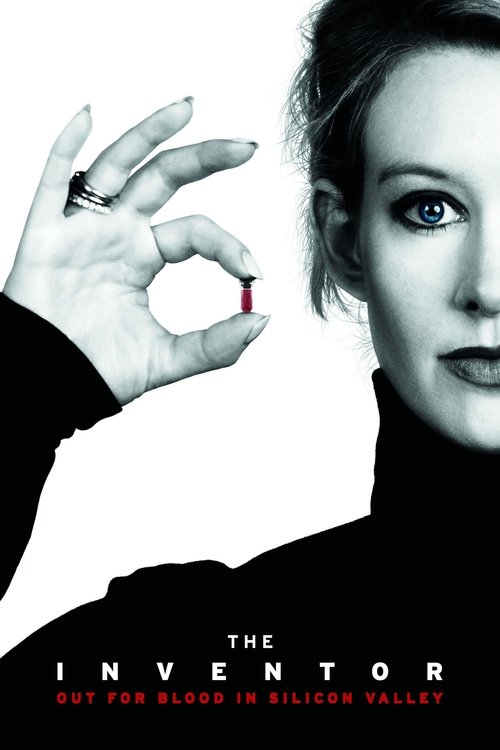
The Inventor: Out for Blood in Silicon Valley2019
HBO's earlier documentary on Holmes establishes the fraud itself with clarity and scope. Essential context that makes Oppenheim's intimate approach land harder—you already know the crime; now watch her face.
But If you've seen it, this one covers partially familiar ground. Some may find the earlier doc's comprehensiveness more satisfying than this psychological deep-dive.
Fyre2019
Similar architecture: charismatic fraudster, documentary crew granted access, the gap between image and reality collapsing in real time. But funnier and somehow more tragic for its sheer pointlessness.
But Lighter in tone and stakes. If you're looking for something as morally disorienting as Holmes, this won't quite get there—it's a con, not a philosophy.

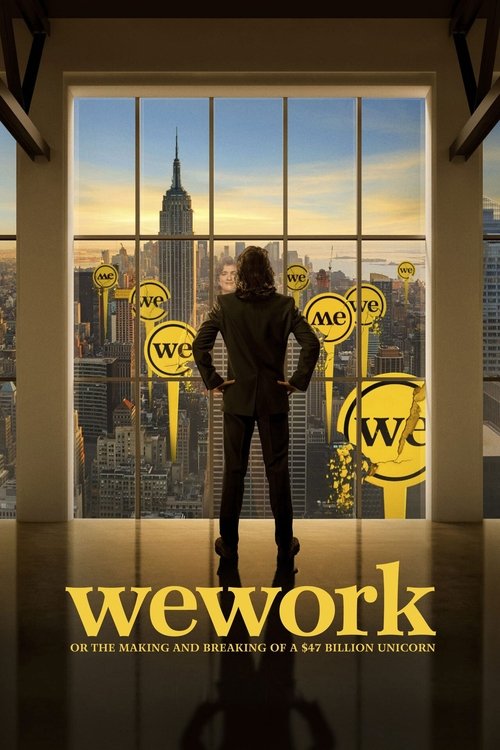
WeWork: or The Making and Breaking of a $47 Billion Unicorn2021
Another Silicon Valley creation myth unraveling via documentary. Examines the same ecosystem of fraud, investor credulity, and charismatic delusion that made Theranos possible.
But Feels more conventional as documentary. Lacks the intimate, almost hallucinatory quality Oppenheim brings to watching Holmes in her own collapse.
Not sure tonight? Get a pick in a minute, starting from You Can See Everything
The wildcard
Something you would not have found on your own.
Synecdoche, New York2008
Both explore the horror of total self-mythology—a person so consumed by their own narrative they can no longer perceive external reality. Both are formally disorienting by design.
Kaufman's masterpiece about a theater director whose life and art collapse into each other—he loses the ability to distinguish reality from performance. Holmes as a character from Kaufman; the film as the logical extreme of her worldview.
But Deliberately fragmented and sometimes impenetrable. Demands active interpretation; some will find it pretentious rather than profound.

More like this (6)
Crazy Ex-Girlfriend2015
A musical comedy about deception and self-narrative. Each episode breaks the fourth wall; the protagonist rewrites her own story constantly. Similar DNA to what Holmes was doing, but as comedy instead of crime.
But Tonal whiplash if you're looking for something dark. It's funny and meta in ways that might feel trivial after Holmes's actual damage.

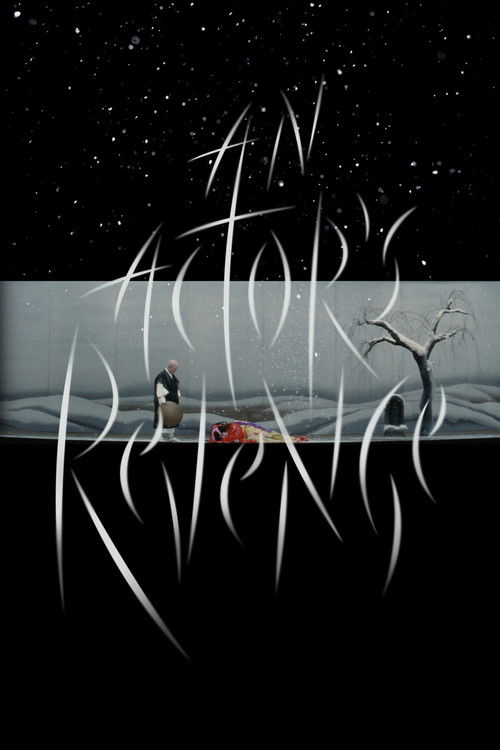
An Actor's Revenge1963
Documentary following another disgraced CEO (Elizabeth Holmes adjacent) in the aftermath. Explores how powerful people rationalize their own mythology even when exposed.
But Slower and more oblique. Doesn't have the access or intimacy that makes *You Can See Everything* compelling.
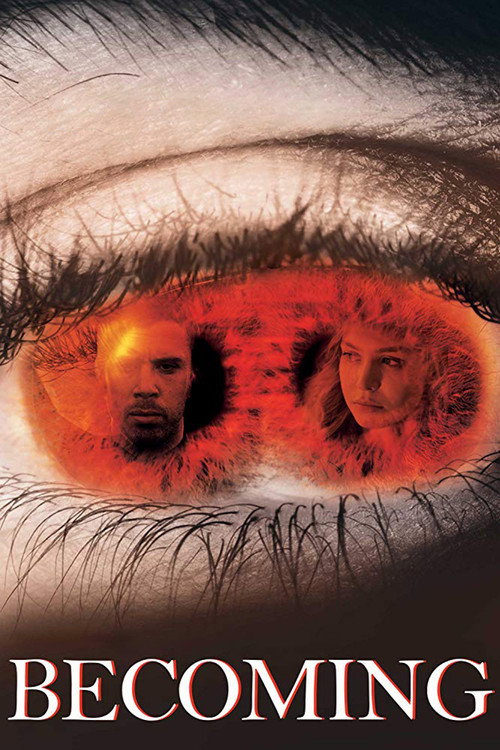
Becoming2020
Michelle Obama's documentary about public persona versus private self. Honest in ways that make Holmes's performance anxiety all the more disturbing by contrast.
But Fundamentally optimistic and resolved. You're watching someone integrate their narrative, not watching it collapse—opposite of what you'll feel after Oppenheim's film.
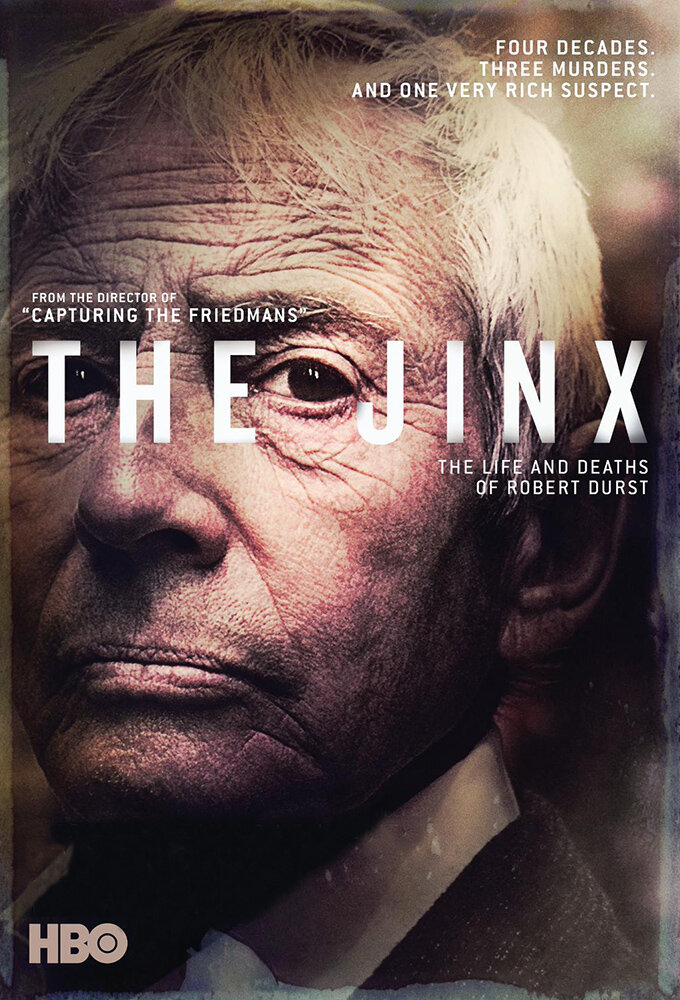
The Jinx: The Life and Deaths of Robert Durst2015
HBO's definitive true-crime series about a man evading accountability. Different scale and genre, but the same fascination with watching a guilty person construct their own mythology.
But Much darker and more violent. If you want something about fraud and delusion specifically, this is overkill.
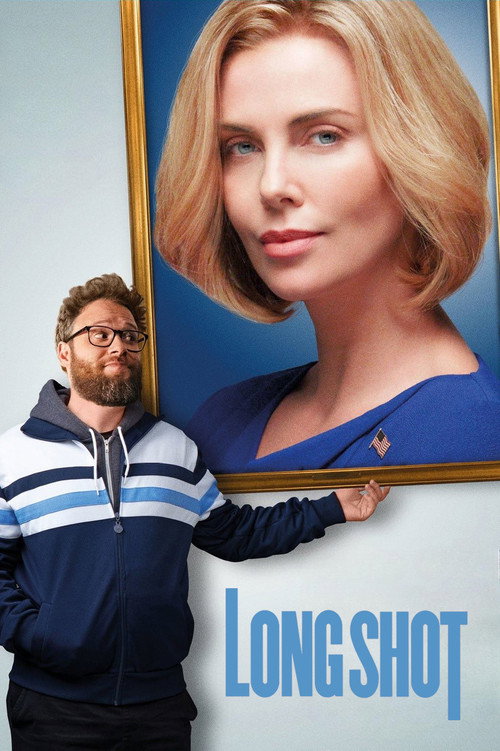
Long Shot2019
A comedy about spin and performance in politics. Lighter than Holmes, but it understands the mechanics of how charisma and narrative override facts.
But Broad comedy. Doesn't have the documentary's unsettling authenticity or the weight that makes watching real fraud so disorienting.
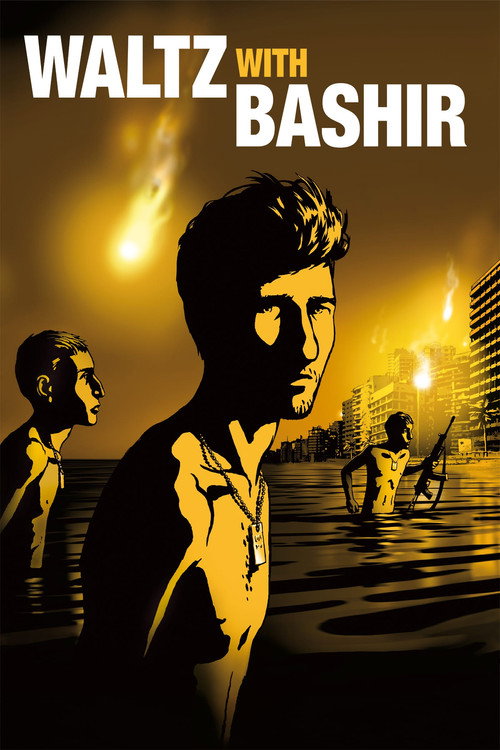
Waltz with Bashir2008
Both use documentary format to interrogate narrative reliability. Both suggest that the act of watching and documenting changes what we're able to see and understand. Both end in ambiguity rather than resolution.
Israeli animated documentary about memory, trauma, and how we construct narratives to make sense of what we've done. A filmmaker interviewing subjects who can't quite remember—or won't. Formal innovation meets moral reckoning.
But Animation about atrocity can feel distancing. The film refuses easy catharsis. Some viewers find the technique inappropriate for the subject matter.
People
Cast
 Elizabeth HolmesSelf
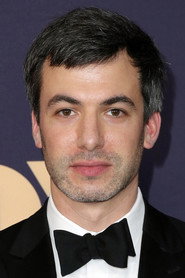 Nathan FielderSelf
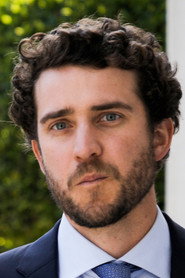 Billy EvansSelf
 Amanda SeyfriedSelf / Elizabeth Holmes
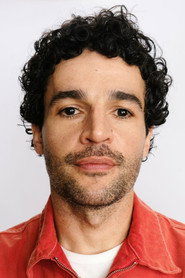 Christopher AbbottSelf / Billy Evans
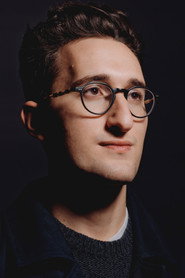 Lance OppenheimSelf
- Noel AnneSelf
Directing
- Lance OppenheimDirector
- Nathan FielderDirector
- Alice JohnsonFirst Assistant Director
Production
- Abby HarriCasting
- Abigail RoweCo-Producer
- Christian VazquezCo-Producer
- David M. ShayneCo-Producer
- Eric NotarnicolaCo-Producer
- Joshua GonzalesExecutive In Charge Of Production
- Emily OsborneExecutive Producer
- Jack DavisProducer
- Lance OppenheimProducer
- Maggie AmbroseProducer
- Nathan FielderProducer
- Tatiana BearsProducer