Television series
Shaka Zulu
A sweeping 1986 docu-drama following Shaka's rise from soldier to king of a unified Zulu nation. Grounded in rigorous historical research yet alive with ritual, mythology, and the texture of early 19th-century life, it's an epic that treats African history with the grandeur typically reserved for European courts. Essential viewing for anyone interested in military strategy, African leadership, or how empires are actually built.
Should you watch it?
Watch it if you want a sprawling, unhurried historical epic where politics, ritual and battlefield tactics are told with patience, and a 1980s production's stiffer edges don't bother you.
Skip it if you need fast pacing or a tight story, since this takes its time over customs, succession and conquest, and its violence is frank enough to weigh heavily.
What it asks of you: Ten parts of nearly an hour each asking for steady, sustained attention, with long stretches of ceremony and dialogue before the action picks up, and a tone that stays sombre.
Not sure? Find tonight's pick in a minute.
If you liked this
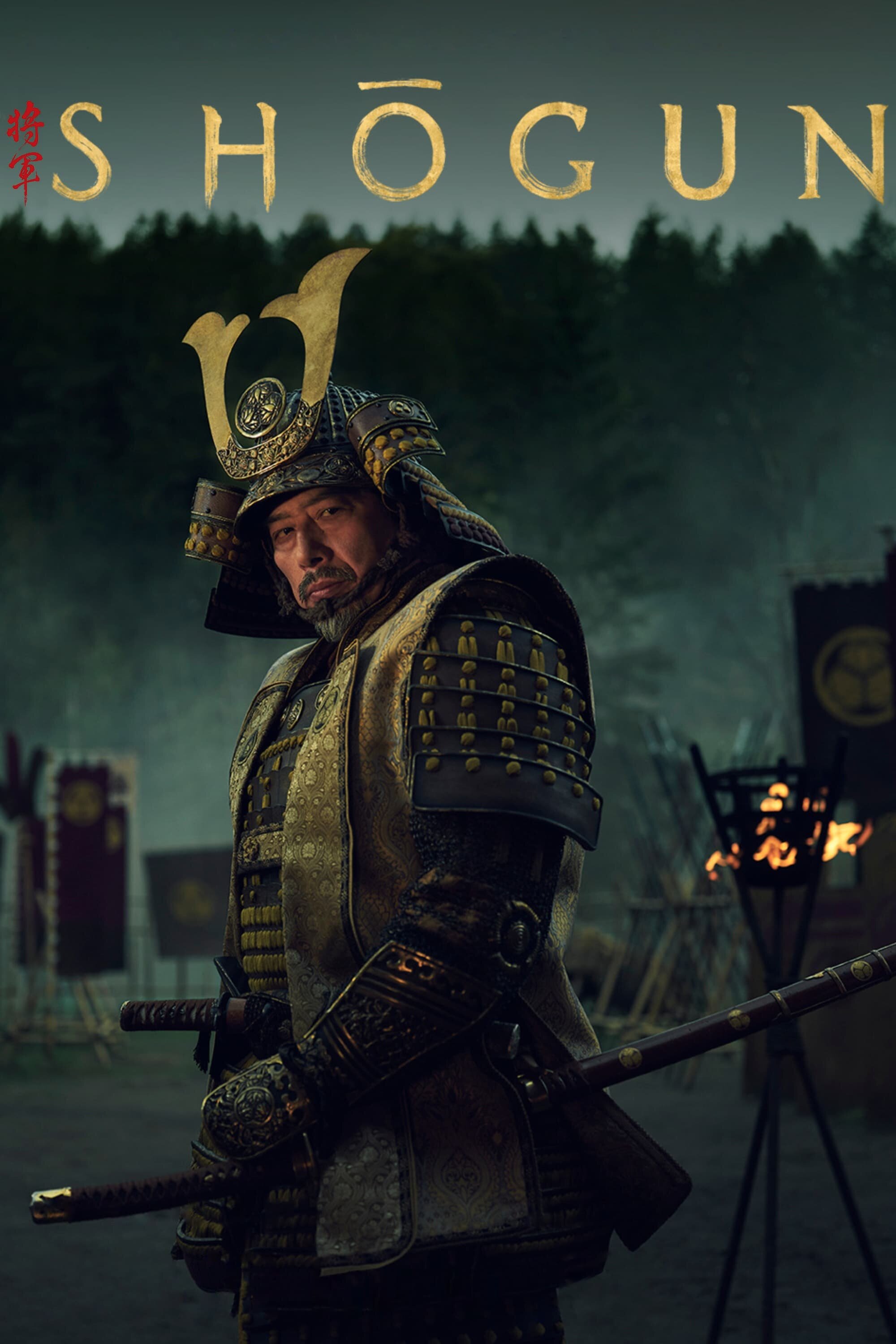
Shōgun2024
A similar epic of cultural collision and strategic ambition, where an outsider witnesses a warrior's rise to power. Expertly paced across ten hours, with the same commitment to historical texture and moral complexity that makes Shaka Zulu so gripping.
But The 1980 production values are dated, and it privileges the white protagonist's perspective in ways that can feel claustrophobic after watching Shaka center an African leader with full dignity.
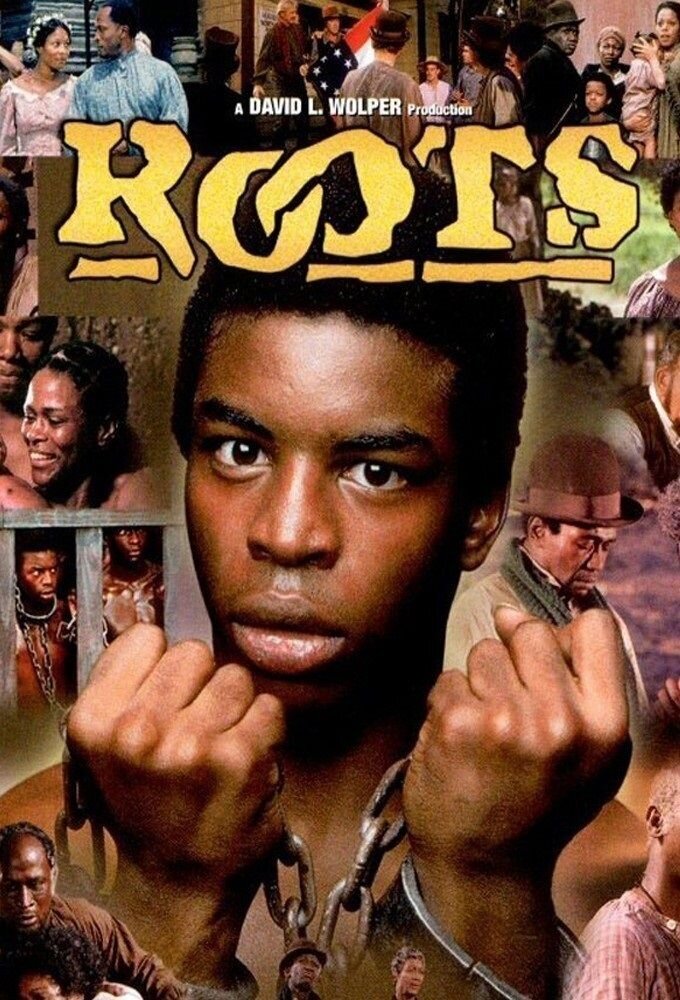
Roots1977
A foundational miniseries that expanded television's capacity to tell African and African-diaspora history with seriousness and scope. Both span generations and refuse to simplify their subjects into heroes or villains.
But Roots focuses on enslavement and dispossession rather than power-building, so the emotional register is devastation rather than ambition. Some segments feel didactic by modern standards.
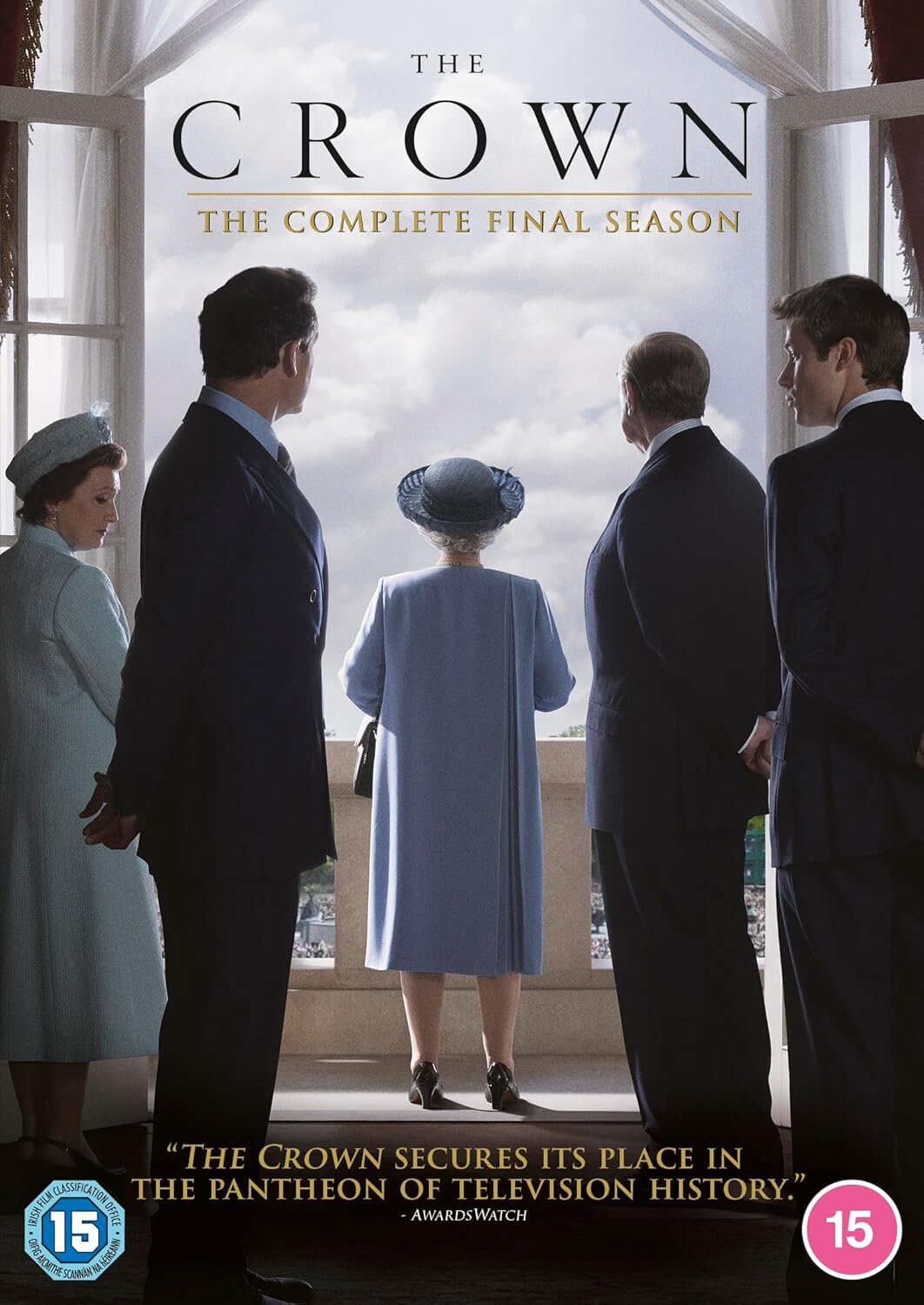
The Crown2016
If you want another character study of a leader balancing personal conviction with the machinery of power and court politics. Equally committed to showing how institutions work from the inside, though in a very different context.
But It's relentlessly focused on one person's interior life and modern monarchical protocol, whereas Shaka Zulu is broader and more interested in warfare, ritual, and cultural transformation.
Not sure tonight? Get a pick in a minute, starting from Shaka Zulu
The wildcard
Something you would not have found on your own.
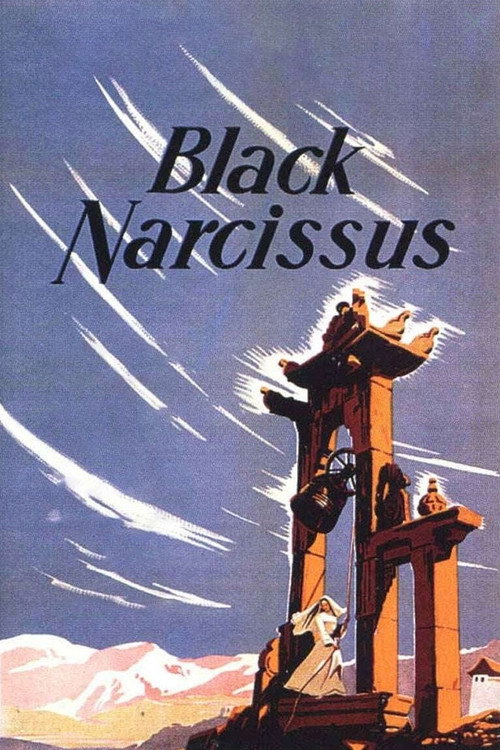
Black Narcissus1947
Both use a specific place—South Africa, the Himalayas—as a character itself, and both suggest that colonialism and power aren't simple moral equations but tragic collisions between different ways of seeing the world.
A visually intoxicating film about the collision between outsiders and a landscape they don't understand, told through color and atmosphere rather than exposition. Like Shaka Zulu, it's fascinated by how power, desire, and environment shape human behavior, but it approaches the question through myth and psychology instead of history.
But It's abstract, dreamlike, and emotionally indirect. If you're watching for plot momentum and historical facts, the film's surrealism and focus on interior states will feel oblique and slow.
More like this (8)
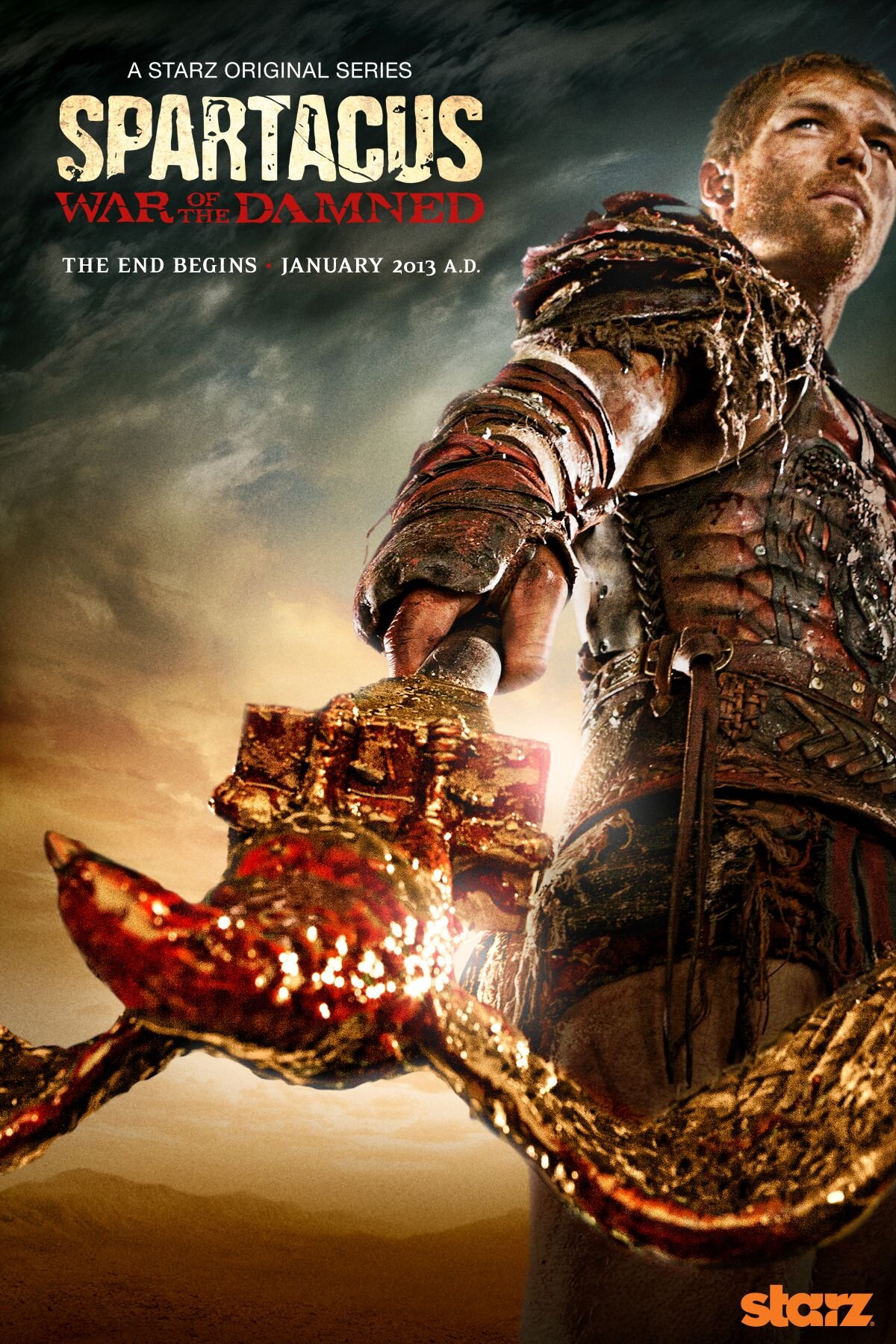
Spartacus2010
A warrior's meteoric rise against overwhelming odds, told with visceral intensity and genuine investment in the leader's vision and strategy. The scheming, the betrayals, the recruitment of followers—all fundamentally similar.
But It's designed as lurid entertainment—heavy on gore, sex, and camp—whereas Shaka Zulu aspires to historical truth and has a completely different pace and seriousness.
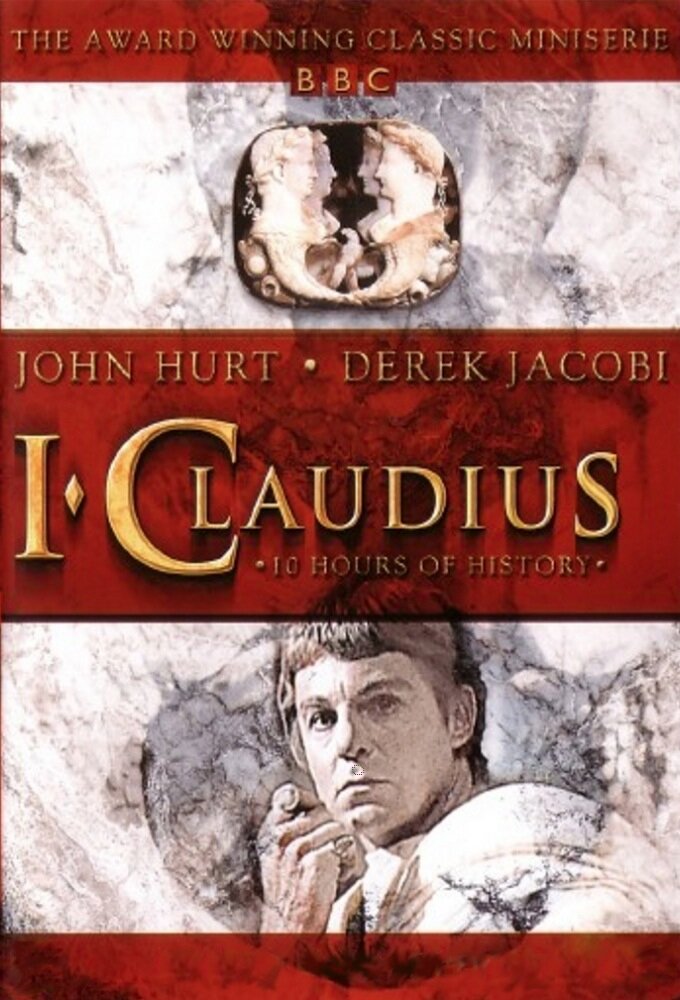
I, Claudius1976
A masterclass in palace intrigue and the cost of absolute power, told with wit and theatrical flair. Like Shaka Zulu, it understands that empire-building is as much about reading people as moving armies.
But The focus is on decline and cynicism rather than ascent and vision. It's also deeply English in sensibility, where Shaka Zulu is rooted in Zulu culture and African geography.
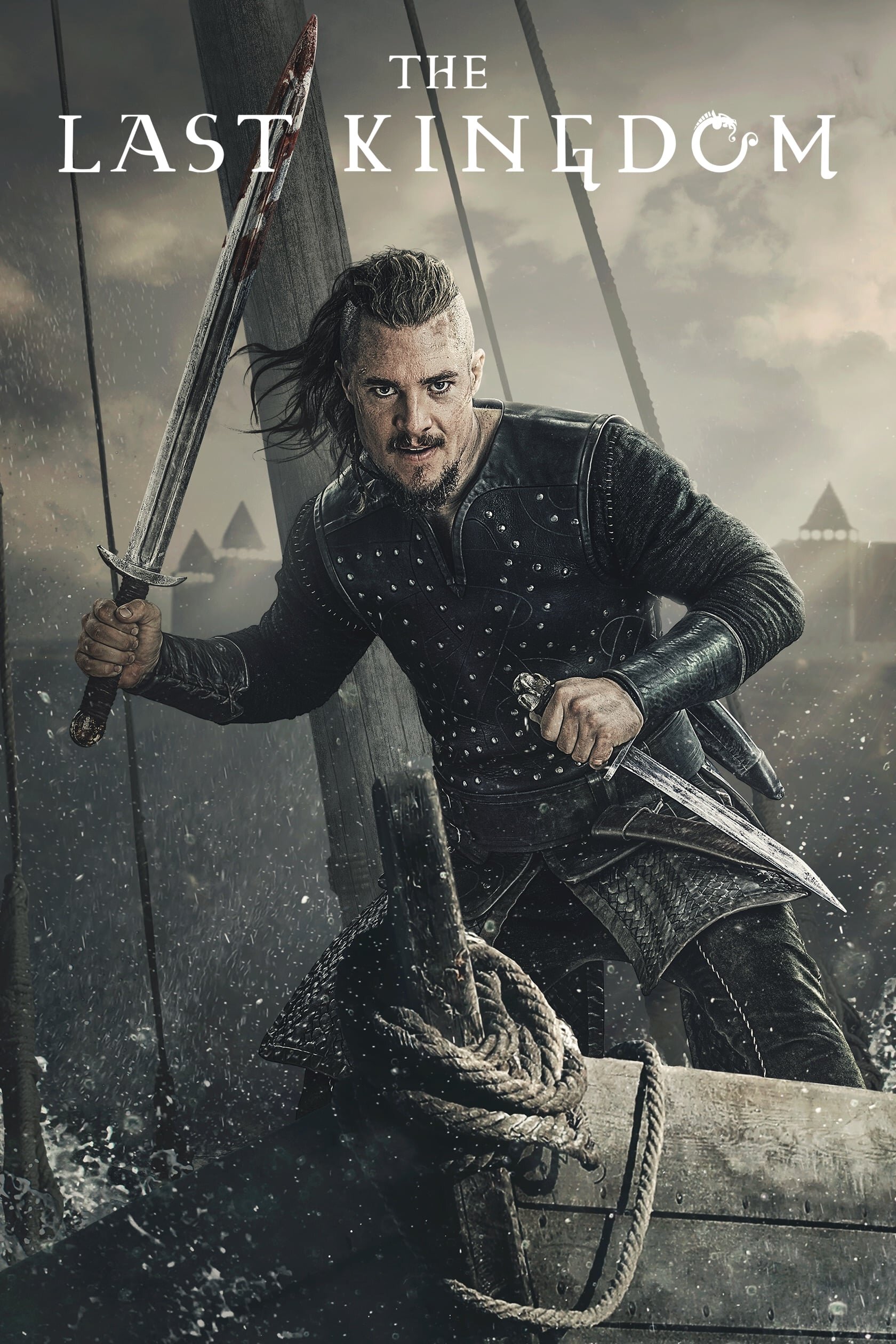
The Last Kingdom2015
Another series about military unification across tribal lands, cultural collision, and the personal costs of building a nation. It shares Shaka Zulu's attention to warfare as both strategy and bloodshed.
But It's fundamentally a fantasy-adjacent adventure series with a lighter tone and modern action-show pacing. It doesn't have the historical gravitas or anthropological depth of Shaka Zulu.
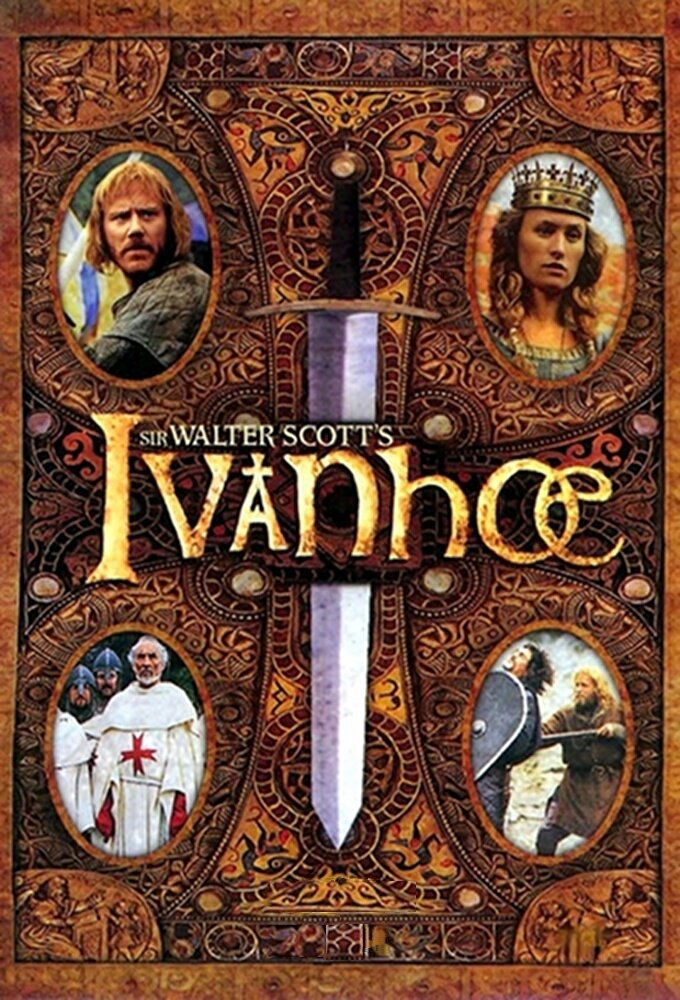
Ivanhoe1997
A historical drama miniseries with the same 1980s production quality and commitment to period detail. It captures that specific era of television where spectacle and earnestness weren't at odds.
But Medieval England is a much more familiar setting, and the story is more conventional adventure than political and military innovation. It lacks the cultural and historical weight that makes Shaka Zulu distinctive.
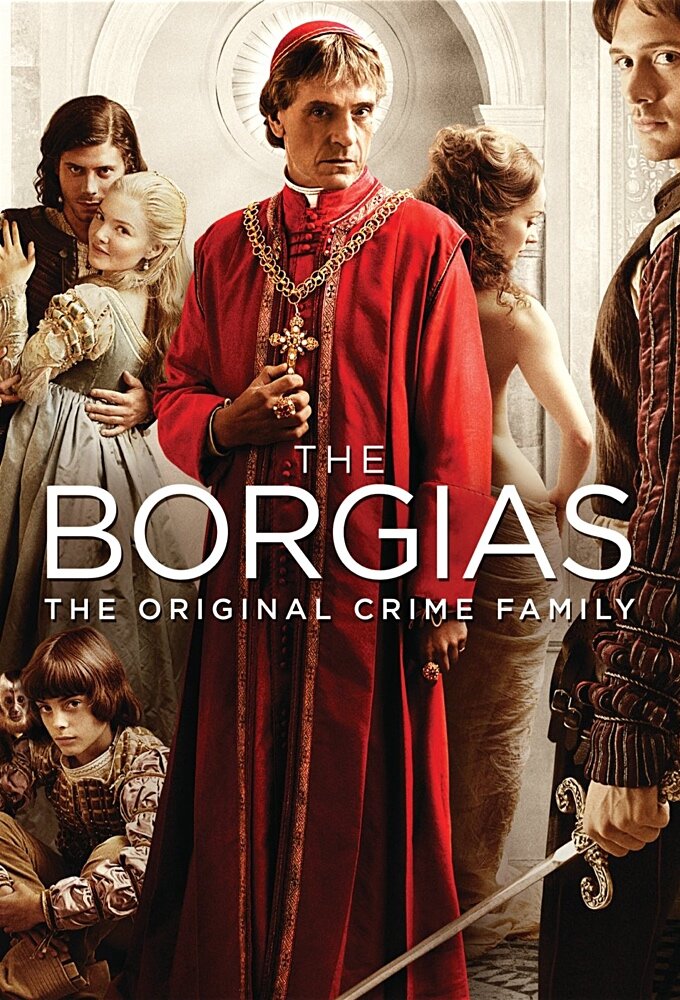
The Borgias2011
A family dynasty accumulating power through strategy, betrayal, and ruthlessness. It's interested in the same questions: how do leaders justify violence, and what does ambition cost the people around them?
But It's pulpier and more Gothic than Shaka Zulu, with less historical rigor. The focus on scheming and corruption can feel repetitive over a season.
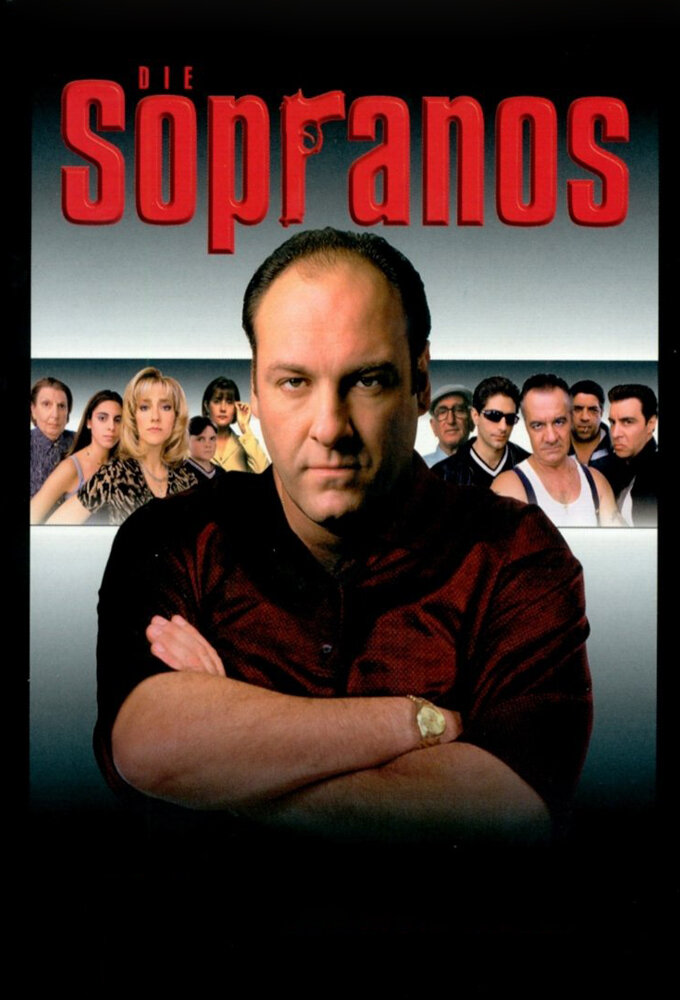
The Sopranos1999
A leader building and maintaining power through a mixture of charisma, intelligence, and violence, constantly navigating loyalty and betrayal. The structural parallels are stronger than they first appear.
But It's a modern crime drama with a completely different aesthetic and moral framework. If you're seeking historical epic, this will feel like a tonal whiplash.
Kes1970
Both are about a figure—whether a king or a child—finding their power through understanding and commanding something others dismiss. Both refuse sentimentality about their protagonist's methods or costs.
A lean, unsentimental film about a young person finding mastery and power through connection with something wild. It's about the same hunger for dignity and control that drives Shaka, but in miniature, in a working-class English town. Shot with documentary precision and emotional restraint.
But It's intimate and small where Shaka Zulu is epic and vast. There's no spectacle, no army, no throne—just a boy and a hawk. If you need grandeur and historical sweep, this will feel almost aggressively modest.

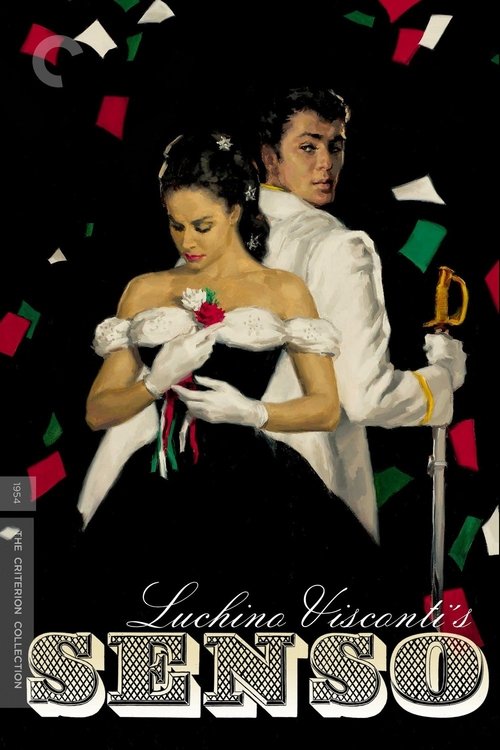
Senso1954
Both recognize that empire is built and maintained by real people with desires, fears, and contradictions, not just military strategy. Both use lavish visual language to suggest that power corrupts even—or especially—those who think they're in control.
A gorgeous, baroque Italian drama about power, passion, and the machinery of empire during the Austro-Hungarian occupation of Venice. It's historical epic as emotional catastrophe, where personal desire and political ambition collide. Visconti's direction is baroque and sensuous in ways that make you feel the weight of history in silk and marble.
But It's in Italian with subtitles, and the emotional register is romantic melodrama rather than historical documentation. The pace is contemplative, and it's interested in surfaces and feeling over facts and chronology.