
Film
Camila
A 1984 Argentine film about a nobleman's daughter and a Jesuit priest who fall in love in 1847 Buenos Aires, defying family and Church. Visually sumptuous, emotionally restrained, it moves with the inevitability of tragedy. For viewers who prize period drama with moral weight and aren't looking for resolution or comfort.
If you liked this
The Remains of the Day1993
Restrained passion beneath formal surfaces, a relationship defined by what cannot be spoken. Anthony Hopkins and Emma Thompson convey love through longing glances and careful distance—the same register as Camila.
But Glacially paced. If you need plot momentum or emotional catharsis, this will feel like watching paint dry.

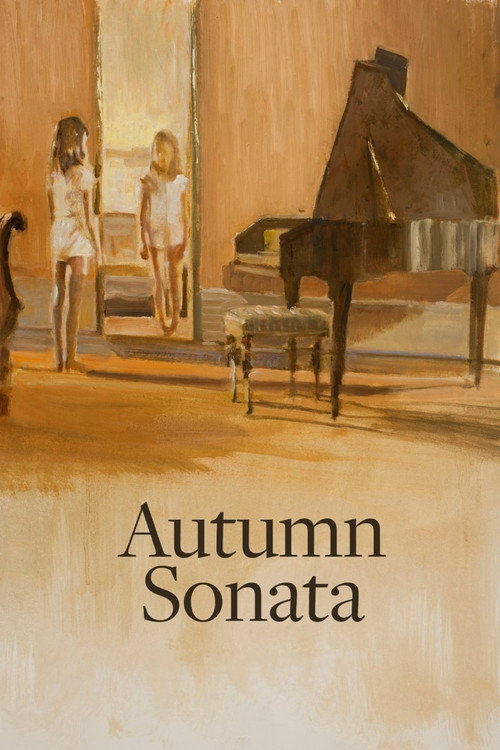
Autumn Sonata1978
Bergman's study of a woman trapped between duty and desire, family obligation and personal need. Chamber drama with the same emotional claustrophobia and no easy answers.
But Deliberately bleak and introspective. Lengthy silences. Ingrid Bergman's performance is magnificent but punishing to watch.
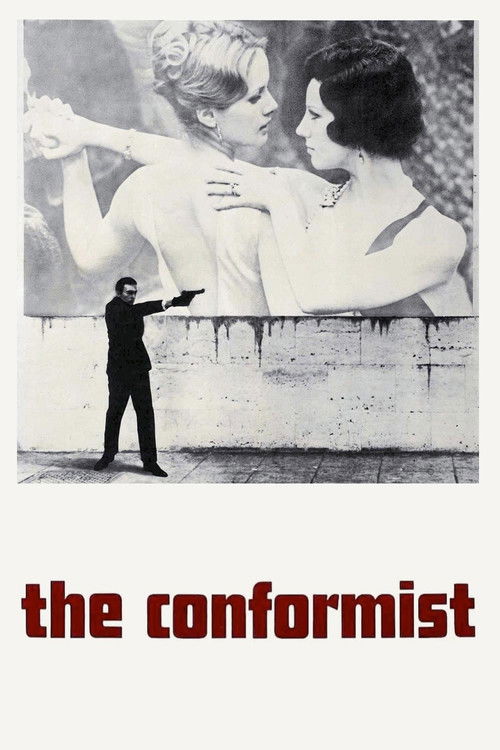
The Conformist1971
Visconti's painterly approach to 1930s Italy—every frame a composition. A man caught between competing loyalties, society and self. The visual language echoes Camila's lush, doomed aesthetic.
But Italian neorealist cinema moves at its own pace. Plot takes a back seat to atmosphere and moral ambiguity.
Not sure tonight? Get a pick in a minute, starting from Camila
The wildcard
Something you would not have found on your own.
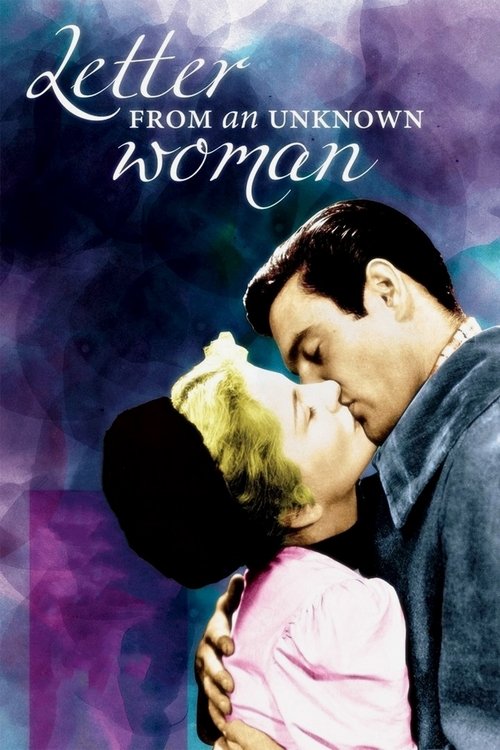
Letter from an Unknown Woman1948
Both films are structured around the inevitable unfolding of a love that cannot survive its context. Both use visual composition to convey what cannot be spoken. Both end with a kind of resignation that functions as grace.
Ophüls' masterpiece about a woman's lifelong unrequited love, told as a letter read after death. Like Camila, it's about desire that cannot be consummated, beauty composed by someone who knows it will destroy them. The spiritual ancestor.
But Black-and-white Hollywood melodrama with a reputation for sentimentality. The style feels distant—you must let its formality become emotional.
More like this (8)
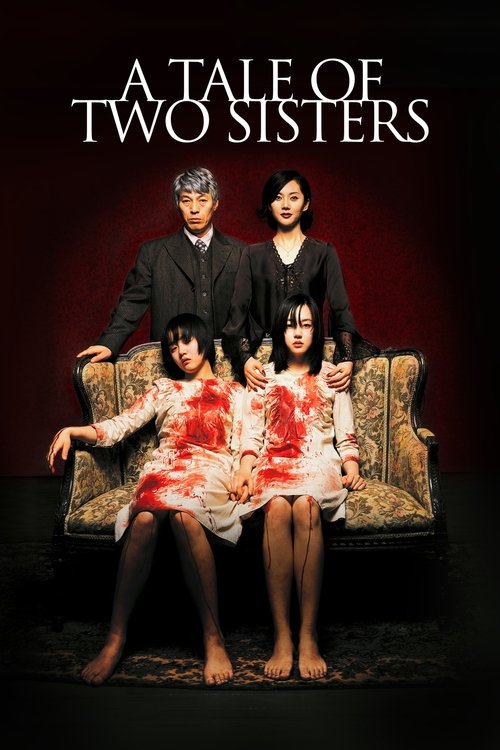
A Tale of Two Sisters2003
A story of duty, family loyalty, and the cost of obedience. Gothic and formally composed, it builds dread through repression rather than spectacle. Similar moral weight beneath surface elegance.
But The second half pivots into psychological horror. If you want pure period romance, the tonal shift will feel jarring.
The Leopard1963
Visconti's masterpiece about the old order dying. Handsomely mounted, deeply melancholic. Aristocratic families, historical change, love crushed by inevitability—Camila's exact thematic DNA.
But Nearly three hours. The pacing is glacial. Without patience for 1960s art cinema, this becomes a test of endurance.

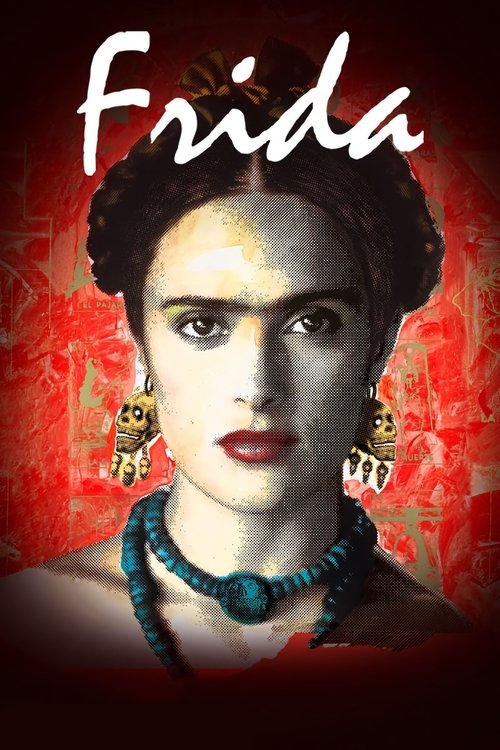
Frida2002
Another Latin American period drama centred on a woman's passion and defiance. Visually vibrant, emotionally generous. Julie Taymor brings colour and movement where Camila is restrained.
But More conventional biopic structure. Taymor's maximalism is the inverse of Camila's restraint, which may feel lightweight by comparison.
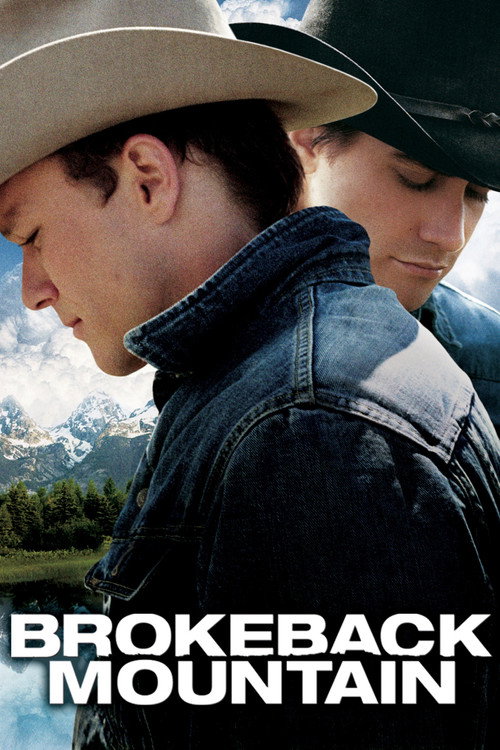
Brokeback Mountain2005
Two men whose love is forbidden by society and circumstance. Achingly tender, beautifully shot landscapes. The quiet devastation of desire that cannot be lived openly mirrors Camila's tragedy.
But The emotional stakes are different—this is about contemporary American repression, not 19th-century religious law. Different context, similar heartbreak.
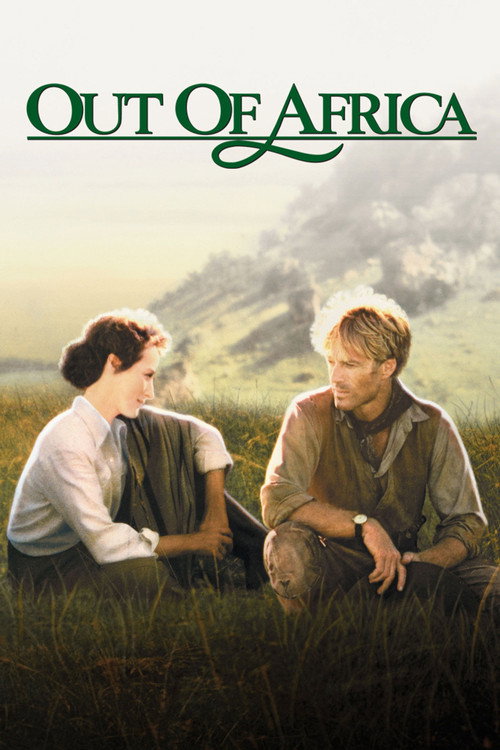
Out of Africa1985
Epic romance across a colonised landscape. Meryl Streep and Robert Redford embody duty and desire. Gorgeously shot, deeply romantic, with the same bittersweet sense of time and change.
But Sweeping Hollywood drama rather than intimate character study. The scale and romanticism may feel safer than Camila's austere approach.
Мастер и Маргарита2005
Soviet adaptation of Bulgakov's novel about love persisting amid impossible circumstances. Lush, fantastical, politically charged. A different register but the same exploration of individual desire versus state power.
But Surrealist elements clash with realism. If you want historical verisimilitude throughout, the magical machinery will distract from the love story.

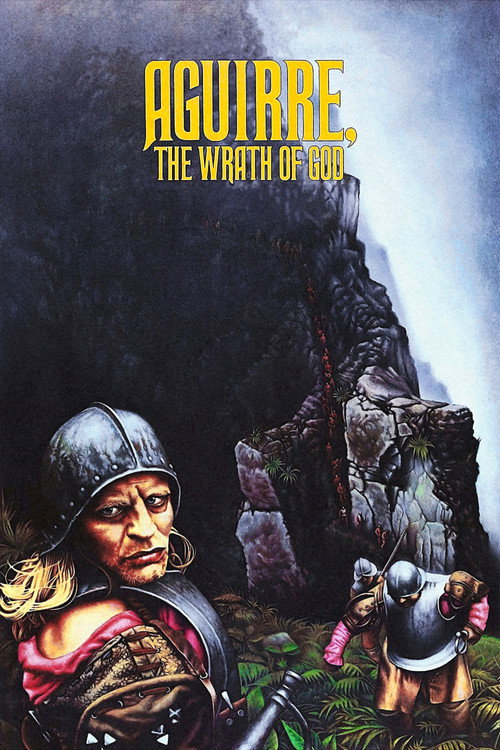
Aguirre, the Wrath of God1972
Both are films about desire (for conquest, for love) pursued despite—or because of—their inevitable destruction. Both use landscape as a character. Both are South American stories told with unflinching moral weight by filmmakers uninterested in comfort.
Herzog's obsessive exploration of a man caught between individual will and historical fate, set in a colonised landscape. Shot in a country Herzog was forbidden from entering. Visually overwhelming, philosophically complex, utterly singular.
But Experimental and austere. No conventional narrative satisfactions. Kinski's performance borders on the unbearable. If you need clarity, stay away.
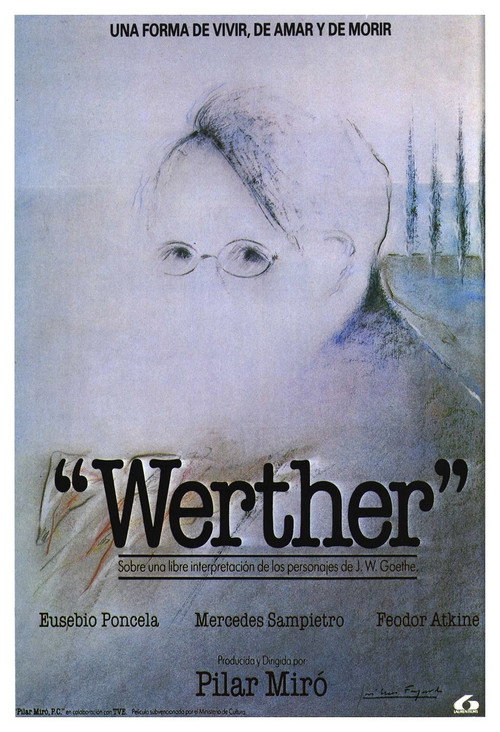
Werther1986
Both adapt classic literary love stories into visual poetry. Both argue that individual passion and social law are fundamentally incompatible. Both trust beauty and restraint over plot. Both end in death, and treat it as inevitable rather than shocking.
Steiner's adaptation of Goethe's epistolary novel about a young man's impossible love in 18th-century Germany. Visually exquisite, formally composed like a painting. A tragedy of sentiment and social constraint that never condescends to either.
But Not widely circulated. Based on a centuries-old novel you may not know. Requires surrender to its pace and sensibility. No action, no plot, only feeling and form.
People
Cast
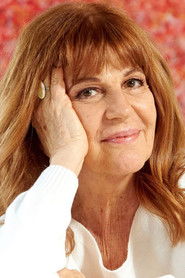 Susú PecoraroCamila O'Gorman
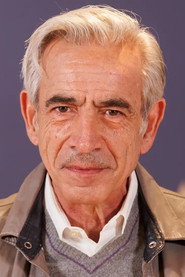 Imanol AriasLadislao Gutiérrez
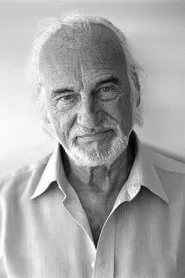 Héctor AlterioAdolfo O'Gorman
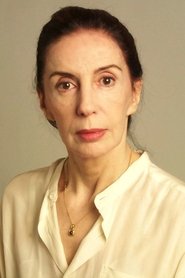 Elena TasistoJoaquina O'Gorman
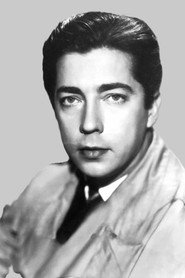 Carlos Muñoz ArosaMonsignor Elortondo
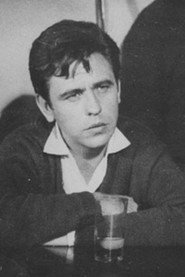 Héctor PellegriniCommandant Soto
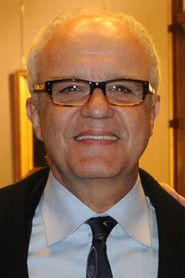 Juan LeyradoJosé María
- Claudio GallardouEduardo O'Gorman
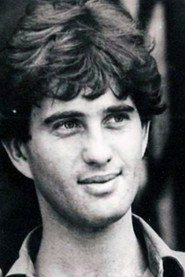 Boris RubajaIgnacio
- Alberto BusaidCapitán
 Lidia CatalanoHortensia
Directing
- Alberto LecchiAssistant Director
- María Luisa BembergDirector
- Antonio BarrioSecond Assistant Director
- Claudio ReiterSecond Assistant Director
- Valeria SatasSecond Assistant Director
Writing
- Beda Docampo FeijóoWriter
- Juan Bautista StagnaroWriter
- María Luisa BembergWriter
Production
- Ana Maria MonacoCasting
- Paco MoleroDelegated Producer
- Lita StanticExecutive Producer
- Beatriz HeirasProducer's Assistant
- Dolly PussiProducer's Assistant
- Eduardo AparicioProducer's Assistant
- Raúl AhumadaProducer's Assistant
- Patricia BarbieriProduction Assistant
- Clara ZappettiniProduction Manager
- Marta PargaProduction Manager