
Film
My Golden Days
- Coming-of-age
- Slow-burning
Arnaud Desplechin's portrait of a man on the edge of departure, spiraling through memory to make sense of formative losses. It's intimate and digressive, built from snatches of conversation, Soviet landscapes, and the kind of emotional archaeology that lives in the gaps between events. For anyone who's ever needed to understand how they became themselves.
If you liked this
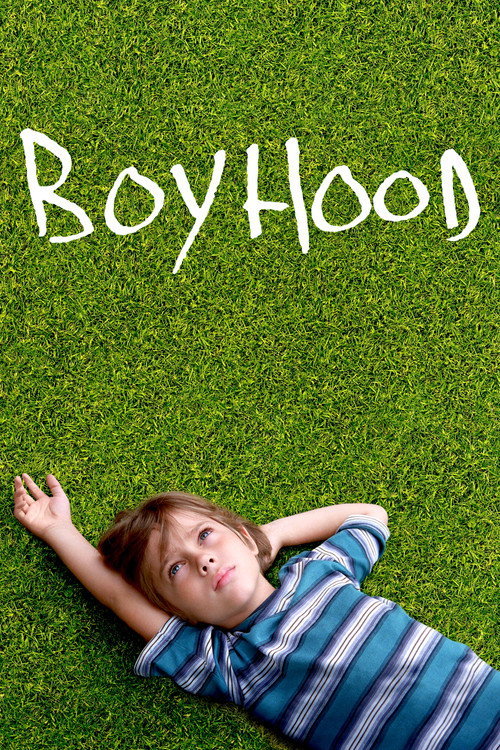
Boyhood2014
Like My Golden Days, Boyhood traces identity through accumulated moments rather than plot mechanics. It's patient, observant, and convinced that the small things—a conversation, a look—hold all the weight.
But At three hours, it asks for real commitment. The absence of conventional drama can feel slow if you're looking for something to happen.
A Ghost Story2017
Both films are preoccupied with time, memory, and the ache of leaving. Casey Affleck's film has the same quality of looking backward through loss, with a deceptively simple premise that opens into something profound.
But It's formally strange and deliberately paced. If you need clarity and forward momentum, this will frustrate you.

Moonlight2016
Three chapters of a life, each one precise and tender. Like Desplechin's film, it trusts silence and visual storytelling over explanation, finding truth in what's unsaid.
But It's a quiet film in a register that can feel distant. The lack of score in key moments makes some viewers anxious.

Not sure tonight? Get a pick in a minute, starting from My Golden Days
The wildcard
Something you would not have found on your own.
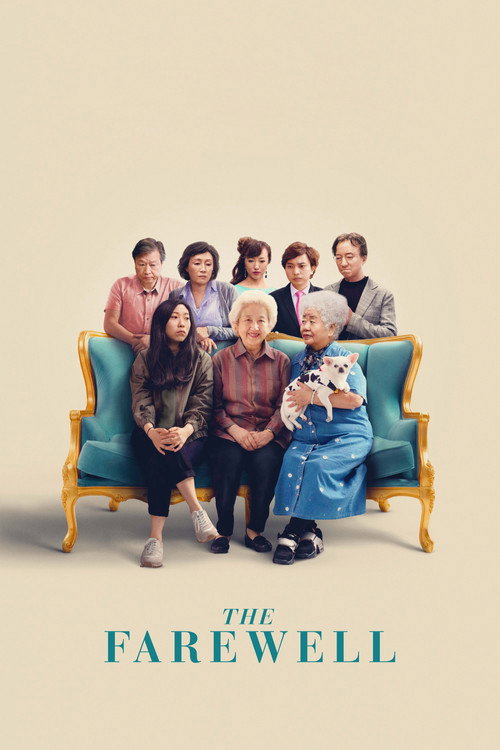
The Farewell2019
Both are diaspora films constructed around a departure, with intimate family histories that explode outward into larger questions about belonging and time.
Lulu Wang's film is also about diaspora, family, and the way memory works across distance and culture. But it finds humor and lightness where My Golden Days finds melancholy—same preoccupations, entirely different register. A reminder that these stories don't belong to one emotional key.
But It's driven by plot and cultural specificity in ways My Golden Days isn't. If you loved the drift and opacity of Desplechin's film, this might feel too resolved.
More like this (8)
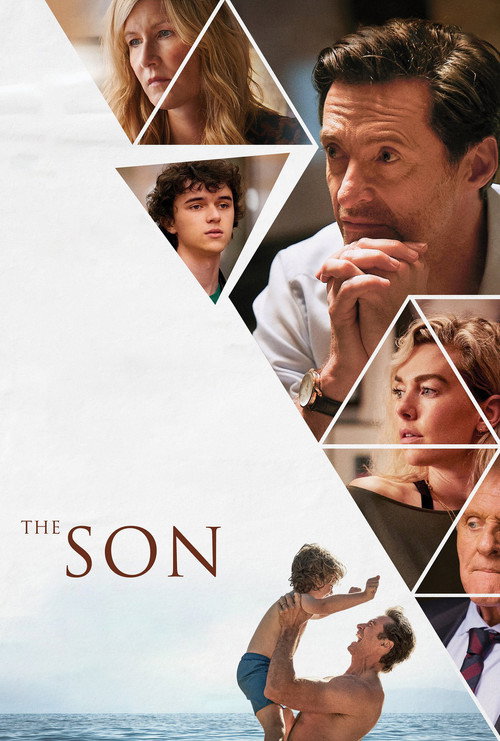
The Son2022
Florian Zeller's film about inheritance and family damage shares Desplechin's interest in how the past colonizes the present. It's urgent and piercing about the things we carry.
But It's relentlessly bleak without much reprieve. The depression at its center is heavy.
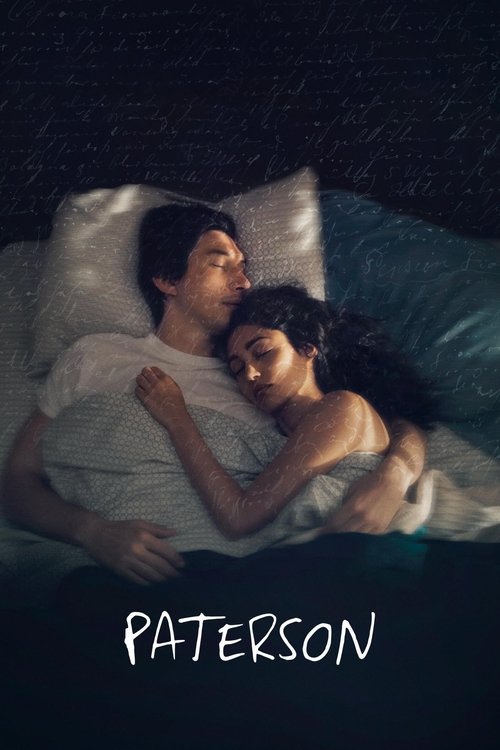
Paterson2016
Jim Jarmusch's meditation on ordinary life, routine, and finding meaning in small gestures. Like My Golden Days, it's convinced that paying attention is the entire point.
But Almost nothing happens. If you need plot or external conflict, this will bore you profoundly.
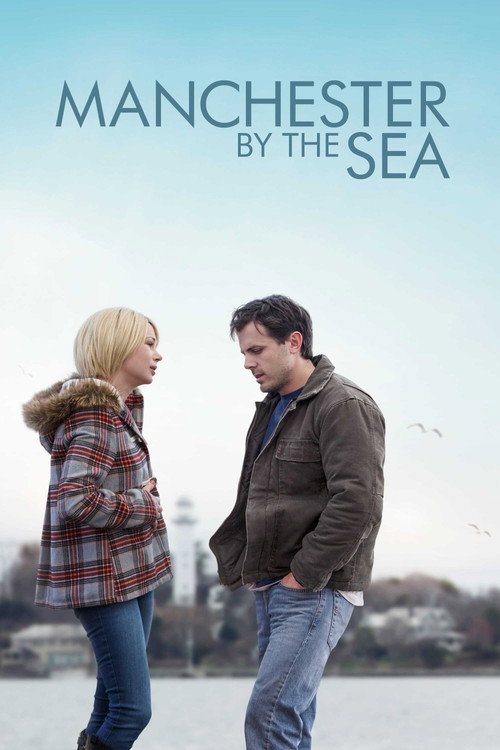
Manchester by the Sea2016
Kenneth Lonergan's script trusts viewers to understand grief through behavior and context rather than exposition. Grief moves through this film the way memory moves through Desplechin's.
But It's emotionally exhausting and deliberately anticlimactic. The refusal to resolve things neatly can feel punitive.
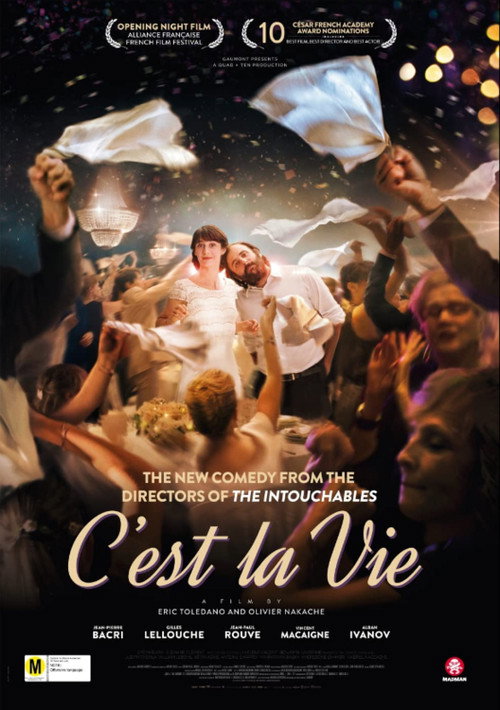
C'est la vie!2017
Also directed by Desplechin, this is essential context—a mirror-world film about a family gathering where everyone's stakes are on the table at once. Brash where My Golden Days is introspective.
But It's structurally chaotic and crammed with characters. The tonal whiplash from scene to scene takes adjustment.
Stalker1979
Tarkovsky's meditative pacing and investment in the texture of memory and desire. It shares with Desplechin's film a conviction that cinema should measure time differently than we expect.
But It's glacially slow, nearly three hours of deliberate observation. Patience isn't optional; it's the entire experience.

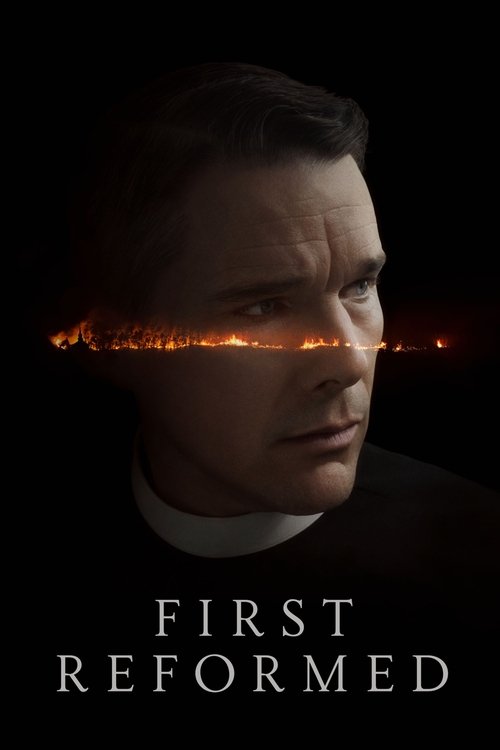
First Reformed2018
Paul Schrader's portrait of a man alone with his thoughts and his past, constructed as a series of meditations rather than scenes. Spare, aching, and utterly focused on interior life.
But The aesthetic is austere to the point of severity. Some will find it punishingly bleak and claustrophobic.
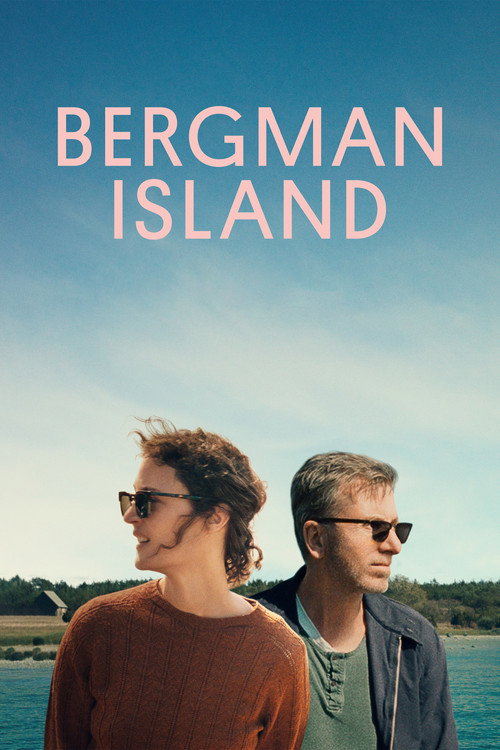
Bergman Island2021
Both use cinema itself as a subject—not just as a storytelling tool, but as a way to think about how memory, fantasy, and desire actually work.
Mia Hansen-Løve's film about artists in crisis, identity, and the ghosts that inhabit creative life. It has Desplechin's interest in cinema as a vessel for memory, but it's more formally experimental—layering fiction and reality until you can't separate them.
But It's aggressively meta. The constant shifting between levels of reality alienates people looking for emotional directness.
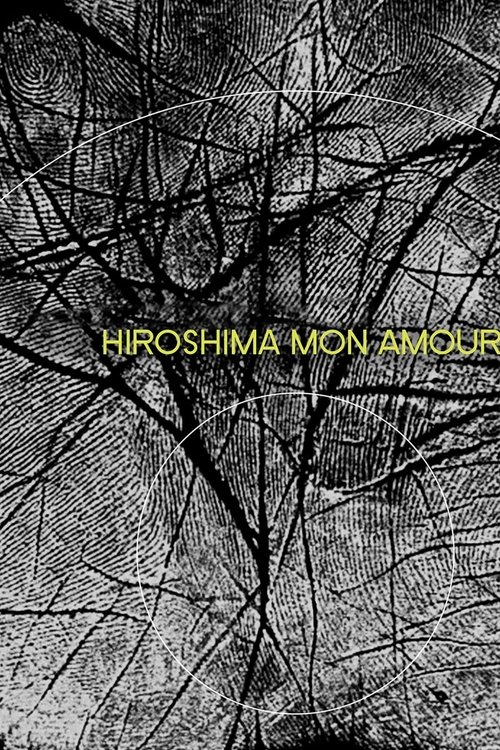
Hiroshima Mon Amour1959
Both films are constructed as memory works—non-linear, digressive, built from fragments that circle around a central wound rather than approaching it directly. Both trust fragmentation as a form of honesty.
Alain Resnais and Marguerite Duras built this entire film from the architecture of memory and desire, using fractured chronology and repetition as its emotional grammar. It's about two people who can never truly know each other, separated by history and language and time.
But It's intellectually rigorous to the point of difficulty. The experimental structure and philosophical weight can feel distant rather than moving.
People
Cast
 Quentin DolmaireYoung Paul Dédalus
 Lou Roy-LecollinetEsther
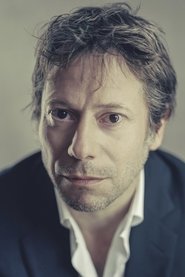 Mathieu AmalricPaul Dédalus
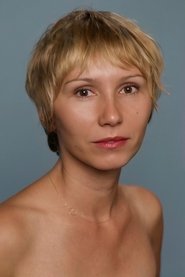 Dinara DrukarovaIrina
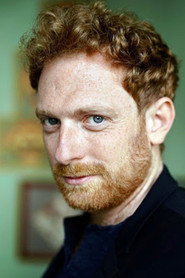 Léonard MattonWilliam
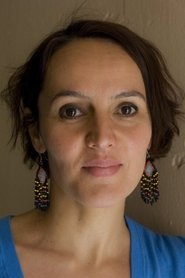 Cécile Garcia-FogelJeanne Dédalus
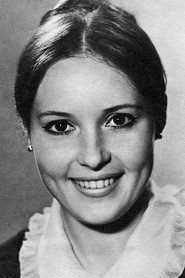 Irina VavilovaM-me Sidorov
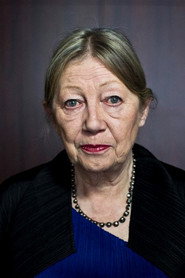 Françoise LebrunRose
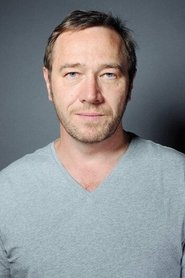 Olivier RabourdinAbel Dédalus
- Elyot MilshteinMarc Zylberberg
 Pierre AndrauKovalki
 Lily TaïebDelphine Dédalus
Directing
- Marion DehaeneAssistant Director
- Arnaud DesplechinDirector
Writing
- Arnaud DesplechinScreenplay
- Julie PeyrScreenplay
Production
- Alexandre NazarianCasting
- Oury MilshteinExecutive Producer
- Pascal CaucheteuxProducer
- Tatiana BouchainProduction Manager
- Antek GraczykUnit Manager