
Film
Ek Ruka Hua Faisla
A Hindi-language chamber piece where twelve jurors must reach a verdict on a murder charge. Eleven believe the accused guilty; one dissents. What follows is a masterclass in doubt, persuasion, and the fragility of certainty—a film that trusts its audience to sit in a room and think hard for two hours. For anyone who believes a great argument can be as gripping as any chase scene.
If you liked this
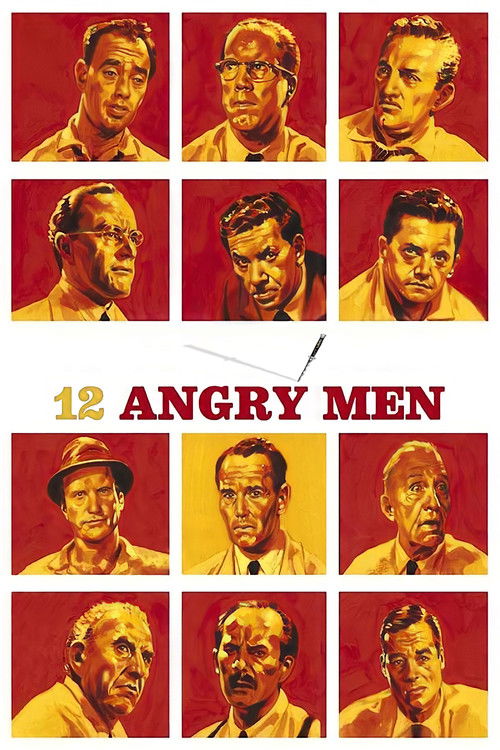
12 Angry Men1957
The original template, and Sidney Lumet's version is nearly perfect: tense, lucid, and built entirely on rhetoric and character. Every juror feels like a real person with a real stake. It's the film that proved the jury room could be a stage.
But Black-and-white, slow-burn pacing, and it requires you to follow legal arguments rather than explosions. Some find it theatrical to the point of artifice.
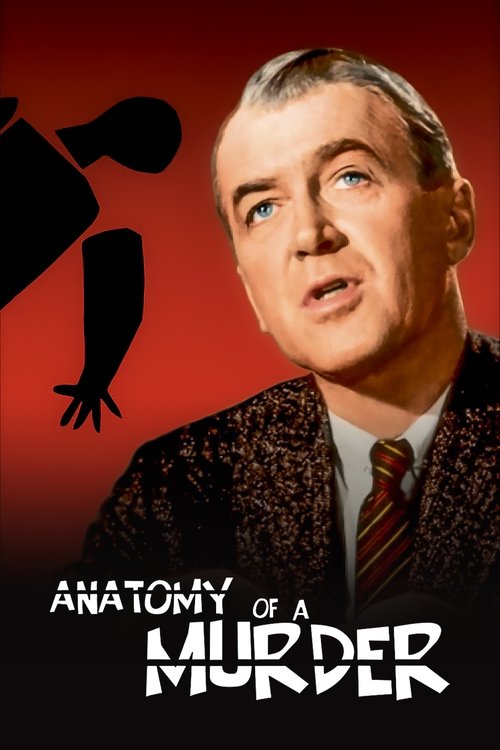
Anatomy of a Murder1959
Another courtroom masterpiece, but this one sprawls into a small Michigan town and the messy human lives behind the trial. More texture, more compromise, more moral complexity than you might expect from a legal drama.
But Nearly three and a half hours, and the pacing is deliberately unhurried. The sexual politics of the era may feel dated, though the film is aware of them.
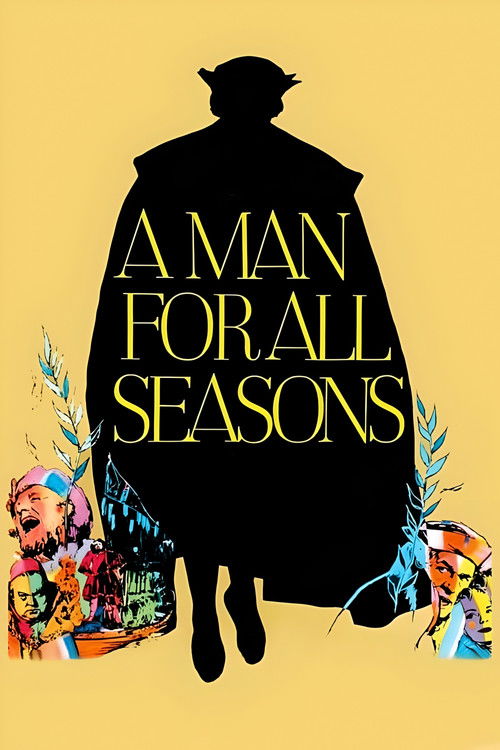
A Man for All Seasons1966
A different arena—conscience versus power—but the same engine: one person standing firm while everyone around them bends. Fred Zinnemann's film is elegant and deeply moving, about integrity that costs something real.
But The dialogue can feel stagy (it was adapted from a play), and it's not in a hurry. Some viewers find it stiff.
Not sure tonight? Get a pick in a minute, starting from Ek Ruka Hua Faisla
The wildcard
Something you would not have found on your own.
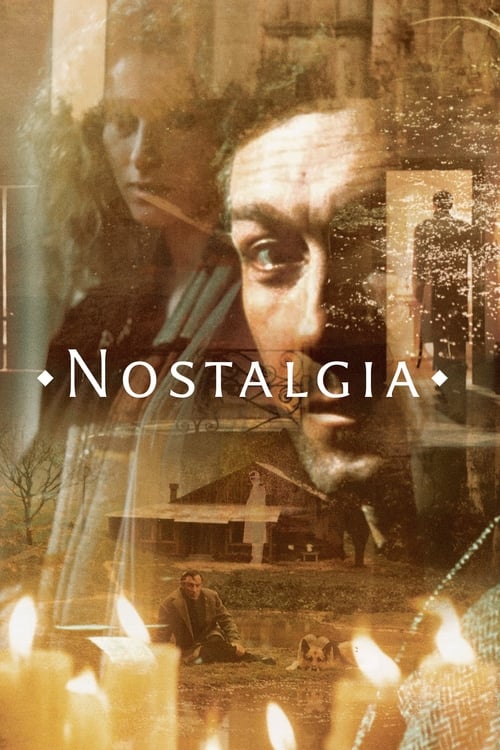
Nostalgia1983
Both films trust doubt. Both suggest that the hardest verdict is the one we pass on ourselves. Both move at the speed of thought, not plot.
Andrei Tarkovsky's meditation on memory, faith, and the judgement we place on our own lives. It's a jury of one, inside a mind, across eight hours. The same question—can doubt overturn certainty?—but philosophical rather than procedural, and hypnotically visual.
But Tarkovsky. This is a film that demands silence and attention. There are shots that last five minutes. It's not for impatience.
More like this (7)
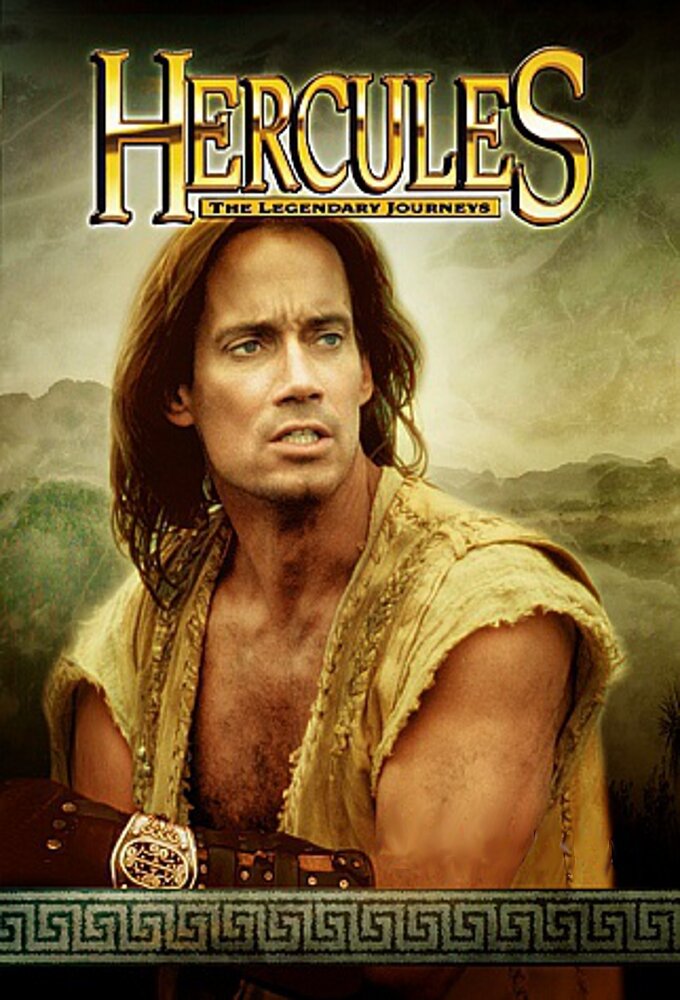
Hercules: The Legendary Journeys1994
Wait—bear with me. The episode 'The Judgement of Hercules' is a direct parallel: a jury scene where the hero must convince a room full of people to overturn a death sentence. It's the same structure in a completely different key.
But It's a TV episode from the nineties and it looks it. You have to sit through the campy fantasyframing if you want the core scene.
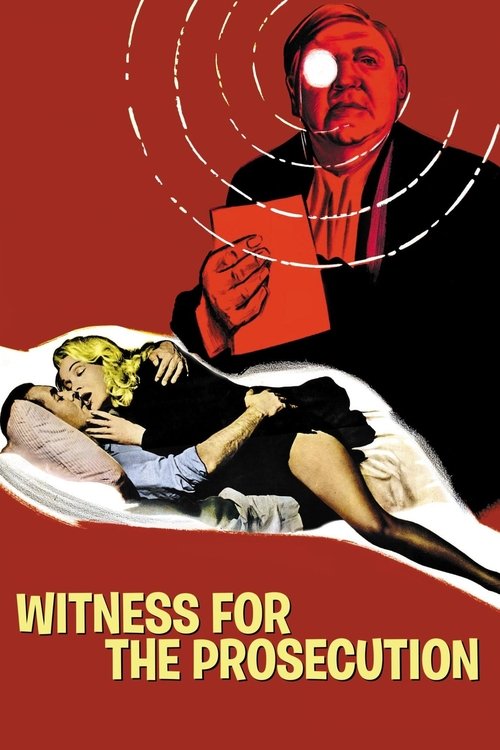
Witness for the Prosecution1957
Agatha Christie's only feature-length screenplay, brilliantly adapted by Billy Wilder. A courtroom thriller built on misdirection and performance, with Marlene Dietrich delivering one of cinema's great reversals. Entirely absorbing.
But A court film, yes, but it's a whodunit first—you want the plot twist more than you want the moral argument. Different beast entirely.
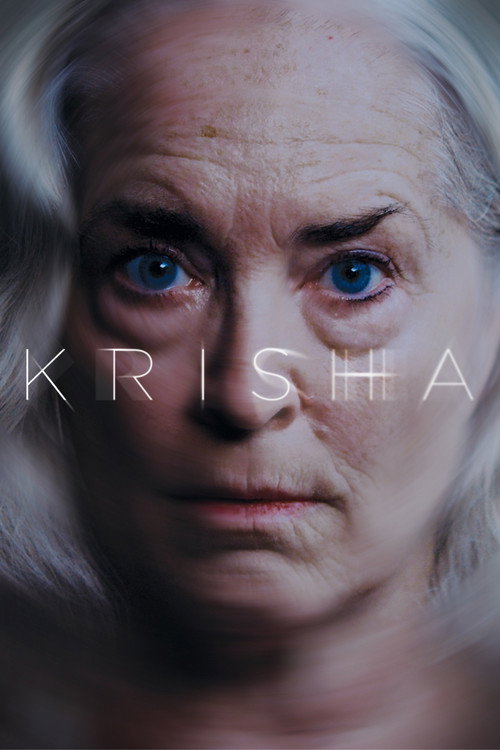
Krisha2016
Ari Aster's feature debut is a family drama about responsibility, guilt, and whether one mistake can define you forever. Shot with claustrophobic intimacy, it mirrors Ek Ruka Hua Faisla's fascination with how groups judge individuals.
But Deeply bleak and shot on 16mm, sometimes to the point of visual harshness. No resolution, no comfort, and it simmers rather than builds.
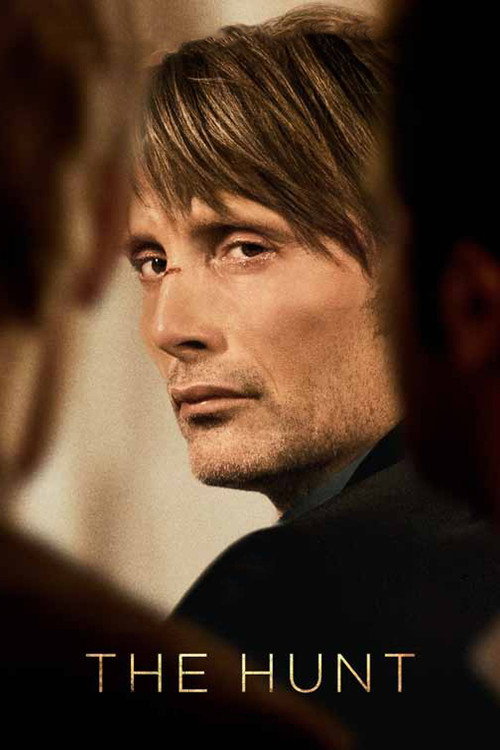
The Hunt2012
Thomas Vinterberg's film traps a man accused of a crime he didn't commit in a small town's certainty. Unbearably tense, it's about how quickly consensus becomes mob logic and how hard it is to undo once set in motion.
But Danish-language, bleak, and genuinely upsetting—it's not a neat drama, it's a wound. Some scenes are difficult to watch.
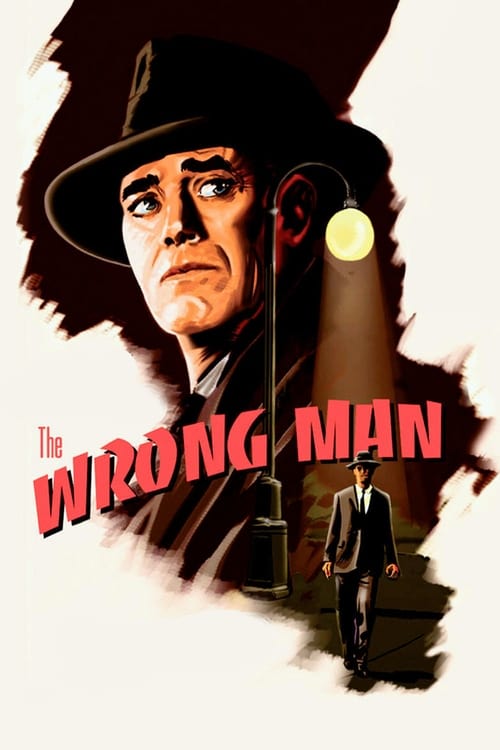
The Wrong Man1956
Hitchcock's most humane film, about a man arrested for crimes he didn't commit. It's slower and sadder than his other work, and all the more powerful for it—a study in the machinery of injustice.
But Hitchcock without much humor, which can feel austere. It ends on a note of spiritual grace that doesn't arrive with fanfare.
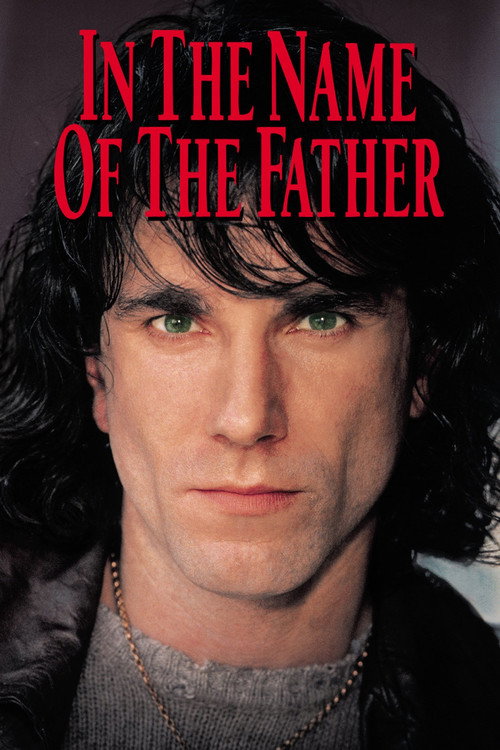
In the Name of the Father1993
Daniel Day-Lewis and Pete Postlethwaite in a true story about wrongful conviction and a father-son reconciliation. It has the emotional weight that courtroom dramas often miss, and the performances are extraordinary.
But IRA politics and Irish history make it a heavier watch than a purely legal thriller. Some of the legal arguments are simplified for drama.
Stalker1979
Like Ek Ruka Hua Faisla, it's a film about people in a closed space arguing about truth, but here the truth is metaphysical rather than factual. Same intensity, completely different register.
Also Tarkovsky, but more anchored: a guide leads two men into a forbidden zone where supposedly any wish comes true. The real drama is internal—what do we actually want, and are we willing to pay for it? A jury of impulses interrogating each other.
But Science fiction in name only. It's a philosophical dialogue paced like a funeral march. Patience is not optional.

People
Cast
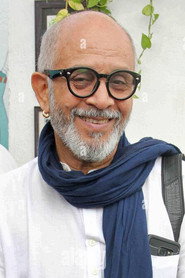 Deepak QazirJuror #1
- Amitabh ShrivastavaJuror #2
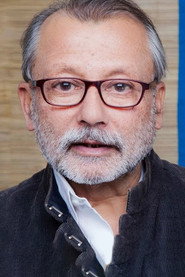 Pankaj KapurJuror #3
- S M ZaheerJuror #4
- Subhash UdghateJuror #5
- Hemant MishraJuror #6
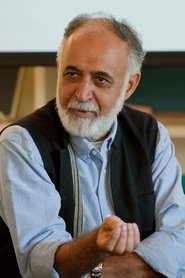 M. K. RainaJuror #7
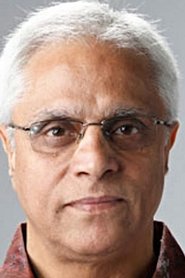 K.K. RainaJuror #8
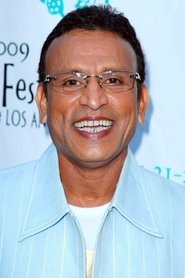 Annu KapoorJuror #9
- SubbirajJuror #10
- Shailendra GoelJuror #11
- Aziz QureshiJuror #12
Directing
- Basu ChatterjeeDirector
Writing
- Ranjit KapoorDialogue
- Reginald RoseOriginal Story
- Basu ChatterjeeScreenplay
- Ranjit KapoorScreenplay
- Ranjit KapoorStory
Production
- Basu ChatterjeeProducer