
Film
Unmistaken Child
A Tibetan Buddhist monk searches the remote Suum Valley for his dead master's reincarnation, guided by ritual, intuition, and unexplained recognitions. The film follows a genuine spiritual practice with anthropological curiosity, never mocking or romanticising. It's meditative and intimate—less about belief vindication than about love, duty, and what we choose to see in the world.
Should you watch it?
Watch it if you are drawn to quiet, patient observation of faith at work, where the camera simply waits while a tradition tests a child and the human questions surface slowly.
Skip it if you want a brisk narrative or constant tension, since this is a slow observational documentary that lingers on ritual and long stretches of quiet.
What it asks of you: An unhurried hundred minutes that asks you to sit with silence, prayer and a child's face, rather than waiting for events to pile up.
Not sure? Find tonight's pick in a minute.
If you liked this
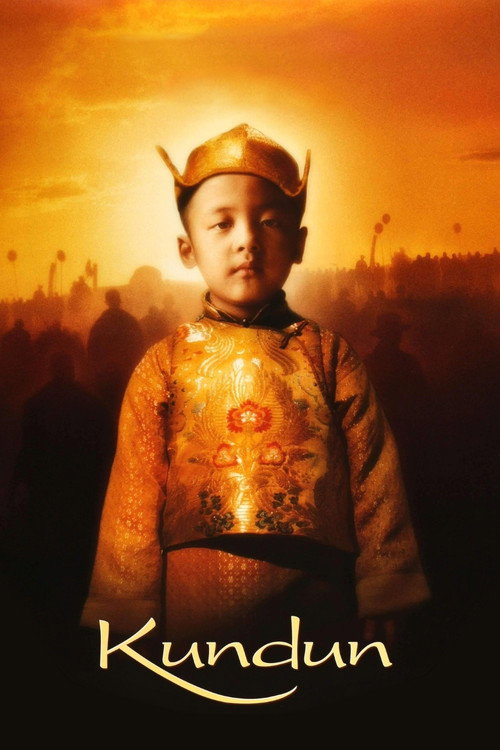
Kundun1997
Scorsese's visually luminous account of the Dalai Lama's early life and spiritual awakening. Reverential without being didactic, it shares Unmistaken Child's interest in Tibetan Buddhism as lived practice rather than exotic philosophy.
But Meditative pacing and a protagonist with little dramatic agency will frustrate anyone expecting narrative momentum or conflict.
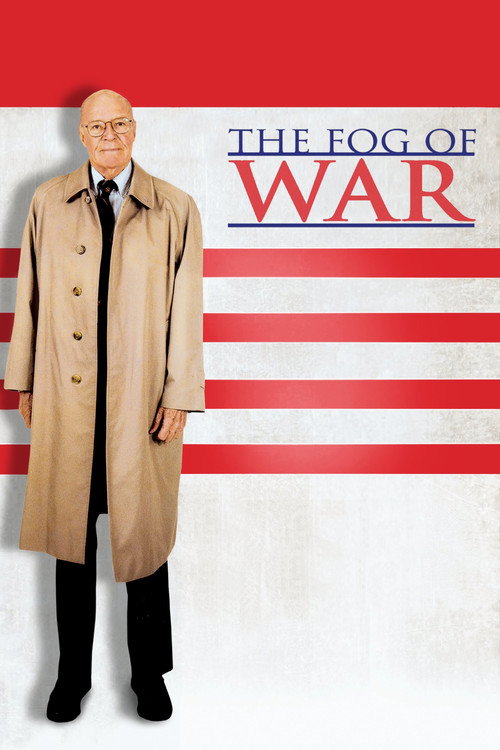
The Fog of War2003
Errol Morris's portrait of Robert McNamara uses interview, archive, and minimal score to excavate one life's moral complexities. Like Unmistaken Child, it trusts the viewer to sit with ambiguity and draw their own conclusions.
But At 107 minutes of talking heads and reflection, it rewards patience over spectacle. Some will find it static.
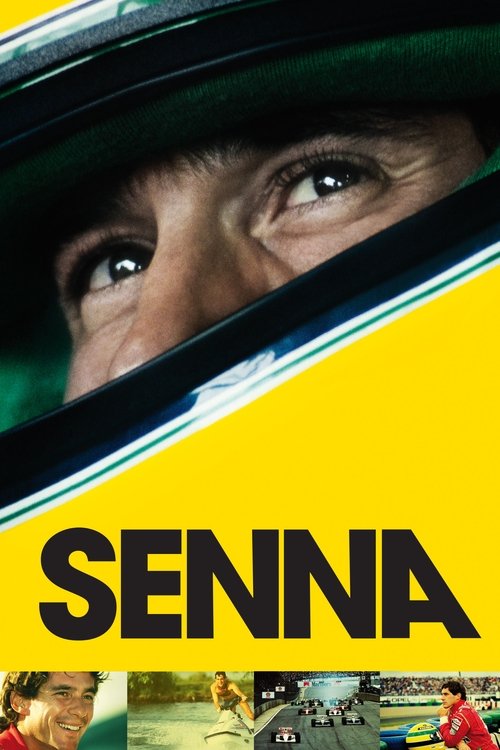
Senna2010
A documentary portrait of obsession, duty, and the question of whether greatness justifies sacrifice. Archive footage alone, beautifully arranged. It shares Unmistaken Child's intimate focus and refusal to simplify its subject.
But You need to care about Formula 1 racing less than you need to care about human intensity. If neither appeals, it won't convert you.
Not sure tonight? Get a pick in a minute, starting from Unmistaken Child
The wildcard
Something you would not have found on your own.
Synecdoche, New York2008
Both explore reincarnation as metaphor—Kaufman literally, Unmistaken Child spiritually. Both ask whether identity is fixed or something we create and recognize through will and attention.
Kaufman's baroque, grief-stricken film about a theater director building a replica of New York inside a warehouse. Formally adventurous and deeply strange. About obsession, reincarnation of sorts, and whether we can ever truly know anyone.
But Deliberately confusing, fragmented, and self-consciously difficult. It's trying hard to unsettle you. Some will find it pretentious or exhausting.

More like this (7)
The Act of Killing2012
Asks questions about belief, identity, and what someone will defend as truth. Formally daring and morally searching, it shares this film's anthropological patience and willingness to sit with uncomfortable ambiguity.
But Confronting subject matter—genocide, unrepentant perpetrators—requires emotional stamina. The form can feel obscure if you're not ready for it.

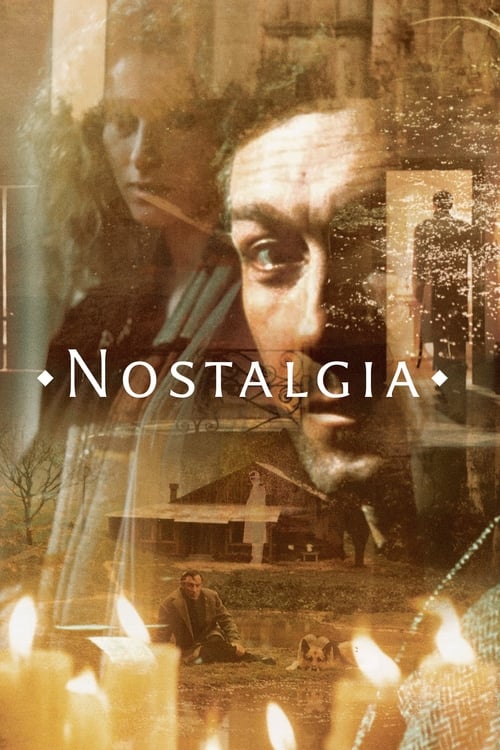
Nostalgia1983
Tarkovsky's glacially beautiful meditation on faith, memory, and pilgrimage. A spiritual journey film in the deepest sense. The visual language is hypnotic; the pace allows genuine contemplation.
But 162 minutes of slow cinema. If you watch films to pass time, this is not for you. It asks for active attention and surrender.
La Haine1995
A portrait of three days in the lives of young men navigating identity, rage, and belonging. Like Unmistaken Child, it observes without editorialising, finding humanity in circumstances.
But Stylistically busy (rapid cuts, extreme angles) and set in a world of tension and violence. Visually, it's the opposite of meditative.

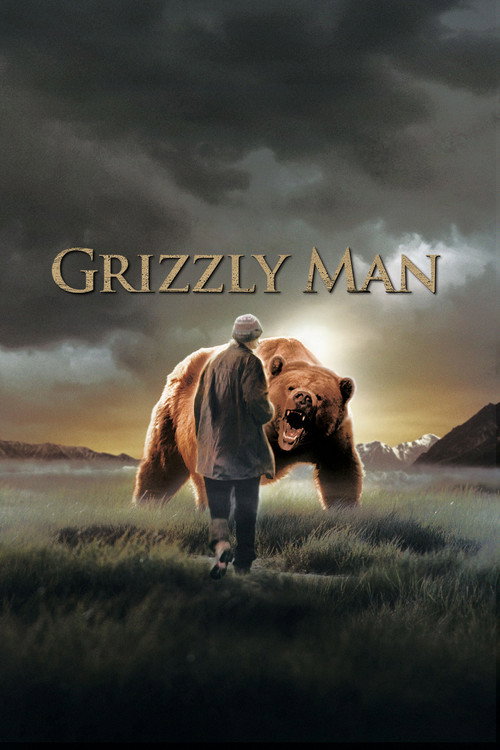
Grizzly Man2005
Herzog's examination of Timothy Treadwell's obsession with bears and wilderness. Probing, philosophical, and genuinely unsettled about what it means to choose a radical belief. Unmistaken Child and this ask similar questions about conviction.
But The protagonist is difficult and his fate is tragic. If you want uplift, look elsewhere.
The Seventh Seal1957
Bergman's knight plays chess with death, searching for meaning amid plague and doubt. A masterwork about faith tested. It shares Unmistaken Child's interest in spiritual practice and the authenticity of belief.
But Black-and-white, slow, European, and abstract. The existential questions are real but won't appeal if you prefer narrative clarity.

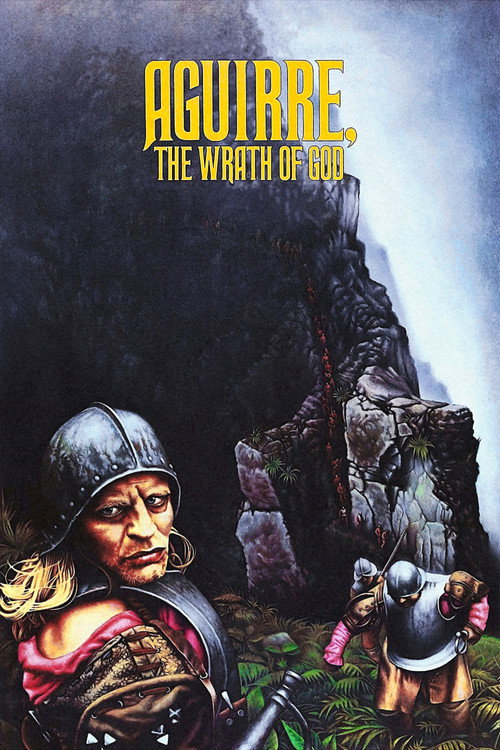
Aguirre, the Wrath of God1972
Herzog's delirious vision of obsession and the will to believe despite catastrophe. Hypnotic and strange. It's about the gap between what we choose to see and what is actually true.
But Shot in the Amazon with a small crew and minimal budget, it's visually rough and narratively opaque. Some will find it impenetrable.
A Ghost Story2017
Both films are about what persists after death and whether identity or love or intention can cross that threshold. Both trust visual poetry over explanation.
A man dies, becomes a ghost in a white sheet, and watches his widow and the world change. Conceptually simple, emotionally devastating. About memory, loss, and what remains. Quiet, strange, and genuinely moving.
But The central image—a man in a sheet—is visually silly and takes discipline to accept. It's 92 minutes of melancholy that offers no catharsis or resolution.

People
Cast
- Tenzin ZopaTenzin Zopa
Directing
- Nati BaratzDirector
Writing
- Nati BaratzWriter