
Film
The Grey Fox
The Grey Fox follows a courtly 60-year-old train robber released after 33 years inside, adrift in the rapidly modernizing 1901 West. Richard Farnsworth plays him with grace and sorrow—a relic of a frontier that's already vanished. It's a small, intelligent film about irrelevance, charm as survival, and the terrible freedom of outliving your own era.
Should you watch it?
Watch it if you love a quiet, unhurried western about an aging outlaw's stubborn dignity, where the pleasure lies in a sly, courteous charm and in landscapes that feel lived in rather than staged.
Skip it if you want a brisk genre picture with steady gunfire and momentum; this one lingers on conversation, manners and the slow rhythm of the rail country, so it can feel leisurely.
What it asks of you: Ninety-two minutes of patient, unshowy storytelling, with long pauses and a gentle mood that rewards close attention to small gestures and to what the characters leave unsaid.
Not sure? Find tonight's pick in a minute.
If you liked this
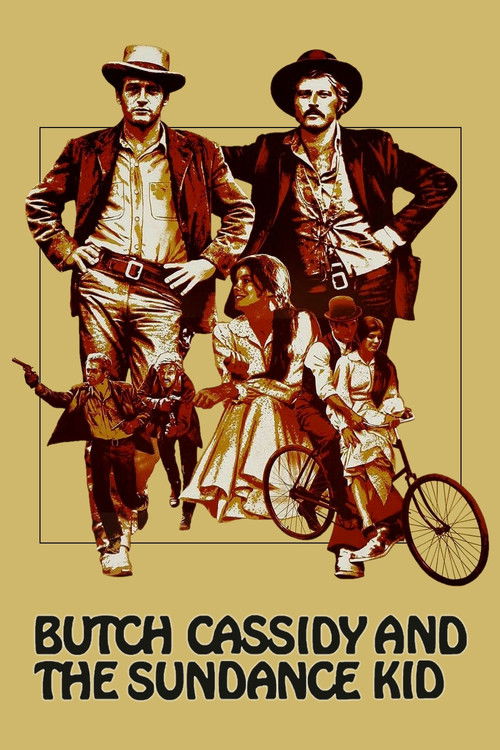
Butch Cassidy and the Sundance Kid1969
Newman and Redford as charismatic outlaws facing obsolescence, with the same elegiac tone and dark humour about men whose time has passed. Both films prize character and banter over spectacle.
But The famous buddy dynamic might overshadow what you're looking for; this one's bigger, louder, and less intimate than The Grey Fox.
Johnny Guitar1954
A revisionist Western that questions frontierism itself, featuring an aging protagonist navigating a West that no longer wants her. Same moral ambiguity about old codes meeting new reality.
But Joan Crawford's presence and the film's bold gender reversals make it feel entirely of its era, and the pace is glacial even by 1950s standards.

The Ballad of Little Jo1993
Another intelligent, low-key Western about survival and identity, with a real person's story at its heart and genuine period detail. Maggie Greenwald directs with restraint and insight.
But Suzy Amis is understated to the point of opacity; the film asks you to meet it halfway, which some find frustrating.

Not sure tonight? Get a pick in a minute, starting from The Grey Fox
The wildcard
Something you would not have found on your own.
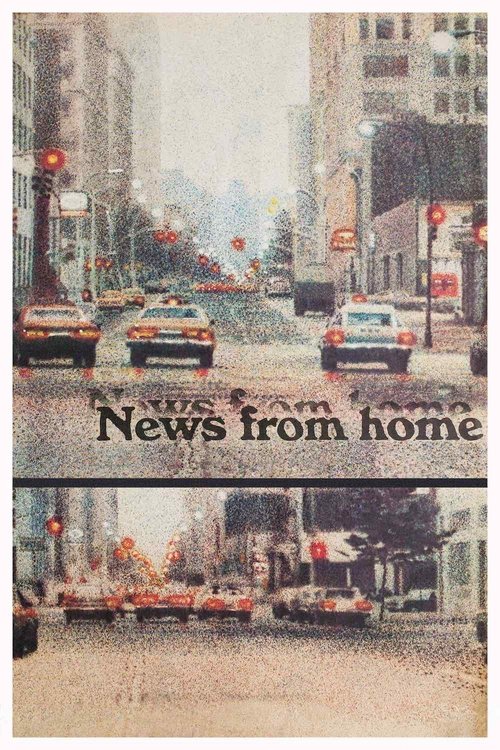
News from Home1976
Both films treat displacement not as drama but as a condition: quiet, inescapable, almost meditative. They share a formal restraint that refuses to sentimentalize absence.
Chantal Akerman's experimental documentary pairs letters from her mother with fixed shots of New York streets. Like The Grey Fox, it's about displacement, memory, and the strange distance between old ways and new worlds—but it's formally radical, nearly plotless, and utterly hypnotic.
But Nothing happens, there's no narrative arc, and the sound design is minimalist to the point of silence. It demands patience in a way most viewers will find alienating.
More like this (8)
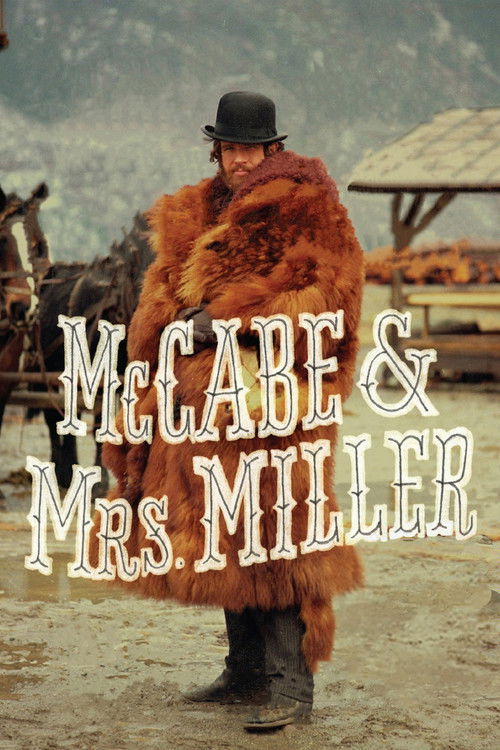
McCabe & Mrs. Miller1971
Altman's grubby, anti-mythic Western with Warren Beatty as a small-time hustler trying to survive in a transforming frontier. Both films are skeptical of Western romance and honest about failure.
But It's muddy, morally muddled, and the ending is bleak without catharsis—not a film that makes you feel good about anything.
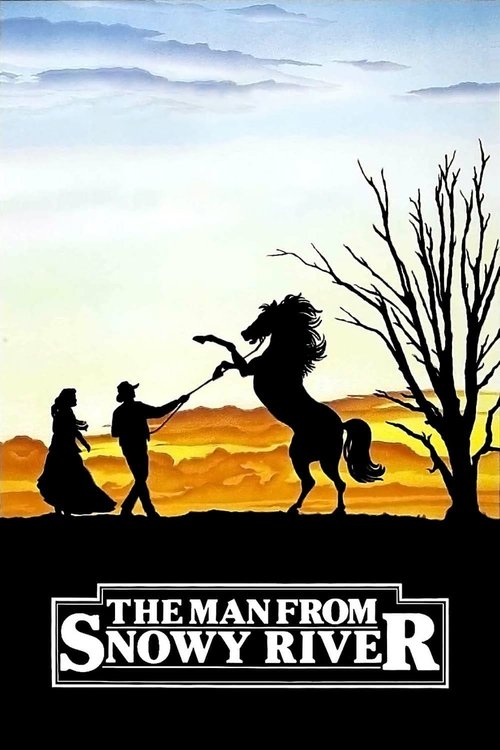
The Man from Snowy River1982
Released the same year, it shares Farnsworth (as a mentor figure) and a similar meditation on passing values and generational change. A surprisingly thoughtful horseman's film.
But It's got more romance and adventure than you might want after The Grey Fox; the tone is warmer and more conventionally uplifting.
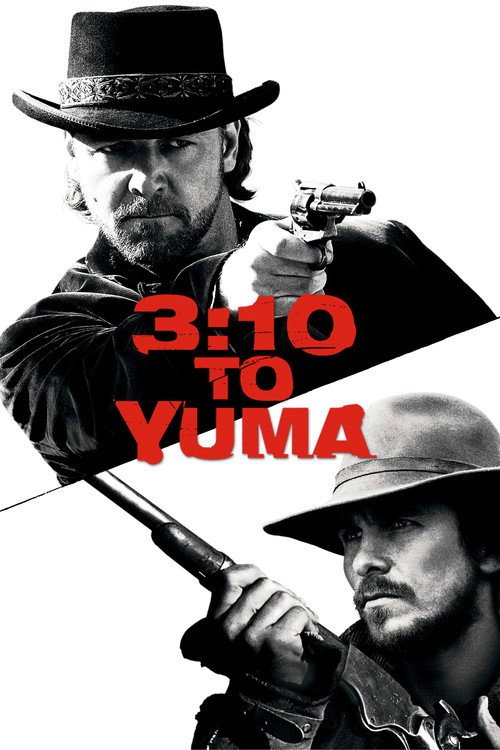
3:10 to Yuma2007
Two men, a contained space, talk and character study masquerading as a Western. Christian Bale and Russell Crowe negotiate power and morality across a long night.
But The 2007 remake favours tension and psychological games over Farnsworth's quiet melancholy; it's sleeker and less contemplative.
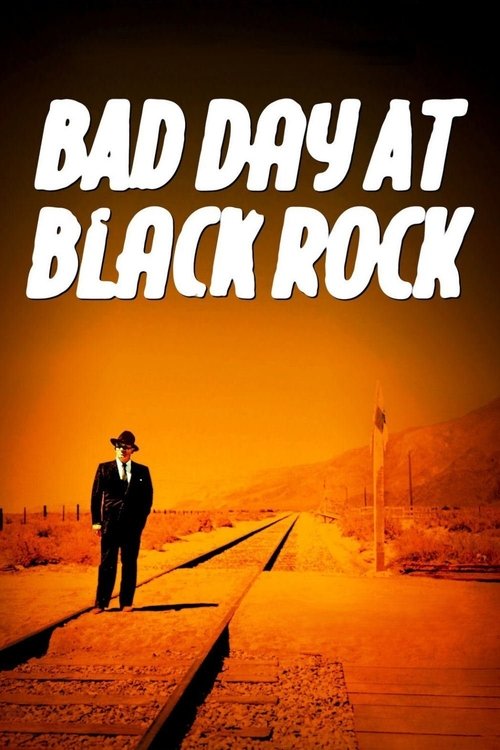
Bad Day at Black Rock1955
A taut, minimal Western about a drifter confronting a town's buried sins. Spencer Tracy brings quiet authority to moral reckoning in a landscape of secrets.
But It's plot-driven rather than character-led, and resolves with conventional justice rather than The Grey Fox's ambiguous grace.
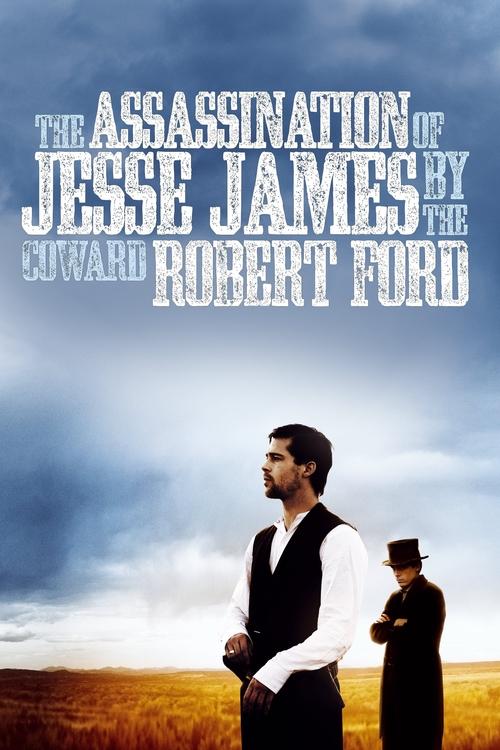
The Assassination of Jesse James by the Coward Robert Ford2007
A long, strange meditation on legend versus reality, with Brad Pitt as an aging outlaw whose fame becomes a prison. Visually baroque but emotionally sparse in the best way.
But It's slow, oblique, and philosophically demanding; some find it pretentious, and it's nearly three hours of very deliberate cinema.
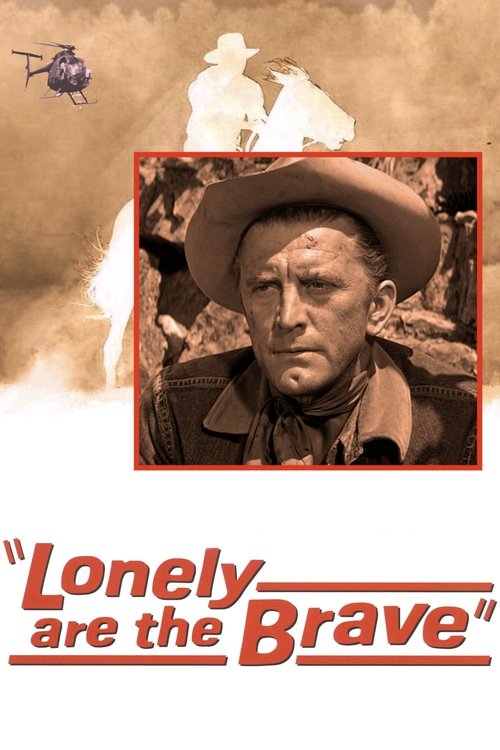
Lonely are the Brave1962
Kirk Douglas as a cowboy anarchist, refusing modern society after prison release. It's got that same tension between a man's code and a world that no longer recognises it.
But The film privileges Douglas's ego and the horse over character depth; it's more conventional Western than The Grey Fox's restraint allows.
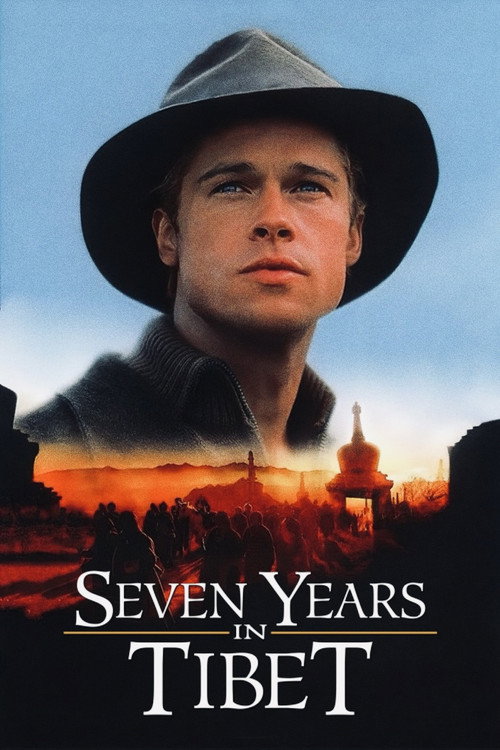
Seven Years in Tibet1997
Both feature ageing men grappling with what it means to be obsolete in your own world, and both suggest that grace comes from acceptance rather than resistance.
Jean-Jacques Annaud's film about Heinrich Harrer and the Dalai Lama uses Brad Pitt as an aging mountaineer recounting transformation and exile from a life left behind. It's visually sumptuous but centred on the ache of permanent displacement.
But The historical record is contested, Pitt's accent work is dodgy, and the film's mysticism can feel like Western tourism dressed as profundity.
A Prophet2009
Like The Grey Fox, it understands that freedom after long confinement is not relief but disorientation. Both films treat reintegration as impossible, and find their poetry in that impossibility.
Jacques Audiard's prison film is about emergence and survival inside, but it's also about the impossible adaptation to freedom—a young man released into a world of new rules he didn't write. Shot in French, with extraordinary visual precision and moral complexity.
But It's violent, morally murky, and offers no redemption; the pacing is deliberate and some scenes are graphically brutal.

People
Cast
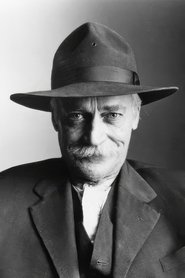 Richard FarnsworthBill Miner
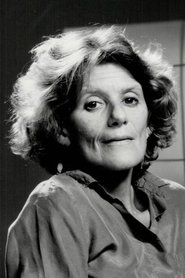 Jackie BurroughsKate
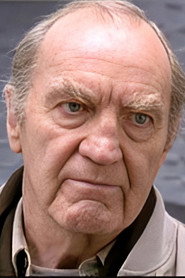 Ken PogueJack Budd
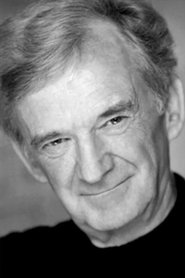 Wayne RobsonShorty
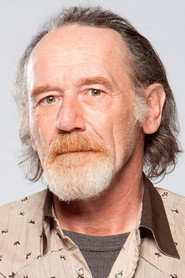 Timothy WebberFernie
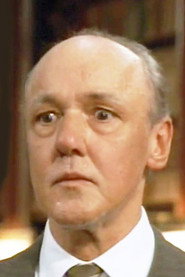 Gary ReinekeDetective Seavey
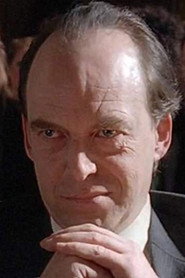 David PetersenLouis Colquhoun
- Don MacKayAl Sims
- Samantha LangevinJenny
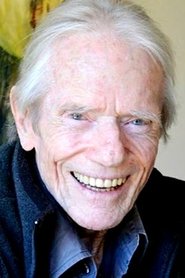 Tom HeatonTom
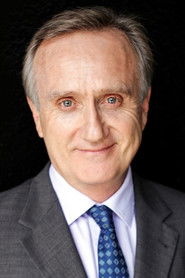 Jim McLartyAccomplice
- George DawsonAccomplice
Directing
- Phillip BorsosDirector
Writing
- John HunterWriter
Production
- John BoardAssociate Producer
- Barry HealeyCo-Producer
- Phillip BorsosCo-Producer
- David BradyExecutive Producer
- Peter O'BrianProducer
Recommended by
Junior Bonner, Caught, The Cheviot, the Stag and the Black, Black Oil, The Death of Adolf Hitler