
Film
Divines
A fierce, sensual portrait of ambition and desire in a Paris housing estate. Dounia chases power through drug dealing while magnetism—romantic and otherwise—threatens to derail her. It's visually stunning, morally complex, and unafraid of its characters' hunger. For anyone who wants their drama visceral and their stakes real.
Should you watch it?
Watch it if you hunger for a raw, street-level story of two young women grabbing for power in a world that has already written them off, driven by restless energy.
Skip it if you need a story that moves along briskly, because this one often prefers mood and rhythm to plot, and its drifting middle can test patience.
What it asks of you: A brisk hundred and five minutes that keeps its pulse high, with quieter pauses that linger on faces rather than explaining themselves.
Not sure? Find tonight's pick in a minute.
If you liked this
La Haine1995
The foundational portrait of marginalized youth in France. Shot in black-and-white with raw intensity, it captures police violence, economic despair, and the bonds that form in concrete wastelands. Essential context for understanding Divines' world.
But Made nearly thirty years ago and very much a product of its moment; the style can feel dated, and some pacing drags in the middle sections.

Girlhood2014
Céline Sciamma's portrait of Black girlhood in a French suburb—friendship, desire, survival, and the performance of toughness. Intimate camera work and a hypnotic soundtrack make it feel like being inside Dounia's skin.
But Very deliberately paced, almost meditative. If you want plot momentum, you'll find long stretches of hanging out instead.

American Honey2016
Andrea Arnold's immersive study of young drifters chasing American dreams on the margins. Same visual hunger as Divines—a film more interested in texture, desire, and mood than conventional narrative arcs.
But Nearly three hours long, and deliberately formless. Some will call it self-indulgent; it absolutely is, by design.

Not sure tonight? Get a pick in a minute, starting from Divines
The wildcard
Something you would not have found on your own.
Gomorra: La Serie2014
Both chart the seductive pull of power and money in economies built on harm. Both are visually gorgeous and morally unflinching. Gomorrah is what Divines' future might look like if Rebecca stays in the game.
A serialized epic of Neapolitan mafia economics and the young people caught in its machinery. Where Divines shows one woman's choice to enter that world, Gomorrah shows what happens over years—the machinery, the cost, the impossibility of exit.
But Five seasons, slow-burn plotting, and often bleak. Requires patience and Italian with subtitles. Easy to lose the thread if you step away.

More like this (8)
City of God2002
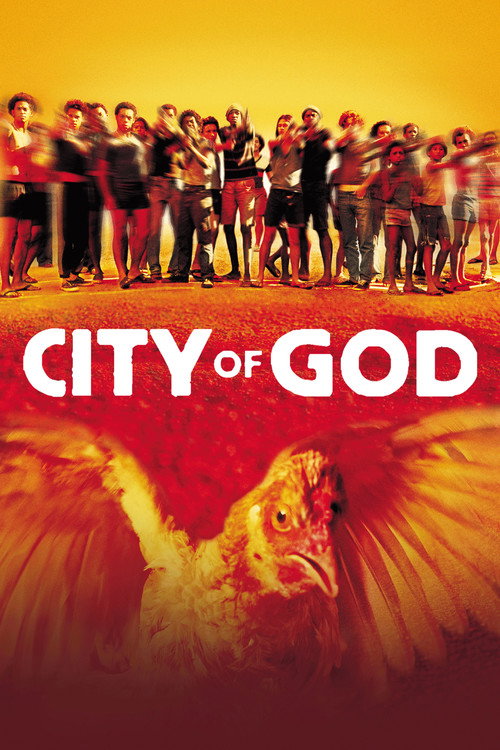
A ferociously stylish look at drug trafficking, childhood, and ambition in a Brazilian favela. Fast, violent, darkly funny—it finds beauty and tragedy in spaces the world wants to forget.
But The editing is aggressive and the violence brutal. It's easy to see why people find it exhausting; it doesn't whisper.
Menace II Society1993
A young man tries to escape the drug economy that raised him in South Central LA. Tense, intelligent, and genuinely sad about the systems that trap people—not exploitative, but lucid about complicity.
But Some performances feel uneven, and it has the sheen of a '90s film that doesn't always age invisibly. The fatalism may feel heavy-handed.

Hunger2008
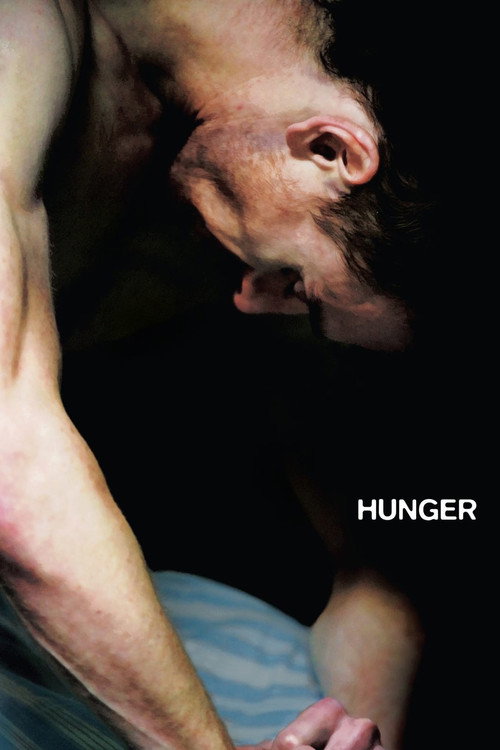
Steve McQueen's debut: a study of power, the body, and resistance through the hunger strike of an IRA prisoner. Not about drugs or youth, but structured around the same question—what does the body do when systems crush it?
But Extremely austere. Long, static shots of suffering with minimal dialogue. Some will find it unbearable; that's partly the point.
Waves2019
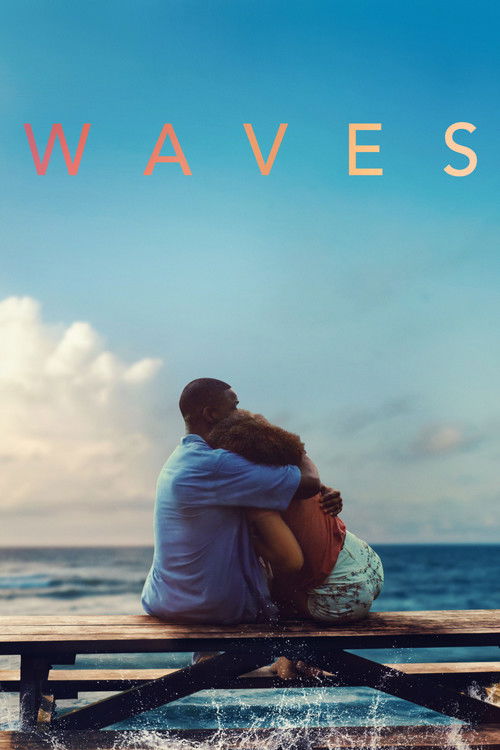
A Black middle-class family fractures after a moment of violence. Sumptuous visuals, soul-deep emotional intelligence, and a refusal to be simple about pain. It understands how ambition and love can become violent.
But The tonal shifts are dramatic. If you want narrative consistency, the second half will feel like a different film—which is exactly why it works.
Dogtooth2009
Yorgos Lanthimos's portrait of three adults raised in isolation by controlling parents. Deeply unsettling study of power, desire, and the body. Radically different from Divines but obsessed with similar questions about control and awakening.
But Deliberately weird and difficult. The violence is psychological and the pacing strange. Most people will find at least one sequence genuinely disturbing.
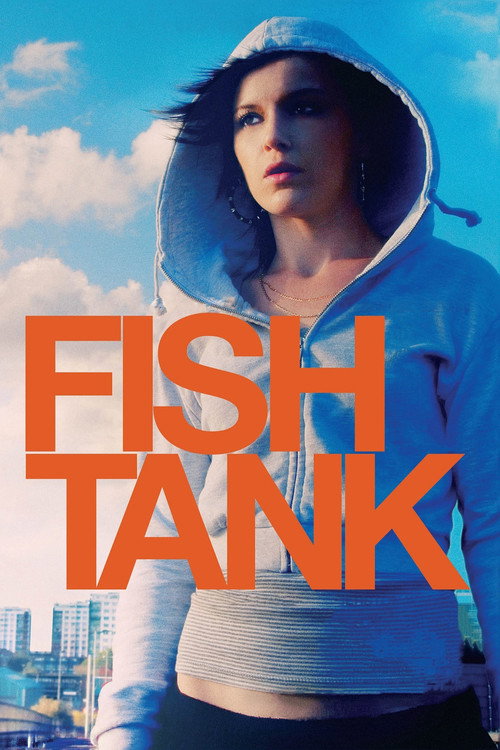
Fish Tank2009
Andrea Arnold again—a young woman in East London dreams of dancing professionally while her single mother brings home a charismatic stranger. Tender and dangerous, intimate and claustrophobic all at once.
But The ending is abrupt and bleak. If you want resolution or hope, this film will not offer it. It's a fragment of a life, not a complete story.
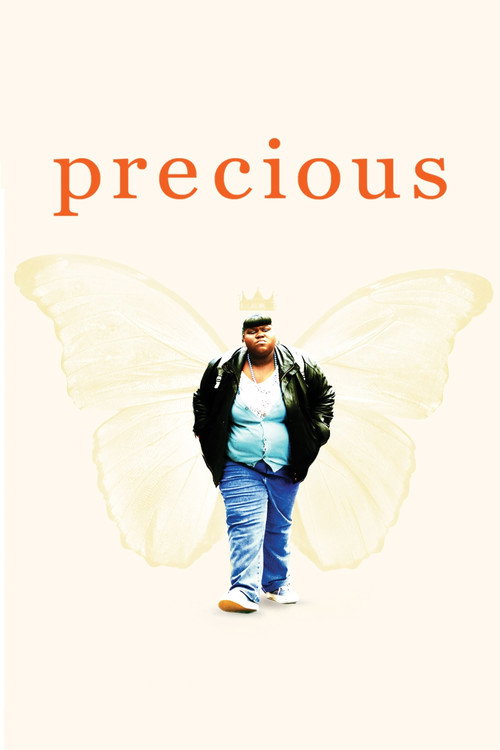
Precious: Based on the Novel 'Push' by Sapphire2009
Both center a young woman's will to transcend a system designed to keep her trapped. Both refuse to make their protagonist likable or redeemable in conventional ways. Both understand hunger—for power, for escape, for dignity—as not a character flaw but rational survival.
A harrowing, unflinching portrait of a Black girl in Harlem surviving sexual abuse, illiteracy, and poverty. It takes Dounia's world and pushes it toward its darkest possible edge—not exploitation, but profound respect for her survival.
But Genuinely difficult to watch. Depicts child sexual abuse, incest, and brutal violence. Many people will find it too painful; that response is valid and understandable.
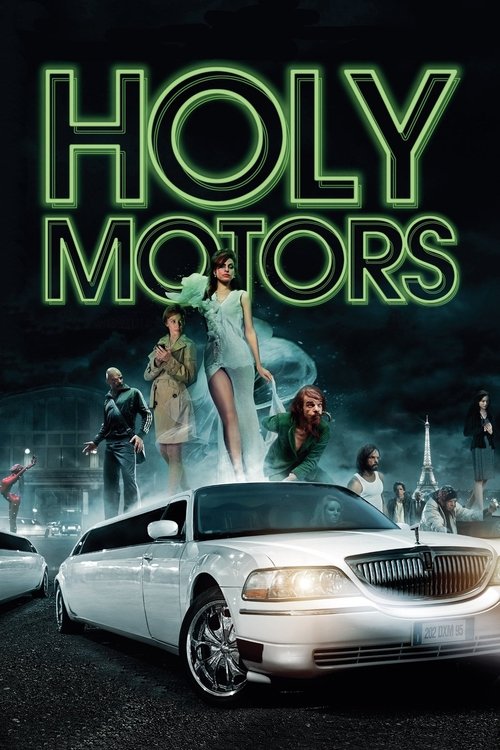
Holy Motors2012
Both are intoxicated by the visual possibility of Paris and the body as a site of transformation and desire. Both understand that people contain multitudes and perform different selves depending on their context. Where Divines is grounded, Holy Motors is a fever dream—but they're asking related questions about who we are when no one's watching.
Leos Carax's hallucinatory essay on performance, identity, and desire. A man travels through Paris in a limousine, stepping into and out of different lives. It's not narrative cinema; it's a poem about who we become in different spaces.
But Surreal, fragmented, and deliberately obscure. If you want conventional storytelling, this will feel like a prank. It's challenging and unapologetic about that.
People
Cast
 Oulaya AmamraDounia
 Déborah LukumuenaMaimouna
 Kévin MischelDjigui
 Jisca KalvandaRebecca
 Yasin HouichaSamir
 Majdouline IdrissiMyriam, la mère
 Farid LarbiReda
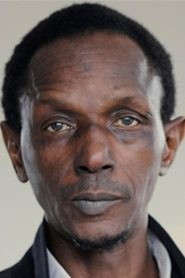 Bass DhemMonsieur Camara
- Maryama SoumareMadame Camara
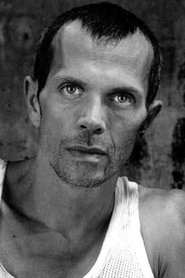 Wilfried RomoliRachid

Directing
- Houda BenyaminaDirector
Writing
- Houda BenyaminaWriter
- Malik RumeauWriter
- Romain CompingtWriter
Production
- Marc-Benoît CréancierProducer