
Film
Legendary Assassin
A hit man stranded on an island after a job strikes an unlikely bond with a police officer, then finds himself caught between warring factions when a crime lord's death sparks violence across the city. This is lean, kinetic action cinema: Wu Jing delivers graceful brutality, the plot moves at propulsive speed, and the moral ambiguity between cop and killer gives it weight beyond the fight choreography. For viewers who want style and stakes without dialogue getting in the way.
If you liked this
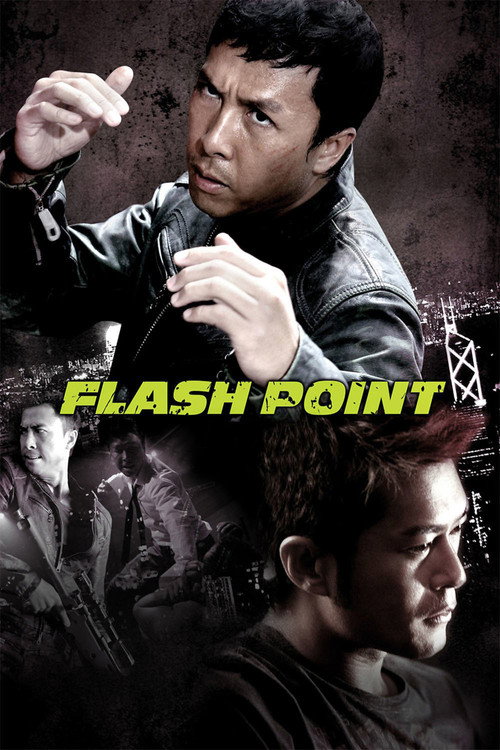
Flash Point2007
Wu Jing's previous collaboration with director Benny Chan. Tighter plotting, more elaborate action set pieces, and the same blend of crime drama and balletic violence that makes Legendary Assassin work so well.
But The emotional beats are thinner than the action. If you watch action films primarily for character development, you'll find the relationships perfunctory.
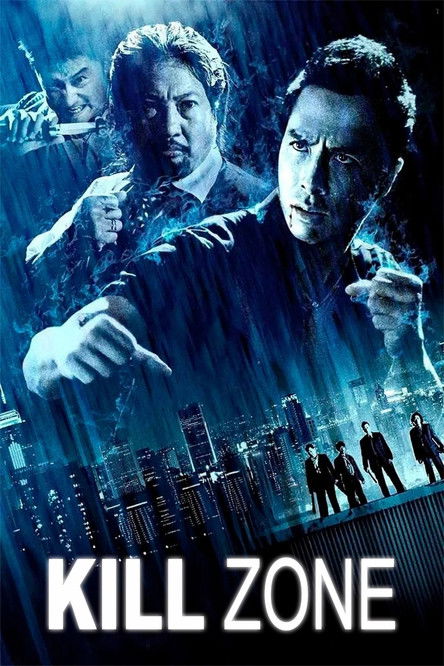
SPL: Kill Zone2005
Hong Kong action cinema at its peak: Donnie Yen and Sammo Hung in a brutal cat-and-mouse game that builds genuine tension between philosophical opposites. The fight scenes are cruel and inventive, never for show.
But The subtitle-reading pace is relentless and unsentimental. There's almost no downtime, which exhausts some viewers rather than exhilarating them.
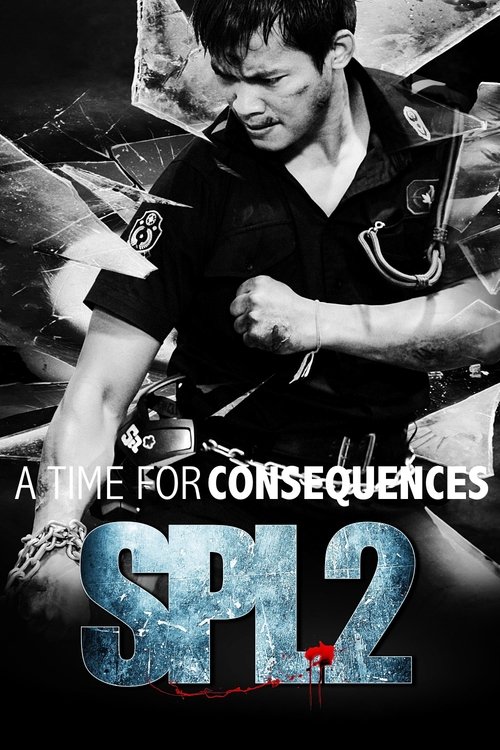
SPL 2: A Time for Consequences2015
Wu Jing returns to that cop-versus-killer dynamic with Zhang Ziyi. More character work than the original film, excellent action design, and a genuine moral complexity that justifies the violence rather than just wallowing in it.
But A sequel that doesn't quite match the first film's propulsive purity. The added weight sometimes feels like it's slowing things down instead of deepening them.
Not sure tonight? Get a pick in a minute, starting from Legendary Assassin
The wildcard
Something you would not have found on your own.
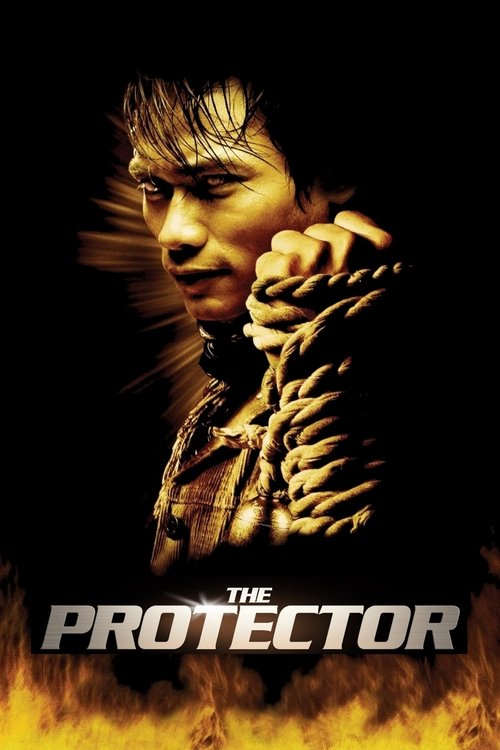
The Protector2005
Both films use action choreography as a moral language—the grace of combat reveals character, and violence is treated with seriousness rather than quippy detachment. Legendary Assassin's quiet killer finds his counterpart in Jaa's earnest, damaged protagonist.
Tony Jaa in an unexpected role: a man searching for stolen elephants across Australia. It's absurd, sincere, and features the most inventively brutal action sequences ever filmed—a stairwell fight that's essentially a Escher painting of violence.
But The tone is tonal whiplash: it shifts between genuine tenderness for animals and bone-breaking savagery without apology. The plot is genuinely weird. Not everyone wants that from their action film.
More like this (8)
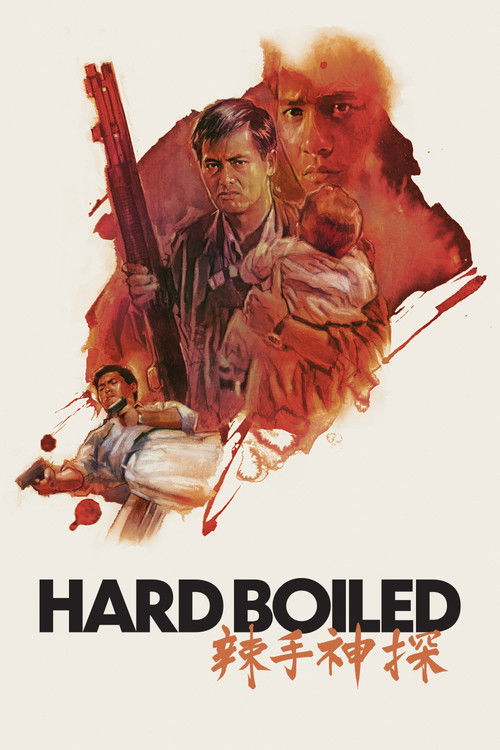
Hard Boiled1992
John Woo's masterpiece: Chow Yun-fat and Tony Leung in a ballet of gunfire and betrayal. This is the film that invented the visual language that Legendary Assassin inherits. Essential viewing for anyone serious about action cinema.
But It's 30 years old and the film stocks and effects show their age. The melodrama can feel overheated if you watch it cold, though that's part of its charm.
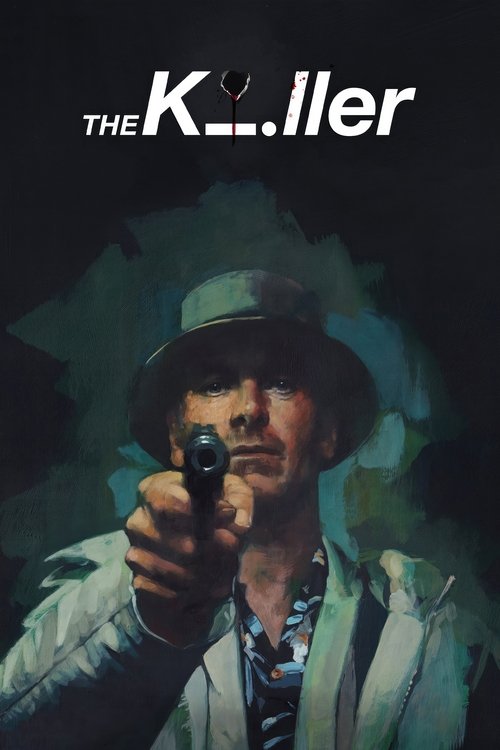
The Killer2023
David Fincher's cool, methodical remake of the John Woo classic. Michael Fassbender as a hitman alone with his thoughts; it's contemplative where the original was passionate, and genuinely unsettling in its precision.
But This is meditation, not spectacle. If you want the balletic action scenes of the original, you'll find this frustratingly restrained and talky.
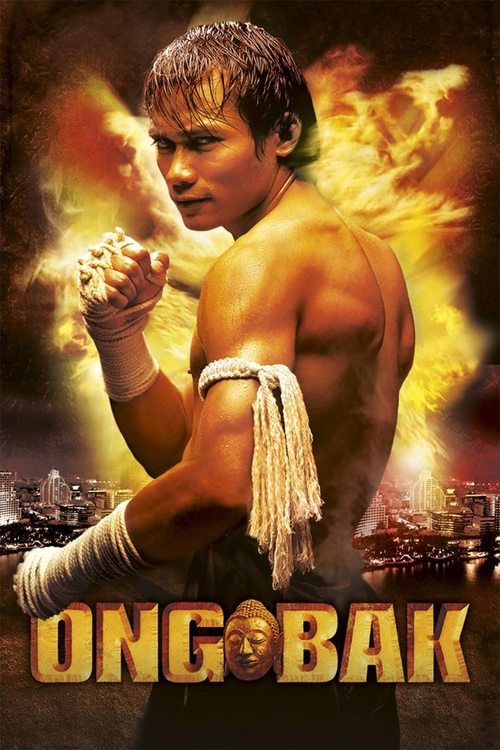
Ong-Bak2003
Tony Jaa's debut: a stunt performer playing a village warrior in Bangkok. The action is unadorned and authentic—Jaa performing his own moves, often for the first time on film, with genuine danger visible in every sequence.
But The plot is tissue-thin and the dialogue barely registers. It's a pure action showcase, which means the quiet moments between fights feel like waiting rooms.
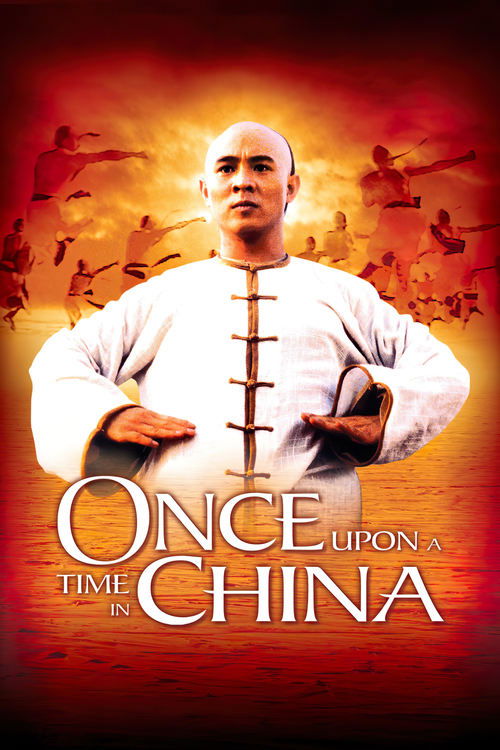
Once Upon a Time in China1991
Tsui Hark's kung-fu epic with Jet Li as Wong Fei-hung. It balances period spectacle, political intrigue, and absolutely stunning choreography—the final fight against Donnie Yen is a masterclass in what action cinema can do.
But The early 90s visual effects look dated, and the tonal shifts between comedy, drama and action feel jarring if you're not attuned to that particular style of Hong Kong filmmaking.
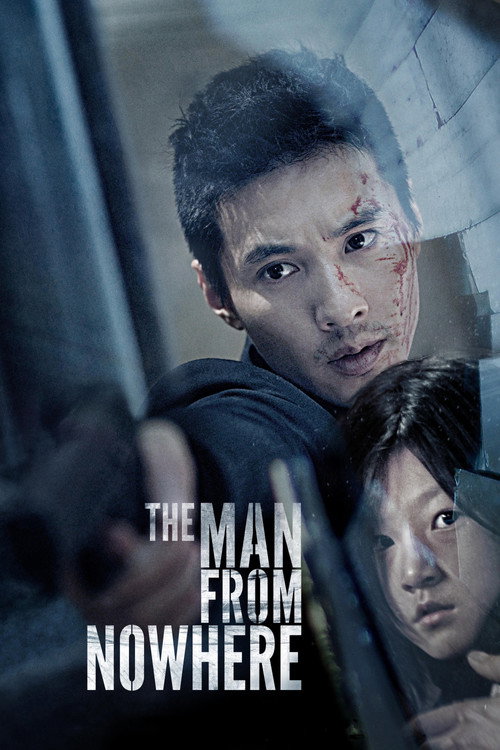
The Man from Nowhere2010
Won Bin as a quiet shopkeeper forced back into the criminal underworld to save a girl. Korean action filmmaking at its most controlled and devastating—every fight feels earned, every movement precise, building to an absolutely crushing climax.
But It's more withdrawn and melancholic than exhilarating. The pacing is deliberate, sometimes glacial, if you're looking for constant forward momentum.
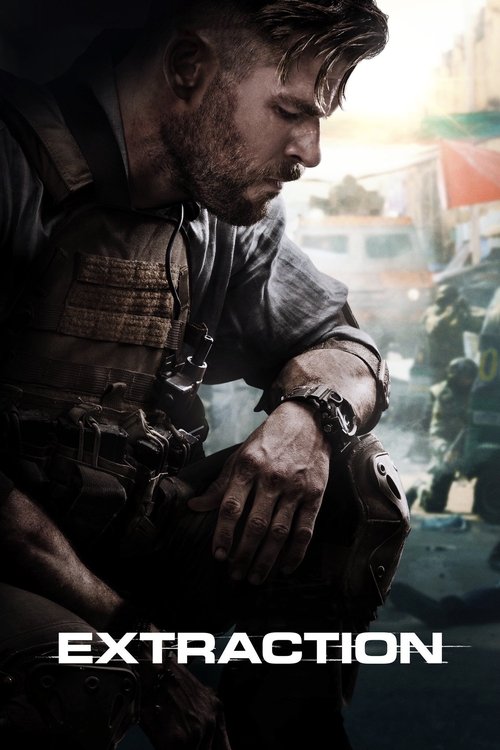
Extraction2020
Chris Hemsworth in a mission-driven action film that doesn't waste time on plot. Relentless, well-shot by Extraction director Sam Hargrave, and a showcase for modern action choreography that feels indebted to Hong Kong cinema.
But The character and emotional stakes are minimal. It's an exercise in technique rather than drama, which some viewers find hollow.
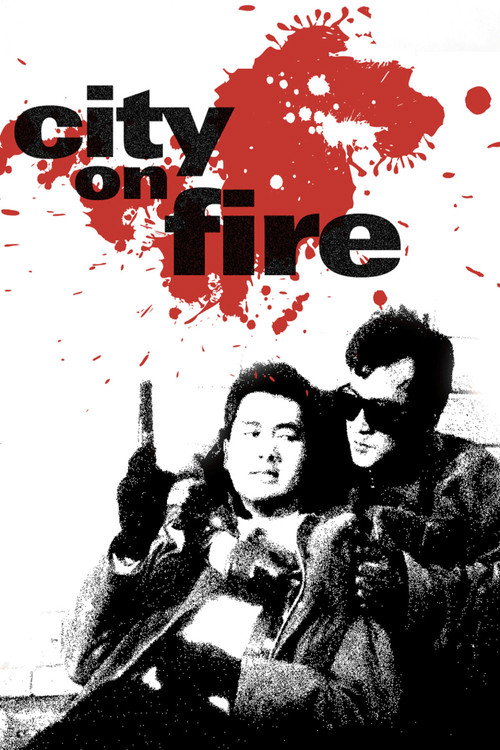
City on Fire1987
Both explore the moral ambiguity of cops and killers occupying the same moral space. Legendary Assassin follows from this tradition—the female officer's sympathy for the assassin isn't weakness, it's the recognition that law and criminality are closer than institutions admit.
Ringo Lam's prototype for undercover cop thrillers—Chow Yun-fat infiltrating a gang, the lines between cop and criminal blurring until they're indistinguishable. Raw, urgent, genuinely dangerous feeling.
But The print quality is rough and the pacing is erratic. Renting a proper restoration can be a hunt. The film's structure is deliberately messy, which reads as sloppy to some viewers.
In the Mood for Love2000
Legendary Assassin's unspoken understanding between the cop and the killer echoes the unsaid desire between Wong's leads. Both films know that the most powerful moments happen in silence, and that proximity across a moral chasm can be more intimate than consummation.
Wong Kar-wai's masterpiece of longing and restraint. Maggie Cheung and Tony Leung discovering an affair between their respective spouses, slowly falling in love across a corridor. Every frame is architectural perfection; it's visual poetry about proximity and distance.
But It moves at the speed of emotion rather than plot. The film is 98 minutes of yearning without resolution. If you watch action films for forward momentum, this will feel glacial and possibly pretentious.

People
Cast
 Wu JingAh Bo
 Celina JadeHiu Wor
 Noriko AoyamaChairman Ma's Wife
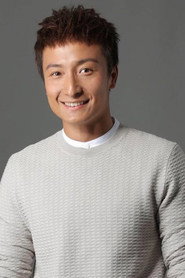 Alex Fong Lik-sunOfficer Hanson
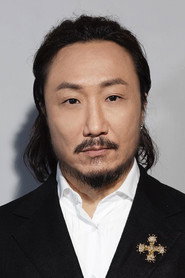 Ronald Cheng Chung-KeiUncle Zhi
 Sammy LeungTarzan
 Benz Hui Siu-hungGuan Gong
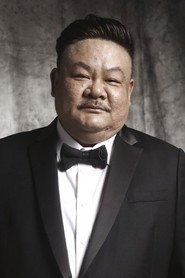 Lam SuetFat Wing
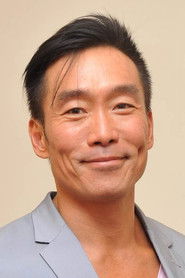 Mark Cheng Ho-namCommissioner Yu
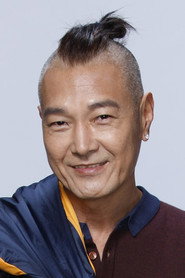 Ken Lo Wai-kwongHead of Robbers
 Tenky Tin Kai-manJellyfish

Directing
- Nicky Li Chung-ChiDirector
- Wu JingDirector
Writing
- Andrew Fung Chih-chiangWriter
Production
- Ng See-yuenProducer