
Film
A Double Life
Ronald Colman plays a stage actor consumed by the jealous madness of Othello, unable to shed the character when the curtain falls. A 1947 psychological thriller that treats method acting as a genuine mental hazard, gorgeously shot in noir shadows. For anyone fascinated by the blurred line between performance and reality, or the cost of artistic immersion.
Should you watch it?
Watch it if you are drawn to backstage dramas where the make-believe of the stage spills into a marriage, and to psychological unease that tightens slowly rather than arriving in set-piece thrills.
Skip it if you want a brisk thriller with plenty of action, since this is talky, interior and built around rehearsal scenes and conversation, and its jealousy simmers rather than boils over.
What it asks of you: Just under two hours at a measured clip, it rewards close listening through long stretches of talk and a mood that darkens by degrees, with few breathers.
Not sure? Find tonight's pick in a minute.
If you liked this
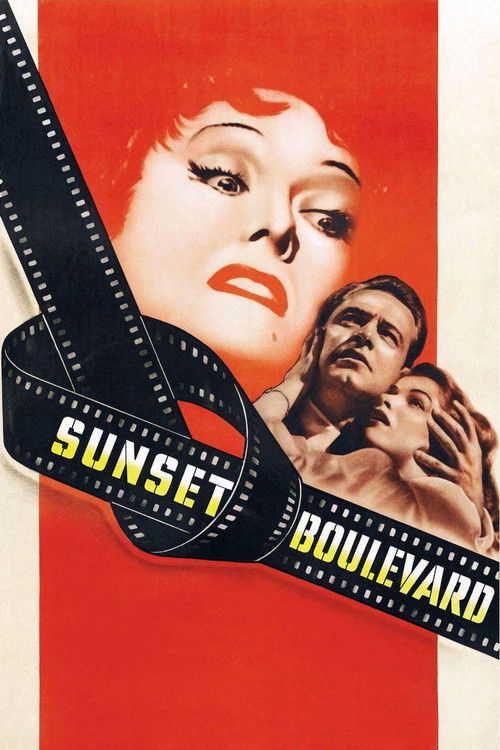
Sunset Boulevard1950
A Hollywood player drowns in delusion and nostalgia, mistaking his fantasy for reality. Billy Wilder's masterpiece about the seductive danger of living in your own myth—the closest spiritual cousin to *A Double Life*.
But The pacing is deliberate, even languid at times. If you need constant momentum, it may feel like watching someone else's fever dream in slow motion.
Singin' in the Rain1952
Gene Kelly and Donald O'Connor in the inverse scenario: performers who must hide their real selves behind charm and spectacle. It asks what happens when the mask becomes who you are, but makes you grin the whole time.
But It's a musical, and a cheerful one. If you're expecting the noir shadows of *A Double Life*, you'll be startled by how much joy is in it.

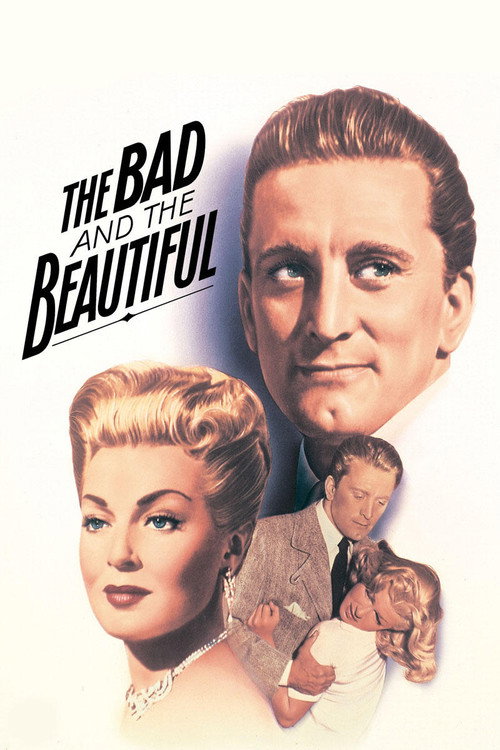
The Bad and the Beautiful1952
A producer's ruthlessness bleeds into every collaboration; his hunger to create consumes everyone around him. Minnelli captures how ambition and artistry can become indistinguishable—and destructive.
But It's more interested in Hollywood machinery than psychology. The characters are sometimes types rather than people wrestling with themselves.
Not sure tonight? Get a pick in a minute, starting from A Double Life
The wildcard
Something you would not have found on your own.
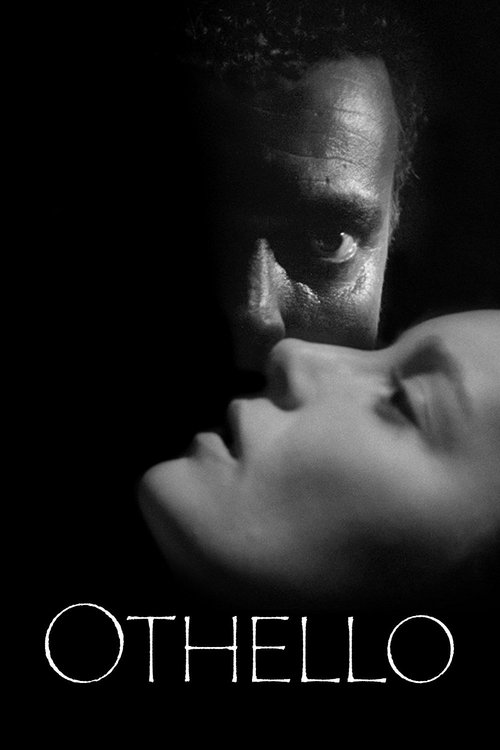
Othello1951
Where *A Double Life* uses Othello as a psychological weapon, Welles uses it as a mirror—both films ask whether an actor can survive playing obsessive madness.
Welles's own Shakespeare film, where the actor *is* Othello and the line between stage and life is the same line Colman's character stepped across. Textually identical to the play within *A Double Life*, but meditated through cinema instead of noir thriller.
But It's Shakespeare, which means the language is dense and the pacing is operatic. And Welles's production is visually baroque in ways that can feel overstuffed to modern eyes.
More like this (8)
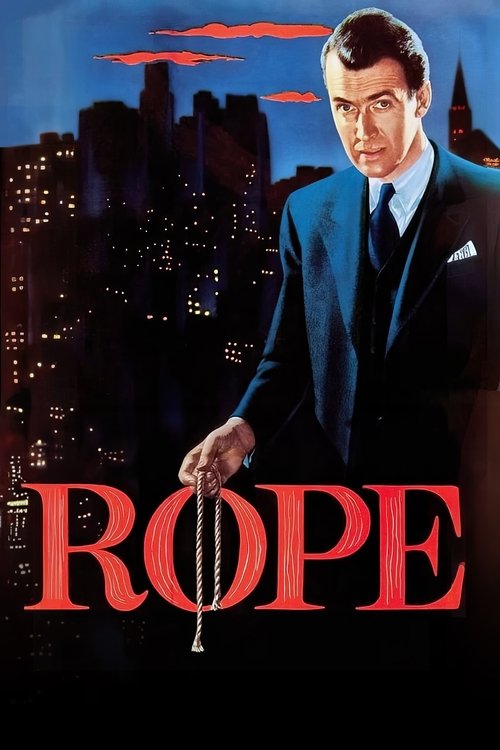
Rope1948
Two men commit murder and then must perform normalcy for their guests, maintaining a fiction for hours while terror mounts. Hitchcock's chamber piece about the exhaustion of sustained deception.
But It's almost entirely set in one room over ninety minutes. Claustrophobia is the point, which means if you're restless, you'll feel it.
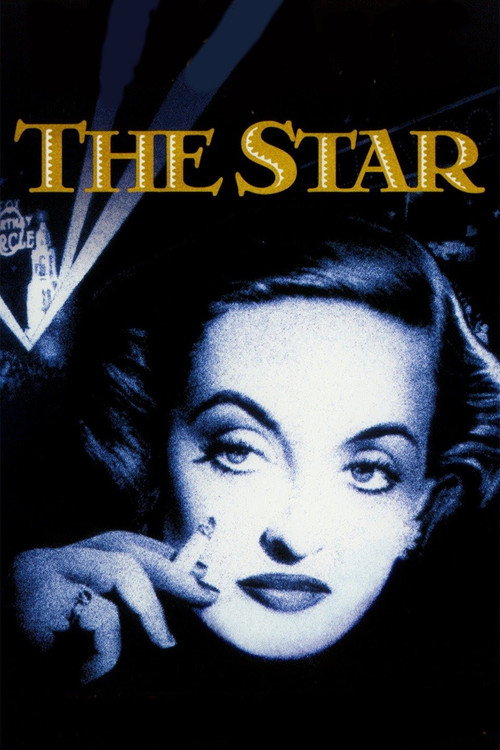
The Star1952
Bette Davis as a fading actress clinging to her glory, spiraling into resentment and drink. A raw, unsparing look at how ego and art collapse when the world stops watching.
But It's genuinely depressing, and the resolution feels smaller than the pain that got us there. Not cathartic—just sad.
In a Lonely Place1950
Humphrey Bogart as a violent screenwriter, volatile and unpredictable, destroying the one relationship that might save him. Ray examines toxic charm and the performance of normalcy from the inside.
But Bogart's character is contemptible in ways that don't resolve neatly. His pain doesn't excuse his behavior, and the film won't let you off that hook.

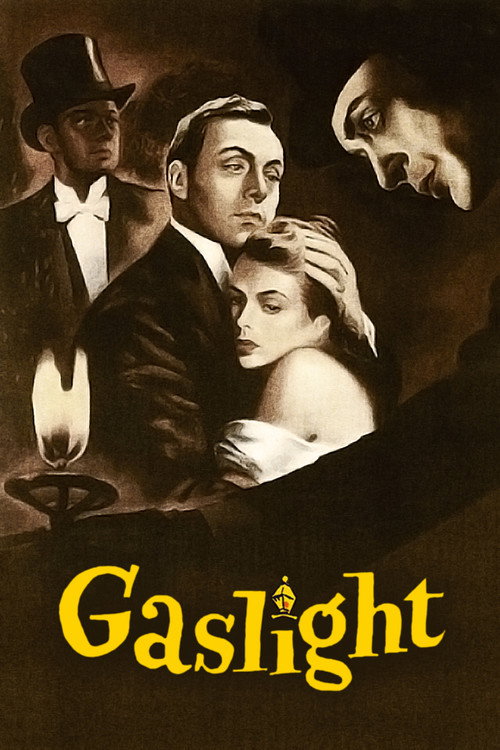
Gaslight1944
Charles Boyer as a husband systematically warping his wife's grip on reality. A thriller about psychological manipulation masquerading as love, the precursor to everything about toxic performance.
But The gender dynamics haven't aged perfectly, and the ending is gentler than the cruelty that earned it. Some will find that satisfying; others will want the reckoning to go further.
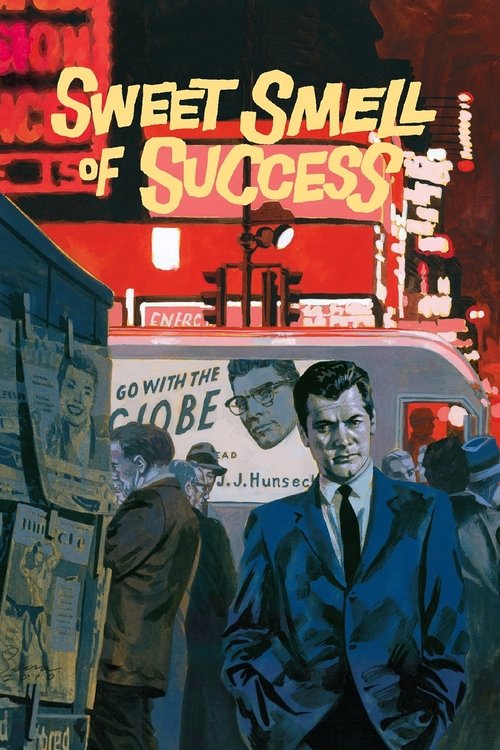
Sweet Smell of Success1957
Two men locked in a poisonous dance of mutual dependency and contempt, each performing for the other while poison seeps in. Manhattan noir at its most acidic and alive.
But The dialogue is so baroque and mannered it demands active listening. If you want plot to move you forward, the style will feel exhausting.
The Killing1956
Kubrick's debut about a heist fractured across timelines, where every actor is playing a version of themselves while the job consumes them. Economy and precision in service of slow-motion disaster.
But The narrative structure is deliberately disorienting, and the emotional payoff is minimal. It's an intellectual exercise that doesn't particularly care if you're moved.

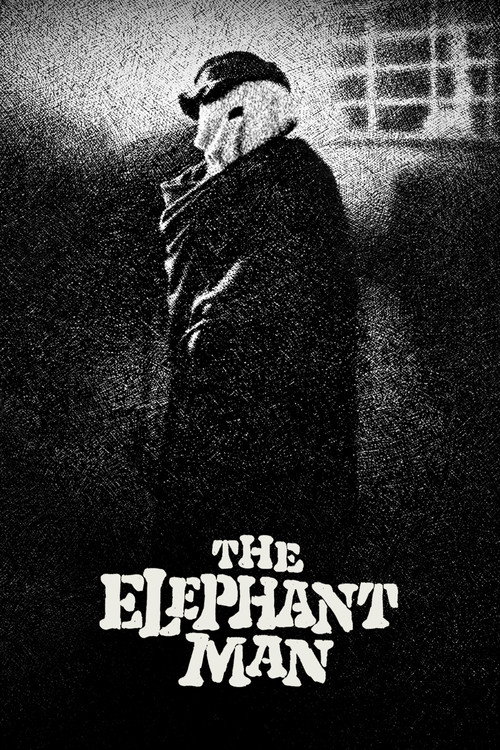
The Elephant Man1980
Both are about the self splintering under the weight of a single role, but where Colman's actor cannot escape what he's chosen, John Merrick cannot escape what he's been assigned.
Lynch's meditation on a man forced into a role—monster, specimen, tragedy—and his slow, painful discovery of self beneath the performance forced upon him. A complete inversion of Colman's descent: someone trying to *escape* the character the world has made him.
But It's deliberately paced and visually grotesque. The tone is elegiac and strange; some will find it pretentious or simply too slow to engage with.
The Servant1963
Like Colman's actor, both men are trapped in roles that consume them from within, but *The Servant* argues the role was always a fiction—there's no 'true self' left to return to.
Losey's masterpiece about power and performance, where a servant's role becomes a trap and a weapon, and the master and servant trade identities so gradually neither notices. A slow, queasy corruption of everything we assume about authenticity.
But It's elliptical and strange, with long silences and baroque design that can read as affected. The sexual and class dynamics are ambiguous on purpose, which will frustrate anyone looking for clarity.

People
Cast
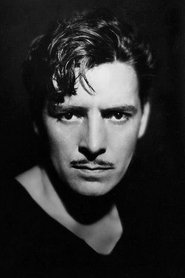 Ronald ColmanAnthony John
 Signe HassoBrita
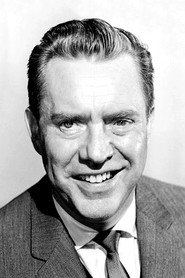 Edmond O'BrienBill Friend
 Shelley WintersPat Kroll
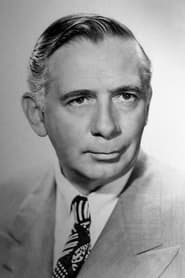 Ray CollinsVictor Donlan
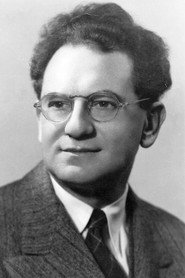 Philip LoebMax Lasker
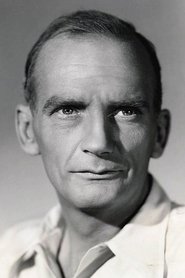 Millard MitchellAl Cooley
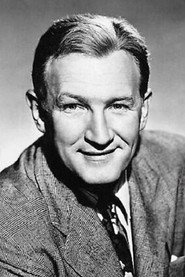 Joe SawyerPete Bonner
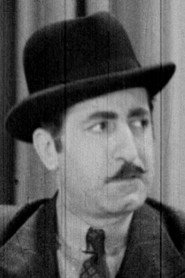 Charles La TorreStellini
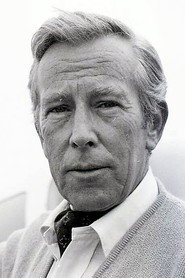 Whit BissellDr. Stauffer
- John Drew ColtStage Manager
 Peter M. ThompsonAsst. Stage Manager
Directing
- Frank ShawAssistant Director
- George CukorDirector
Writing
- Garson KaninScreenplay
- Ruth GordonScreenplay
Production
- Michael KaninProducer