
Film
The Spies
A French thriller from 1957 where a doctor's psychiatric hospital becomes a shadowy chessboard of international espionage. Curd Jürgens and Peter Ustinov lead an ensemble of suspicious characters, each with their own agenda. It's a chamber piece about paranoia, money, and the impossibility of knowing who you're really talking to—tense, smart, and built on atmosphere rather than action.
If you liked this
The Third Man1949
A masterclass in Cold War intrigue and moral ambiguity, with Orson Welles stealing scenes as a charming black-marketeer. The Vienna setting and zither score create an unforgettable texture of corruption and betrayal.
But It's deliberately paced and requires patience with post-war European cinema. Some find it mannered rather than gripping.

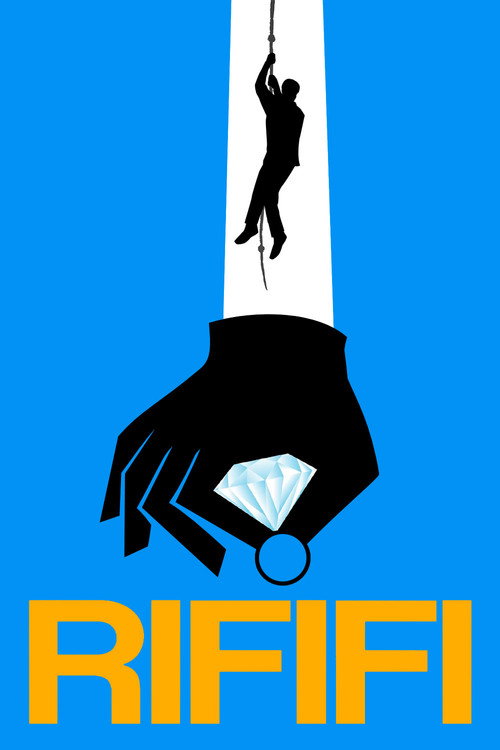
Rififi1955
A French heist film with a famous silent robbery sequence that builds unbearable tension. The ensemble cast and shadowy Parisian nightlife create a world of professionals operating in moral grey zones.
But The plot can feel thin between set pieces, and some character motivations stay deliberately murky. It demands active watching.
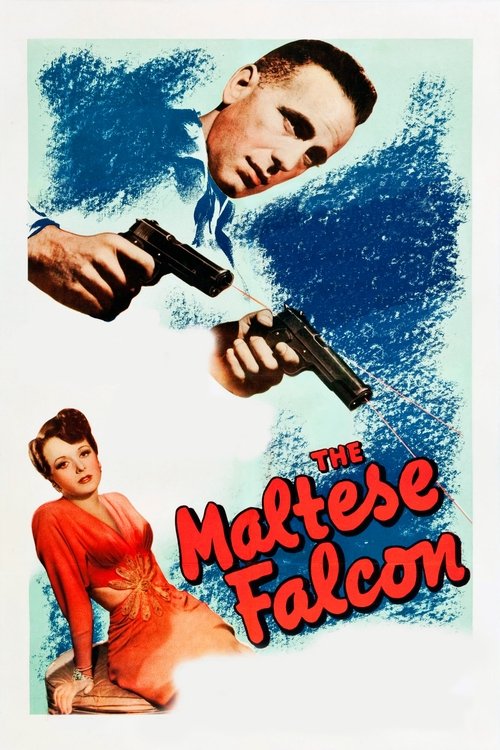
The Maltese Falcon1941
Multiple people chasing the same mysterious object through a city, each with their own hidden agenda. Bogart's performance and Huston's direction create a gold standard for paranoid thriller construction.
But The pacing feels deliberate by modern standards, and its famous. If you want surprises, you'll need to come fresh to it.
Not sure tonight? Get a pick in a minute, starting from The Spies
The wildcard
Something you would not have found on your own.
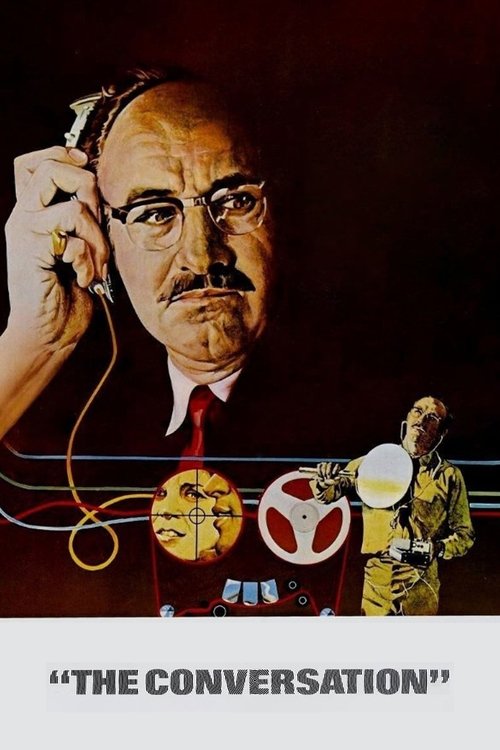
The Conversation1974
Both films trap their characters in systems of observation and suspicion where no one is entirely innocent. The question isn't what's happening—it's whether anyone can be trusted to tell the truth about it.
A surveillance expert suspects the couple he's bugging are in danger, and his professional detachment starts to crack. Coppola builds unbearable paranoia through sound design and moral deterioration—you feel watched and complicit.
But It's methodical and internal rather than thrilling. Long stretches have little dialogue, and Gene Hackman's protagonist is not sympathetic. It's lonely to watch.
More like this (7)
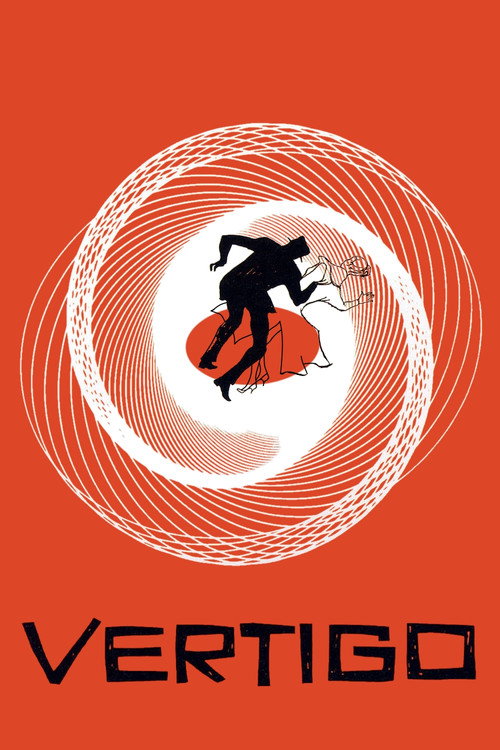
Vertigo1958
A spy thriller wrapped in psychological obsession. Hitchcock's icy control, the San Francisco locations, and the twist that undoes everything you thought you understood make this endlessly rewatchable.
But It's slow in places and the gender dynamics are deeply troubling. The famous twist can feel manipulative on second viewing.
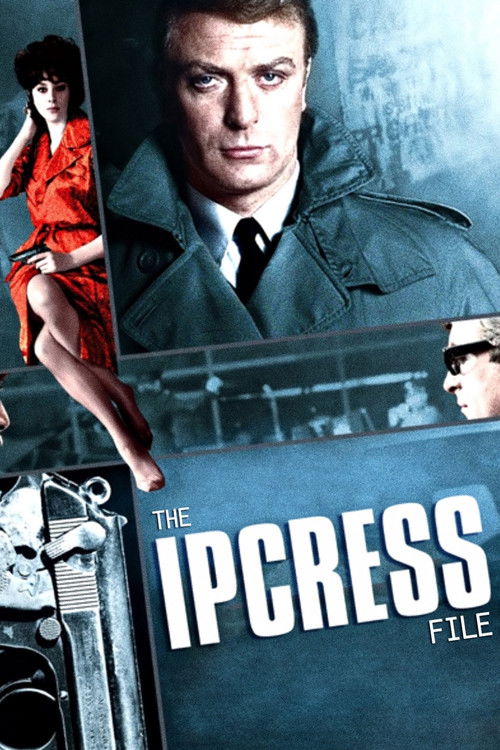
The Ipcress File1965
A sharply executed spy thriller with Michael Caine as a working-class agent navigating Cold War espionage. Gritty 1960s London and a plot built on misdirection rather than spectacle.
But It's more cerebral than action-packed. If you want car chases and explosions, this stays deliberately small and intellectual.
The Killing1956
Kubrick's debut is a racetrack heist told with fragmentary chronology and multiple unreliable perspectives. The ensemble, the snappy dialogue, and the inevitability of its ending reward close attention.
But The fragmented timeline can feel mannered rather than meaningful. It's more admirable than warm, and some scenes drag.

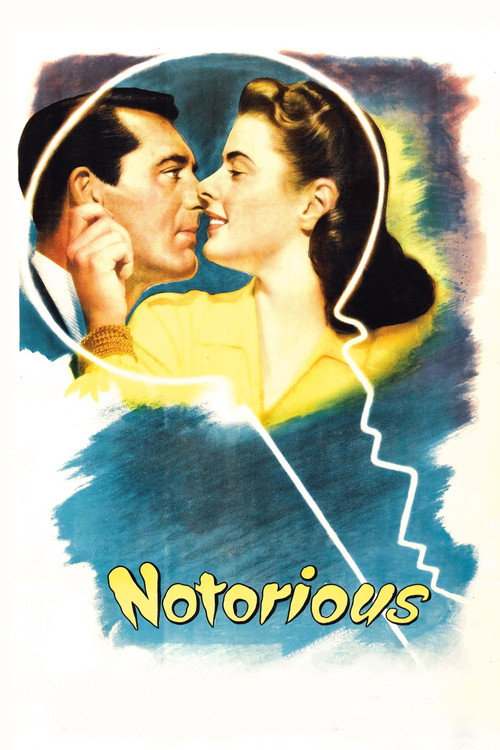
Notorious1946
Hitchcock's Cold War spy romance where seduction and espionage become indistinguishable. Cary Grant and Ingrid Bergman create crackling tension, and the moral compromises feel genuinely agonizing.
But The sexual politics are uncomfortable by today's standards. The ending resolution feels rushed after a long, intricate setup.
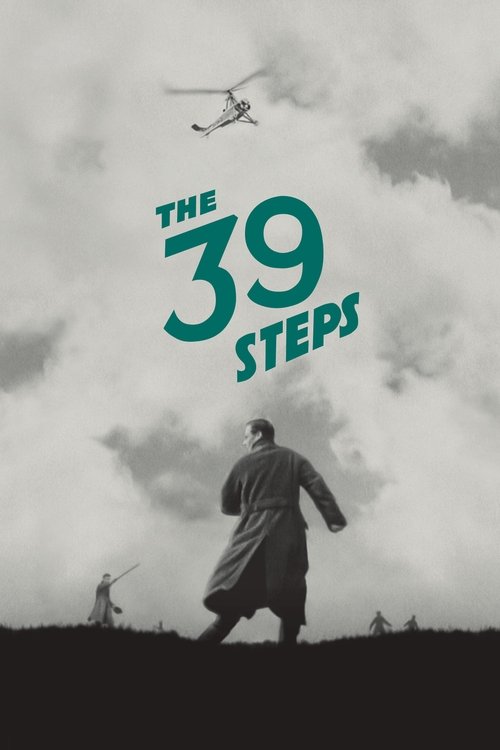
The 39 Steps1935
A wrongly accused man thrust into espionage, hunted across Scotland by both the police and foreign agents. Hitchcock invents the blueprint here—witty, kinetic, and genuinely suspenseful.
But It's older and shorter than you might expect, with some plot mechanics that now feel quaint. The pacing assumes a very different audience attention span.
Stalker1979
Both explore how secrets and hidden agendas corrupt enclosed spaces. Characters gather in a liminal zone with competing versions of truth, each person a potential threat to the others' survival or sanity.
A mysterious guide leads two men through a forbidden zone toward a room that grants wishes. Tarkovsky's Russian sci-fi is hypnotic and philosophically rigorous, asking what happens when your deepest desire becomes visible.
But It's three hours of slow Russian cinema. Plot barely exists. If you need conventional narrative momentum or clear answers, this will frustrate you intensely.

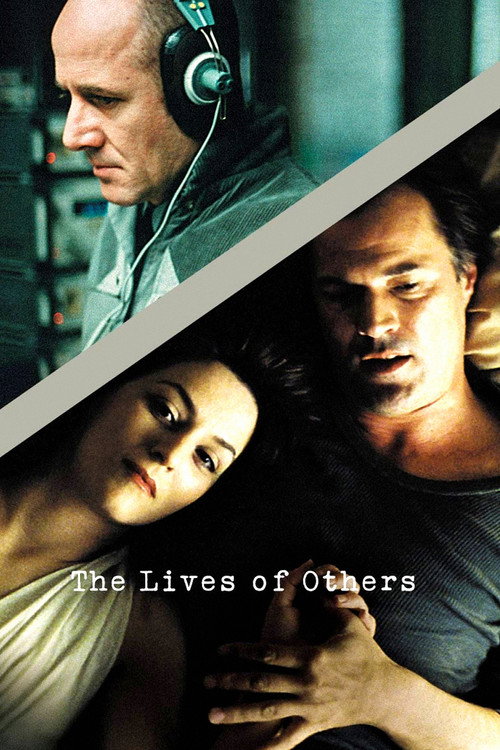
The Lives of Others2006
Like The Spies, it's built on the question of who is really watching whom, and what happens when the watcher recognizes the humanity of the watched. Both films understand that in a world of secrets, empathy becomes dangerous.
A Stasi surveillance agent begins to empathize with the people he's spying on, and his ideological certainty fractures. A German film that captures the moral architecture of secrets—brilliant, heartbreaking, and tautly constructed.
But It's a portrait of complicity that doesn't feel triumphalist. The ending offers no catharsis, and some find it depressing rather than illuminating.
People
Cast
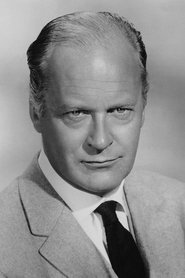 Curd JürgensAlex
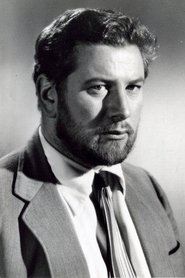 Peter UstinovMichel Kiminsky
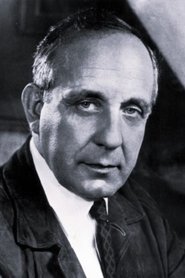 O.E. HasseHugo Vogel
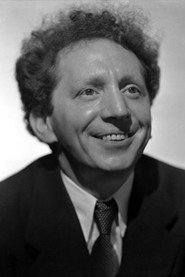 Sam JaffeSam Cooper
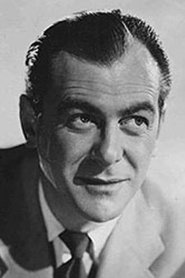 Paul CarpenterCol. Howard
 Véra ClouzotLucie
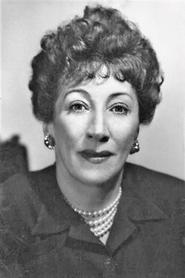 Martita HuntConnie Harper
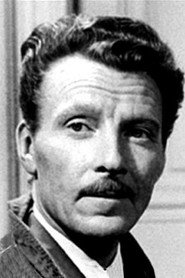 Gérard SétyDr. Malic
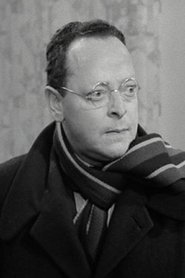 Clément HarariVictor
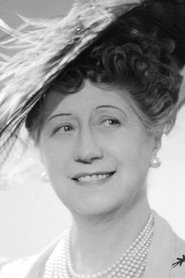 Gabrielle DorziatMadame Andrée l'infirmière
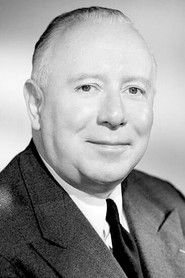 Louis SeignerValette
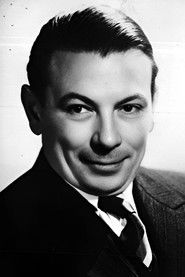 Jean BrochardLe surveillant-général
Directing
- Henri-Georges ClouzotDirector
Writing
- Henri-Georges ClouzotWriter
- Jérôme GéronimiWriter
Production
- Henri-Georges ClouzotProducer