
Film
Femme Fatale
Brian De Palma's glossy thriller about a con artist who steals diamonds, erases her identity, and marries into diplomacy—until a paparazzi photo threatens to unravel everything. It's a kinetic, style-soaked ride through Paris and mirrors, built on twists that land because De Palma choreographs every frame. For anyone who loves intricate plotting wrapped in visual excess and doesn't mind when the plot serves the spectacle.
Should you watch it?
Watch it if you love Brian De Palma's sleek, sensuous puzzle-films, where the pleasure is in elaborate set pieces, glossy camera moves and a plot that keeps folding back on itself.
Skip it if you want a tight, grounded thriller with clear logic; this one bends reality on purpose and asks you to accept a lot of style over explanation.
What it asks of you: Around two hours, unhurried at first and then twisty, and it wants you to stay alert, because it rewards close attention and doesn't stop to recap.
Not sure? Find tonight's pick in a minute.
If you liked this
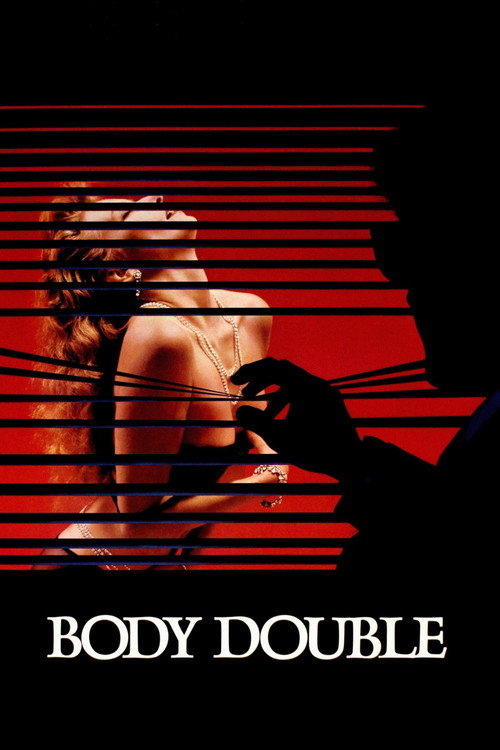
Body Double1984
De Palma's masterpiece about voyeurism and mistaken identity. If you loved the architectural elegance and moral vertigo of Femme Fatale, this is the film that taught him the language. Spellbinding and depraved.
But The sexual politics are genuinely ugly, even by '80s standards. And it's deliberately unsexy about desire in ways that can feel punitive.
Marnie1964
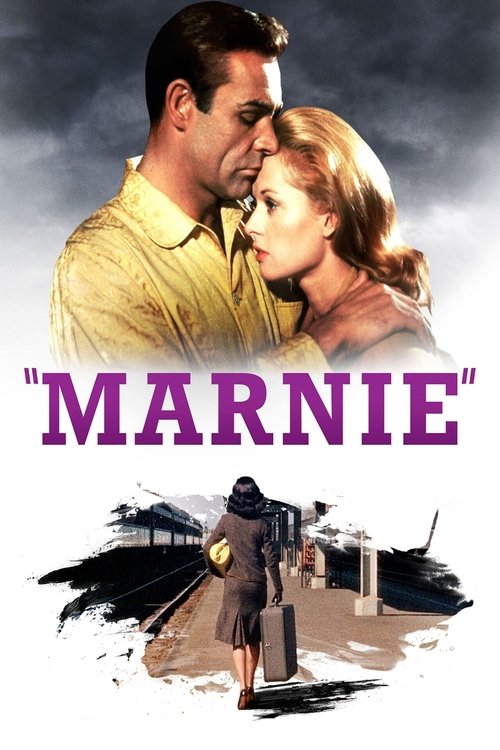
Hitchcock's obsession with a compulsive liar and thief. Like Femme Fatale, it's about a woman who invents herself, and the men who become fixated on uncovering the truth. Hypnotic and psychologically thorny.
But Hitchcock's famous tampering with the ending softens the bite. And the clinical coldness might feel distant compared to De Palma's baroque warmth.
Memento2000
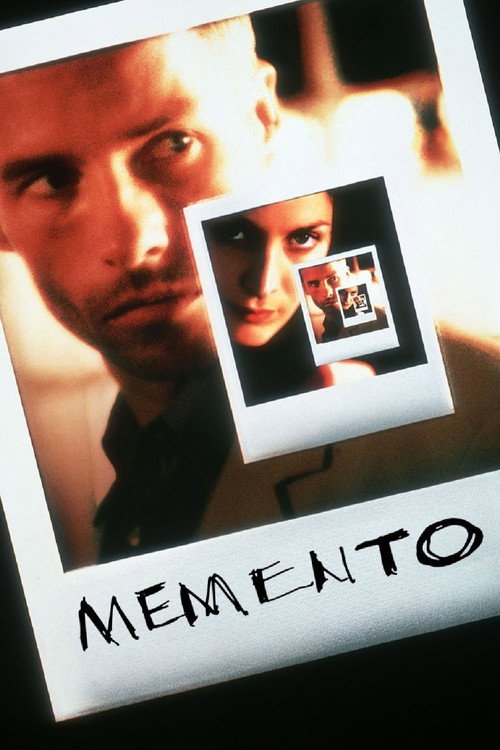
Nolan's non-linear puzzle about identity and deception. The structure itself becomes the statement: how do you know what's real when you can't trust the sequence of events? It has Femme Fatale's love of misdirection and visual intelligence.
But The backwards narrative can feel like a gimmick if you're not patient with it. Rewatchability is almost mandatory to feel the full effect.
Not sure tonight? Get a pick in a minute, starting from Femme Fatale
The wildcard
Something you would not have found on your own.
A Prophet2009
Both films treat identity as a construct that can be deliberately built or destroyed. Both are shot with architectural precision. But Audiard uses that precision to explore real human cost, where De Palma uses it for the thrill.
Audiard's masterpiece about a man who reinvents himself in prison through will and performance. Like Femme Fatale, it's about identity as a project: stripping down and rebuilding yourself. It has De Palma's visual intelligence but grounded in genuine moral weight. Extraordinary.
But It's a French prison drama, and it doesn't shy from brutality, sexuality, or length (155 minutes). Subtitles and intensity required. Some will find it exhausting rather than exhilarating.

More like this (8)
Bitter Lake2015
Adam Curtis's essay-film about geopolitics and the unreliability of narrative. It shares Femme Fatale's conviction that reality is constructed, that the surface is all we have, and that style and substance are the same thing.
But It's a documentary without a clear argument. Some will find it visionary; others will call it pretentious collage without a point.
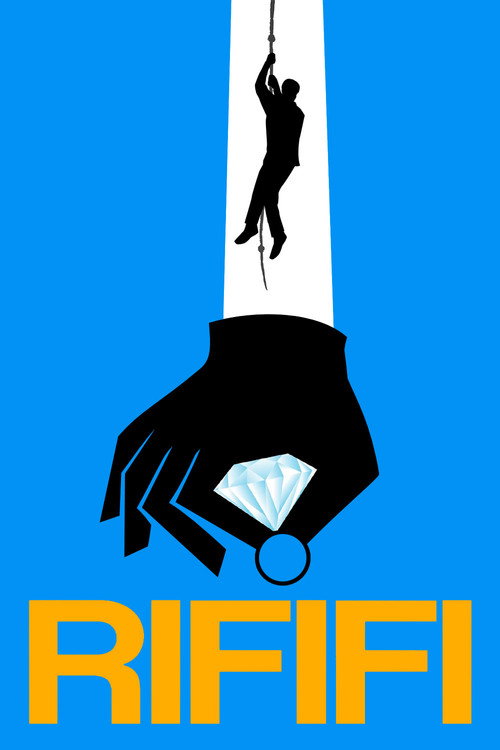
Rififi1955
Dassin's jewel-heist noir. The diamond theft here is silent, balletic, pure cinema. It's the DNA for every stylish heist film, and Femme Fatale breathes its air. Elegant and ruthless.
But Shot in 1955 and it shows. The pacing is deliberate, almost hypnotic—impatient viewers will find it slow.
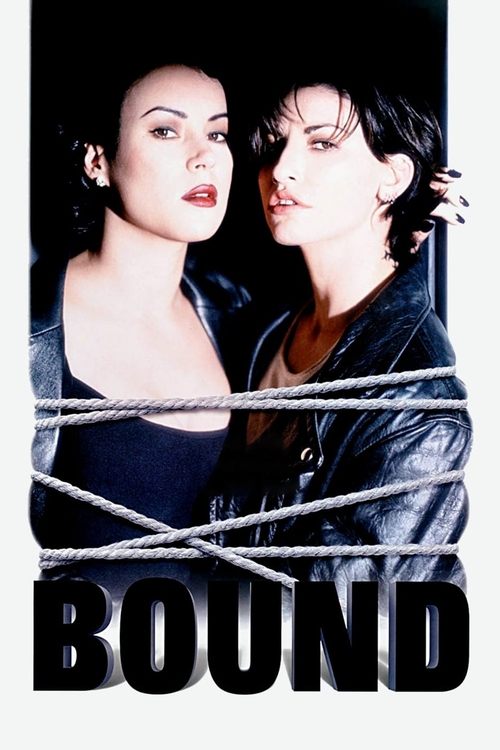
Bound1996
The Wachowskis' debut about two women and a con. It has Femme Fatale's sexual charge, its obsession with surfaces and double-crossing, its belief that style is not decoration but the entire point. Also features Rebecca Romijn's magnetic presence in a complex role.
But The erotic thriller elements can feel dated. Some moments veer toward parody, though it's unclear if intentionally.
Mulholland Drive2001
Lynch's Los Angeles fever dream about identity, cinema, and the self. Like Femme Fatale, it's obsessed with the gap between who we are and who we perform. A meditation on the image as lie.
But It's abstract and dreamlike in ways that resist explanation. Some find it brilliant; others find it impenetrable or self-indulgent.

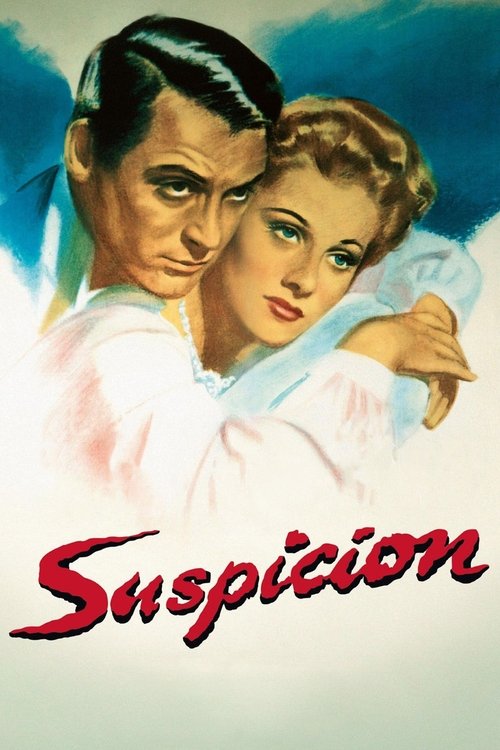
Suspicion1941
Hitchcock's portrait of a woman unsure if her husband is a murderer. It shares Femme Fatale's architecture of doubt: can you trust what you see? Is anyone who they claim to be? Cary Grant has never been more unsettling.
But The studio-imposed ending gutted Hitchcock's vision. It's still great, but you feel the compromise in its bones.
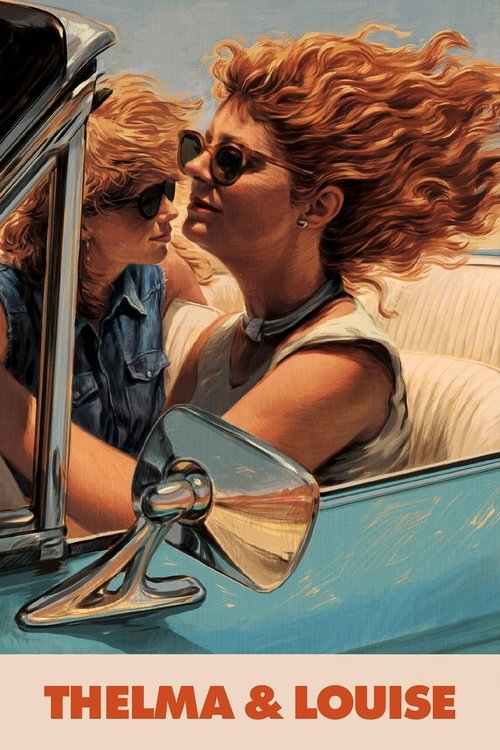
Thelma & Louise1991
Scott's road film about women who refuse to disappear into the system. It's not a thriller quite like Femme Fatale, but it shares the energy: female agency, the refusal to be caught, the visual grandeur of escape.
But Some modern viewers find the sexual violence and its resolution reductive. The ending, though iconic, can feel heavy-handed.
Ghostland2018
Both deploy visual elegance as a mask for moral corruption. Both make you rewatch mentally the moment you finish. Both are ultimately about the distance between surface and secret.
Nolan's horror-thriller about two sisters haunted by a past intrusion. What makes it bracingly strange: the narrative unfolds in two timelines simultaneously, and you realize halfway through that nothing is what you thought. It has Femme Fatale's love of misdirection but weaponizes it toward genuine dread.
But It's violent and disturbing in ways that feel designed to upset. The twist divides audiences sharply—some find it genius, others find it exploitative.

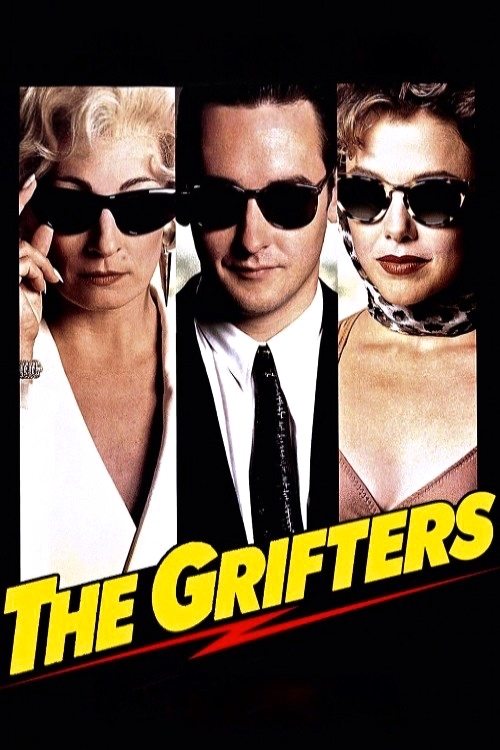
The Grifters1990
Both are about characters for whom deception is not a crime but a way of life. Both treat that as morally neutral, or worse. But The Grifters refuses De Palma's baroque forgiveness—it just watches them rot.
Frears' adaptation of Thompson's novel about con artists and long cons. Anjelica Huston gives one of cinema's great predatory performances. It has Femme Fatale's sleekness and its moral vacancy—these people are smart and beautiful and remorseless. And unlike De Palma, it never asks you to forgive them.
But It's cynical to the bone. There are no heroes and no catharsis. The tone is acid and the ending is small and bitter. Some will call that honesty; others will find it joyless.
People
Cast
 Rebecca RomijnLaure Ash / Lily Watts
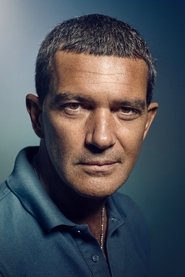 Antonio BanderasNicolas Bardo
 Peter CoyoteWatts
 Ériq EbouaneyBlack Tie
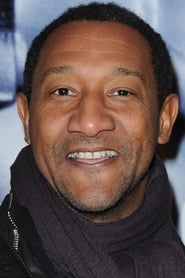 Édouard MontouteRacine
 Rie RasmussenVeronica
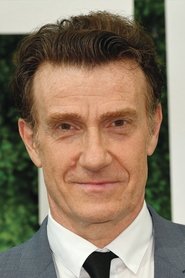 Thierry FrémontSerra
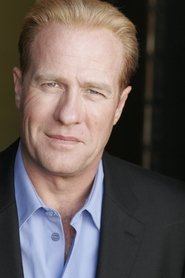 Gregg HenryShiff
- Fiona CurzonStanfield Phillips
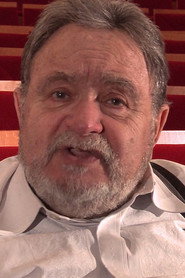 Daniel MilgramPierre / Bartender
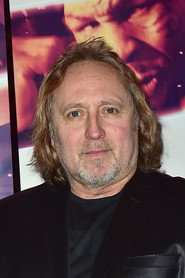 Jean-Marc MinéoSeated Guard
- Jean ChatelCannes Commentator
Directing
- Brian De PalmaDirector
- Dominique DelanyFirst Assistant Director
- Jerome BorensteinFirst Assistant Director
- Aruna VilliersScript Supervisor
- Gil KennySecond Assistant Director
- Franck VestielSecond Second Assistant Director
- Romuald WeberSecond Second Assistant Director
Writing
- Brian De PalmaWriter
Production
- Chris SoldoAssociate Producer
- Billy HopkinsCasting
- Kerry BardenCasting
- Suzanne Smith CrowleyCasting
- Mark LombardoExecutive Producer
- Patrick PesentiLocation Manager
- Marina GefterProducer
- Tarak Ben AmmarProducer
- Denis BramiProduction Coordinator
- Ginette MejinskyProduction Supervisor
- Yorick KalbacheUnit Manager