
Film
Mango Yellow
- Social drama
- Very dark
Mango Yellow is a Brazilian ensemble drama set in Recife where five damaged lives collide—a butcher, his wife, a waitress, a sadist, and a flophouse manager. It's lean and unflinching, built on sharp character work and the kind of social observation that finds dark comedy in desperation. For viewers drawn to intimate, unglamorous human portraits.
If you liked this
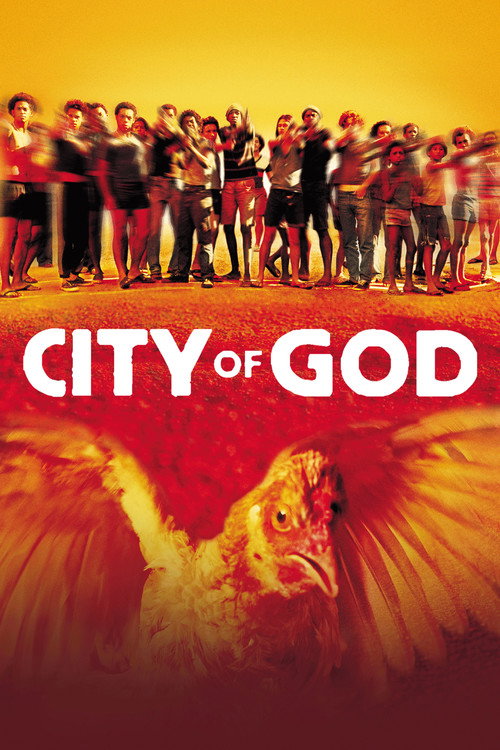
City of God2002
An interlocking portrait of Rio's favelas that shares Mango Yellow's talent for finding structure in chaos and dignity in brutal circumstances. Both films treat their characters as fully human regardless of their circumstances.
But It's visually pyrotechnic in ways Mango Yellow isn't—if you want restraint and quiet observation, this is a step too far the other direction.
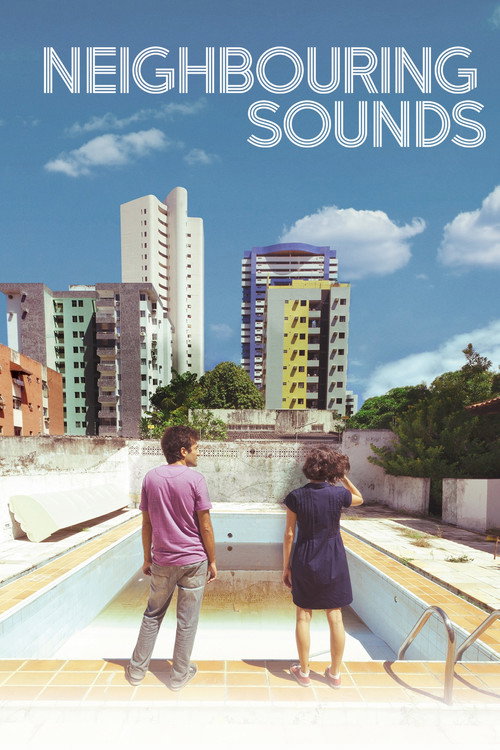
Neighboring Sounds2012
Another Brazilian film about ordinary people navigating class and desire in a specific place. Kleber Mendonça Filho shares the same gift for letting tension build from small behavioral details and unspoken resentments.
But Even slower than Mango Yellow. It trusts silence in ways that will feel like nothing is happening if you need plot momentum.
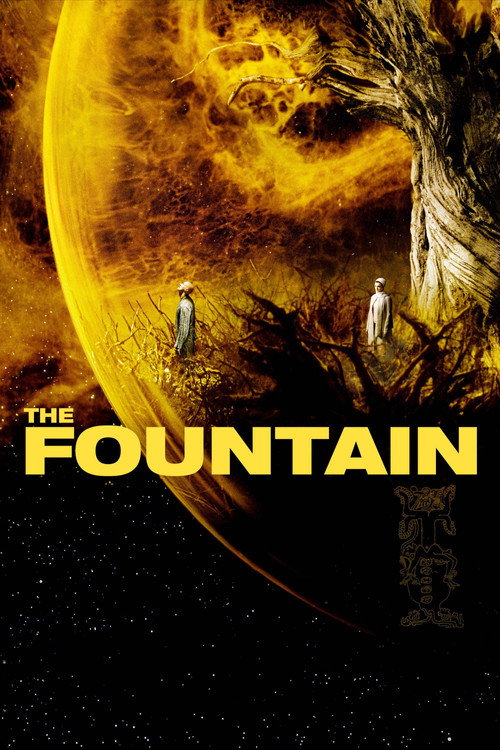
The Fountain2006
Three interlocking stories about desire and loss across time, constructed with the same formal ambition to find pattern in human suffering. Both films reward patience and close attention to structure.
But Much more formally experimental and emotionally grandiose. If you want Mango Yellow's dry clarity, this will feel baroque and overwrought.
Not sure tonight? Get a pick in a minute, starting from Mango Yellow
The wildcard
Something you would not have found on your own.
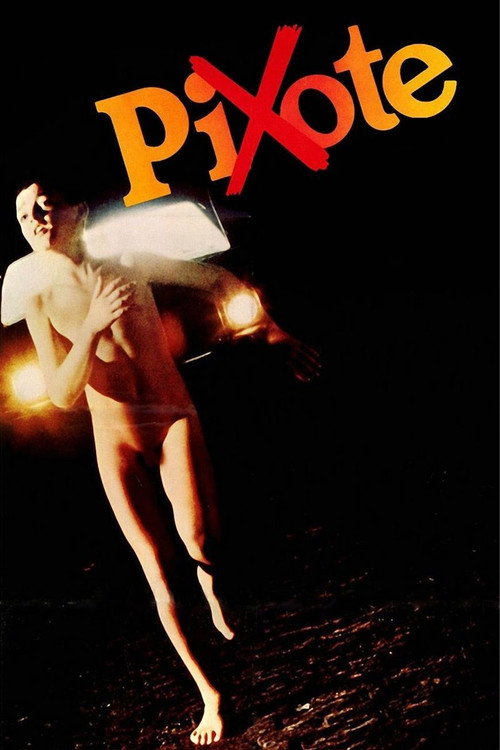
Pixote1980
Both are Brazilian portraits of people at society's margins; Pixote is the predecessor that Mango Yellow inherits and softens.
Hector Babenco's brutal masterpiece about street children in São Paulo. Like Mango Yellow, it finds full humanity in people society has written off, but it's shot as documentary realism rather than ensemble drama. The connection is moral and geographical—both films are Brazilian indictments of how poverty manufactures desperation.
But More explicitly violent and exploitative in its subject matter. Some of what you see will stay with you in ways that feel damaging rather than clarifying.
More like this (8)
Hard Candy2006
A two-hander that traps you in a room with manipulation and rage. Shares Mango Yellow's willingness to sit with uncomfortable power dynamics and moral ambiguity without offering easy judgments.
But Extremely claustrophobic and built almost entirely on antagonism. Mango Yellow's ensemble work gives you more breathing room.

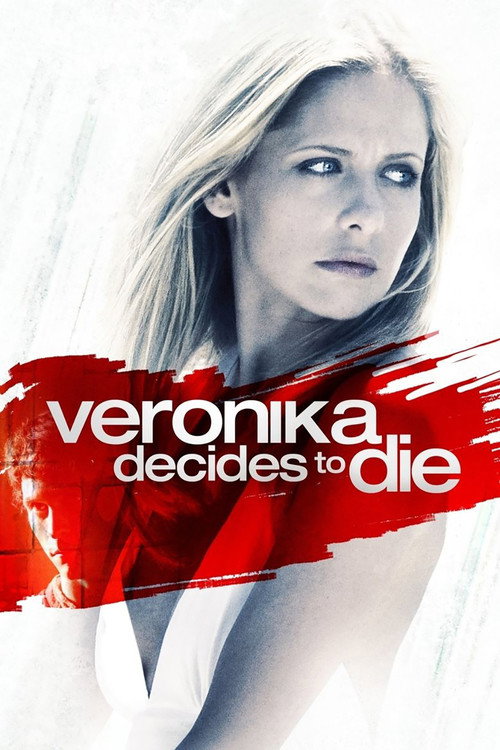
Veronika Decides to Die2009
A suicide attempt brings together a group of people in crisis. It has the same interest in how strangers become witnesses to each other's damage, and the strange intimacy that creates.
But More overtly sentimental and life-affirming in tone. Mango Yellow is rougher and less interested in redemption.
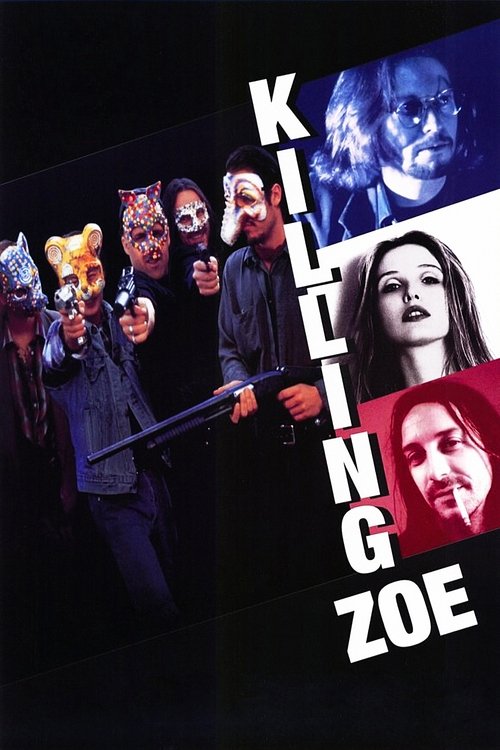
Killing Zoe1993
A heist film that's really about strangers and desire in a confined space, with the same moral murk as Mango Yellow. Both films interrogate violence and sexuality without moralizing.
But Shot on a much smaller budget and with a grainier aesthetic. If you want Brazilian specificity and social observation, this American film will feel generic.
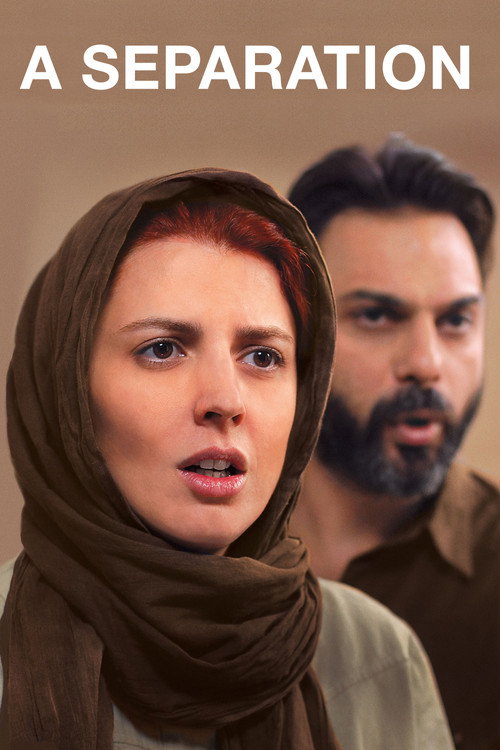
A Separation2011
An Iranian ensemble drama where a marriage dissolving ripples through a community. Like Mango Yellow, it's interested in how personal failure intersects with social pressure and circumstance.
But More formally and narratively complex. Mango Yellow's directness will feel easier in comparison.
Fish Tank2009
A British film about a young woman in a working-class London estate trying to escape through dance. Shares the same unblinking view of poverty, sexuality, and the small brutalities that accumulate.
But More kinetic and aggressive. Mango Yellow's quieter pacing and ensemble structure will feel like a step back into stillness.

Amreeka2009
A Palestinian family navigates displacement and survival in post-9/11 America. Both films are interested in how ordinary people maintain dignity in systems designed to diminish them.
But More hopeful in tone. Mango Yellow operates in a darker register and offers fewer consolations.

Hunger2008
Both use formal restraint and the body as text rather than dialogue or exposition to convey internal states.
Steve McQueen's film about the Irish hunger strike, told through pure visual and behavioral language with almost no dialogue. It shares Mango Yellow's refusal to explain or judge, letting you sit with physical reality until meaning emerges. Both films trust the viewer's intelligence.
But Much more formally austere. If you're coming from Mango Yellow's character-driven ensemble work, this will feel like watching a photograph rather than a story.

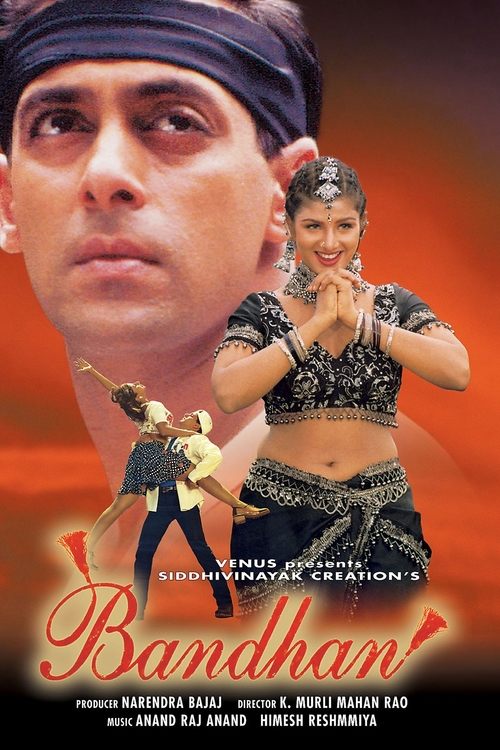
Bandhan1998
Both center on marriage as a site of quiet violence and the ways affection and cruelty live in the same gesture.
An Indian film about a blind woman and the man she marries, exploring desire and dependence across a marriage. It's a melodrama where the melodrama is earned through small details. Like Mango Yellow, it's interested in how people hurt each other while trying to survive together.
But In Hindi with the emotional register of classic Indian cinema—much more openly sentimental. Mango Yellow's dry tone will feel like the ground has shifted.
People
Cast
 Matheus NachtergaeleDunga
 Jonas BlochIsaac
 Dira PaesKika
 Chico DiazWellington Cannibal
 Leona CavalliLigia
- Conceição CamarotiAurora
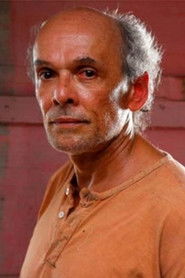 Everaldo PontesRabecão
 Magdale AlvesDaisy
- Jones MeloFather
 Hilton LacerdaHairdresser
- João FerreiraVelho Boêmio
Directing
- Tiago DelácioAssistant Director Trainee
- Cecília AraújoContinuity
- Karen BarrosContinuity
- Cláudio AssisDirector
- Julia MoraesFirst Assistant Director
Writing
- Cláudio AssisStory
- Hilton LacerdaWriter
Production
- Camilo CavalcanteCasting Producer
- Sílvio PintoCasting Producer
- Stella ZimmermanCasting Producer
- Marcello Ludwig MaiaExecutive Producer
- Paulo SacramentoExecutive Producer
- Joana D'AngelisOther
- Cláudio AssisProducer
- Paulo SacramentoProducer
- Adriana TelesProduction Assistant
- Érico MeloProduction Assistant
- Andréa MedeirosProduction Coordinator
- Dedete Parente CostaProduction Director
- Maurício TarginoProduction Trainee