
Film
The Music of Chance
- Drama
- Very dark
A tense chamber piece about two men drawn into a high-stakes poker game that becomes a descent into debt, coercion, and moral compromise. James Spader and Mandy Patinkin crackle against each other in this Paul Auster adaptation—a film that values psychological unease over plot momentum. Uncompromising and strange; for viewers who don't need a neat resolution.
If you liked this
A Prophet2009
Like The Music of Chance, a confined story about men trapped by circumstance and forced into a web of obligation. Jacquot's direction creates the same suffocating atmosphere, and both films understand how power operates in enclosed spaces.
But Nearly two and a half hours, mostly set in a prison. The pace is deliberate, which some find meditative and others find slow.

Miller's Crossing1990
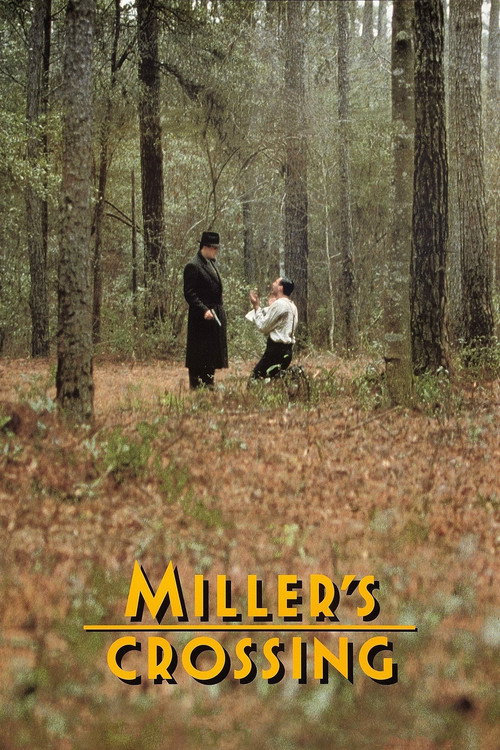
Coen Brothers crime drama with that same sharp-edged talk and moral ambiguity. Two men at the centre of competing forces, both smart and both in over their heads. The atmosphere is thick enough to cut.
But The dialogue is mannered and the plot twists require attention. It doesn't hold your hand, and the ending divides people.
Sexy Beast2001
Ben Kingsley as a force of nature disrupting an uneasy equilibrium, much like the poker players in The Music of Chance. Spanish villa, intimate dread, and a performance that rewrites the rules of the scene every moment it appears.
But Deliberately sparse and uncomfortable. Some sequences feel designed to alienate rather than entertain you.

Not sure tonight? Get a pick in a minute, starting from The Music of Chance
The wildcard
Something you would not have found on your own.
Synecdoche, New York2008
Both are Paul Auster adaptations exploring how personal catastrophe becomes inevitable through the choices we make—one realistic, one baroque. Both trust that the audience can sit with unresolved psychological damage.
Charlie Kaufman's film about a man building a life-sized replica of his city inside a warehouse—a hall of mirrors about art, obsession, and the impossible attempt to control meaning. Like The Music of Chance, it's about men trapped by the consequences of their own choices, but it's operating on a hallucinatory, surrealist register. Both films understand that the real prison is internal.
But Deliberately confusing and self-referential. The boundary between reality and fiction collapses. If you want clarity, this will frustrate you intensely.

More like this (8)
Glengarry Glen Ross1992
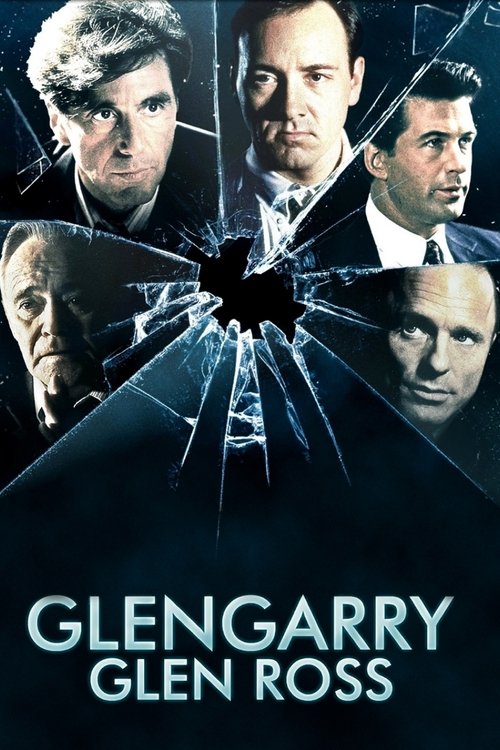
Adaptation of Mamet's play about men locked in a room together, driven by greed and shame. That same crackling dialogue, the same way pressure reveals character. Spader appears here too, and he's magnetic.
But Almost entirely dialogue. If you don't love Mamet's rhythm and wit, it will feel like watching people argue for two hours.
The Killing1956
Kubrick's lean noir about a heist plan that unravels. Two men caught between competing forces, unable to control the outcome. Economical, tense, and morally grey in exactly the way The Music of Chance is.
But Released in 1956. The pacing is different from modern crime films; patience is required. Black and white, low budget, but those are part of the power.

Hunger2008
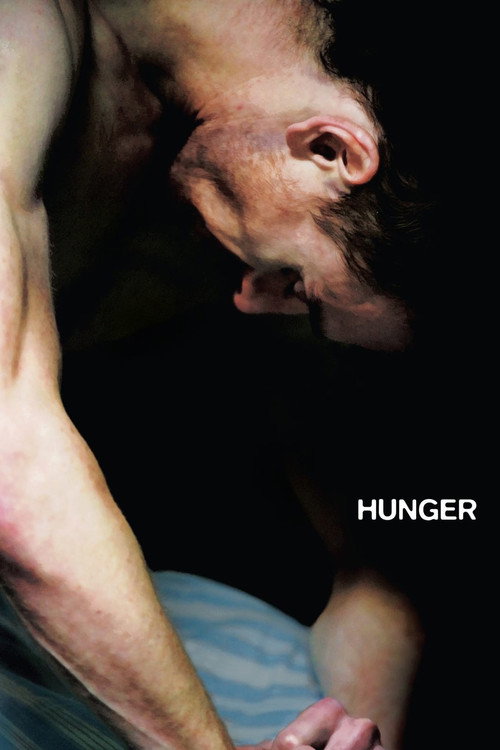
Steve McQueen's direction creates unbearable psychological tension from confined spaces and human will. Michael Fassbender and Brendan Gleeson locked in a battle of attrition. The same sense that something unseen is consuming the men on screen.
But It's about an IRA prisoner's hunger strike. Confrontational and graphic. Not designed to make you comfortable.
In the Mood for Love2000
Wong Kar-wai's masterpiece about two people drawn together by circumstance, unable to fully act. The visual poetry and emotional restraint; the sense that everything important happens in the space between actions.
But A meditation on longing rather than a narrative. If you want plot momentum, this moves like honey. Gorgeous, but not busy.

Tinker Tailor Soldier Spy2011
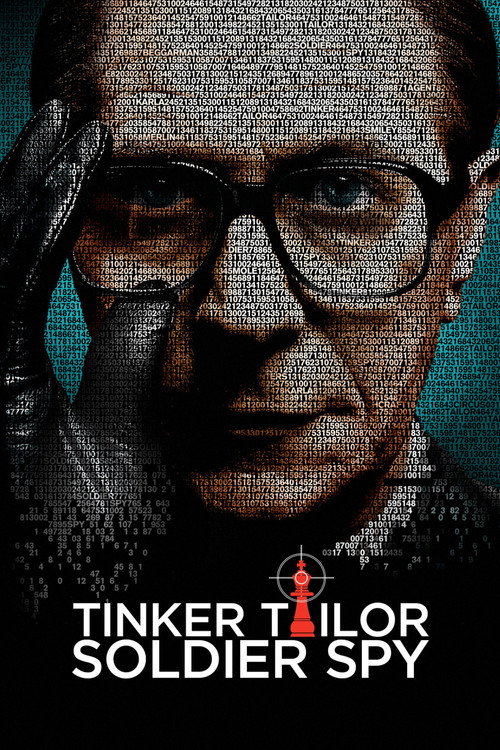
Gary Oldman's glacial spymaster unraveling a network of betrayal. Slow, conversational, built on glances and silences. The same sense that the real game is invisible, and the men are just its pieces.
But Deliberately obscure. The plot requires real attention, and Oldman's performance is so interior it almost disappears. Some find it brilliant, others find it a slog.
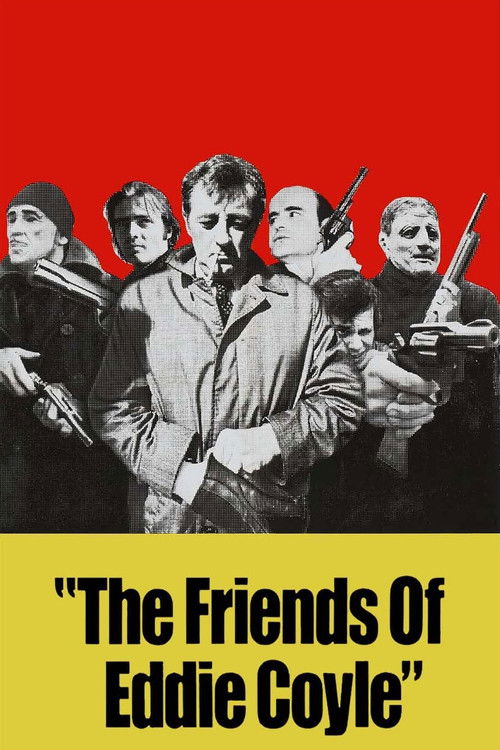
The Friends of Eddie Coyle1973
Robert Mitchum as a small-time criminal caught between forces he can't control. Low-key, unglamorous, with that same sense of men trapped by economics and loyalty. A lost classic about the weight of consequence.
But 1973 film about unglamorous crime. Quiet, unheroic, and it doesn't glorify its world. Some viewers find it depressing rather than gripping.
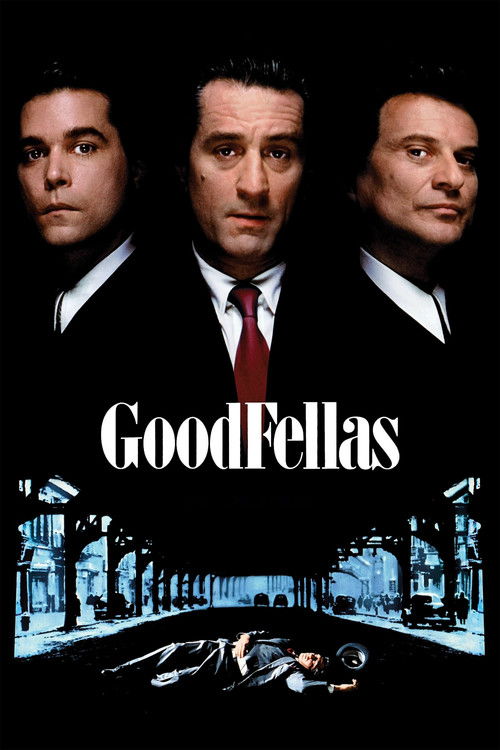
GoodFellas1990
Both films examine the moment a man realizes he's made a Faustian bargain and cannot undo it. The difference: Goodfellas shows the seduction first, The Music of Chance shows only the trap closing.
Scorsese's masterpiece about the seductive pull of organized crime and the debt it exacts. Ray Liotta narrates his own descent with charm that masks complicity. The same architecture: men drawn into a game they think they understand until they realize they're losing everything, including themselves.
But Three and a half hours. Violence, drug use, moral bankruptcy. It glamorizes the underworld even as it shows the cost. If that proximity bothers you, stay away.
The Night of the Hunter1955
Both use confined, inescapable spaces (a poker game, a river, a barn) to trap their protagonists. Both understand that some predators cannot be reasoned with, and both suggest that the trap closes not because of bad luck but because of something fundamental in the men who enter it.
Charles Laughton's only film as director—a masterpiece of Gothic American darkness about a predator, Robert Mitchum, hunting two children. Expressionist black-and-white cinematography that feels like a fever dream. Like The Music of Chance, it understands that evil can be charming and that some men are simply dangerous. The atmosphere is suffocating and inescapable.
But 1955 film with the pacing and sensibility of that era. Children in genuine peril. The register is almost Grimm-like rather than realistic. Some find it mannered; it requires a specific kind of attention.

People
Cast
 James SpaderJack Pozzi
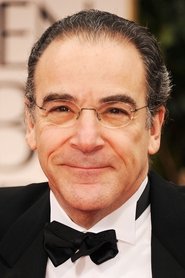 Mandy PatinkinJim Nashe
 M. Emmet WalshCalvin Murks
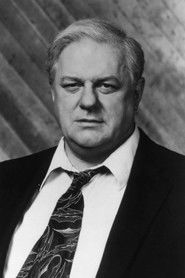 Charles DurningBill Flower
 Joel GreyWilly Stone
 Samantha MathisTiffany
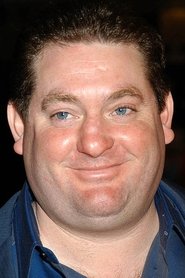 Chris PennFloyd

Directing
- Philip HaasDirector
- Gregory JacobsFirst Assistant Director
- Lisa KatcherScript Supervisor
- Allen KupetskySecond Assistant Director
Writing
- Paul AusterNovel
- Belinda HaasScreenplay
- Philip HaasScreenplay
Production
- Bonnie TimmermannCasting
- Steven ReichExecutive In Charge Of Production
- Melissa CobbExecutive Producer
- Dylan SellersProducer
- Frederick ZolloProducer