
Film
Behind the Burly Q
A documentary love letter to burlesque, tracing the art form from vaudeville through near-extinction to its modern resurgence. Director Leslie Zemeckis combines archival footage, interviews with performers and historians, and period advertising to chart how this blend of striptease, comedy, and spectacle survived legal battles and changing morality. Genuinely affectionate and visually lush.
Should you watch it?
Watch it if you love social history told through old film clips, faded ads and the memories of the performers who lived it, and you're curious how a rowdy stage art survived censors and changing tastes.
Skip it if you want a tightly plotted story or a steady argument, since this is a loose, talking-heads survey that wanders across eras and rarely digs deep into any one of them.
What it asks of you: Ninety-seven minutes of archive footage and reminiscence, paced gently and nostalgic in tone, staying affectionate rather than edgy, with little urgency to its unfolding.
Not sure? Find tonight's pick in a minute.
If you liked this
Singin' in the Rain1952
The gold standard of movie musicals, built on the same DNA of vaudeville showmanship and physical comedy that powered burlesque. Pure joy and technical virtuosity in equal measure.
But If you find dance numbers indulgent or dated, this will test that patience hard. It's long and unapologetically theatrical.

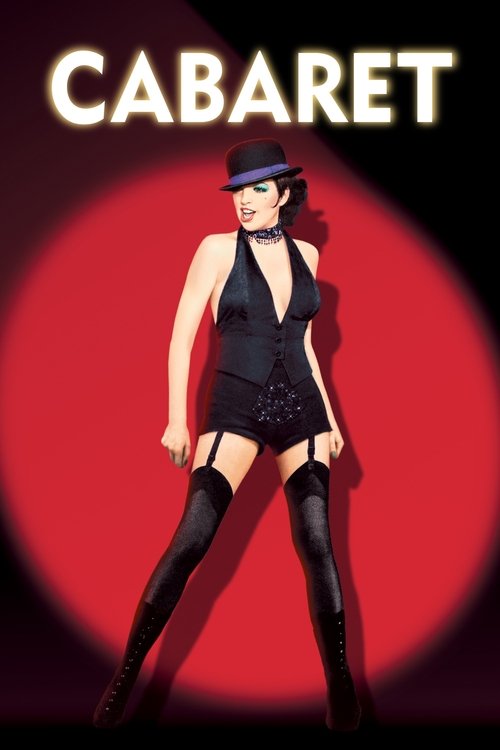
Cabaret1972
A masterpiece about performance, desire, and moral decay in Weimar Berlin. The cabaret numbers aren't entertainment—they're windows into a society's rot. Liza Minnelli is unforgettable.
But It's deliberately uncomfortable and dark. The musical numbers are unsettling by design, and the film doesn't look away from ugliness.
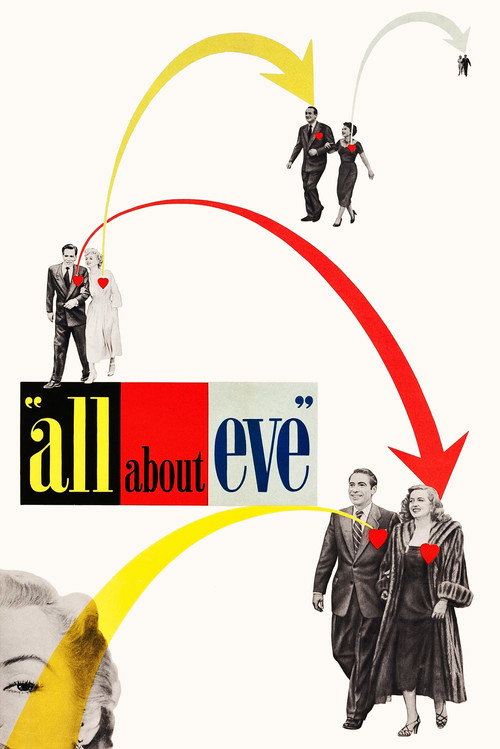
All About Eve1950
Theatrical, bitchy, and endlessly quotable, with backstage drama that crackles. It understands the hunger and ego that drive performers better than almost any film ever made.
But The pacing is deliberate and the dialogue-heavy. If you prefer plot to character, it will feel slow.
Not sure tonight? Get a pick in a minute, starting from Behind the Burly Q
The wildcard
Something you would not have found on your own.
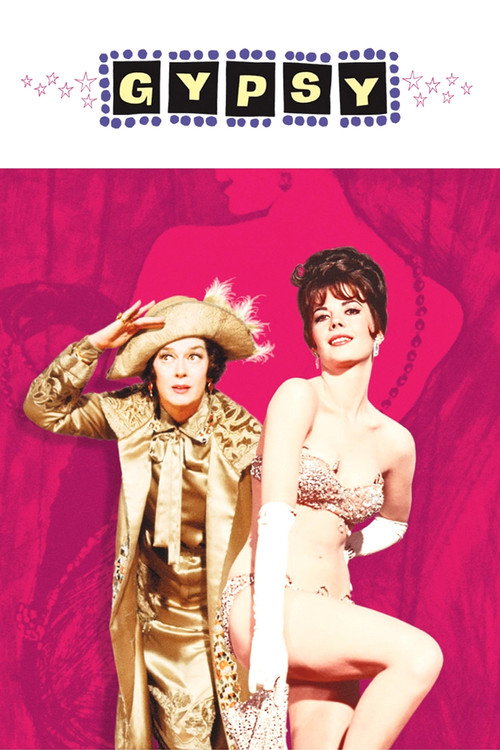
Gypsy1962
Where Behind the Burly Q celebrates the art form, Gypsy asks what it costs the people doing it and the families behind them. Same world, opposite angle.
Rosalind Russell as the ultimate stage mother, driven by thwarted performance dreams to push her daughters onto the burlesque circuit. It's about hunger, performance, and the cost of ambition—the flip side of the performer's dream.
But The mother-daughter relationship is suffocating and predatory, which is the point but makes it difficult viewing. Lesley Ann Warren plays the lead, and she's occasionally overshadowed.
More like this (8)
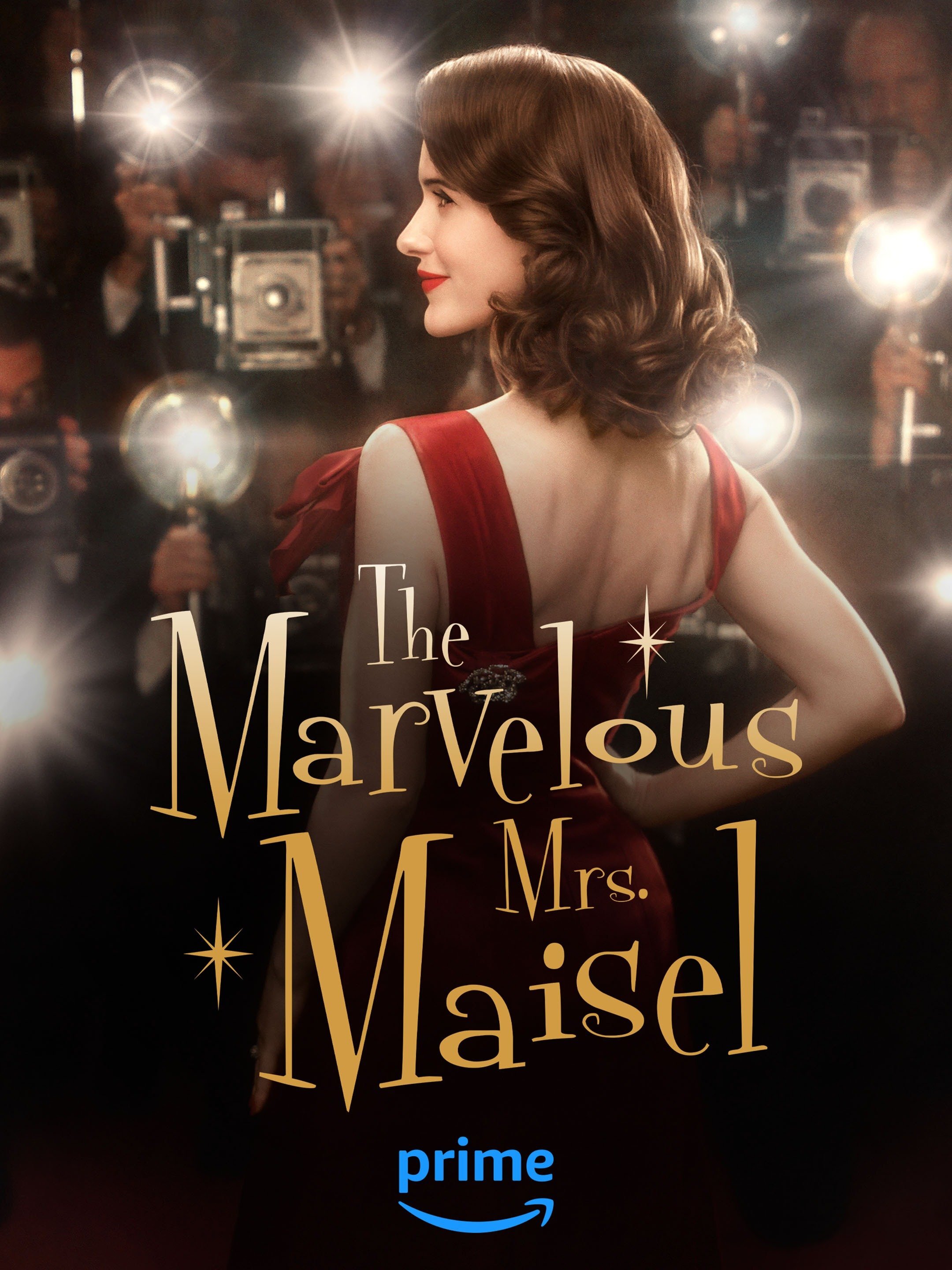
The Marvelous Mrs. Maisel2017
A love letter to 1950s New York performance culture. Stunning design, brilliant writing, and a heroine discovering she's a natural on stage. It captures that intoxicating buzz of live performance.
But The whimsical tone can tip into cuteness. The early seasons have pacing issues, and it occasionally feels more style than substance.
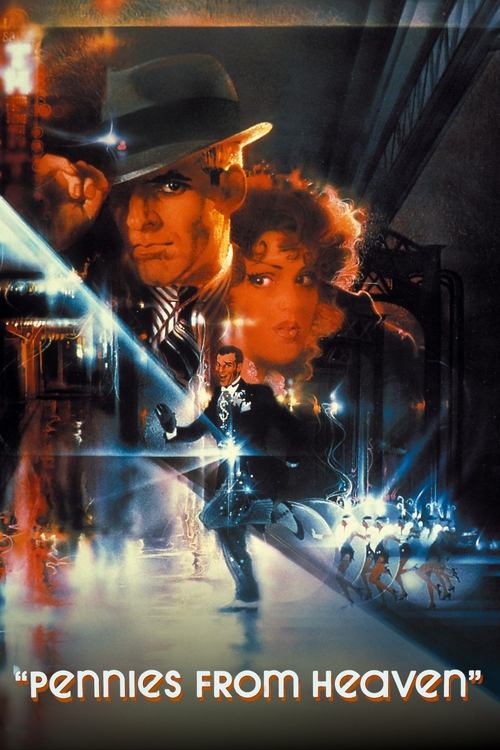
Pennies from Heaven1981
A Depression-era musical that's simultaneously heartbreaking and sensual. Steve Martin plays against type in a serious role, and the fantasy sequences are genuinely erotic and artistic.
But It's a downer dressed as a musical. The mix of tones won't work for everyone, and it's sexually explicit for 1981.
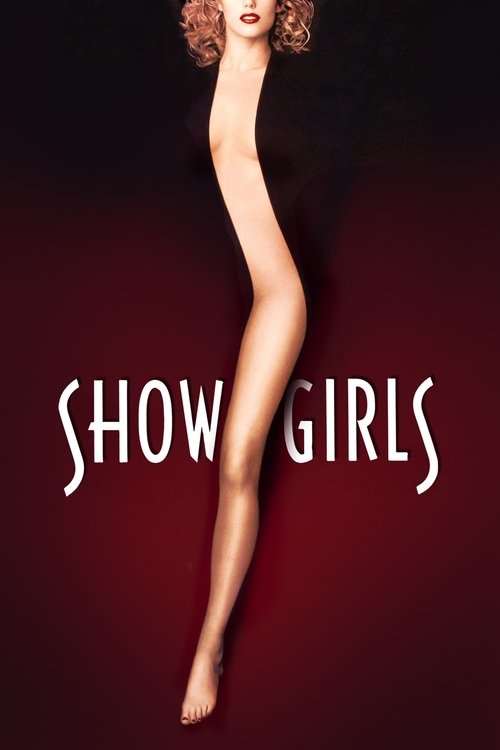
Showgirls1995
Paul Verhoeven's Vegas excess is genuinely fascinating as a portrait of ambition, exploitation, and performance. It's shameless and committed to its vision in a way most films aren't.
But It's notorious for a reason. The dialogue is terrible, the plot is thin, and the exploitation feels real rather than ironic.
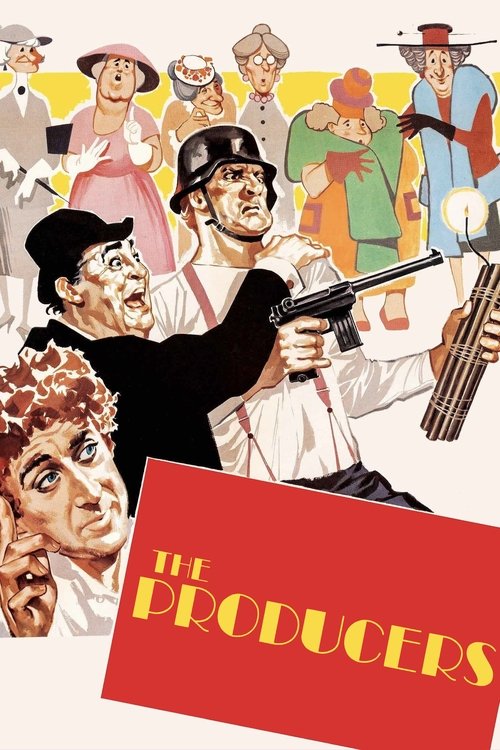
The Producers1968
Mel Brooks' debut is a masterclass in vaudeville energy transferred to film. It's aggressively, unapologetically theatrical and funny—a celebration of showbiz hustle and absurdity.
But The humor is broad and often dated. If you don't click with Mel Brooks' style, nothing here will convince you.
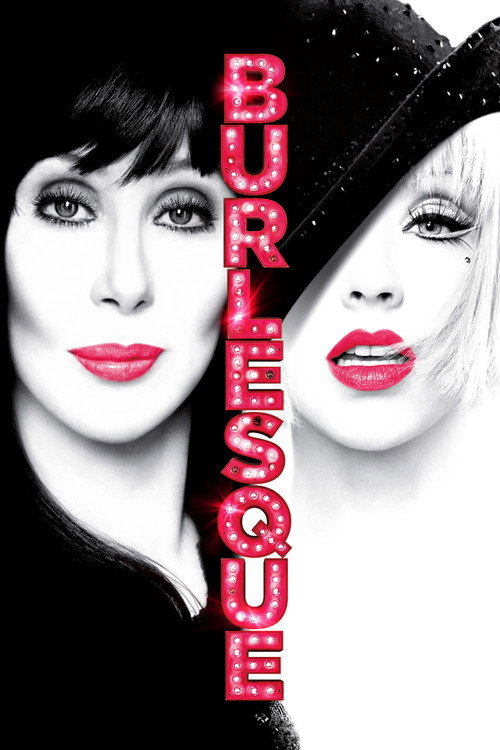
Burlesque2010
Cher and Christina Aguilera in a glitzy contemporary take on performance and ambition. It's sincere about the allure of the stage and stacked with musical numbers.
But The plot is thin, the script is clunky, and it walks a fine line between celebration and objectification without always landing right.
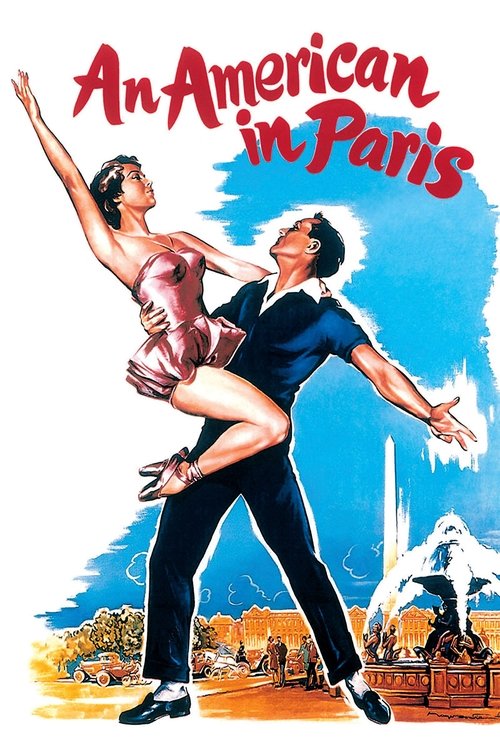
An American in Paris1951
A supreme achievement in musical filmmaking, with Gene Kelly at peak form. The final ballet sequence is jaw-dropping, and the whole film exudes confidence and style.
But It's long and deliberately paced. The romance is thin, and if elaborate dance sequences don't move you, the heart of the film will feel hollow.
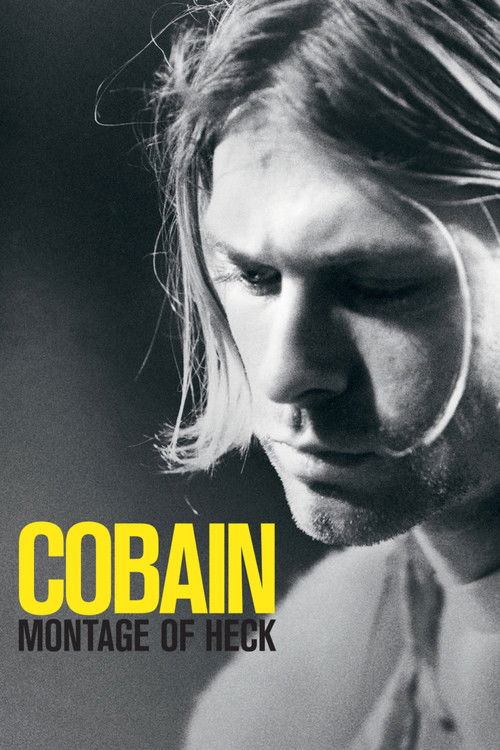
Cobain: Montage of Heck2015
Both films use archival material and performance footage to explore how the public's hunger for bodies, desire, and spectacle shapes the people feeding that hunger. Both ask what performance costs.
Brett Morgen's documentary uses collage, animation, and found footage to construct an intimate portrait of Cobain. It captures the compulsion to perform and the toll of public desire in visceral, almost unbearable ways.
But It's relentlessly dark and occasionally difficult to follow. The subject matter is suicide and depression. If you need clarity and linearity, this fragmented approach won't work.
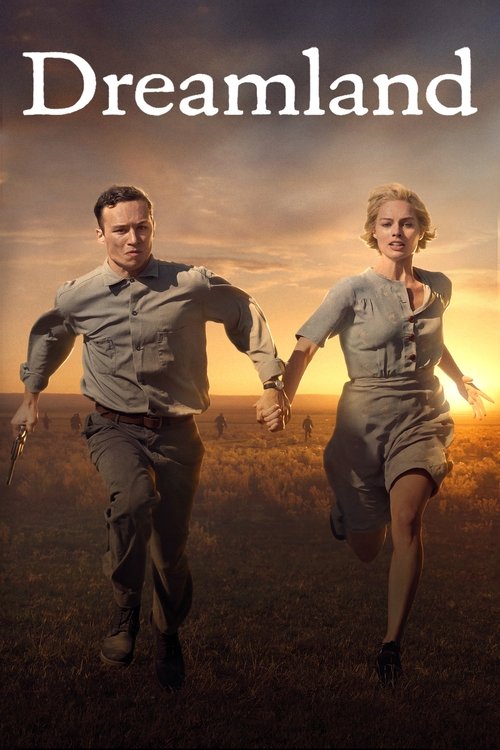
Dreamland2019
A quieter, more poetic meditation on the same historical moment and the allure of performance. Where Burlesque Q is archival and communal, Dreamland is personal and lyrical about what the stage meant to people during the Depression.
A gorgeously shot indie film about two drifters in Depression-era America, one of whom is a famous radio performer in decline. It's intimate, melancholic, and deeply interested in the romance and delusion of performance.
But It moves slowly and obliquely. Plot is secondary to mood and character. If you want traditional narrative structure, you'll be frustrated.
People
Cast
 Bud AbbottSelf (archive footage)
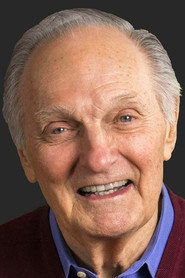 Alan AldaSelf
- Joan ArlineSelf - 'The Sexquire Girl'
- Beverly ArlynneSelf
- Al Baker Jr.Self - Son of Al Baker Sr.
- Nat BodianSelf - Historian
- Taffy O'NeilSelf
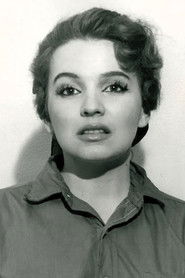 Blaze StarrSelf
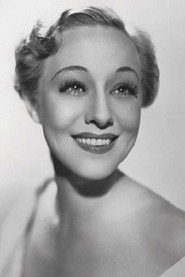 Sally RandSelf (archive footage)
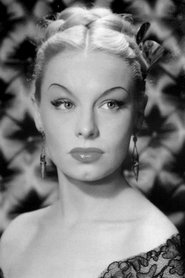 Lili St. CyrSelf (archive footage)
Directing
- Leslie ZemeckisDirector
Writing
- Leslie ZemeckisWriter
Production
- Robert ZemeckisExecutive Producer