Television series
Catch and Kill: The Podcast Tapes
- Crime
- Very dark
Ronan Farrow sits down with the people at the center of his investigation into Harvey Weinstein's decades of sexual abuse. These are the witnesses, accusers, and survivors speaking directly about what happened, what it cost them, and why coming forward mattered. It's urgent, intimate journalism—the human weight behind the headlines.
If you liked this
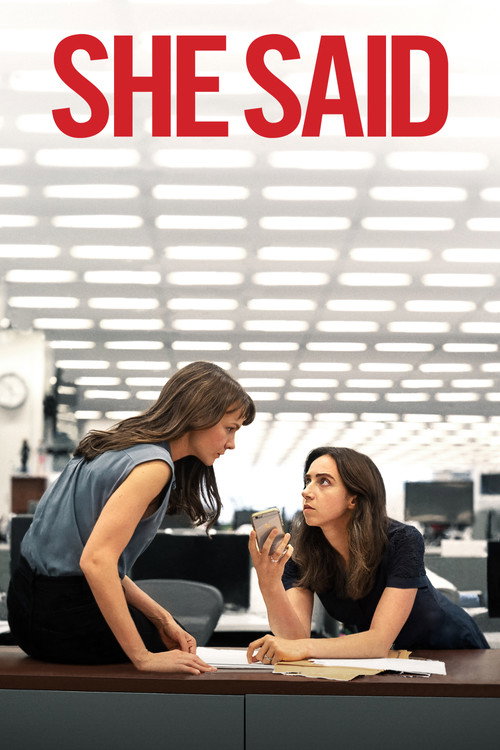
She Said2022
The New York Times investigation that broke the Weinstein story wide open. Carey Mulligan and Zoe Kazan play the reporters who pursued this when powerful people wanted it buried. Essential context for understanding how Farrow's work fit into the larger reckoning.
But It's a procedural about journalism, not a thriller. Long stretches are meetings and phone calls. If you want dramatic confrontation, this is methodical.
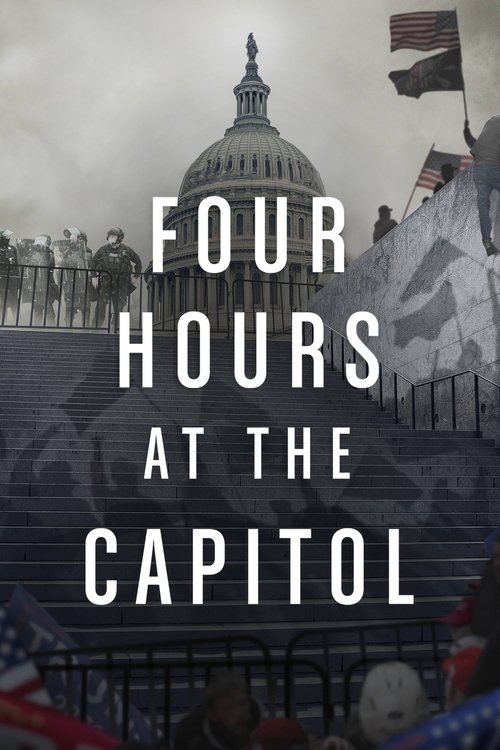
Four Hours at the Capitol2021
Documentary footage of January 6th told through the people who were there. Raw, immersive testimony about a historical moment. Shares Farrow's commitment to letting witness accounts carry the weight of truth.
But It's claustrophobic and often infuriating. If you're exhausted by recent political trauma, this won't feel restful.
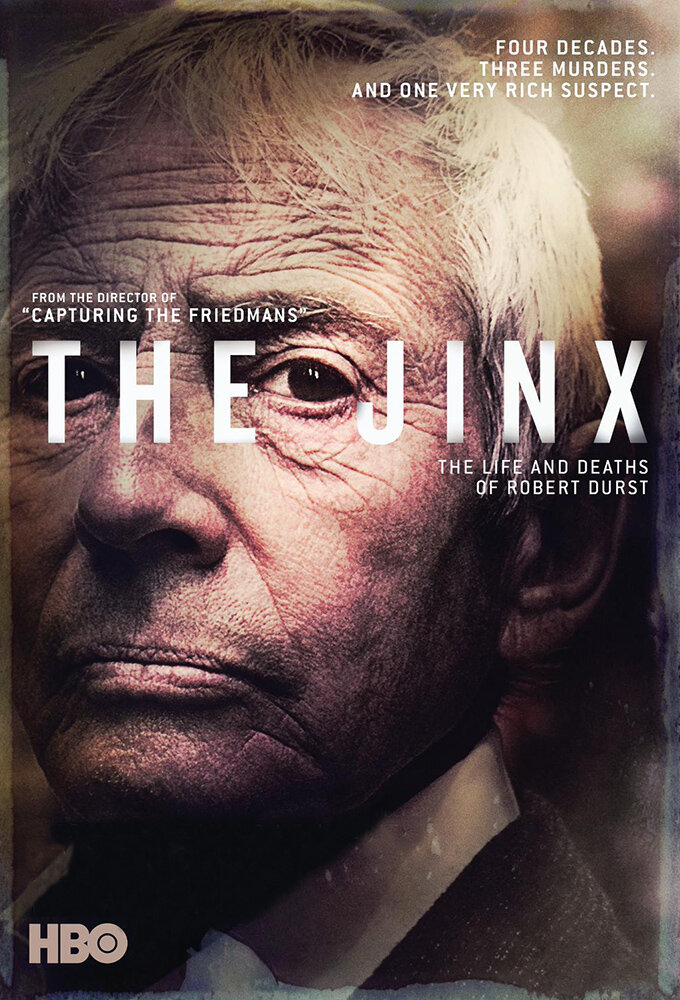
The Jinx: The Life and Deaths of Robert Durst2015
Andrew Jarecki builds a true-crime investigation through interviews, archives, and questioning. Like Farrow's work, it's a long-form interrogation of how power and silence enable crime. Gripping and methodical.
But It's six hours. The pacing is deliberate. Some viewers find it slow-burn to the point of frustration.
Not sure tonight? Get a pick in a minute, starting from Catch and Kill: The Podcast Tapes
The wildcard
Something you would not have found on your own.
The Act of Killing2012
Farrow's method is to give voice to those harmed; Oppenheimer does the inverse, letting perpetrators speak. Both assume that testimony—even uncomfortable testimony—can expose truth.
Joshua Oppenheimer interviews perpetrators of Indonesian genocide and asks them to reenact their crimes. It's an investigation into complicity and memory. Horrifying but revelatory—it asks what happens when people speak openly about atrocity.
But It's disturbing on a cellular level. You're watching men describe and dramatize mass murder. This is not entertaining. It's harrowing.

More like this (5)
Spotlight2015
Boston Globe journalists investigate Catholic Church abuse. Quiet, focused journalism about how institutions protect themselves and how reporters persist anyway. The moral backbone matches Farrow's instincts.
But It's restrained by design. No grandstanding. If you want catharsis or confrontation, you won't find it here.

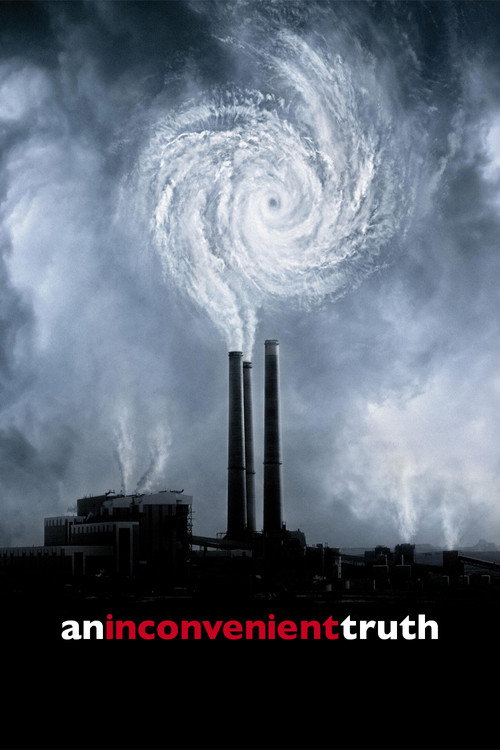
An Inconvenient Truth2006
Al Gore presents evidence about climate change directly to camera. A model of documentary testimony—one person making the case through data and firsthand experience. Structured more like Farrow's interview approach than traditional narrative.
But It's a lecture. The format is inherently static. Visually, it asks very little of you.
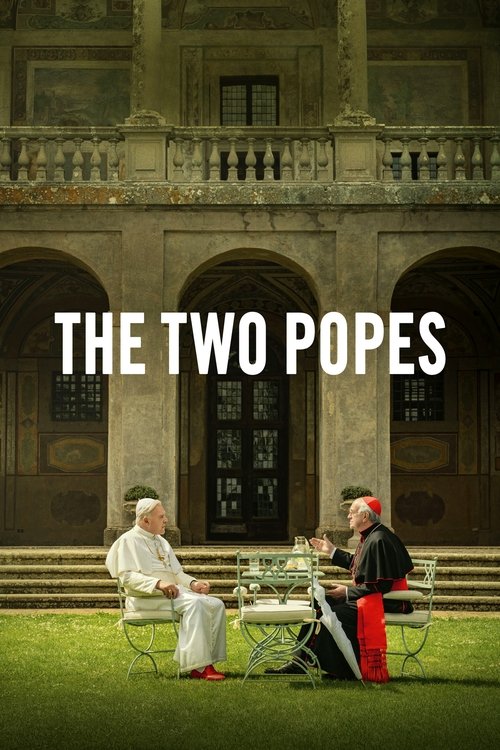
The Two Popes2019
Two men sit and talk about faith, politics, and complicity. Ralph Fiennes and Anthony Hopkins carry the entire film through dialogue and presence. A reminder that intimate conversation can hold tremendous weight.
But Almost nothing happens. It's philosophy and character work. If you need plot momentum, this will feel like treading water.
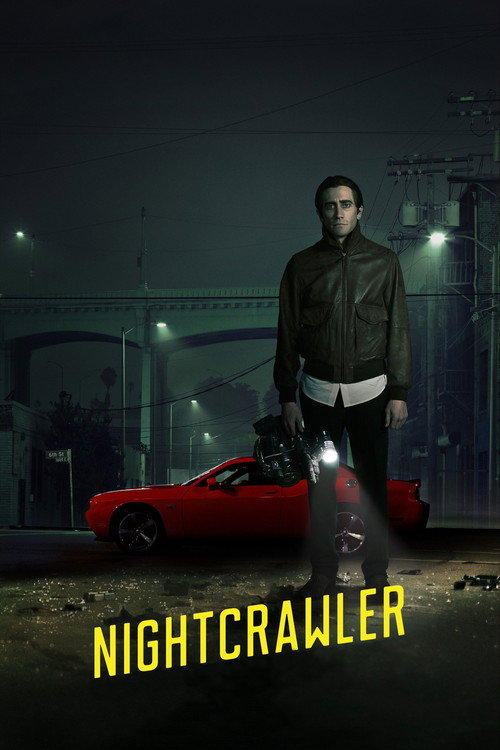
Nightcrawler2014
Jake Gyllenhaal plays a freelance videographer pursuing crime scenes and tragedy for profit. It's about the machinery of exploitation and how stories get told. A dark mirror to journalism itself.
But It's punishing. The moral universe is rotten. There's no redemption, only complicity. Bleak in ways that don't uplift.
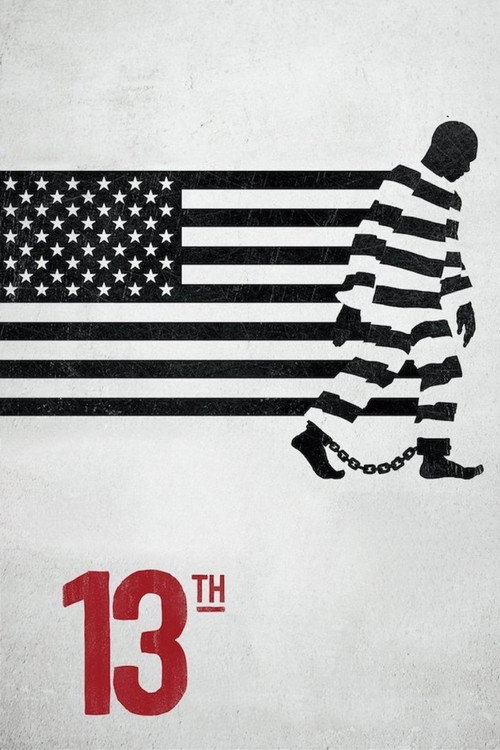
13th2016
Ava DuVernay traces the history of racial injustice through the 13th Amendment and mass incarceration. Like Farrow's work, it's a forensic examination of systems and testimony. Dense, vital, necessary.
But It's an essay film with heavy subject matter. If you're looking for narrative drama, it's argumentative and didactic instead.