
Film
Stolen Seas
- Crime
- Very dark
A visceral documentary that uses audio recordings and found footage to put you inside a real hostage negotiation with Somali pirates holding a Danish cargo ship. It's claustrophobic and urgent—less about geopolitics than the raw terror of crisis negotiation. For anyone who wants to understand how modern piracy actually unfolds, stripped of mythology.
Should you watch it?
Watch it if you are drawn to documentaries built from raw audio and found footage, where the tension comes from listening closely rather than from a tidy explanation.
Skip it if you need a conventional arc with clear characters and a steady sense of progress; this is fragmentary, often unsettling, and offers little comfort or context to hold onto.
What it asks of you: Ninety minutes, mostly held in the murk of voices and shaky frames, with long stretches of waiting and listening rather than quick cuts or relief.
Not sure? Find tonight's pick in a minute.
If you liked this
The Act of Killing2012
Confrontational documentary that puts you inside the psychology of perpetrators rather than victims. Uses found media and direct testimony to make the unbearable vivid and impossible to look away from.
But Deeply disturbing subject matter involving genocide. Some viewers find the stylistic approach exploitative rather than illuminating.

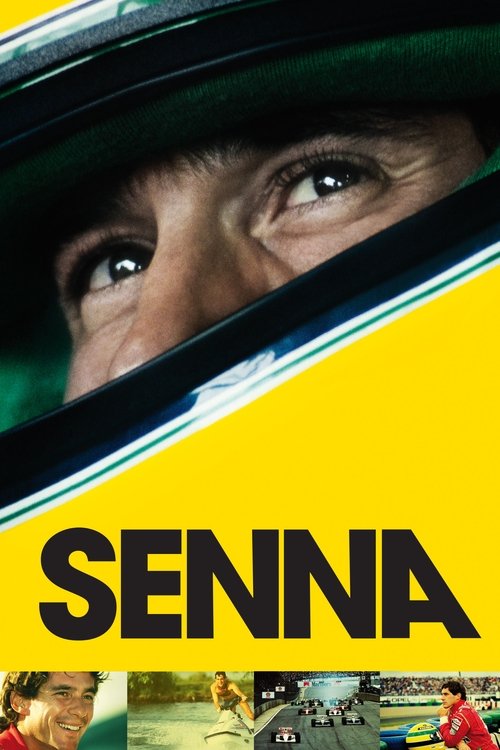
Senna2010
Archival documentary told almost entirely through footage and audio from the past. Creates unbearable tension from material you might think you know, proving that found media can be as gripping as any thriller.
But About Formula 1 racing. If you don't care about the sport, the emotional stakes may not land as hard as they do for fans.
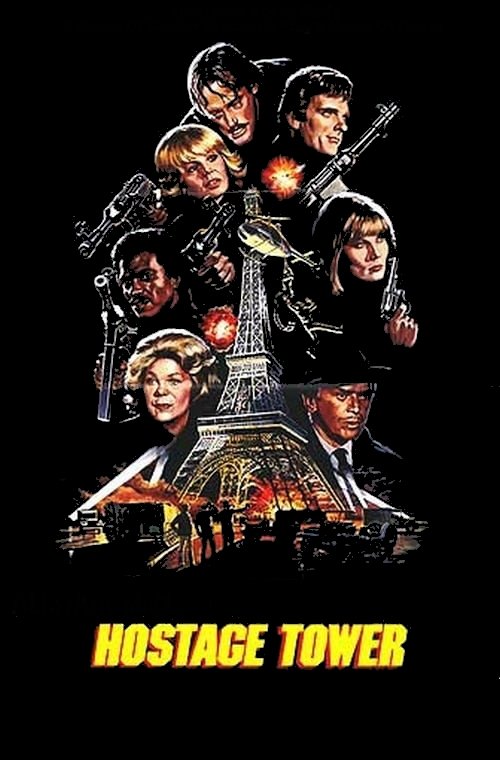
The Hostage Tower1980
Four-part series examining a real kidnapping through interviews, documents, and reconstruction. Same tension-building approach to captivity and negotiation, same moral ambiguity about who deserves our sympathy.
But Miniseries rather than film. Spreads the story across episodes, which dilutes some of the immediate pressure of Stolen Seas.
Not sure tonight? Get a pick in a minute, starting from Stolen Seas
The wildcard
Something you would not have found on your own.
A Prophet2009
Both trap you in a sealed space where negotiation and survival are the only currency. Both find horror in the mundane mechanics of how humans coexist under pressure.
Narrative drama set entirely inside a prison, told with documentary-level realism. It captures the suffocating claustrophobia and negotiation tactics of Stolen Seas but through acted drama, proving the tension is structural, not dependent on real danger.
But French prison film with subtitles. Slower than you expect and morally compromised—the protagonist is not sympathetic. Two and a half hours of confinement.

More like this (6)
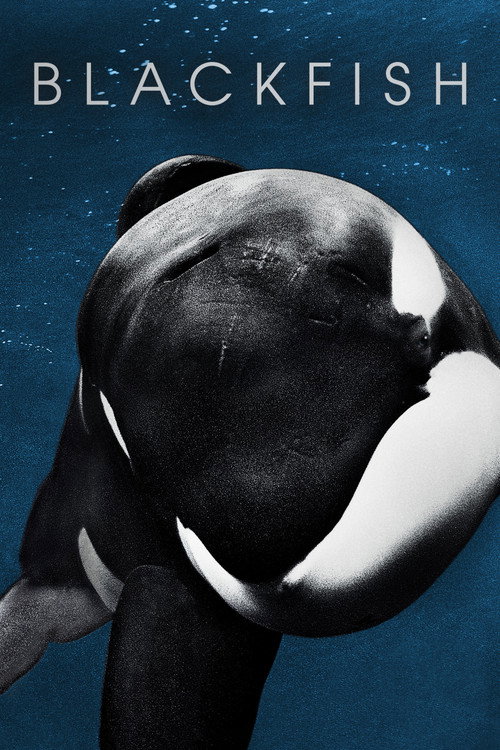
Blackfish2013
Uses archive footage and firsthand accounts to investigate a contained tragedy. Like Stolen Seas, it's an argument built entirely from testimony and visual evidence, with devastating cumulative effect.
But Feels dated now that we know more about its subject. Some criticisms of selective editing have aged poorly.
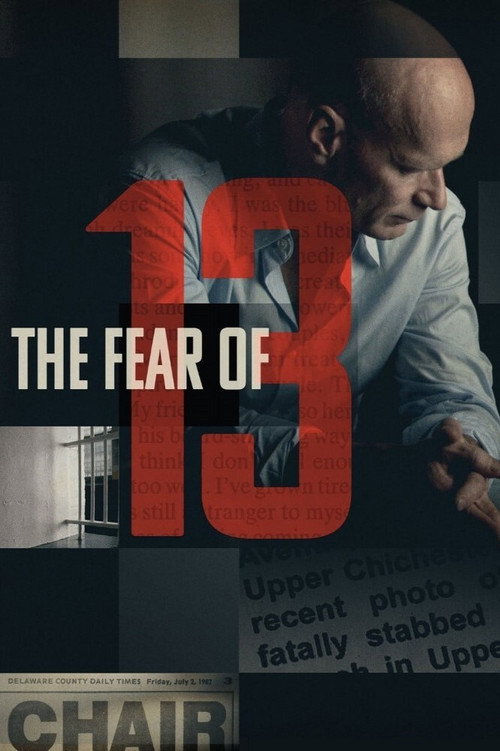
The Fear of 132015
A man's voice, recordings, and fragmented archive telling a story of wrongful conviction. Incredibly intimate despite being about systems larger than any one person, like Stolen Seas but turned inward.
But Formally demanding. Long stretches of talking heads and silence. Requires patience with a slow reveal of truth.
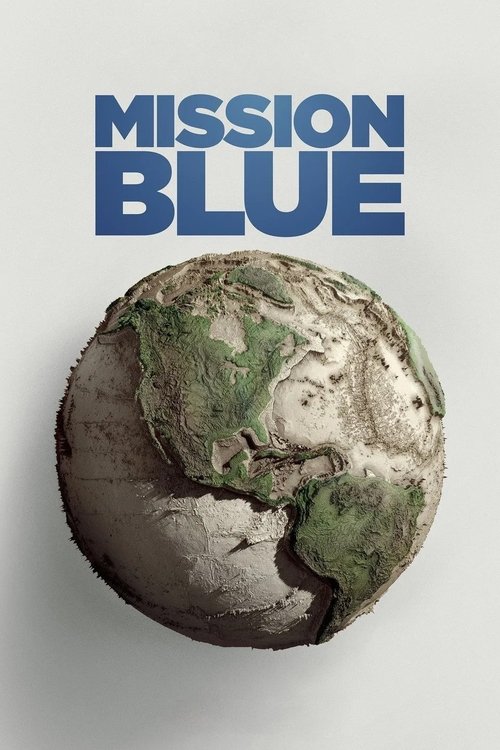
Mission Blue2014
Documentary about ocean conservation and marine protection. Shares Stolen Seas' focus on the sea as a space where law breaks down and human need collides with survival.
But Optimistic in tone and outcome-focused. Less interested in immediate danger than in systemic solutions, which softens the urgency.
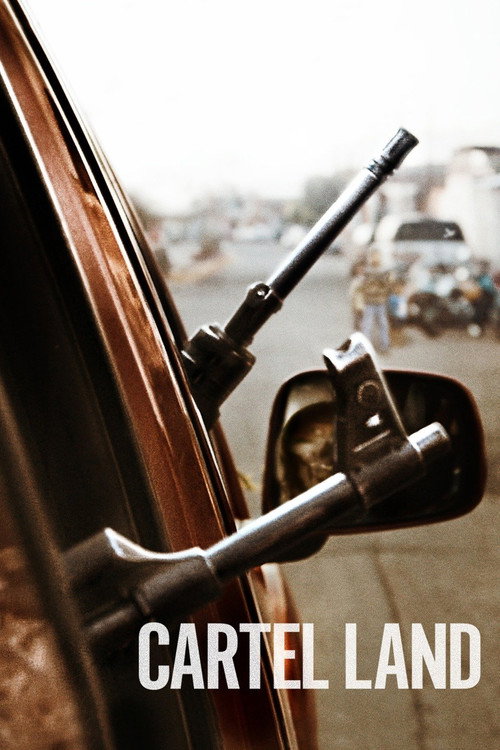
Cartel Land2015
Embedded documentary about vigilante violence and failed governance in Mexico. Same interest in how ordinary people become criminals when institutions collapse, same unflinching access to dangerous situations.
But Long, repetitive in structure, and ultimately bleak without resolution. Some viewers find it exhausting rather than illuminating.
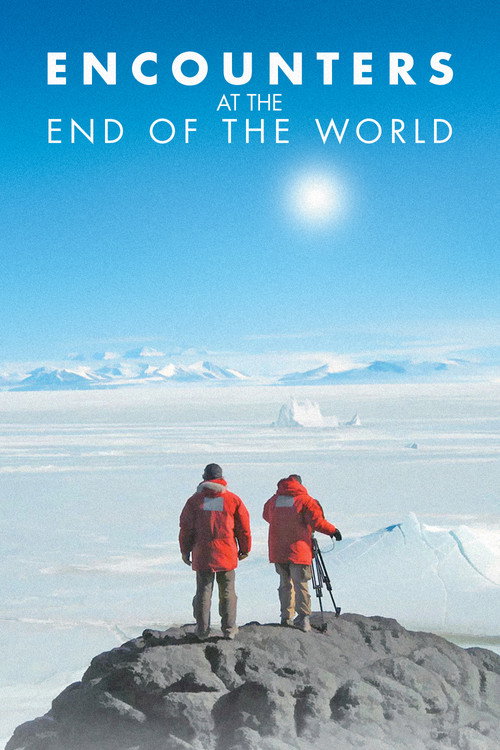
Encounters at the End of the World2007
Both use hostile environments to strip away pretence and expose who people really are. Both treat the ocean as a character that judges human ambition.
Werner Herzog's documentary about Antarctica—another extreme maritime environment, another place where humans are in over their heads. It's philosophical and strange where Stolen Seas is urgent, but equally fixated on what the ocean reveals about us.
But Meditative and digressive. More interested in ideas than narrative. If you want momentum, this will feel like Herzog is wasting your time.
Collapse2012
Both are about people trapped by systems that don't care about them. Both suggest that piracy and collapse aren't aberrations—they're what happens when desperation meets opportunity.
Chris Smith's documentary is essentially one man talking to camera for 80 minutes—Michael Ruppert predicting societal breakdown. It's as claustrophobic as Stolen Seas and equally about systems failing in real time, but the threat is future and abstract rather than immediate and physical.
But Visually static and formally repetitive. One voice, one argument, recycled footage. It's a sermon, not a story, and some viewers find it tedious or paranoid.
People
Directing
- Thymaya PayneDirector
Writing
- Mark MonroeScreenplay