
Film
The President's Last Bang
South Korean director Im Sang-soo's audacious black comedy about the night of Park Chung-hee's assassination in 1979. It treats a seismic historical event with dark humour and theatrical chaos—a genre-bending film that pulls you between laughter and dread, for viewers drawn to cinema that interrogates power through comedy's sharper edge.
Should you watch it?
Watch it if you enjoy political satire that treats power as a bunch of petty, sweating men in a room, and you like comedy that gets colder the longer it goes on.
Skip it if you want a clean, fast thriller with clear heroes, since this is talky, drawn-out and often more interested in bureaucratic bickering than in momentum.
What it asks of you: A tight 102 minutes, mostly confined to one long, sour night, shifting between sly banter and sudden jolts of dread.
Not sure? Find tonight's pick in a minute.
If you liked this
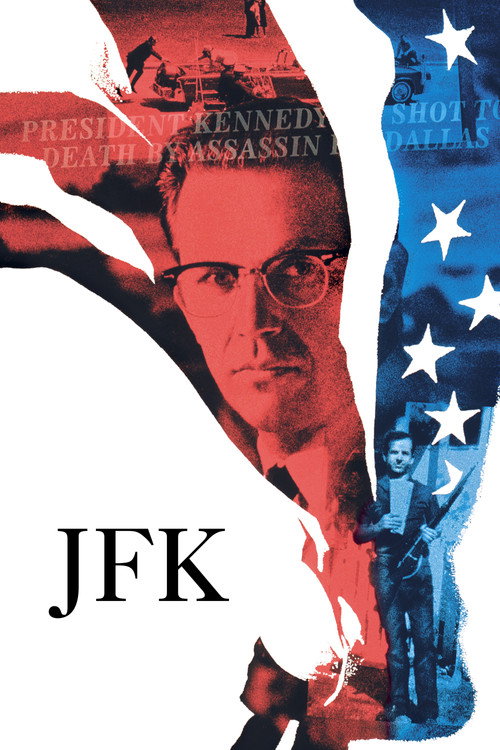
JFK1991
Oliver Stone's sprawling investigation of another modern political assassination, collapsing timelines and conspiracy into formal chaos. Shares The President's Last Bang's interest in how power crumbles when shot.
But At nearly three and a half hours, it demands patience. Some find the stylistic noise exhausting rather than clarifying.
A Prophet2009
French prison drama about power consolidation in a closed system, told with dark intelligence and mounting dread. Same interest in how men manoeuvre for dominance in constrained spaces.
But It's bleaker and slower, with less of the anarchic energy. The payoff takes patience to reach.

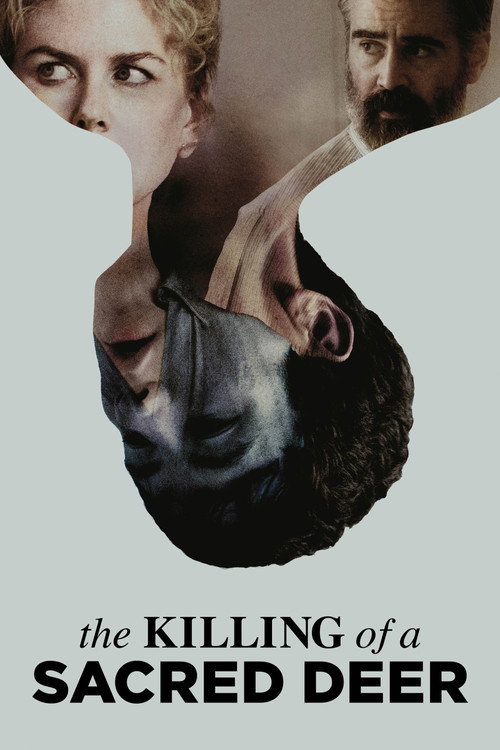
The Killing of a Sacred Deer2017
Yorgos Lanthimos's controlled nightmare about a family's relationship with a mysterious young man. Eerily formal tone, mounting pressure, a collision between civility and chaos that echoes this film's register.
But Deliberately artificial and cold. Some viewers find the style gets in the way of caring what happens.
Not sure tonight? Get a pick in a minute, starting from The President's Last Bang
The wildcard
Something you would not have found on your own.
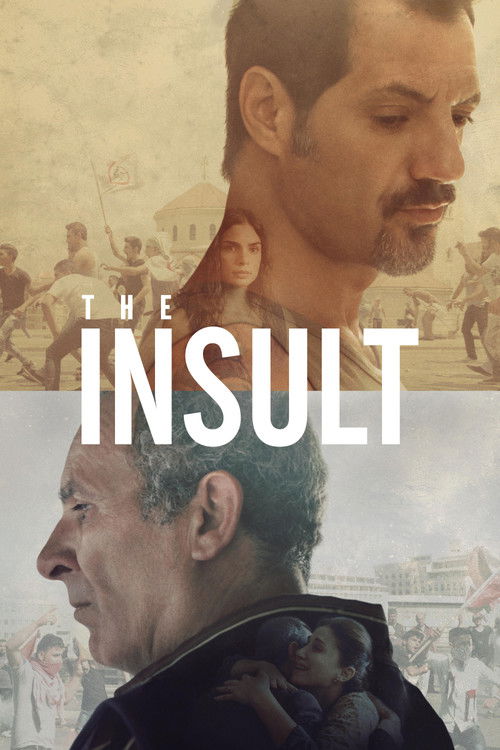
The Insult2017
Both films watch a tiny incident metastasize into national catastrophe; both understand that theatre and real violence share a stage, and that formal spaces—courts, government offices—can barely contain what's underneath.
Lebanese director Ziad Doueiri's courtroom drama: a slap exchanged between two men spirals into national history, sectarian memory, and the violence hidden in formal civility. Shows how a single gesture can detonate an entire system.
But Courtroom procedurals can feel didactic. Some find the political weight heavy-handed relative to the intimate scale of the triggering event.
More like this (8)
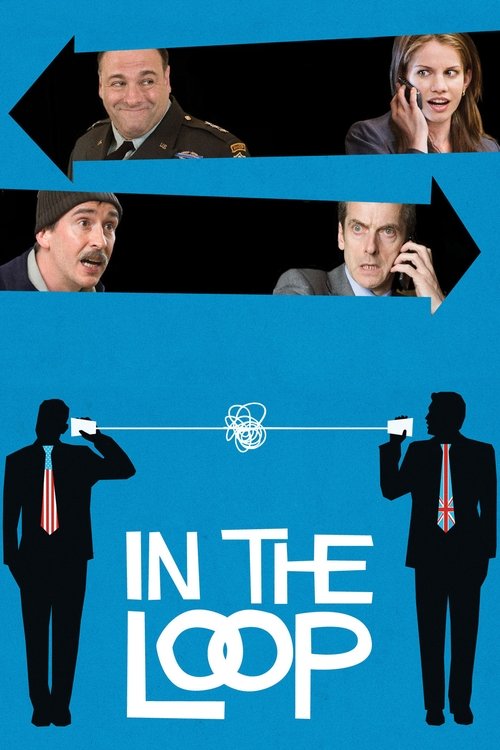
In the Loop2009
Armando Iannucci's savagely funny political thriller about the machinery of government descending into farce. Uses comedy to anatomise how power actually operates when stakes are highest.
But Relentlessly cynical and verbal—heavy on rapid-fire dialogue that needs close attention. Very British in its specific politics.
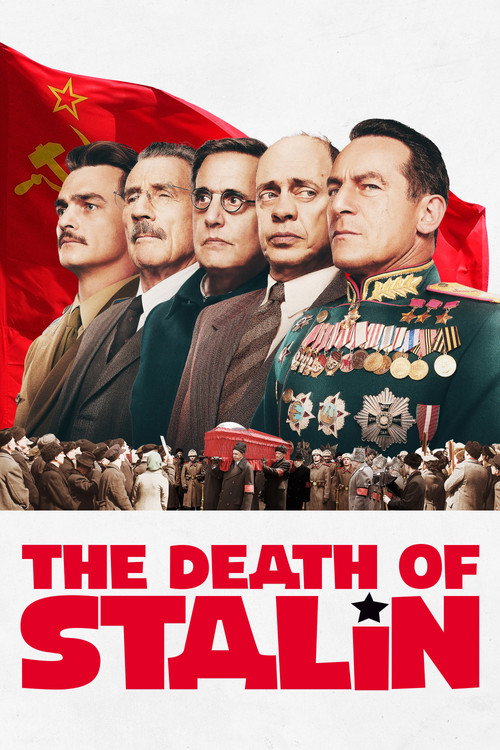
The Death of Stalin2017
Armando Iannucci again: a period black comedy about state machinery and succession in chaos. Power vacuum, competing interests, officials scrambling—structurally very close to what Im Sang-soo does.
But Monochrome and deliberately flat-looking. The historical distance might make the stakes feel abstract rather than urgent.
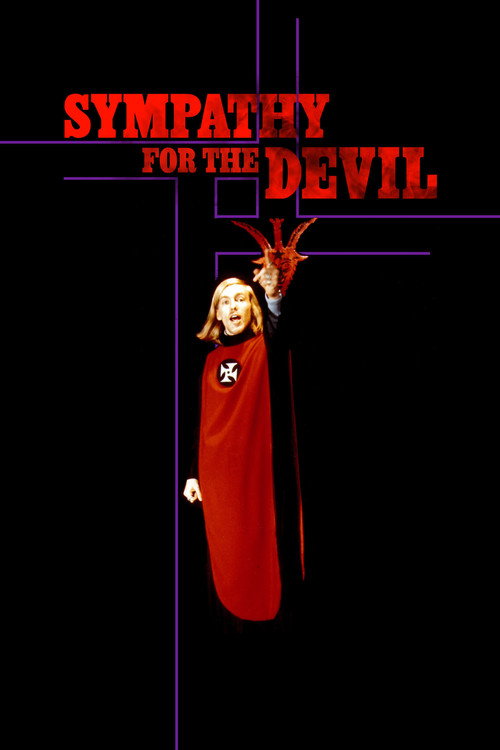
Sympathy for the Devil: The True Story of The Process Church of the Final Judgment2015
Lee Won-sook's contained thriller about a taxi driver and a mysterious passenger, set over one long night. Korean cinema's gift for tension in small spaces, moral ambiguity, sudden violence.
But Claustrophobic and deliberately repetitive. Some find the philosophical debate overwrought relative to the setup.
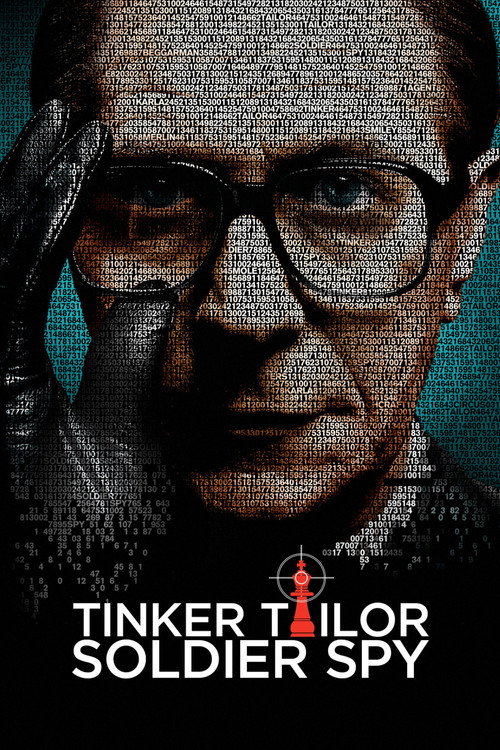
Tinker Tailor Soldier Spy2011
le Carré's Cold War paranoia machinery adapted by Tomas Alfredson. Men in suits navigating institutional betrayal and historical consequence, with a similar sense of history happening in bureaucratic rooms.
But Genuinely slow and elliptical. Plot is secondary to mood; if you need things spelled out, you'll be frustrated.
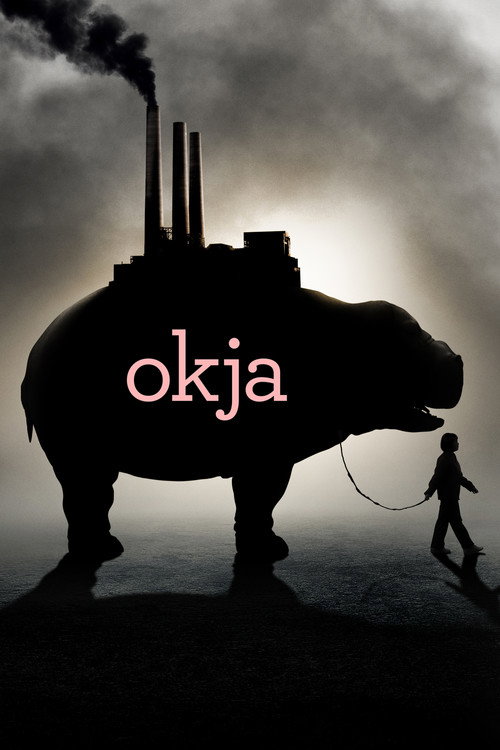
Okja2017
Bong Joon-ho's genre-hopping adventure with a political underbelly. Korean director who loves mixing tones: earnestness with action, comedy with genuine stakes, spectacle with critique.
But Tonal shifts might read as inconsistent rather than intentional. It's lighter and more populist than The President's Last Bang.
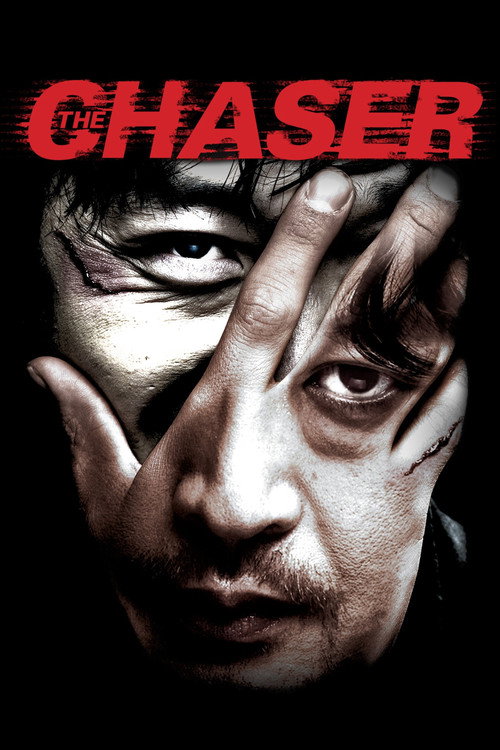
The Chaser2008
Na Hong-jin's brutal thriller about a pimp hunting a serial killer. Korean cinema's mastery of pace, moral chaos, and the pressure that builds when ordinary people brush systems of power.
But Genuinely brutal with sexual violence. The tone is bleak rather than comic; if you're drawn to this film for its dark humour, this has little of that.
The Act of Killing2012
Both use theatrical language and tonal play to confront state violence and assassination. Both ask: what does it mean to perform power, or to laugh at atrocity? Both are formally brave about tone as a political tool.
Joshua Oppenheimer's documentary asks Indonesian death squad leaders to restage their own atrocities as entertainment. It's a mirror-reversal of exactly what The President's Last Bang does: using performance and dark comedy to interrogate historical murder at the highest level.
But It's a documentary, not narrative fiction. It asks you to watch real perpetrators playact; many find it unbearable or will suspect it of moral complicity.

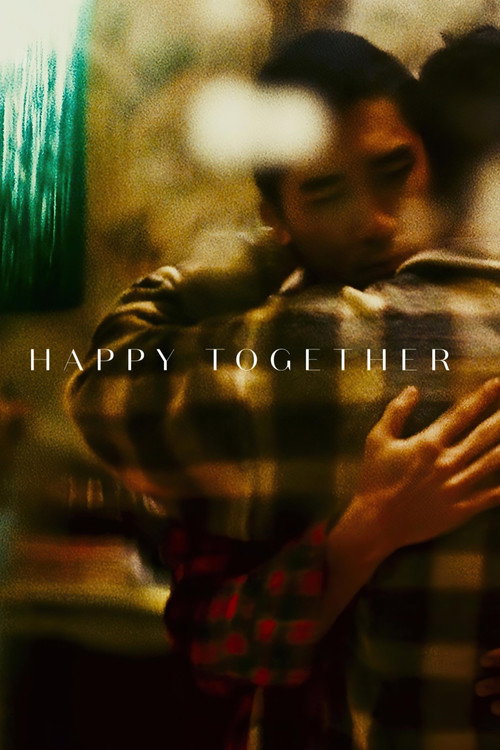
Happy Together1997
Both trust that cinema's real power lies in mixing genres and registers rather than staying in one lane. Both understand that collapsing the distance between tragedy and something stranger—beauty, comedy, strangeness—is how you actually move an audience.
Wong Kar-wai's aching romance between two men in Buenos Aires, shot in colour and silence. Has nothing to do with politics or assassination, but shares this film's tonal fearlessness—mixing genres, bleeding emotion into form, making beauty out of violence and breakdown.
But It's a long, slow, wordless meditation on desire and loss. If you want plot momentum or political clarity, you won't find it. Some find the style impenetrable.
People
Cast
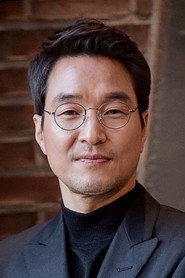 Han Suk-kyuKCIA Chief Agent Joo
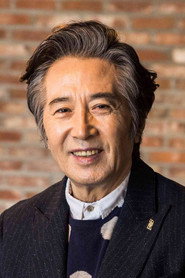 Baek Yoon-sikKCIA Director Kim Jae-kyu
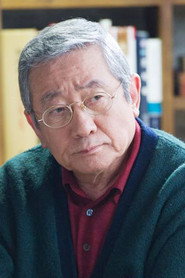 Song Jae-hoPresident Park Chung-hee
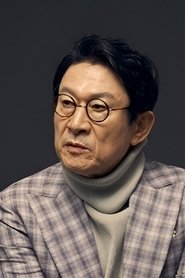 Kim Eung-sooKCIA Agent Colonel Min
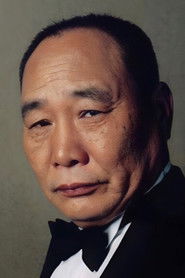 Jo Sang-geonKCIA Butler Shim
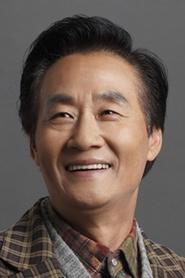 Kwon Byung-gilPresident's Chief Secretary Yang
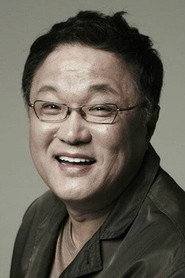 Jung Won-joongPresident's Chief Bodyguard Cha
 Cho Eun-jiBanquet Guest
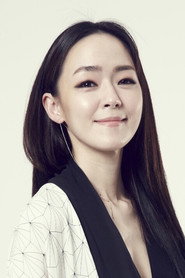 Kim Yoon-ahSinger
 Jeong Jong-junChief of Staff
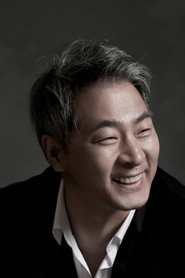 Lee Jae-guKCIA Agent Kwon
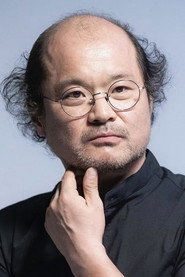 Kim Sang-hoKCIA Agent Jang
Directing
- Kim Min-sooAction Director
- Park Sang-hyeonAssistant Director
- Im Sang-sooDirector
Writing
- Im Sang-sooWriter
- Jang Jun-seokWriters' Assistant
Production
- Lee EunExecutive Producer
- Kim Hyeon-cheolLine Producer
- Shim Jae-myungProducer
- Shin ChulProducer