
Film
War Witch
- War drama
- Very dark
A 14-year-old girl abducted into a rebel army in sub-Saharan Africa speaks to her unborn child, recounting her harrowing passage from captive to soldier to young mother. Raw, unflinching, and shot with poetic restraint, it refuses easy sentiment while honouring the resilience of those caught in war's machinery. Essential viewing, though emotionally punishing.
Should you watch it?
Watch it if you want a war story told through one girl's fierce, feverish inner voice, where myth and brutality sit side by side and the camera stays close enough to feel every choice she is forced to make.
Skip it if you need a story with clear footing and steady momentum, since its fragmented, dreamlike rhythm and unflinching violence can feel heavy and disorienting for anyone wanting a more conventional war picture.
What it asks of you: Ninety minutes of close attention, with a narration that runs like a confession and scenes that often hang on faces and silences rather than explanation. It is hard to watch and slow to settle into.
Not sure? Find tonight's pick in a minute.
If you liked this
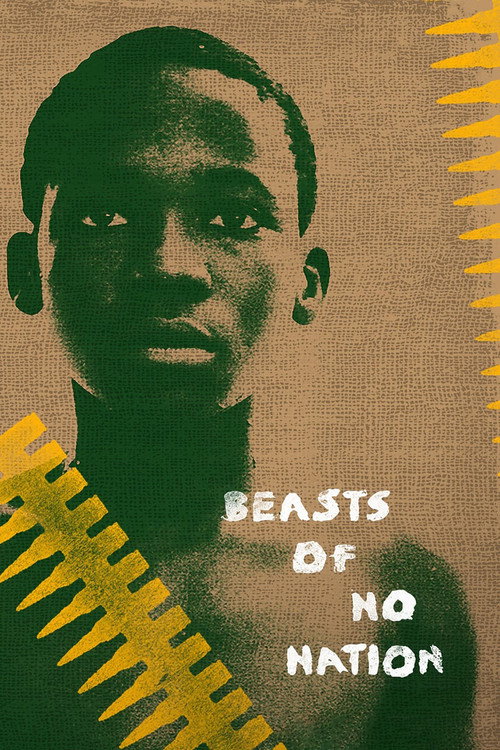
Beasts of No Nation2015
A young boy's conscription into an African militia, told with visceral immediacy and moral clarity. Like War Witch, it centres a child's interior life amid brutality, finding moments of dark humour and defiant tenderness.
But The violence is relentless and the hopelessness can feel suffocating. Some may find the Netflix sheen at odds with the material's weight.
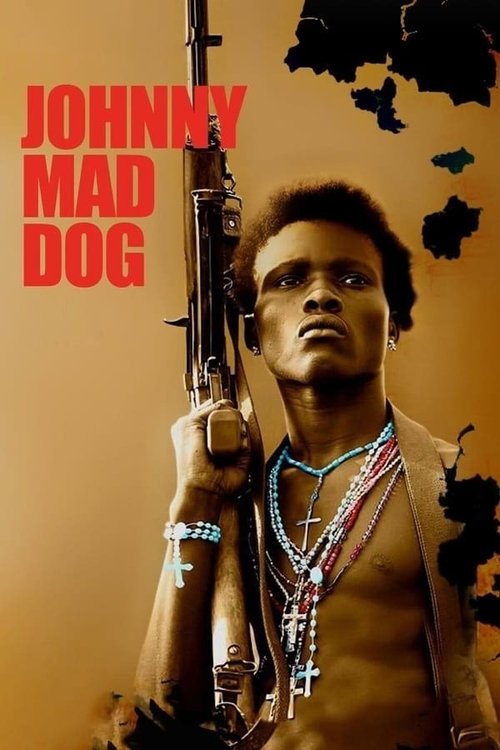
Johnny Mad Dog2008
A Liberian child soldier's day-to-day existence unfolds with deadpan horror and terrible comedy. Both films use their young protagonists' voices to collapse the distance between audience and atrocity.
But It's punishingly grim, shot in a grainy, almost surveillance-like style that makes it harder to look away—which is precisely the point, but not everyone wants that discomfort.
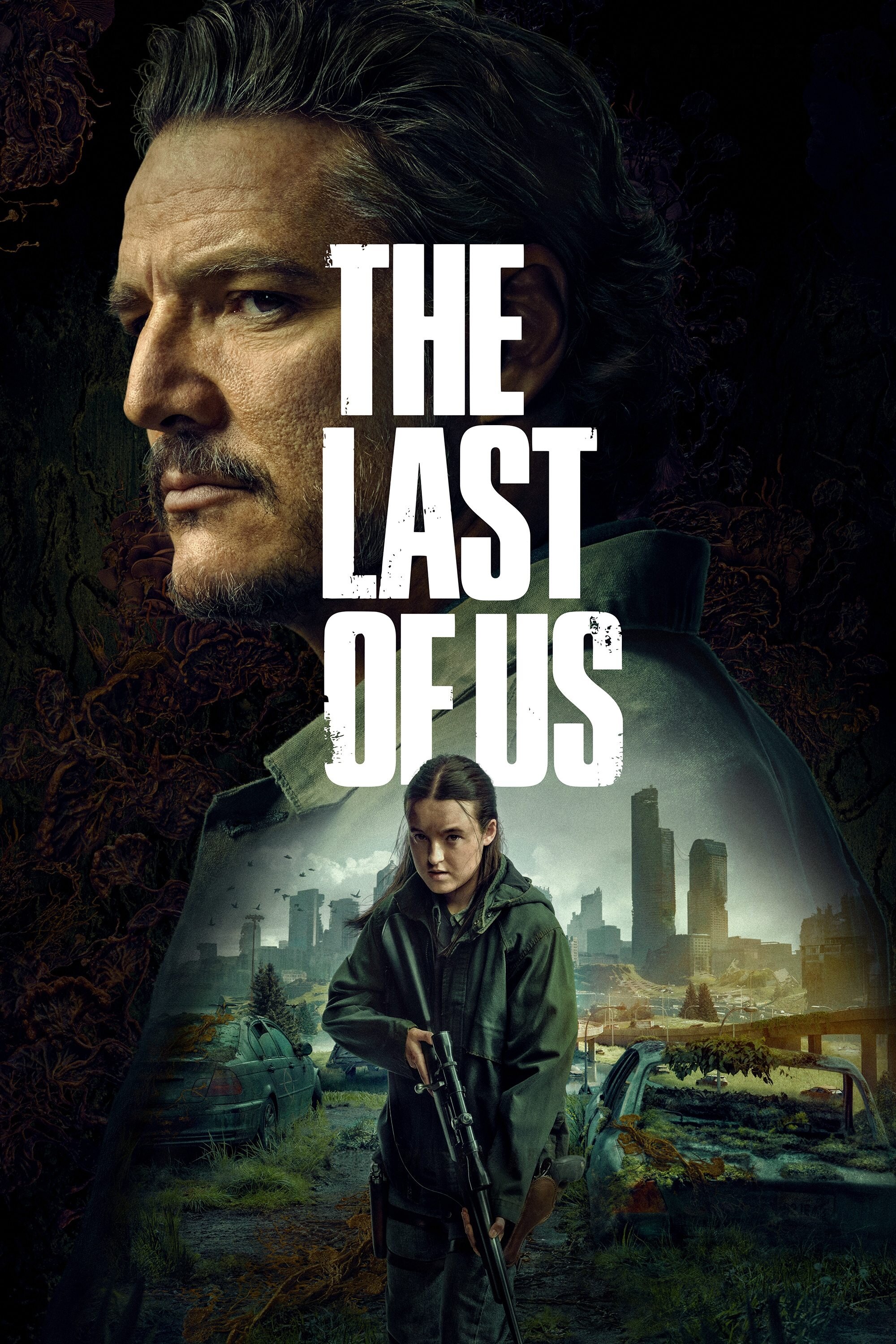
The Last of Us2023
A grown man and a teenage girl navigate a post-apocalyptic landscape, their bond deepening through shared trauma and small mercies. Shares War Witch's refusal to sentimentalise survival or youth in extreme circumstances.
But The first episode contains graphic violence. Some find the pacing meditative rather than gripping, and the show demands patience.
Not sure tonight? Get a pick in a minute, starting from War Witch
The wildcard
Something you would not have found on your own.
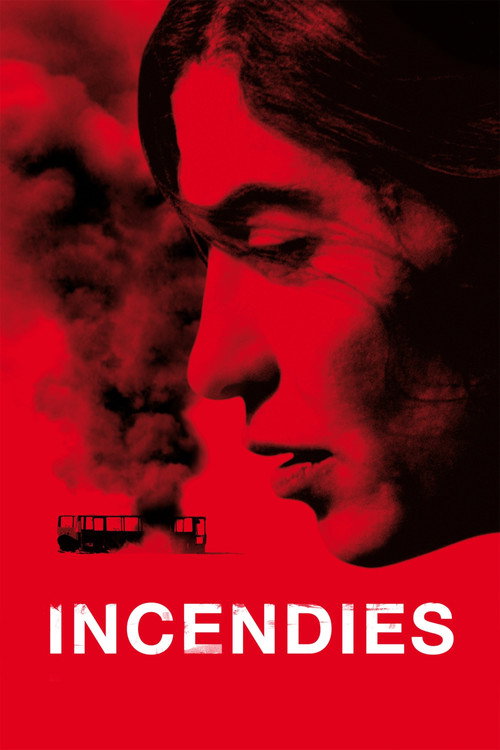
Incendies2010
Both use fragmented narrative and a child's perspective—one unborn, one adult—to collapse time and force reckoning with what war inherits across generations.
Denis Villeneuve's shattering mystery about a mother's secrets in a Middle Eastern conflict, revealed to her children after her death. Both films use non-linear storytelling and maternal/generational trauma to crack open the long shadow of war.
But The final revelation is devastating and feels designed to wound. Some resent the manipulation; others find it necessary.
More like this (5)
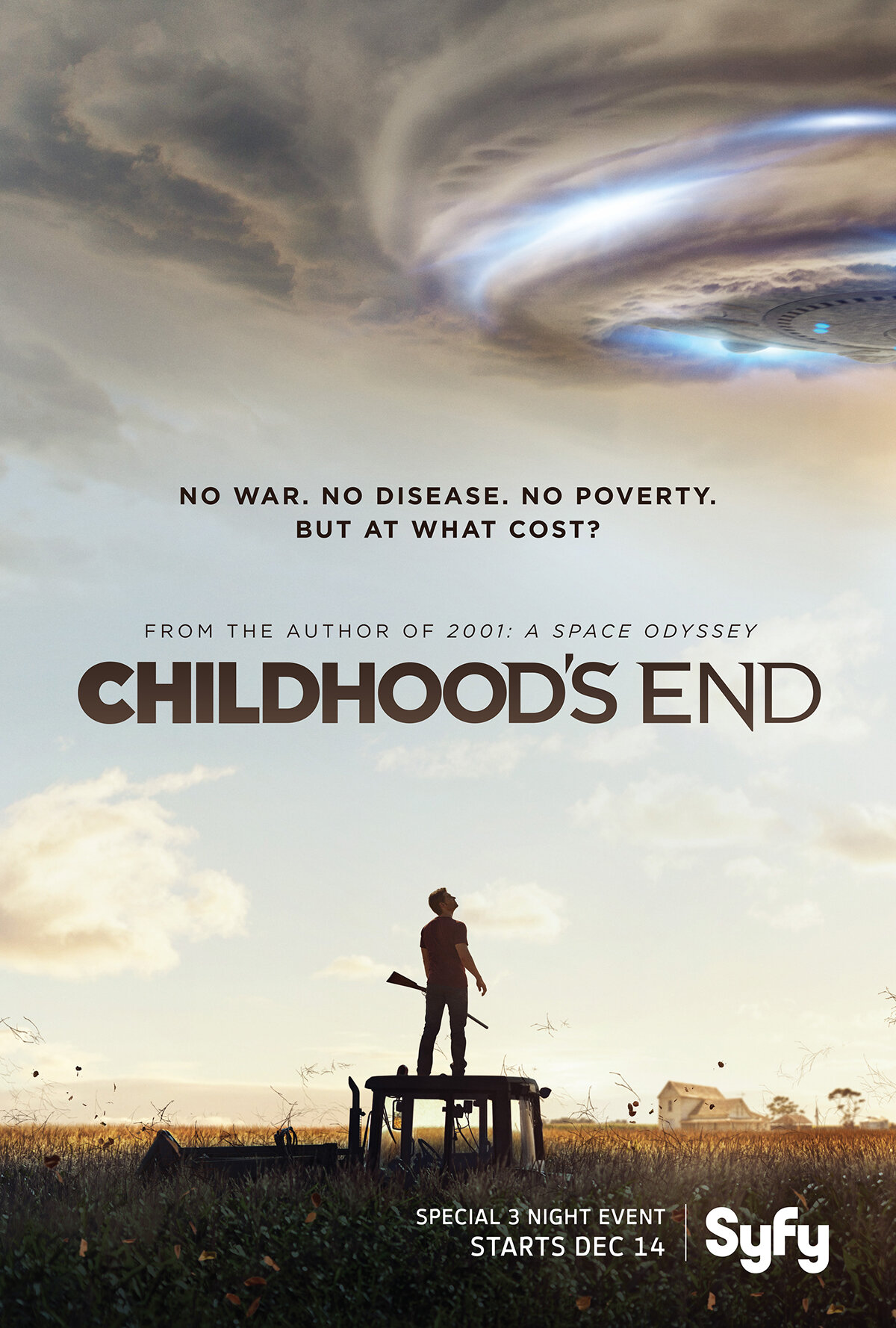
Childhood's End2015
A young girl's voice narrates humanity's encounter with alien visitors, threading wonder through dread. Both use youthful narration to give scale to overwhelming events.
But This is science fiction, not realism, so the emotional register is entirely different. Some find the series overstuffed and sprawling.
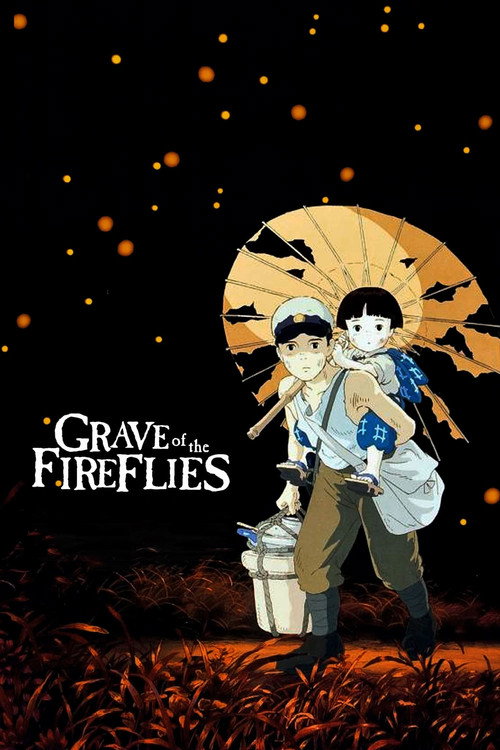
Grave of the Fireflies1988
Animated film about two children's desperate survival in wartime Japan. Achieves what War Witch does: makes childhood suffering unbearable and unforgettable without false hope or false despair.
But Animation can feel distancing to some viewers. The ending offers no redemption whatsoever, which breaks people.
The Act of Killing2012
Indonesian death-squad executioners recreate their crimes on film. Like War Witch, it examines how violence shapes identity and how perpetrators and victims share the same terrain of trauma.
But It's morally queasy by design—watching killers perform their own mythology is meant to disturb. Extremely long and philosophically dense.

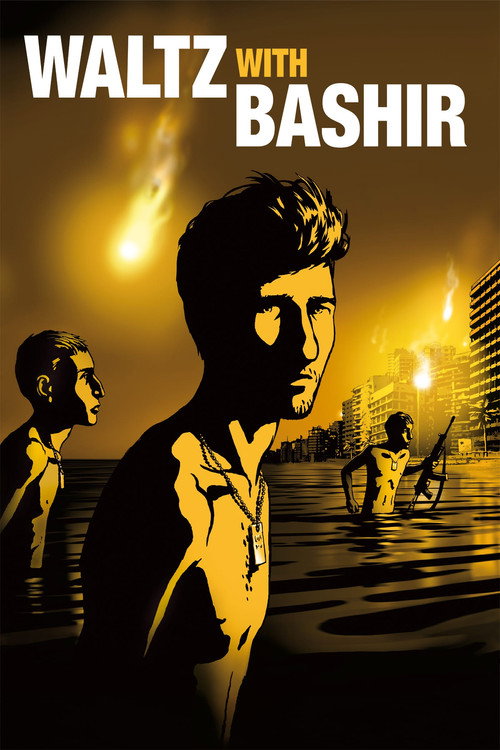
Waltz with Bashir2008
Both are first-person reckonings with unbearable pasts—one a girl speaking to her unborn child, the other a man excavating his own fractured consciousness. Both insist on the witness's survival as the story.
Israeli animator Ari Folman reconstructs his own repressed memories of the Lebanon War through rotoscoped interviews. An audacious formal choice that makes memory and forgetting the subject, not the backdrop.
But The animation might feel too clever for a story this grave. Some find the self-focus uncomfortable when discussing larger atrocities.
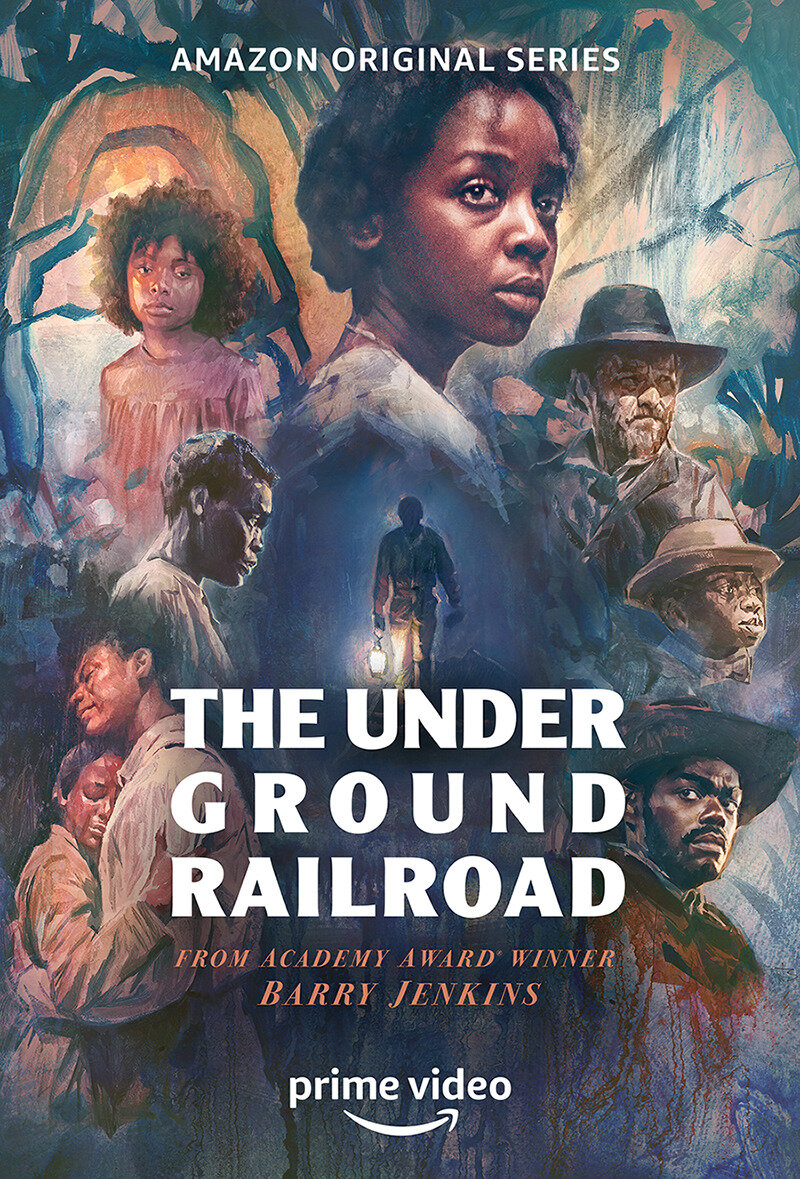
The Underground Railroad2021
Both use poetic form and narrative fragmentation to honor survival without prettifying it. Both centre a young woman's voice and body as the site where history happens.
Barry Jenkins adapts Colson Whitehead's magical-realist novel about an enslaved woman's escape, collapsing time and geography to visualise trauma's texture. A completely different historical moment, but the same formal audacity in representing the unsurvivable.
But The visual style is deliberately dreamlike and digressive. Some find it precious or detached from historical urgency; others find the lyricism essential to the subject.
People
Cast
 Rachel MwanzaKomona
- Alain Lino Mic Eli BastienCommandant-rebelle
- Serge KanyindaMagicien
 Ralph ProsperBoucher
 Mizinga MwingaGrand Tigre Royal
- Diane UwamahoroKomona - Narrator (voice)
- Jean KabuyaSchool camp coach
- Jupiter BokondjiRoyal Tiger' sorcerer
- Starlette MathataKomona's mother
- Alex HeraboKomona's father
- Dole MalalouTrafiquant Coltan
- Karim BamarakiHomme à la Moto
Directing
- Kim NguyenDirector
Writing
- Kim NguyenScreenplay
Production
- Anne-Marie GélinasProducer
- Kim NguyenProducer
- Marie-Claude PoulinProducer
- Pierre EvenProducer