
Film
Filth
A Glasgow detective spirals through addiction and psychological breakdown while hunting a serial killer and scheming for promotion. James McAvoy's performance is a masterclass in controlled chaos—funny, grotesque, and deeply sad. It's a dark character study that treats mental illness and corruption with unflinching specificity, not pity. For viewers who can stomach moral ambiguity and McAvoy at his most unhinged.
Should you watch it?
Watch it if you like nasty, unreliable narrators whose self-sabotage is funny, and you don't mind a film that makes you laugh at something you should probably feel bad about.
Skip it if you need a plot that moves in straight lines, since this one loops through hallucinations, swearing and a lead who is hard to like for almost its entire length.
What it asks of you: Ninety-seven minutes of sustained abrasiveness, with the lead on screen nearly every frame and a shifting grip on reality you have to keep up with.
Not sure? Find tonight's pick in a minute.
If you liked this
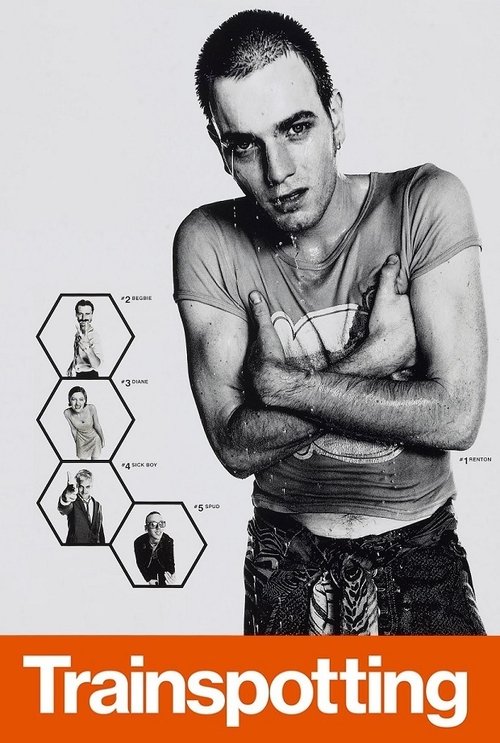
Trainspotting1996
Both follow men in freefall through addiction with visual flair and dark humour. McAvoy's here too, and the film shares Trainspotting's refusal to sentimentalize or look away from self-destruction.
But The Scottish vernacular is thick enough to require subtitles for many viewers. The subject matter—heroin, desperation—doesn't lighten just because it's stylish.
A Prophet2009
Another character study of a man clawing his way up through corruption and manipulation. The prison setting gives it a different cage, but both track someone charming their way toward their own doom with intelligence and amoral calculation.
But It's 2.5 hours and methodical. The pay-off is internal and quiet rather than cathartic. Requires patience.

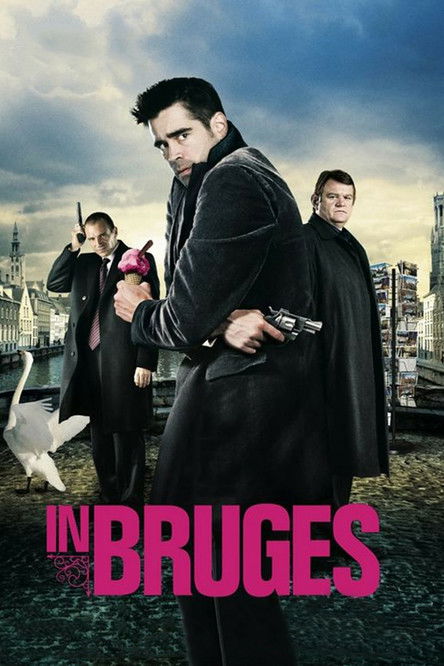
In Bruges2008
Colin Farrell and Brendan Gleeson are hitmen in a medieval city, trapped and bleeding out emotionally. Like Filth, it's funny and profane about violence and failure, with real tenderness underneath the cruelty.
But It moves slowly and dwells on guilt. Some viewers find the whimsy at odds with the darkness. The ending divides people sharply.
Not sure tonight? Get a pick in a minute, starting from Filth
The wildcard
Something you would not have found on your own.
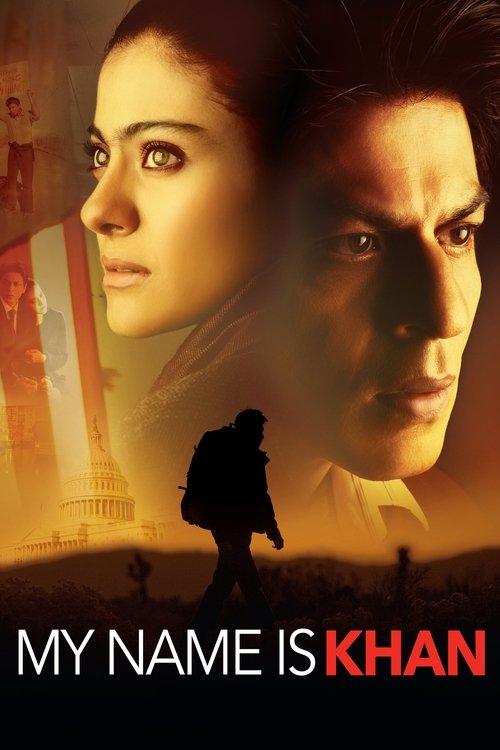
My Name Is Khan2010
Both centre on a charismatic, neurodivergent protagonist whose unconventional behaviour and perspective are both liability and unexpected asset. Both are oddly funny about isolation and the gap between how the world sees you and who you actually are.
Shah Rukh Khan as a man with Asperger's traveling America after 9/11 to find a senator. It sounds sentimental but it's sharp and strange—a Bollywood film that doesn't condescend to disability or difference. Like Filth, it's a character study of a man using unconventional means to navigate a hostile system that misunderstands him, funny where it shouldn't be, and unexpectedly moving.
But The runtime is 2.5 hours. It's a Bollywood film, so tonal whiplash if you're not accustomed to the form. Some viewers find Khan's performance irritating rather than endearing.
More like this (7)
Requiem for a Dream2000
A descent into addiction told through four interconnected lives. Stripped of sentimentality, propulsive, visually inventive. Both films treat the addicted brain as a character in itself.
But It's punishing to watch and doesn't relent. The final act is nightmare-logic horror. Many people respect it more than they enjoy it.

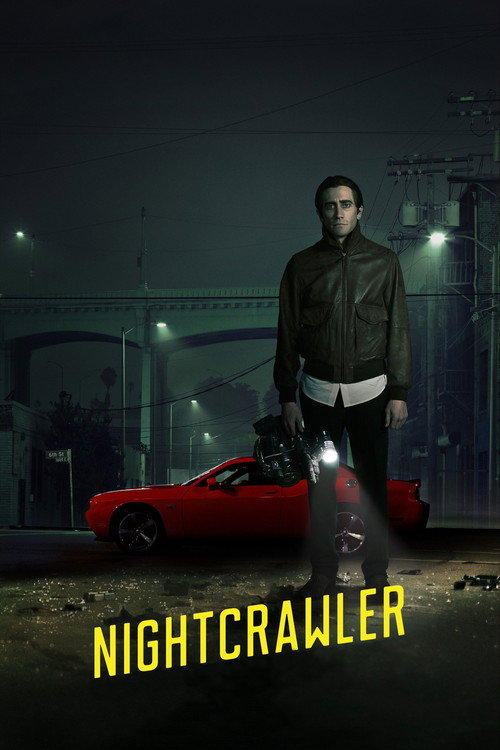
Nightcrawler2014
Jake Gyllenhaal as a sociopath who exploits tragedy for profit. Like McAvoy's character, he's unreliable, manipulative, and oddly charismatic. The film is darkly comic about his moral vacancy while remaining tense and unsettling.
But The protagonist is difficult to like or root for. The film itself has an icy remove that some find cold rather than compelling. It's Los Angeles sleaze, not Glasgow grit.
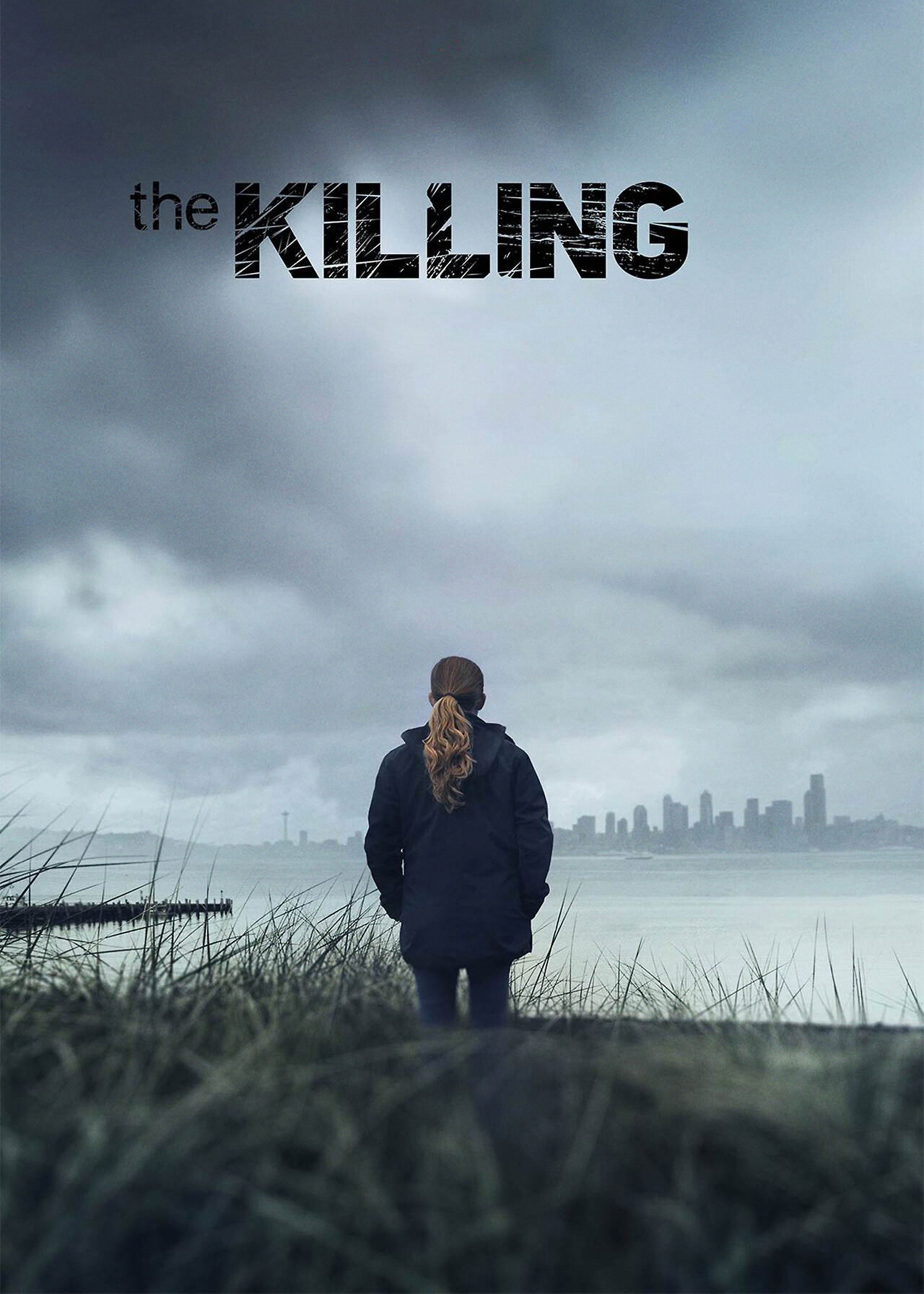
The Killing2011
Sarah Lund's investigation unfolds across a season of Danish noir. Grimy, slow-burn procedural about obsession and institutional corruption. Shares Filth's interest in how broken people pursue truth through broken systems.
But It's a 20-episode commitment with a deliberate pace. The tonal shifts between personal drama and crime plot can feel uneven. The ending splits the audience.
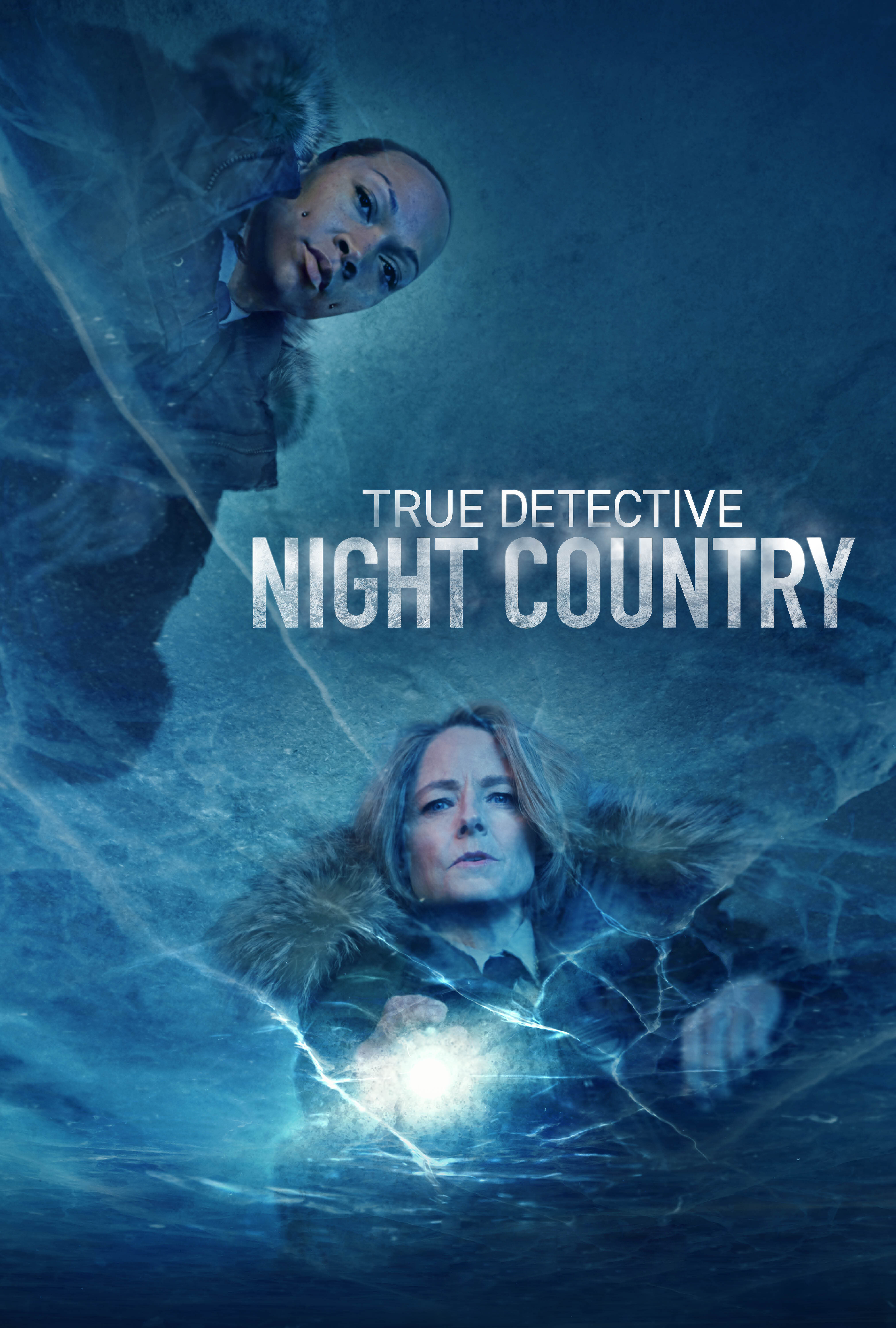
True Detective2014
Matthew McConaughey and Woody Harrelson as detectives unraveling a murder and themselves. Season one is a masterpiece of moral corruption and psychological fracture. The Louisiana setting and ceremonial darkness mirror Filth's psychological claustrophobia.
But The seasons after the first are a sharp drop. Even season one's finale disappointed many. The 'gritty cop' archetype has become tired since then.
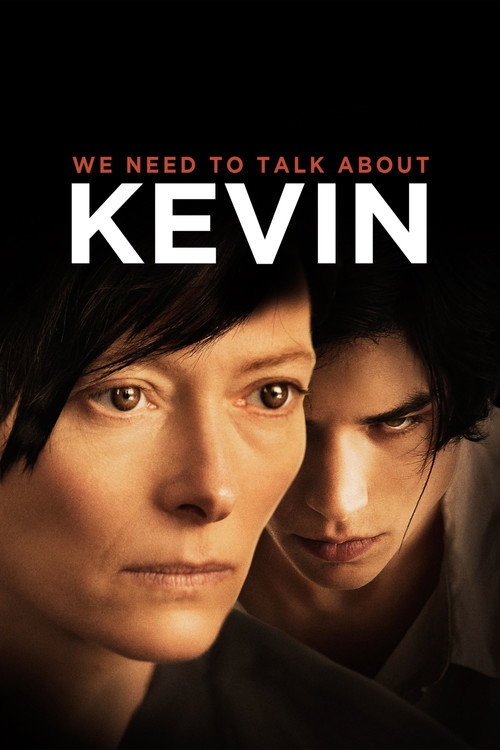
We Need to Talk About Kevin2011
Tilda Swinton as a mother processing her son's violence. A chamber piece of guilt, resentment, and the impossibility of understanding another person's mind. Like Filth, it's disorienting, visceral, and refuses easy answers about psychology and responsibility.
But Slow, abstract, and emotionally exhausting. The narrative structure is fragmented. Many find it glacial and remote rather than moving.
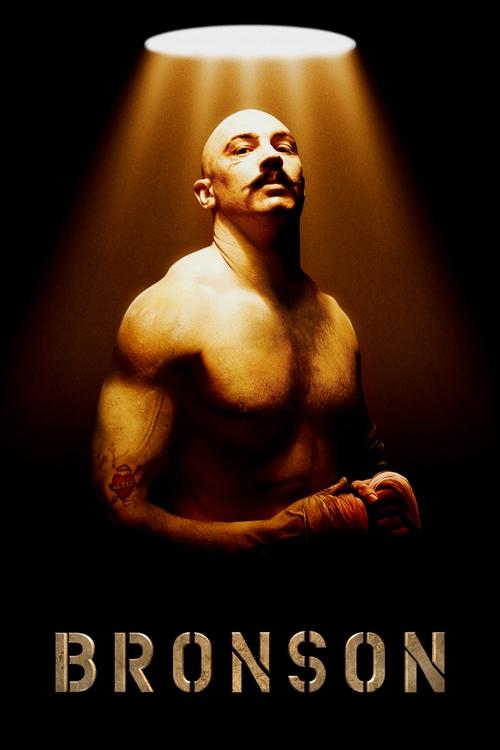
Bronson2009
Tom Hardy as a prison inmate performing violence for an audience. Stylised, theatrical, darkly comic. Both films use heightened visual language to inhabit the distorted interior world of a violent, charismatic man with a broken compass.
But The plot is minimal—mostly a series of confrontations. Some viewers find it more style than substance. The violence can read as self-indulgent rather than purposeful.
The Act of Killing2012
Both examine the gap between identity and action. Both use cinematic technique to get inside the psychology of someone who commits violence and rationalizes it. Both refuse to make the subject safe or distant through narration.
A documentary where Indonesian death-squad leaders reenact their own murders for the camera. Disturbing, innovative, and philosophically strange—it treats the perpetrators as fully human while depicting atrocity. Like Filth, it's interested in performance, self-deception, and how a person reconciles the violence they've done with the image they have of themselves.
But It's genuinely difficult to watch. Long sequences of men laughing about mass murder. The form can feel like it's honouring these men rather than condemning them. The moral complexity will upset people looking for clarity.

People
Cast
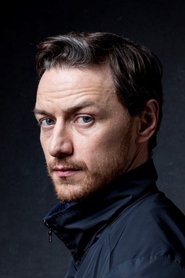 James McAvoyBruce
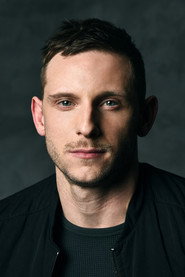 Jamie BellLennox
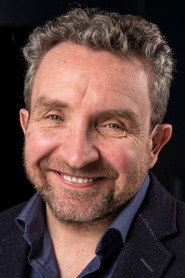 Eddie MarsanBladesey
 Imogen PootsDrummond
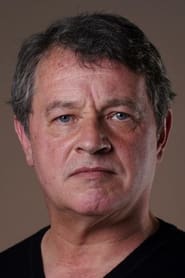 Brian McCardieGillman
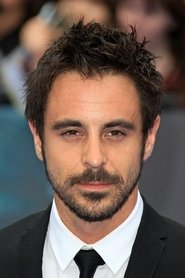 Emun ElliottInglis
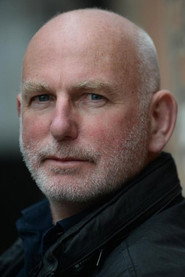 Gary LewisGus
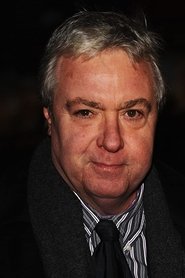 John SessionsToal
 Shauna MacdonaldCarole
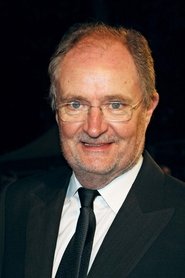 Jim BroadbentDr Rossi
 Joanne FroggattMary
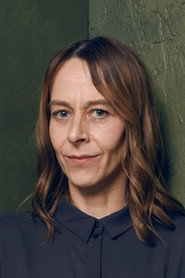 Kate DickieChrissie
Directing
- Jon S. BairdDirector
- David GilchristFirst Assistant Director
- Mark MurdochSecond Assistant Director
- Stina ElindersonThird Assistant Director
Writing
- Irvine WelshNovel
- Jon S. BairdScreenplay
Production
- Danny JacksonCasting
- Jane JenkinsCasting
- Janet HirshensonCasting
- Kahleen CrawfordCasting
- Ralph S. DietrichExecutive Producer
- Celine RattrayProducer
- Christian AngermayerProducer
- James McAvoyProducer
- Jens MeurerProducer
- Jon S. BairdProducer
- Ken MarshallProducer
- Mark AminProducer
- Stephen MaoProducer
- Steven IstockProducer
- Trudie StylerProducer
- Will ClarkeProducer
Recommended by
Trainspotting, Withnail & I, Shallow Grave, Bronson, Sightseers, 44 Inch Chest