
Film
Dreamcatcher
Other titles called Dreamcatcher: the 2003 film.
Kim Longinotto's portrait of Brenda Myers-Powell, a former prostitute turned advocate fighting sexual exploitation in Chicago. Brenda moves through her world with fierce grace, helping girls escape trafficking while processing her own brutal past. It's urgent, tender, and animated by one woman's refusal to look away from suffering—or to let others suffer alone.
Should you watch it?
Watch it if you want a clear-eyed documentary about exploitation anchored by a survivor who still speaks with startling warmth, and you trust a single voice to carry the whole film.
Skip it if the subject is heavy throughout, and if you need a lighter pulse or a clear narrative arc, the steady talk of abuse and hardship may wear you down.
What it asks of you: A little over an hour and three-quarters of mostly unhurried talk, with the attention resting on faces rather than plot.
Not sure? Find tonight's pick in a minute.
If you liked this
American Pimp2000
Hughes brothers' unflinching documentary lets actual pimps explain their operations in their own words. Brutal honesty about exploitation systems that makes the stakes of Brenda's work visceral and undeniable.
But Extremely difficult to watch. Extended interviews with perpetrators of abuse may feel exploitative or traumatizing depending on your relationship to this subject.

Very Young Girls2007
David Schisgall follows Girls Educational & Mentoring Services in New York, tracking real teenagers exiting the sex trade. Practical, compassionate, and shows the daily work of saving lives—Brenda's mission made concrete.
But Harrowing subject matter with no narrative cushioning. The realities of child trafficking are presented without mitigation.

Dear Zachary: A Letter to a Son About His Father2008
Kurt Kuenne's documentary about cycles of violence and loss. Like Dreamcatcher, it finds profound humanity in people shaped by trauma, though through a very different story.
But Deeply emotionally manipulative in service of a genuine purpose. Some find its construction dishonest; others find it necessary.

Not sure tonight? Get a pick in a minute, starting from Dreamcatcher
The wildcard
Something you would not have found on your own.
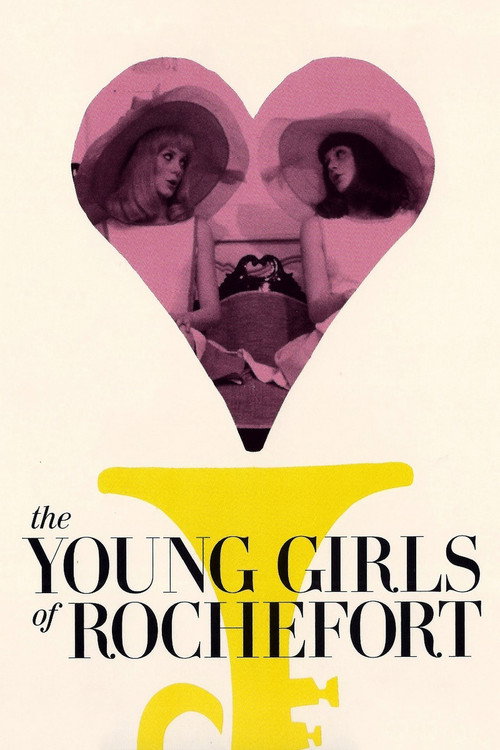
The Young Girls of Rochefort1967
Both films trust that optimism and joy are not naive—that they are the most radical possible response to a world built to crush them. Brenda and the demy heroines inhabit different worlds but the same spiritual register: defiance through grace.
Demy's radiant musical—the opposite of Dreamcatcher's register. Two sisters and a weaver search for love across a pastel town. Pure joy, colour, and faith in human connection as a genuine force.
But Unabashedly romantic and formally artificial. If you need documentary realism or contemporary social urgency, this will feel impossibly remote.
More like this (8)
The Act of Killing2012
Joshua Oppenheimer gets perpetrators of mass atrocity to perform their own crimes. Confrontational documentary practice that forces viewers to sit with uncomfortable truths about human capacity for violence and rationalization.
But Morally disorienting and extremely long. Some object to the method; others find it's the only honest way to address certain subjects.

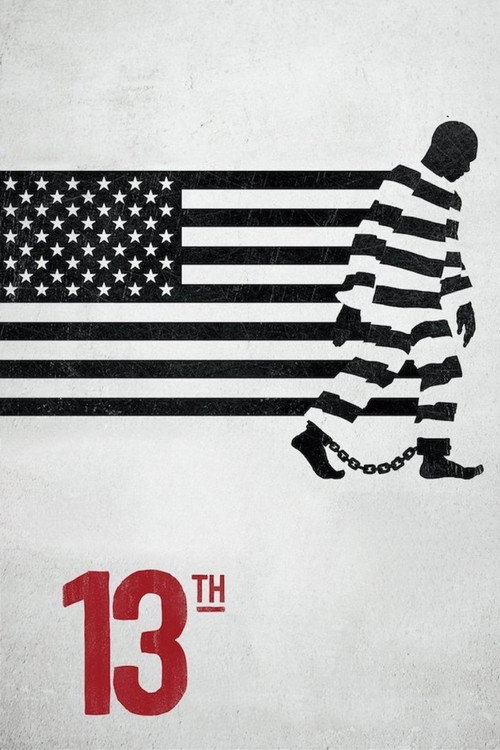
13th2016
Ava DuVernay's examination of mass incarceration as an extension of slavery. Systemic analysis of how state violence traps people, particularly Black women—the structural forces Brenda fights against.
But Dense with information and argument. If you want character study rather than analysis, this skews toward the latter.
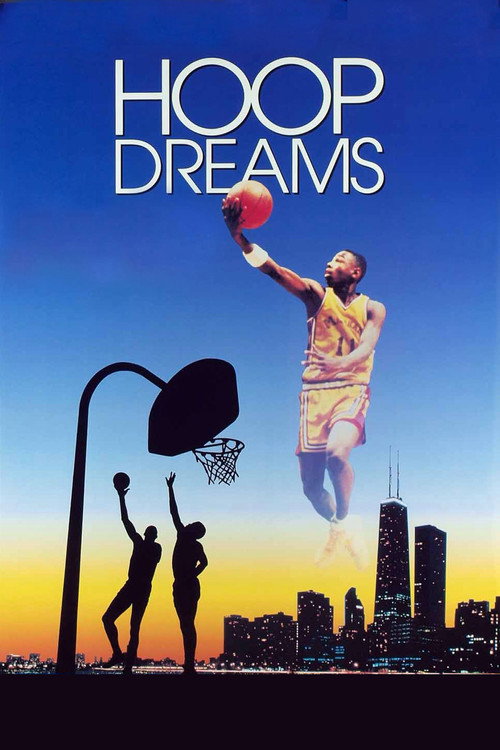
Hoop Dreams1994
Steve James follows two basketball players through Chicago over a decade, revealing how systems fail poor Black youth. Epic scope of personal documentary work that shares Dreamcatcher's commitment to witness and dignity.
But Four hours long. Requires patience and sustained attention; some find the editing deliberate to the point of slowness.
Senna2010
Asif Kapadia's kinetic portrait of Ayrton Senna uses archival footage to build psychological depth and moral complexity. Shows how documentary can be formally inventive while remaining intimate.
But If you don't care about Formula 1, the sport can feel like a distraction from what you're actually watching—though it isn't.

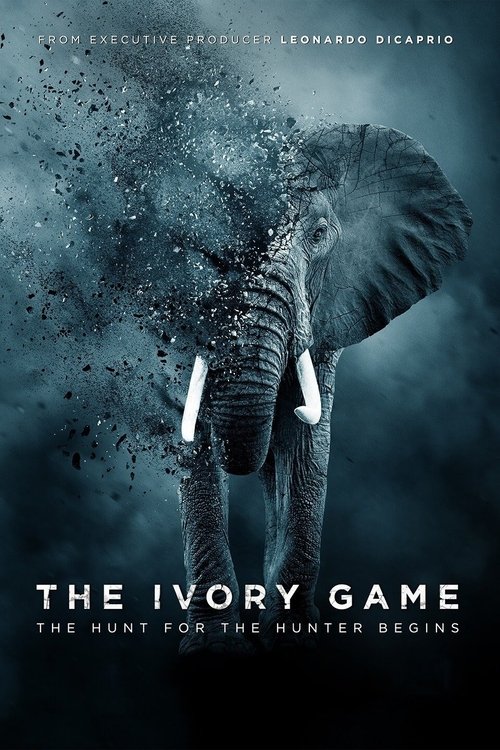
The Ivory Game2016
Richard Ladkani and Ivory Cert track rangers, poachers, and activists in the fight against elephant poaching. Advocates fighting entrenched violence with ingenuity and persistence, similar thematic energy to Brenda's work.
But Can feel like advocacy cinema rather than journalism. Some scenes strain for emotional impact rather than earning it naturally.
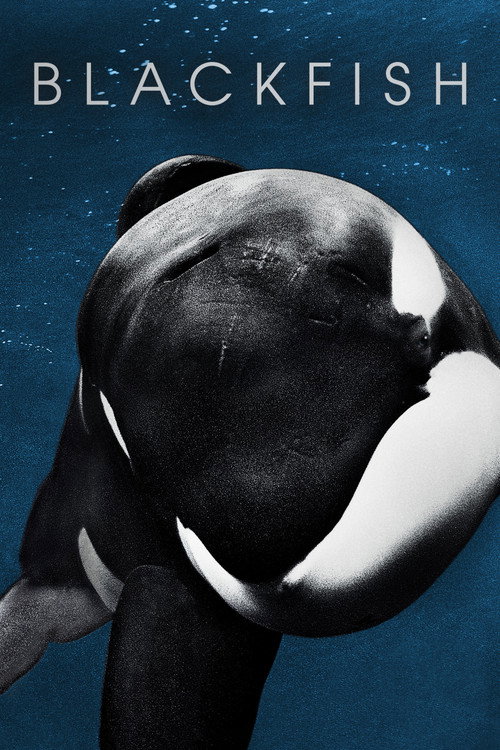
Blackfish2013
Gabriela Cowperthwaite investigates SeaWorld through the lens of Tilikum, an orca. Effective documentary craft about systemic cruelty and the people complicit in normalizing it.
But Relies on emotional escalation and has been challenged on specifics. If you prefer ambiguity to moral clarity, this will feel reductive.
Boyhood2014
Both reject the arc of traditional narrative in favour of duration and witness. They're interested in what it actually feels like to be alive over time—how transformation happens imperceptibly, then all at once.
Richard Linklater filmed the same actor over twelve years, building a portrait of time and growth. Like Dreamcatcher, it discovers meaning in sustained attention to a singular life and the accumulation of small moments.
But Three hours. Structurally nothing happens; if you need plot momentum or dramatic peaks, you'll find it shapeless and indulgent.

Winter Light1963
Both are portraits of people living out a vocation—a commitment to others that costs them continually. Brenda's optimism versus the pastor's emptiness are opposite poles, but the spiritual exhaustion underneath is the same.
Bergman's chamber study of faith, doubt, and the pastor at its centre trying to help others while spiritually hollow. Formal, austere, and quietly devastating about the labour of caring for people while broken yourself.
But Bleak and slow. No mercy, no resolution, shot in grey and shadow. Demands you sit with discomfort rather than offering catharsis.

People
Cast
 Brenda Myers-PowellHerself
Directing
- Kim LonginottoDirector
Writing
- Lisa StevensWriter
Production
- Dan CoganExecutive Producer
- Geralyn White DreyfousExecutive Producer
- Regina K. ScullyExecutive Producer
- Lisa StevensProducer
- Teddy LeiferProducer