
Film
Brando
A portrait of Marlon Brando constructed from archive footage and interviews with actors he influenced. It traces his revolutionary approach to the craft—the intensity, the mumbling, the raw emotion—and how he rewired what acting could be. For anyone fascinated by performance itself, or by how one person can reshape an entire art form.
Should you watch it?
Watch it if you love hearing working actors pick apart how a performance is built, and you don't mind a talking-heads format that trusts its interviewees to carry the room.
Skip it if you want a tight, linear biography, since at nearly three hours of interviews and clips it wanders and rarely pushes forward.
What it asks of you: An evening's commitment, unhurried and circling, its anecdotes return to the same figure from several angles rather than marching forward.
Not sure? Find tonight's pick in a minute.
If you liked this
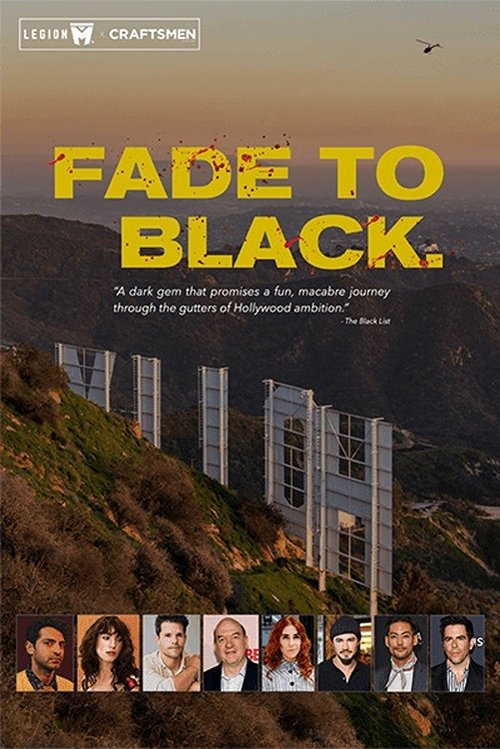
Fade to Black
James Lipton's documentary about Gregory Peck offers a warmer, more personal dive into an actor's legacy and influence. It has the same reverent tone and archive-heavy structure, but with intimate detail.
But Peck is a gentler subject than Brando. If you're drawn to chaos and contradiction, this will feel too respectful.
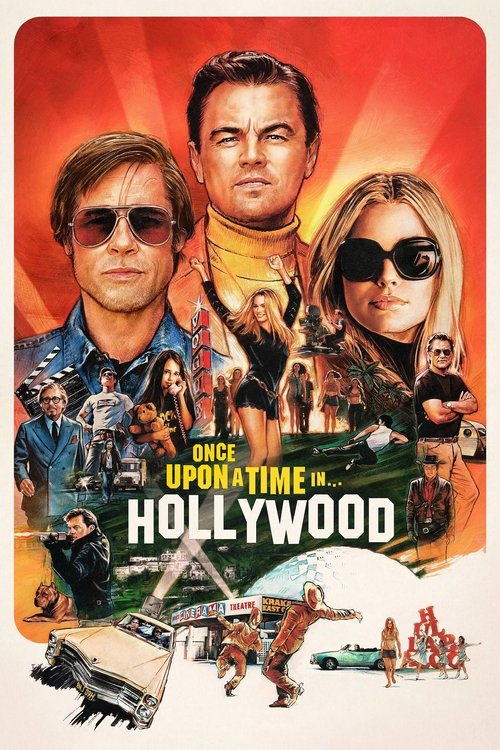
Once Upon a Time... in Hollywood2019
Tarantino's love letter to 1950s–60s Hollywood performance and stardom. It captures the period when Brando was transforming the craft, and radiates admiration for actors who took enormous risks.
But Two hours fifty-nine minutes of languid nostalgia. Plot is secondary to mood, and the mood is melancholic rather than urgent.
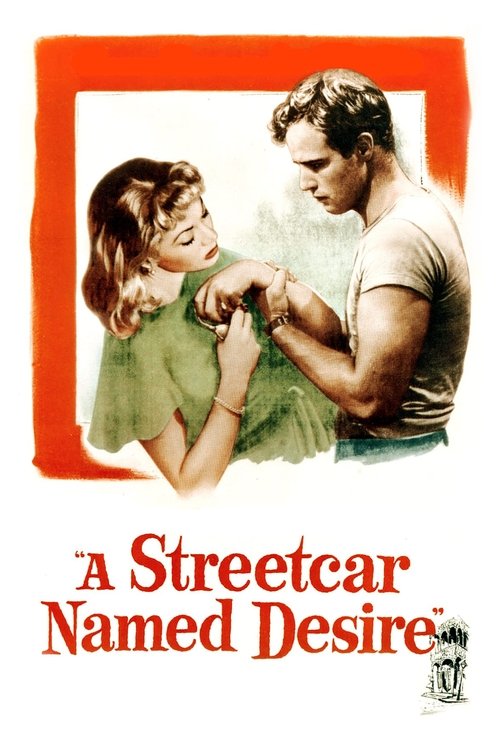
A Streetcar Named Desire1951
The film that made Brando a legend—it's essential viewing to understand what the documentary is arguing. Vivien Leigh is extraordinary, and the raw intensity still shocks.
But Can feel stagey to modern eyes. The treatment of desire and mental illness is dated, and some of it plays as unintentionally uncomfortable.
Not sure tonight? Get a pick in a minute, starting from Brando
The wildcard
Something you would not have found on your own.
Kes1970
Both represent the death of the old acting—Brando killed the classical approach through sheer force; Kes and the realist movement killed it through indifference. Same result, opposite directions.
A British film about a working-class boy and a hawk, with naturalistic, non-theatrical acting that erupted from the same postwar movement that produced method acting. Performance here is about observation, not display—the inverse of Brando's grandeur.
But It's about a child's life in industrial Yorkshire. Slow, sometimes painful, utterly unglamorous. Brando made acting about yourself; Kes makes it about the world around you.

More like this (5)
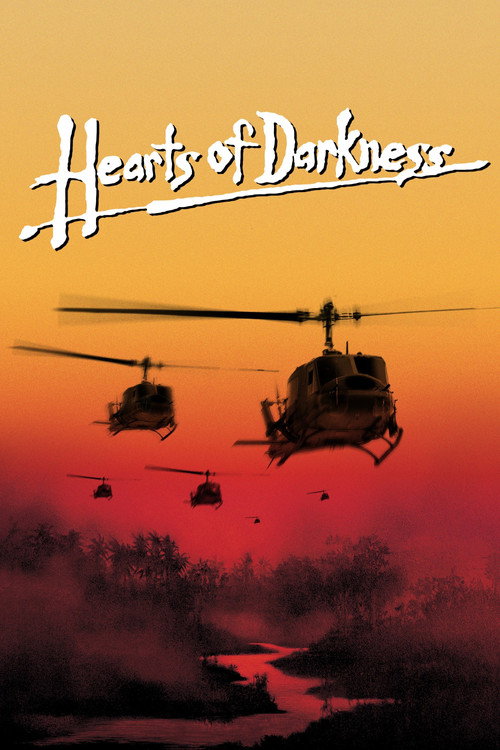
Hearts of Darkness: A Filmmaker's Apocalypse1991
Another documentary about artistic obsession and an actor's power to destabilise a production. Coppola and Brando's collision on Apocalypse Now is the ultimate version of this story.
But It's really about Coppola, not Brando. If you want the full Brando picture, this is tangential, however riveting.
Relevant
A brief, sharp documentary about how Lee Strasberg's Actors Studio shaped postwar American cinema. Brando appears throughout as the method's ultimate expression and its most glamorous rebel.
But Only 75 minutes, so it covers enormous ground at speed. Some will find it too compressed to be satisfying.
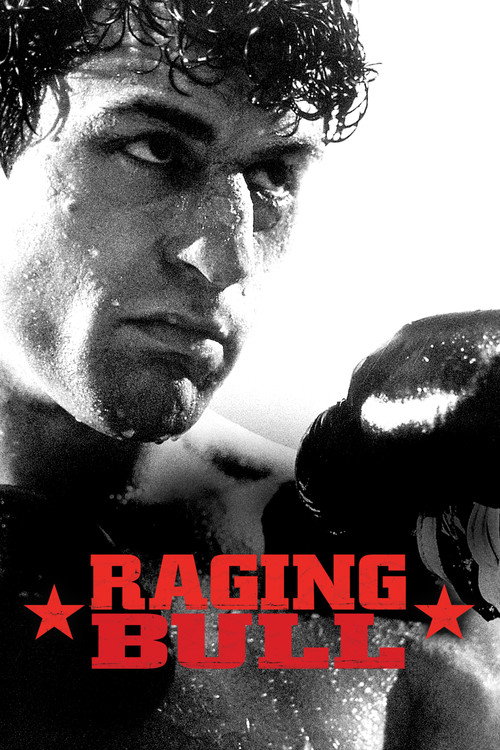
Raging Bull1980
De Niro's performance is the closest any actor has come to matching Brando's raw physicality and emotional chaos. Scorsese's direction captures the same kind of interior intensity that Brando pioneered.
But Violent, brutal, and unrelentingly dark. It's a masterpiece but an exhausting watch, and the boxing scenes can feel repetitive.
Stalker1979
Both Brando and Tarkovsky rejected theatrical conventions to excavate something true. Brando did it by erupting; Tarkovsky did it by removing everything false. Same search, different weapons.
Tarkovsky's philosophical science-fiction film about desire and meaning. The performance style is the opposite of Brando's—actors move as if through water, voices are quiet, the camera holds. Yet both directors demand absolute internal truth.
But Three hours of near-silence with long takes of empty rooms. No plot momentum. Requires patience that borders on meditation.

The Act of Killing2012
Brando believed acting reveals truth about the human soul. The Act of Killing takes that faith and shatters it—showing how performance can conceal, justify, and transform evil. Both are obsessed with what acting can unlock in a person; one celebrates it, the other terrifies.
A documentary where former Indonesian death-squad commanders are asked to reenact their murders, to see how they perform the worst things they've done. It's about performance, power, and the relationship between acting and truth—darker and more profound than Brando.
But Genuinely disturbing and morally complicated. Not entertainment. The reenactments are grotesque, and the film asks questions it doesn't answer.

People
Cast
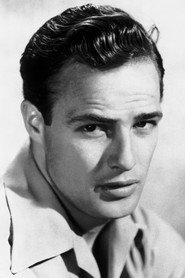 Marlon BrandoSelf (archive footage)
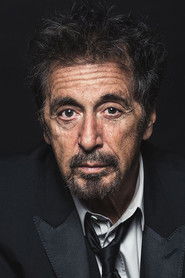 Al PacinoSelf
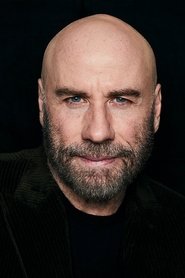 John TravoltaSelf
 Sean PennSelf
 John TurturroSelf
 Robert DuvallSelf
 Martin LandauSelf
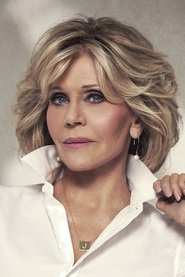 Jane FondaSelf
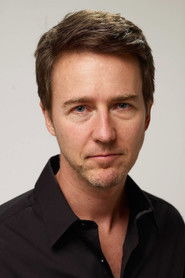 Edward NortonSelf
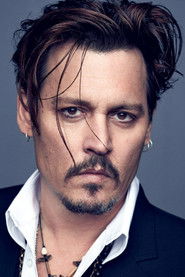 Johnny DeppSelf
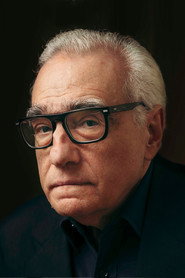 Martin ScorseseSelf
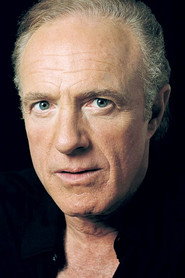 James CaanSelf
Directing
- Leslie GreifDirector
- Mimi FreedmanDirector
Writing
- Mimi FreedmanWriter
Production
- Joanne RubinoProducer
- Leslie GreifProducer
- Mimi FreedmanProducer
- Jefferson DuttonProduction Coordinator