Television series
The New Stanford Prison Experiment
- Social drama
- Very dark
A real-world reimagining of the infamous 1971 Stanford Prison Experiment, following thirty willing participants assigned as guards or prisoners in an actual facility. It's a high-stakes social psychology documentary-drama hybrid that interrogates whether ordinary people inevitably become corrupted by power, or whether empathy can survive systemic pressure. For viewers fascinated by human behaviour under duress and institutional morality.
Should you watch it?
Watch it if you love a tightly wound social experiment where the drama comes from ordinary people sliding into roles, and you want the moral questions argued through character rather than lectured at you.
Skip it if you need a fresh angle on a famous experiment, since this rests on a familiar setup and a question the pitch has already asked loudly for you.
What it asks of you: Six episodes is a compact commitment, and it rewards sitting with discomfort and slow-building tension across one season rather than bingeing for the plot.
Not sure? Find tonight's pick in a minute.
If you liked this
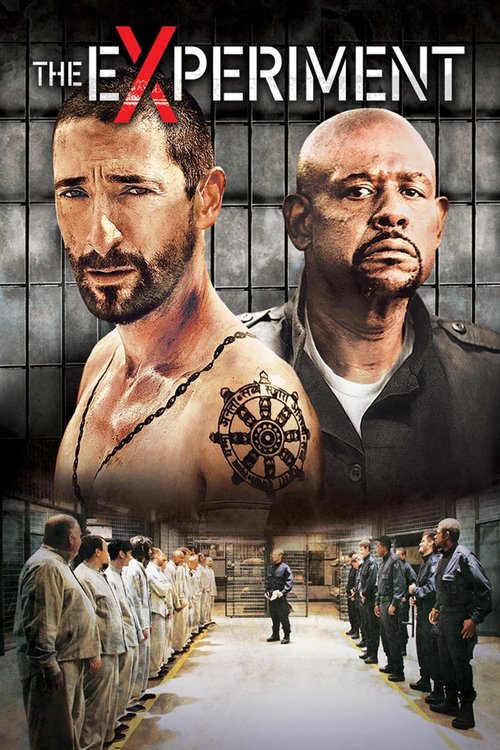
The Experiment2010
A tense, unflinching dramatization of a similar prison hierarchy study that escalates into genuine psychological warfare. Explores how quickly civility collapses when power is decentralised and observation is removed.
But It's claustrophobic and bleak, with little catharsis. The violence—though not gratuitous—may feel pointless if you're after narrative resolution.
Obedience1962
Documents and reconstructs Stanley Milgram's obedience experiments with the same unflinching eye. Asks the same question: how far will ordinary people go when authority endorses it?
But It's deliberately slow and repetitive, mirroring the monotony of the original experiments. Some find that rhythm tedious rather than hypnotic.
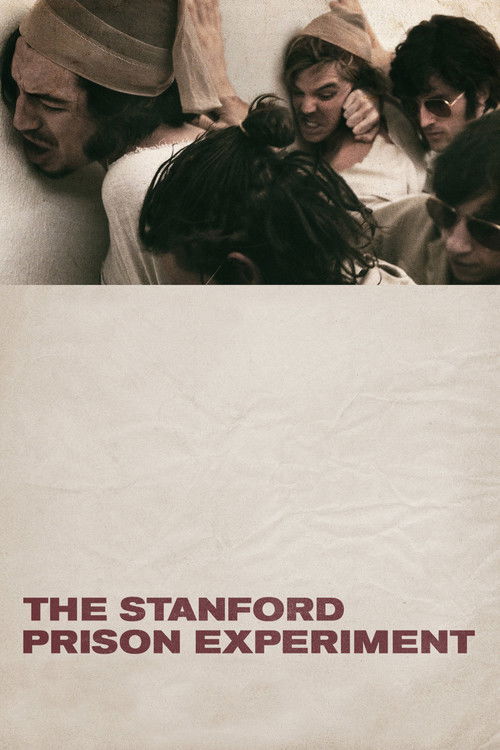
The Stanford Prison Experiment2015
The recent dramatization of the original 1971 study itself. Essential context—see what the source material was, and how director Kyle Patrick Alvarez interprets the chaos and moral collapse.
But Knowing the outcome in advance removes suspense. Critics argue it simplifies the ethical disaster into entertainment.
Not sure tonight? Get a pick in a minute, starting from The New Stanford Prison Experiment
The wildcard
Something you would not have found on your own.
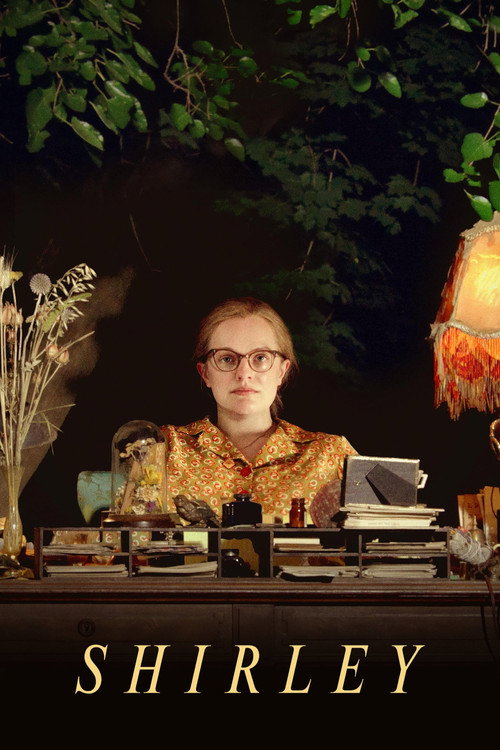
Shirley2020
Both examine how ordinary people organise cruelty; Jackson's fiction predicted the Stanford experiment's findings with unsettling accuracy.
Elisabeth Moss as Shirley Jackson during the week she conceived 'The Lottery'—her story of ordinary people becoming capable of collective cruelty. It's a psychological portrait of the author who understood systemic horror before it had a name. Eerie mirror to the experiment's moral concerns.
But It's slow, interior, and frequently claustrophobic. The drama is domestic and literary rather than visceral—some find that tedium rather than tension.
More like this (8)
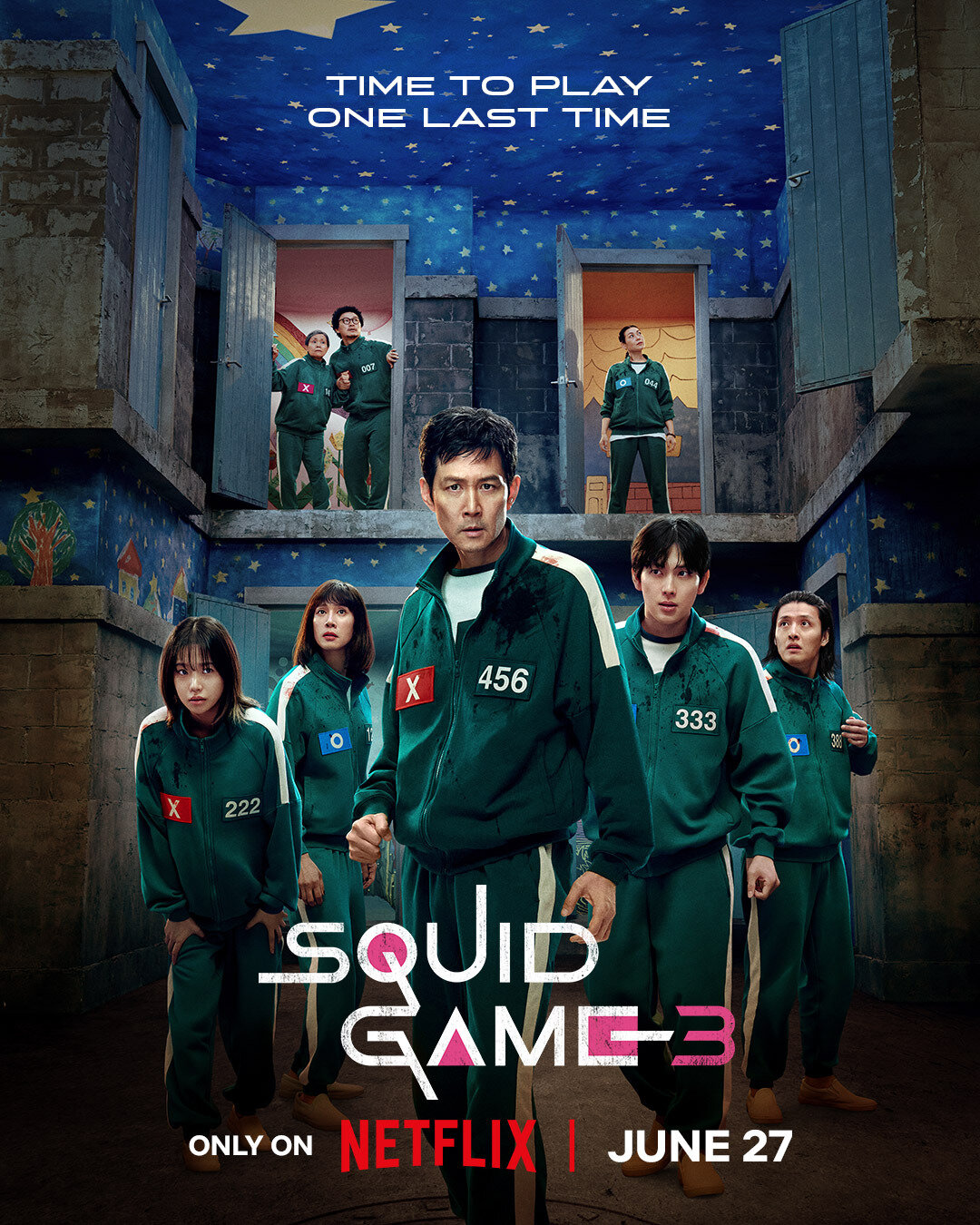
Squid Game2021
A masterclass in how hierarchical systems emerge and calcify under pressure. Ordinary people sorted into roles they didn't choose, then watching power corrupt instantly. The stakes are fictional but the social dynamics are brutally real.
But It's nihilistic and exhausting. Watching good people become complicit in cruelty can feel like punishment rather than insight.
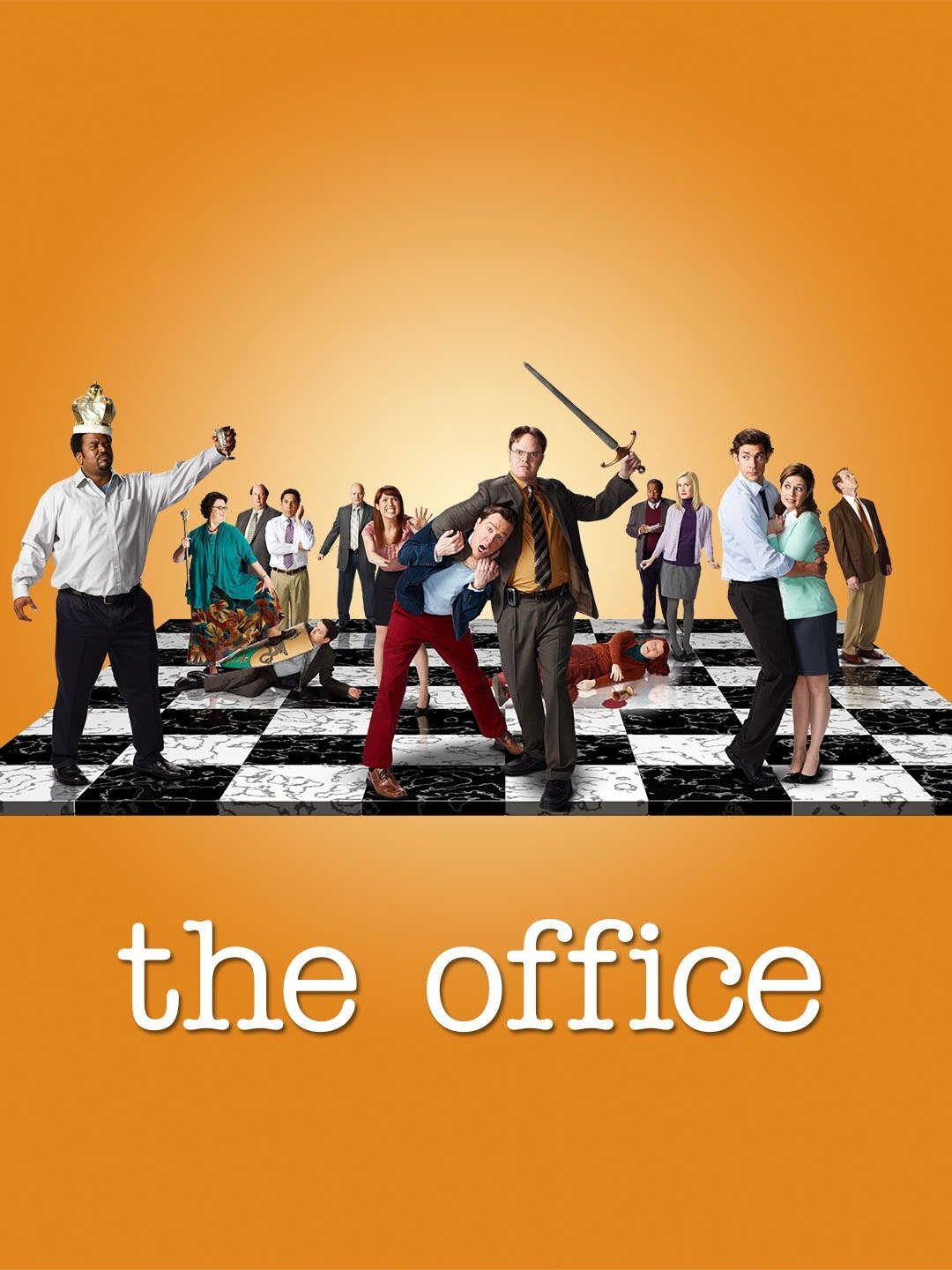
The Office2005
A comedy that proves how quickly arbitrary hierarchies become tyrannical. Michael Scott's power over his subordinates mirrors institutional dynamics in miniature—funny until it isn't.
But Starts as sitcom, not sociology. If you want serious analysis of power dynamics, the comedy undercuts the observation.
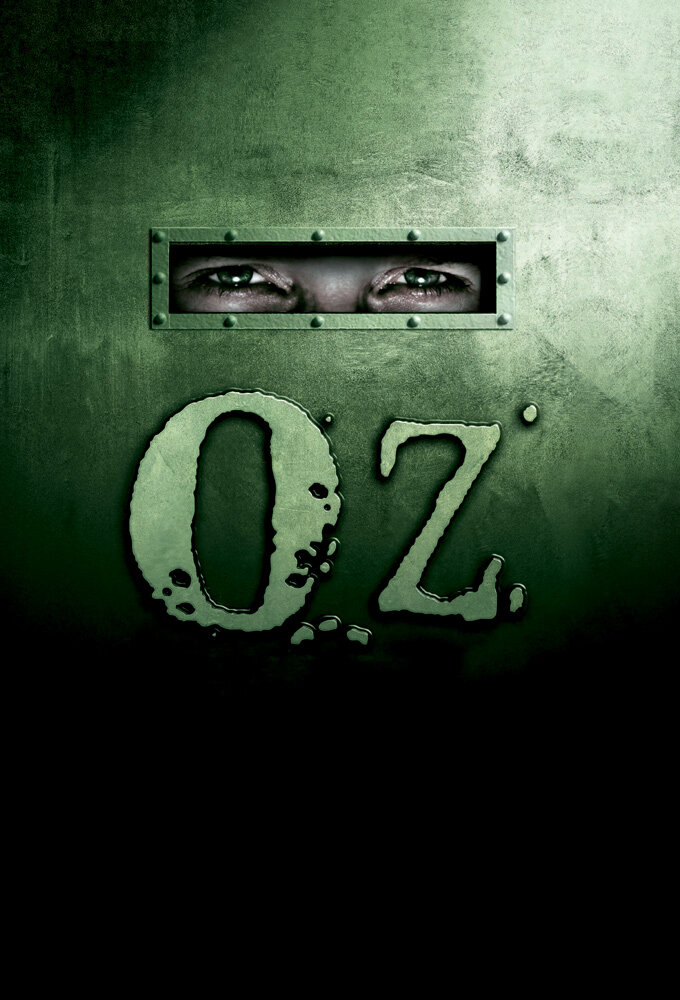
Oz1997
Still the definitive prison drama. Shows how institutions reshape behaviour, how power flows, how ordinary men become either predators or victims. Relentlessly intelligent about systemic dehumanisation.
But Twenty-plus years old and graphically violent. Some of the excess feels dated; the sexual assault content is deliberate and hard.
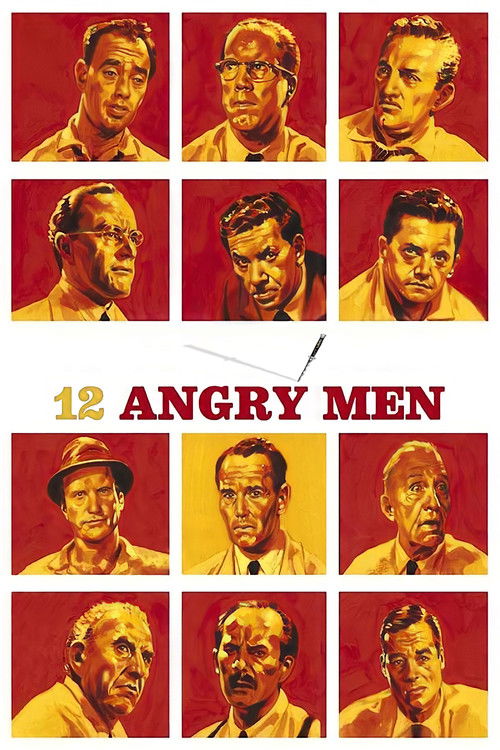
12 Angry Men1957
The inverse: one man resisting groupthink and institutional pressure. Shows how fragile individual conscience is when authority—even peer authority—leans the other way.
But It's entirely dialogue in a jury room. If chamber pieces bore you, this will feel like homework despite its urgency.
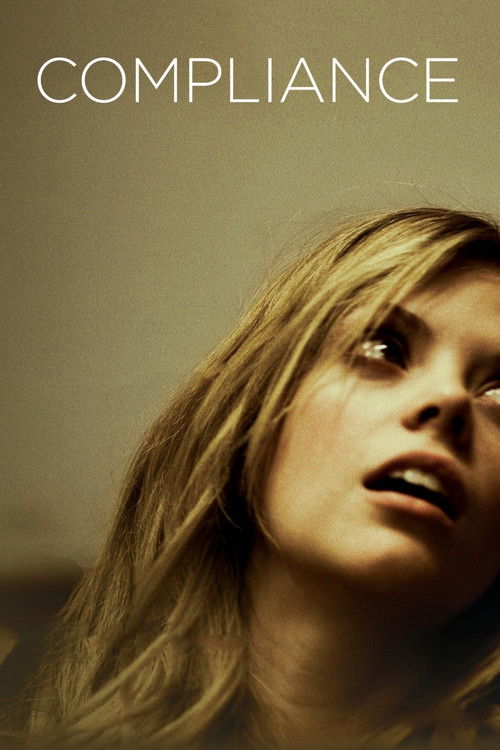
Compliance2012
A sickening true story: a fast-food manager manipulated into abusing an employee by a caller impersonating a cop. A masterclass in how ordinary people comply with authority they haven't verified.
But It's intentionally nauseating. Watching institutional pressure turn decent people into accomplices to abuse is not entertainment—it's punishment.
The Act of Killing2012
A documentary that forces perpetrators of atrocity to reconstruct their crimes cinematically. Devastating insight into how people justify cruelty once power has normalised it.
But Extremely long and morally vertiginous. Watching killers replay their murders, even stylised, is not an easy evening.

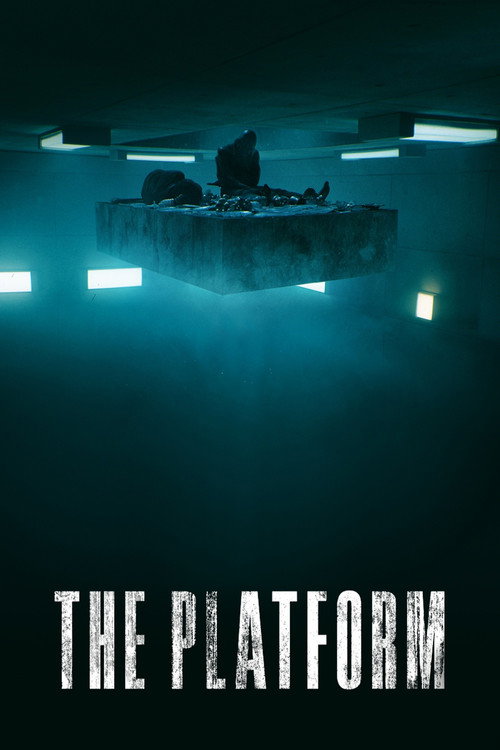
The Platform2019
Both use enforced systems to strip away civility and reveal how quickly self-interest overwrites empathy.
A Spanish sci-fi film where prisoners on a multi-level platform must share food descending from top to bottom. A pure allegory of hierarchy, scarcity, and how quickly cooperation becomes predation. Stunning visual metaphor for what Stanford tried to prove.
But It's bleak, repetitive, and deliberately devoid of hope or character development. The allegory is transparent; some see that clarity as heavy-handed.
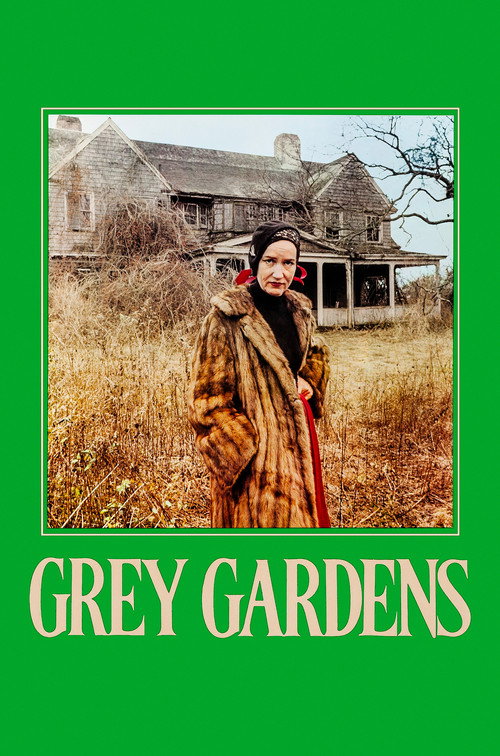
Grey Gardens1976
Both explore how roles harden into identity when people are isolated; both ask whether observers are scientists or just cruel.
A documentary following two reclusive women in a decaying mansion—aunt and niece, trapped in a dysfunctional hierarchy they've created together. No experiment, no guards: just two ordinary people inside a system they've built and can't escape. Quietly devastating.
But It's voyeuristic and uncomfortable. Watching real people deteriorate—it feels like cruelty by observation, and you may feel complicit as a viewer.