
Film
The Traitor
Marco Bellocchio's meticulous crime epic follows Tommaso Buscetta, a Mafia boss who becomes history's most significant pentito—informant—against Cosa Nostra. It's a three-hour immersion in institutional corruption, family loyalty, and the psychology of betrayal, anchored by Pierfrancesco Favino's magnetic performance. A film that trusts you to sit with moral ambiguity.
If you liked this
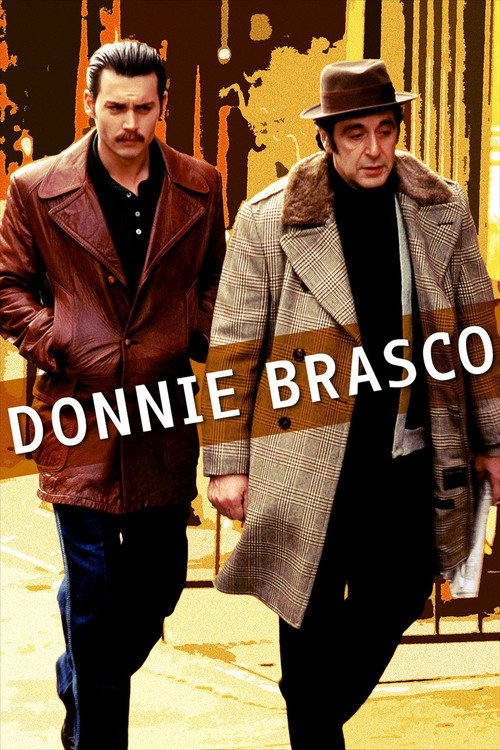
Donnie Brasco1997
Al Pacino and Johnny Depp navigate the central tension that haunts The Traitor: the bond between mentor and informant, and what loyalty means when deception runs that deep.
But It's fundamentally more conventional than Bellocchio's vision, trading moral complexity for emotional catharsis.
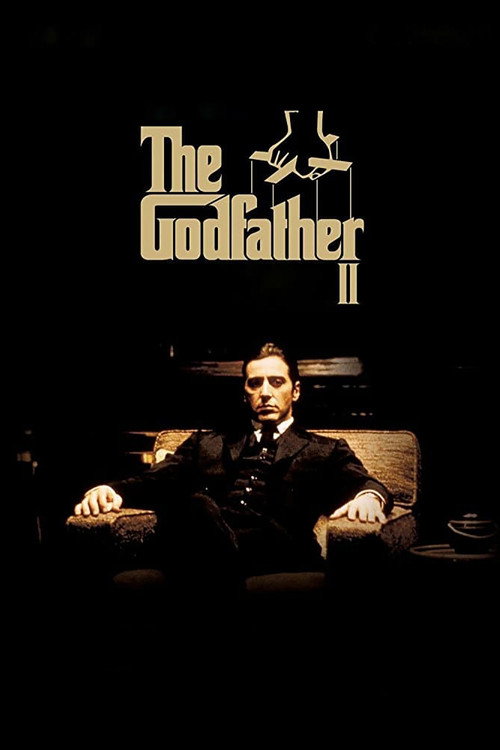
The Godfather Part II1974
Coppola's parallel structure—the rise and the fall, the young Vito and the aging Michael—echoes Bellocchio's interest in how organizations survive and destroy the men who serve them.
But It's mythic cinema; The Traitor is ruthlessly procedural. The registers are almost opposite.
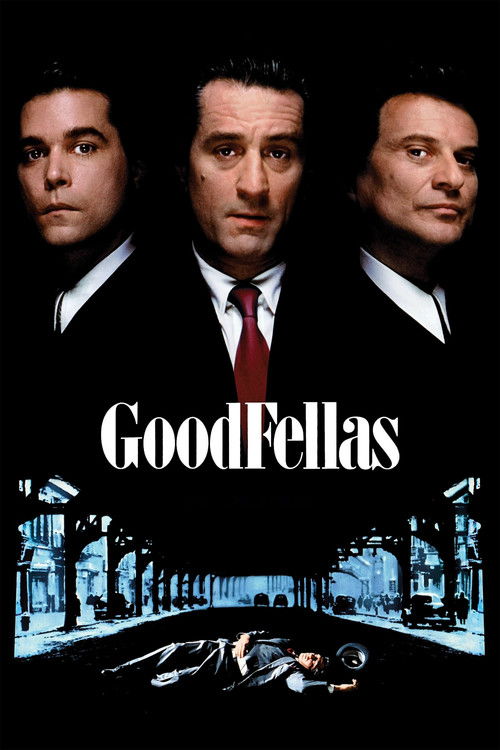
GoodFellas1990
Scorsese's kinetic energy and Henry Hill's narration gave the world its template for the mobster-as-unreliable-narrator. The Traitor is what happens when you strip away the romance and sit with the wreckage.
But This is the fun version. The Traitor is the bill coming due.
Not sure tonight? Get a pick in a minute, starting from The Traitor
The wildcard
Something you would not have found on your own.
The Battle of Algiers1966
Both are procedural inquiries into how institutions respond to infiltration and betrayal, using real historical events to ask structural questions about power, loyalty, and moral compromise.
Pontecorvo's documentary-style reconstruction of asymmetrical warfare—police versus insurgents, informants versus revolutionaries—shares Bellocchio's commitment to showing how systems break under pressure, filmed with the same austere precision.
But It's black-and-white, shot in 1966, and requires active engagement rather than passive watching. The politics are not hidden.

More like this (7)
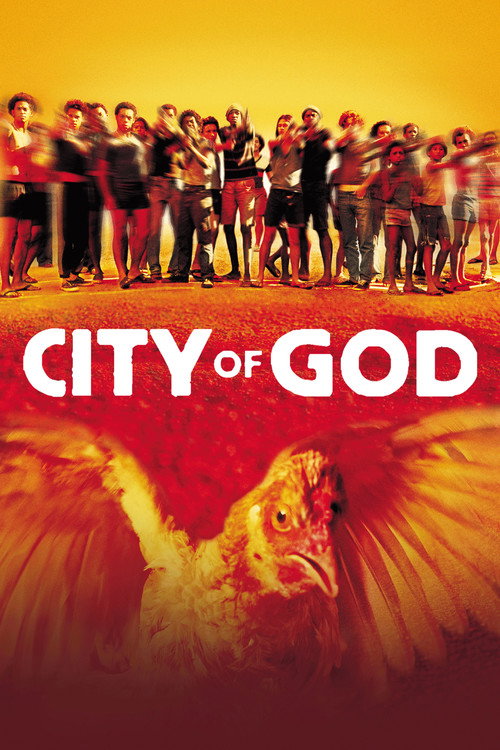
City of God2002
Fernando Meirelles captures organized crime's capacity to consume entire communities with visual dynamism and moral urgency, showing how systems perpetuate themselves across generations.
But Its style is deliberately baroque; Bellocchio's approach is austere and controlled.
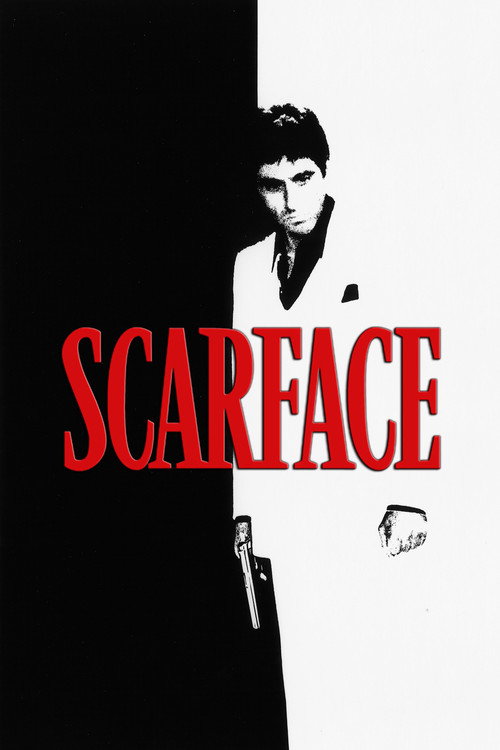
Scarface1983
Tony Montana's trajectory—from nobody to power to destruction—parallels Buscetta's arc, though De Palma's excess makes his inevitable fall operatic rather than inevitable.
But It's pure myth-making. The Traitor is historical reckoning. Watching them back-to-back clarifies the difference between myth and truth.
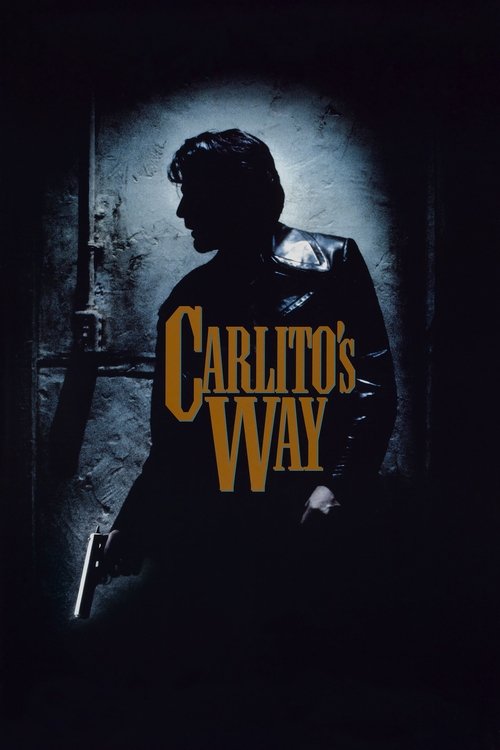
Carlito's Way1993
De Palma and Pacino examine what happens when a criminal tries to leave the life—the gravity that pulls you back, the impossibility of escape, the cost of betrayal.
But It has a romantic streak that The Traitor deliberately avoids; this is pulp next to journalism.
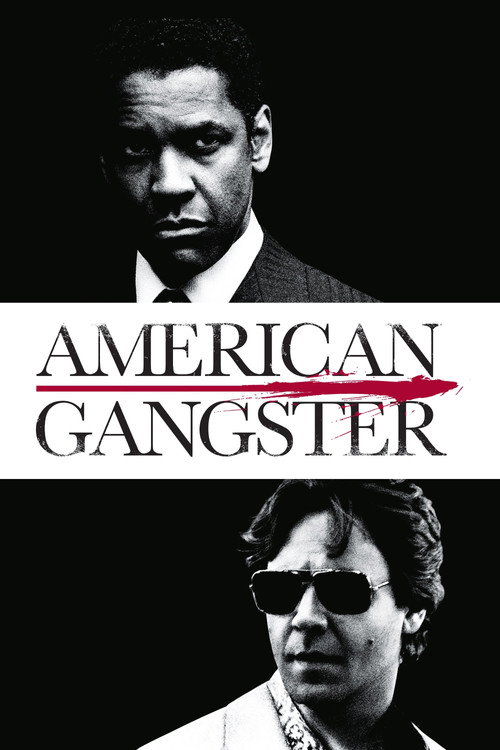
American Gangster2007
Ridley Scott's portrait of Frank Lucas and the cop hunting him unpacks how corruption becomes institutional, how power corrupts institutions, and how informants destabilize both.
But It's slick and star-driven in ways that dilute its own moral inquiry.
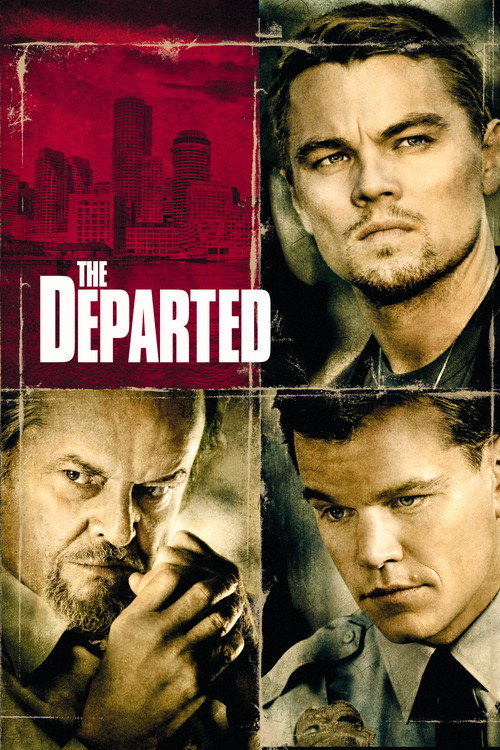
The Departed2006
Scorsese's Boston crime thriller explores the mirror logic of informants and moles, asking whose loyalty runs deeper when everyone's living a double life.
But It prioritizes plot momentum over moral weight, and it's more interested in genre thrills than the human cost of betrayal.
The Act of Killing2012
Both examine the psychology of men embedded in violent hierarchies, how they justify themselves, and what happens when the system demands they become witnesses to their own complicity.
Joshua Oppenheimer's documentary asks perpetrators to re-enact their crimes, creating a portrait of how men justify atrocity to themselves. It's The Traitor's inverse: informant-as-victim becomes perpetrator-as-witness.
But It's genuinely difficult to watch—not for violence, but for the casual evil on display. You're sitting across from men who committed genocide and are comfortable with it.

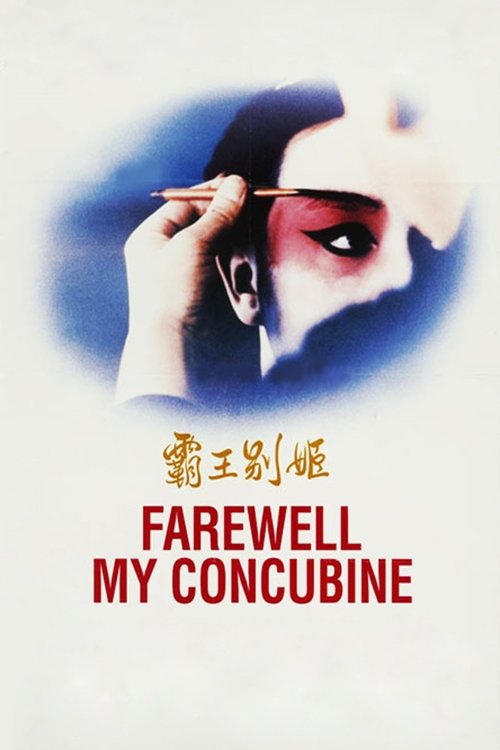
Farewell My Concubine1993
Both are historical dramas about men trapped between personal bonds and institutional demands, asking whether loyalty can survive when the system itself becomes the enemy.
Chen Kaige's Chinese epic spans decades of political upheaval through the relationship between two actors, showing how personal loyalty collapses under institutional pressure—betrayal not as moral choice but as survival mechanism.
But It's long, operatic, and its register is emotional and tragic rather than procedural. You need subtitles and patience.
People
Cast
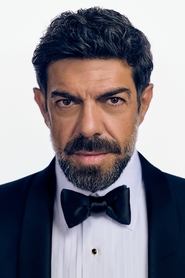 Pierfrancesco FavinoTommaso Buscetta
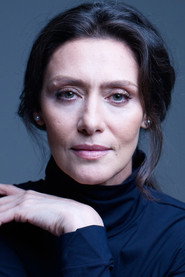 Maria Fernanda CândidoMaria Cristina de Almeida
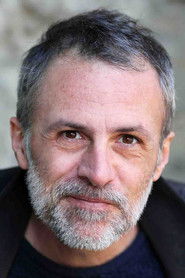 Fabrizio FerracanePippo Calò
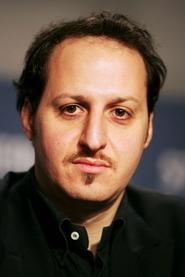 Fausto Russo AlesiGiovanni Falcone
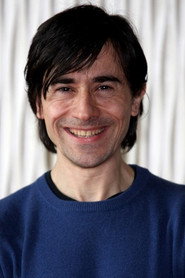 Luigi Lo CascioSalvatore Contorno
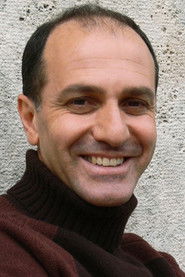 Bruno CarielloAlfonso Giordano
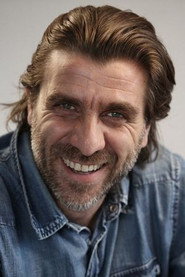 Giovanni CalcagnoTano Badalamenti
- Rosario PalazzoloGiovanni De Gennaro
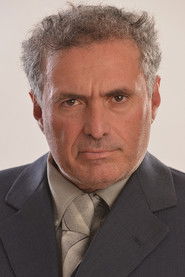 Nicola CalìTotò Riina
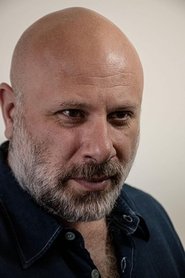 Vincenzo PirrottaLuciano Liggio
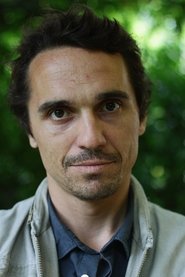 Pier Giorgio BellocchioCesare
Directing
- Alberto MangianteAssistant Director
- Marco BellocchioDirector
- Anna Elisabetta ContiFirst Assistant Director
- Anna BelluccioScript Supervisor
- Claudio AloiaSecond Assistant Director
- Massimiliano SorceThird Assistant Director
Writing
- Francesco La LicataCo-Writer
- Francesco PiccoloScreenplay
- Ludovica RampoldiScreenplay
- Marco BellocchioScreenplay
- Valia SantellaScreenplay
- Marco BellocchioScreenstory
Production
- André NovisAssociate Producer
- Alessandra TosiCasting
- Francesca BorromeoCasting
- Maurilio ManganoCasting
- Marta MancusoCasting Assistant
- Nike PirroneCasting Assistant
- Ana SaitoCo-Executive Producer
- Paula CosenzaCo-Executive Producer
- Alexandra HenochsbergCo-Producer
- Arthur HallereauCo-Producer
- Caio GullaneCo-Producer
- Fabiano GullaneCo-Producer
- Gregory GajosCo-Producer
- Michael WeberCo-Producer
- Michel MerktCo-Producer
- Pierre-François PietCo-Producer
- Viola FügenCo-Producer
- Alessio LazzareschiDelegated Producer
- André RistumDelegated Producer
- Simone GattoniExecutive Producer
- Attilio MoroGeneral Manager
- Daniela Antonelli AunGeneral Manager
- Sebastian FröhlichGeneral Manager
- Beppe CaschettoProducer
- Paolo Del BroccoProducer
- Nicky SprotenProduction Assistant
- Francesca ValestroProduction Coordinator
- Francesco PabillaProduction Coordinator
- Anastasia MichelagnoliProduction Designer
- Christian PeritoreProduction Director
- Sonia CiliaProduction Director