
Film
We Were Here
We Were Here revisits San Francisco's Castro through five people who lived the earliest, cruelest years of the AIDS epidemic. Told almost entirely in first-person testimony and archival footage, it's quiet, devastating and unhurried—less an explainer than an act of remembering. Not for anyone wanting narration or distance; it trusts its subjects to carry the grief and grace themselves.
If you liked this
How to Survive a Plague2012
Picks up the same crisis from the other coast and turns grief into strategy, tracking ACT UP's activists as they forced a government to notice them and, eventually, changed how drugs reach dying people.
But Assembled almost entirely from grainy VHS protest footage; the visual roughness and dense politics can be a lot to take in one sitting.
The Times of Harvey Milk1984
Made right before the plague hit, it captures the same Castro at its most joyful and hopeful — the 'before' picture that makes everything you've just watched land even harder.
But Its focus is Milk's assassination and city politics, not AIDS at all, so the connection is more atmosphere than subject.
Paris Is Burning1991
A joyous, electric counterpoint from the same devastating decade, following New York's ballroom scene as it built family and glamour out of exclusion and loss.
But Lighter in tone and set in a different city, and some of its subjects' fates are left painfully unresolved on screen.
The wildcard
Something you would not have found on your own.
Silverlake Life: The View from Here1993no page yet
Where retrospective testimony remembers from a safe distance, this one refuses distance entirely — the same grief, filmed in real time by someone still living it.
Shot by a filmmaker on his own dying partner using a camcorder, it's the rawest version of this story — diary footage instead of retrospective testimony, made inside the crisis rather than decades after.
But The video-diary intimacy is unsparing and unstaged; there's no hindsight and no comfort of survival to soften it.
More like this (7)
Common Threads: Stories from the Quilt1989
Another Oscar-winning documentary built on intimate testimony, using the AIDS Memorial Quilt as the thread connecting five very different American lives lost.
But Structurally very close to what you've just watched, so it may feel like a sibling film rather than something new.
BPM (Beats per Minute)2017
A pulsing, furious French drama dramatising ACT UP Paris meetings and street actions, giving the activism a physical, danceable urgency that talking-head documentaries can't quite reach.
But It's fiction, nearly three hours long, and its frank scenes of activism and intimacy are more confrontational than documentary's usual distance.

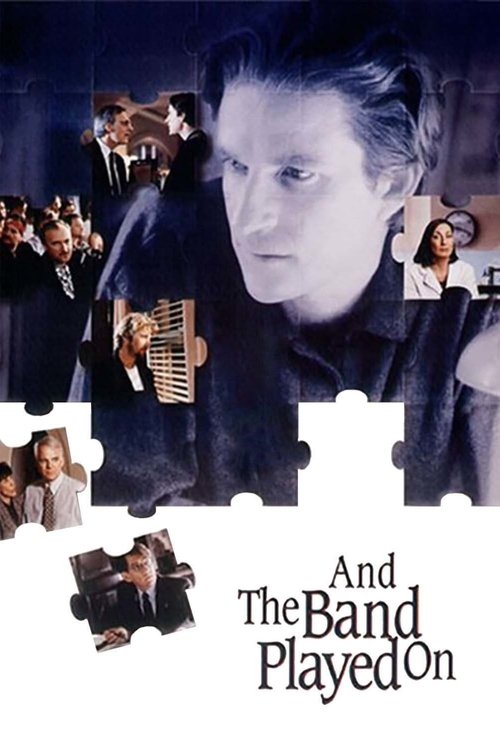
And the Band Played On1993
A star-studded HBO dramatisation of the early scientific and political scramble to identify the virus, tracing bureaucratic failure with real, sustained anger.
But Its early-90s TV-movie style and focus on doctors and officials trade personal intimacy for institutional detail.
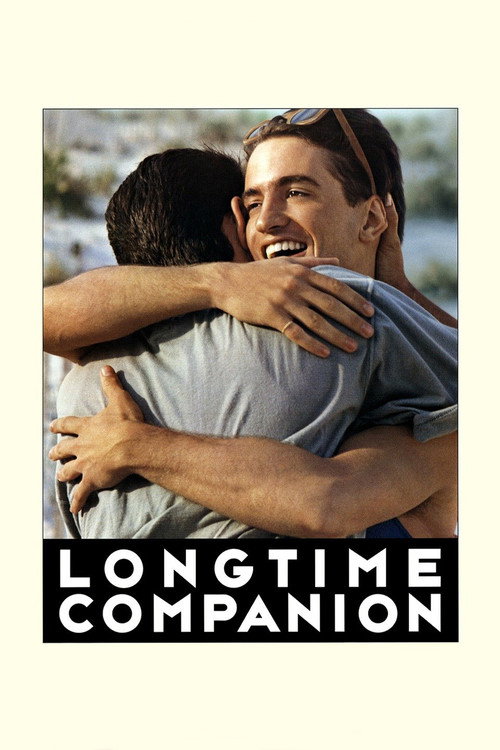
Longtime Companion1989
One of the first American films to depict AIDS as it was actually happening, following a circle of New York friends through the same disorienting early years.
But Its low-budget, stage-drama feel and dated visual style may seem slight beside more recent, polished treatments of the same history.
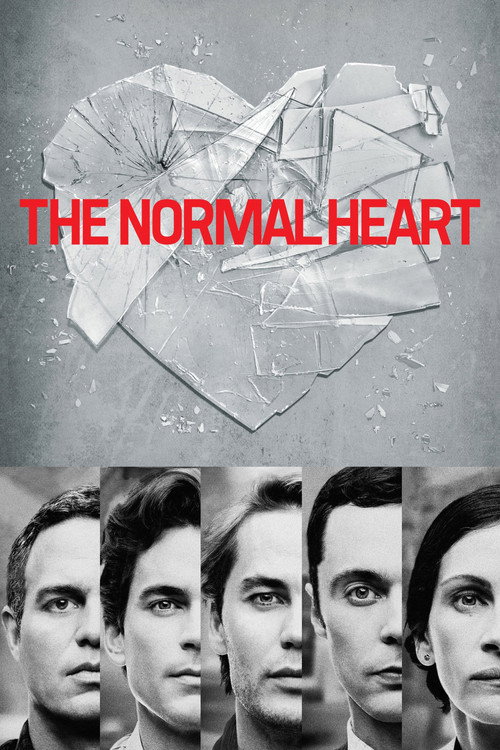
The Normal Heart2014
Larry Kramer's own furious, autobiographical account of activism's birth, adapted with a starry cast and unapologetic anger at institutional indifference.
But It's melodramatic by design, and some will find its heightened, theatrical dialogue less affecting than plain first-person testimony.
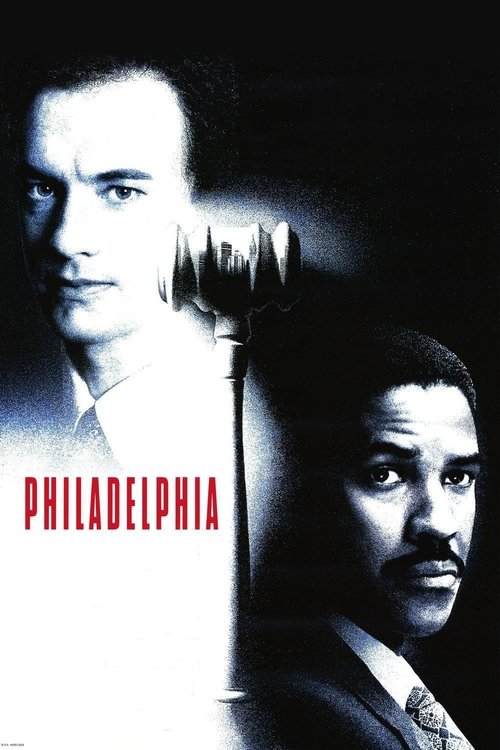
Philadelphia1993
The mainstream, courtroom-drama version of this history, worth seeing for how a major studio finally brought AIDS discrimination to multiplex audiences.
But Its legal-thriller structure and Hollywood polish soften a crisis that was messier and angrier than this film allows.
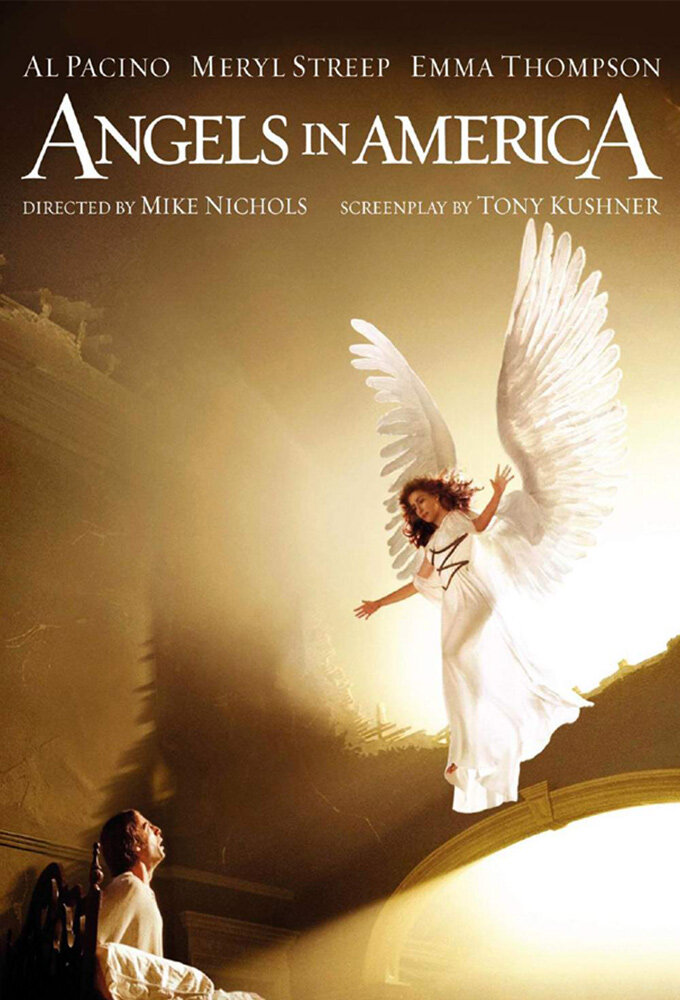
Angels in America2003
Tony Kushner wrote it as a direct answer to the same years and the same silence — fiction reaching for what memory alone couldn't hold.
The same Reagan-era plague reimagined as sprawling, angel-visited theatre-turned-television, mixing camp, fury and fantasy to reach what plain testimony sometimes can't.
But Its magical realism, six-hour length and theatrical excess are a world away from the plain-spoken restraint of documentary.
People
Cast
- Ed WolfSelf
- Paul BonebergSelf
- Daniel GoldsteinSelf
- Guy ClarkSelf
- Eileen GlutzerSelf
Directing
- Bill WeberCo-Director
- David WeissmanDirector
Production
- David WeissmanProducer
Recommended by
Weekend, Longtime Companion, How to Survive a Plague, A Single Man, Common Threads: Stories from the Quilt