
Film
Lemony Snicket's A Series of Unfortunate Events
A whimsical gothic adventure where three orphans with remarkable talents evade a theatrical villain determined to claim their inheritance. Barry Sonnenfeld's film is all velvet shadows, deadpan narration, and Jim Carrey's gloriously unhinged villainy—it's Tim Burton for kids who already like darkness, humor that doesn't condescend, and stories where things don't necessarily end well.
Should you watch it?
Watch it if you enjoy deadpan narration that winks at the reader and a gothic-storybook world where grim events are played for slapstick, with Jim Carrey hamming it up.
Skip it if you want a cosy family adventure with a firm sense of direction, since the story loops through repeated near-misses and the mood stays arch and mocking rather than warm.
What it asks of you: Plan on under two hours, with a steady stream of narrator asides you must keep up with, since much of the fun lives in the wording.
Not sure? Find tonight's pick in a minute.
If you liked this
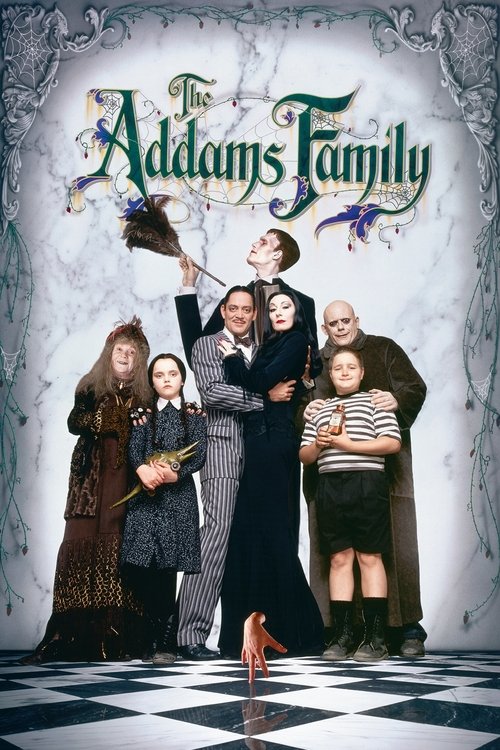
The Addams Family1991
A family that revels in morbidity, decay, and being different. The same commitment to gothic whimsy, the same needle-sharp deadpan humor, the same sense that darkness and warmth aren't opposites. Sonnenfeld directed this too.
But If you want genuine scares rather than atmosphere. This is comedy first—the scariness is part of the joke.
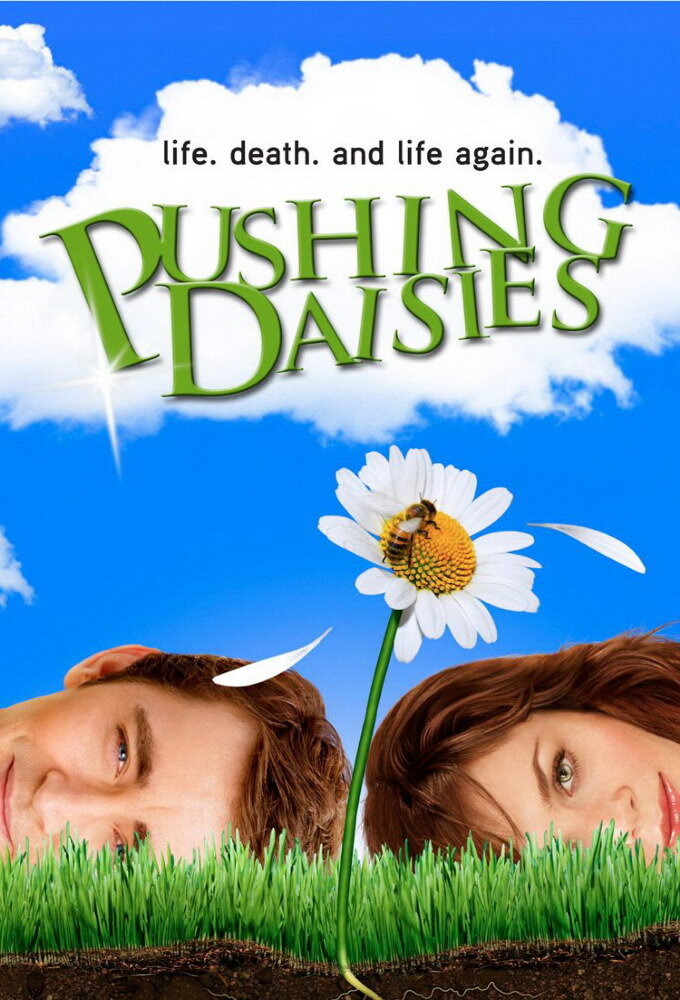
Pushing Daisies2007
A series drowning in visual invention and color-stacked whimsy while telling stories about grief, loneliness, and things that can't be touched. Same heartbreak-wrapped-in-candy-coating tone. Narration that talks to you.
But It's episodic; you don't get one clean arc. And the sweetness gets earnest in ways Snicket never quite does.
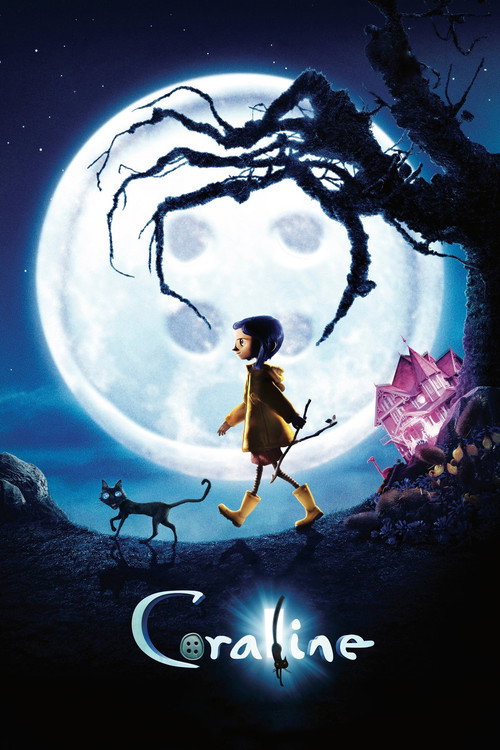
Coraline2009
A child protagonist navigating genuine darkness without being talked down to. Handmade stop-motion atmosphere, whimsy as a disguise for real dread, Neil Gaiman's refusal to soften the edges. Dark but never mean.
But The other world is genuinely unsettling. Some younger kids find it creepy rather than fun.
Not sure tonight? Get a pick in a minute, starting from Lemony Snicket's A Series of Unfortunate Events
The wildcard
Something you would not have found on your own.
The Cabinet of Dr. Caligari1920
Both films use production design to make moral corruption visible. The world looks wrong because the world *is* wrong. Environment as character.
Silent German Expressionist film: painted sets, shadows that are painted on the floor, a world that looks sick with wrongness. The vocabulary Snicket inherits—decor as storytelling, visual grotesqueness as beauty. Everything you see is deliberate.
But Silent film, 1920. No score to carry you. The pacing will test patience built on streaming habits.

More like this (8)
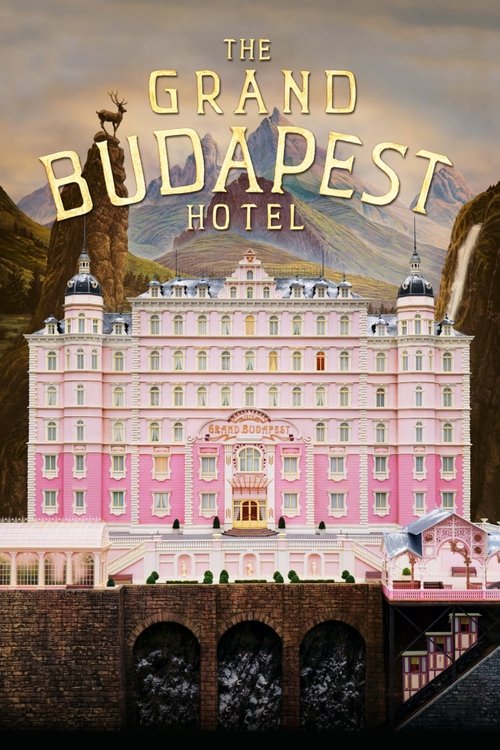
The Grand Budapest Hotel2014
Wes Anderson's valentine to artifice, melancholy, and the theater of the everyday. Meticulous production design, a world where beauty matters, narrative framing that calls attention to itself. Beauty and death together.
But The formality is deliberate and might feel cold. If you need emotional rawness, the distance is a wall.
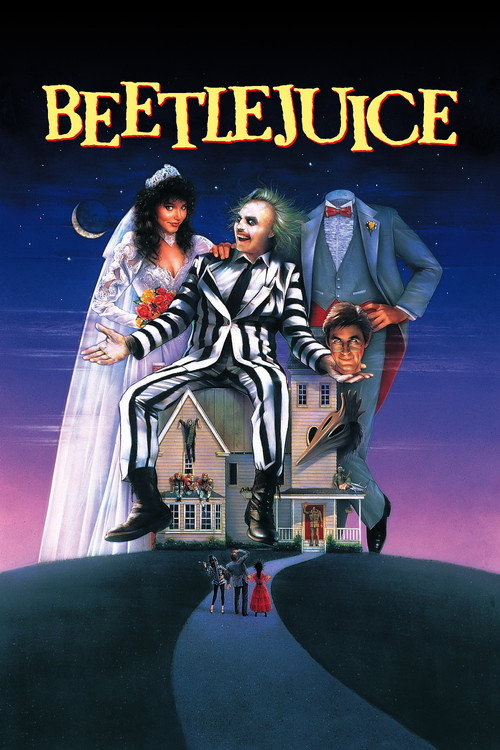
Beetlejuice1988
Tim Burton's original: a film where the living are dull and the dead are fun. Practical effects, costume-shop production design, Michael Keaton's unhinged energy channeled into a ghost. Spooky without being scary.
But Pacing feels 80s-rushed. Some jokes have aged past funny into awkward.
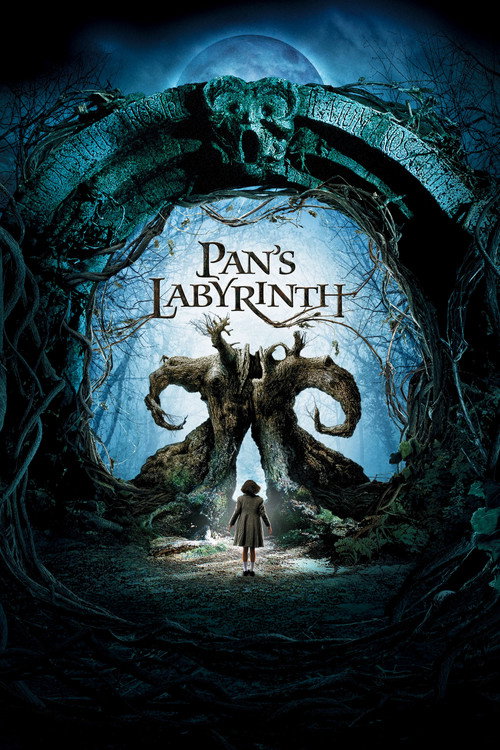
Pan's Labyrinth2006
Guillermo del Toro's masterpiece: a child's fantasy adventure bleeding into Spanish Civil War horror. Mythology and darkness as ways to survive atrocity. The production design alone is worth the price.
But Not for children despite its fairy-tale frame. The violence is sudden and real, the darkness not playful.
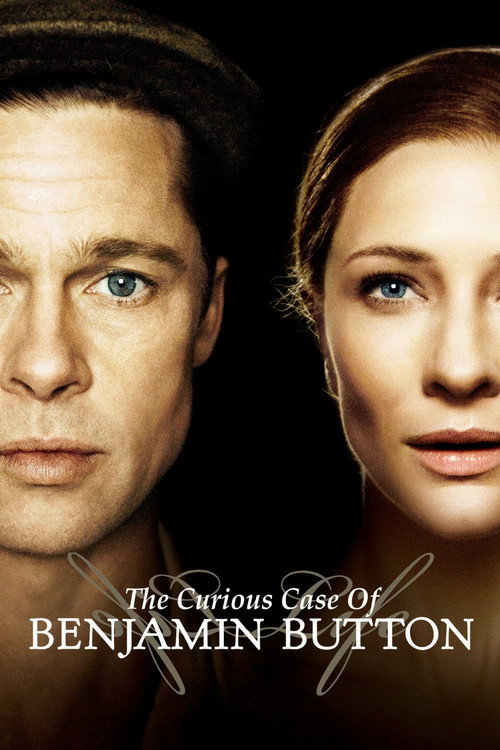
The Curious Case of Benjamin Button2008
A story about a man aging backward, told as lament disguised as spectacle. Snicket's same DNA: life is cruel and beautiful simultaneously, accept both or accept nothing.
But Three hours of melancholy takes stamina. The visual effects, dated now, occasionally undercut the tone.
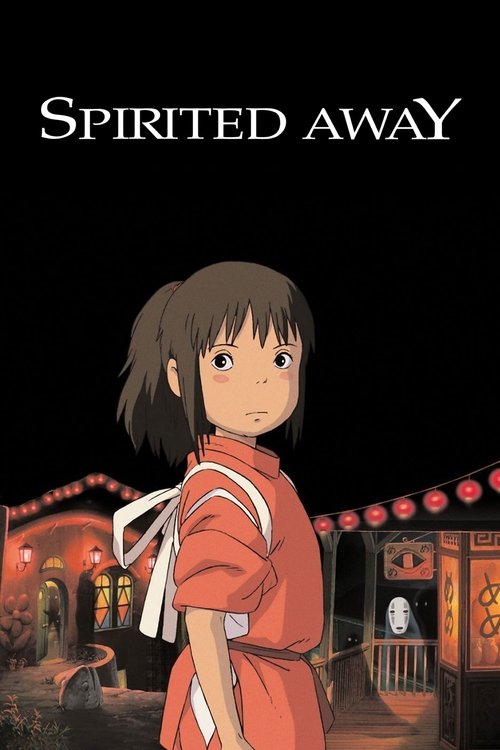
Spirited Away2001
A child alone in a magical world that doesn't care about her. Hand-drawn Japanese animation, a heroine who solves problems by being smart rather than special, atmosphere that prizes strangeness over explanation.
But Subtitled. The pacing is glacial by modern standards, and the plot is genuinely elliptical.
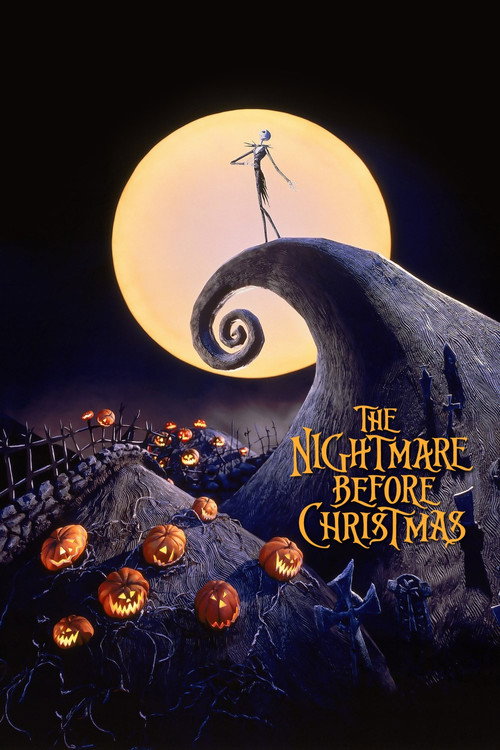
The Nightmare Before Christmas1993
Stop-motion holiday fantasy where the hero is perfectly self-assured and the disaster is entirely his fault. Production design that stops you mid-scene. Songs that hurt in ways you don't expect.
But It's more style than substance, and repeated viewings don't deepen that substance much. Some find the whimsy exhausting.
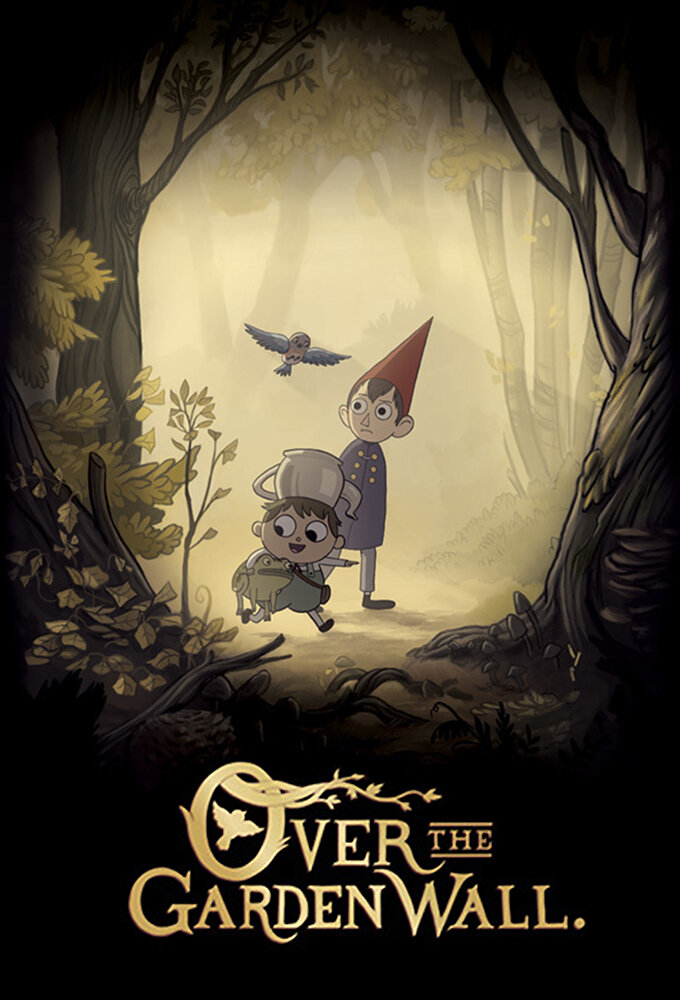
Over the Garden Wall2014
Both understand that children's stories don't need happy endings to be good. Both use songs and narration to create distance from the horror while making it worse.
A ten-episode miniseries: two brothers lost in an Americana nightmare that's half-Grimm, half-American folklore. Jaunty songs over genuinely creepy narrative. Perfect atmospheric density. Knows exactly when to stop.
But It's a limited series so it ends. If you want more, you'll be disappointed. Some episodes are slow by design.
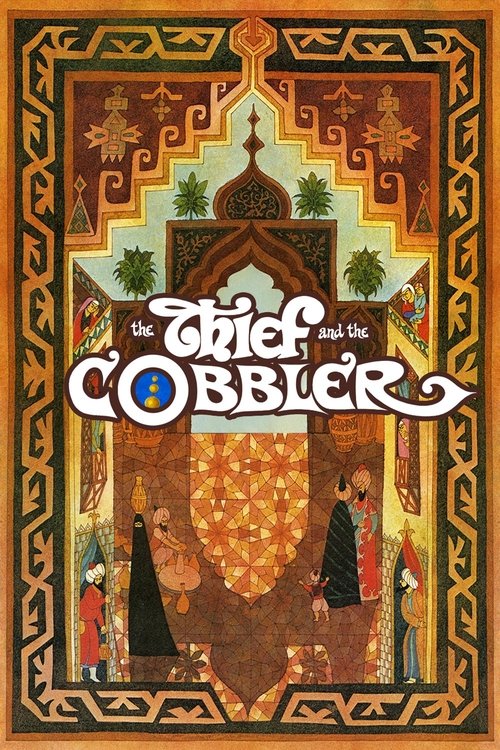
The Thief and the Cobbler1993
Both films treat production design as the primary character. Both believe a world can be so beautifully rendered that you follow it even when the plot is secondary. Both trust their visual language more than exposition.
An animated adventure about an orphan thief in an impossible city of spiraling geometry and hand-drawn madness. No dialogue for 40 minutes. Visual storytelling so ambitious it bankrupted the studio. Anarchic, gorgeous, completely nuts.
But Chaotic by design. The narrative is secondary to watching the animators show off. The theatrical cut is unfinished and it shows.
People
Cast
 Emily BrowningViolet Baudelaire
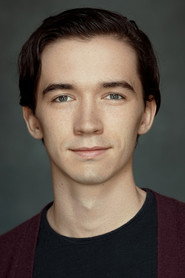 Liam AikenKlaus Baudelaire
 Kara HoffmanSunny Baudelaire
 Shelby HoffmanSunny Baudelaire
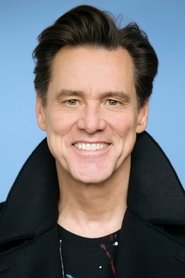 Jim CarreyCount Olaf / Dr. Stephano / Captain Sham
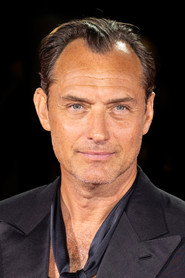 Jude LawLemony Snicket
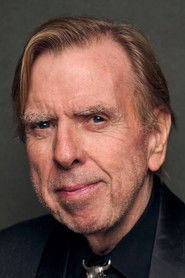 Timothy SpallMr. Poe
 Meryl StreepJosephine Anwhistle
 Billy ConnollyDr. Montgomery Montgomery
 Catherine O'HaraJustice Strauss
 Jennifer CoolidgeWhite-Faced Women
 Jane AdamsWhite-Faced Women
Directing
- Brad SilberlingDirector
- Michele Panelli-VenetisFirst Assistant Director
- Benjamin GoldmanLayout
- Rusty MahmoodSecond Assistant Director
- Timothy R. PriceSecond Second Assistant Director
Writing
- Daniel HandlerNovel
- Robert GordonScreenplay
- Narges TakeshStory Editor
- Giacomo G. GhiazzaStoryboard
Production
- Lora Marie TaylorAccountant
- Elizabeth LangAdditional Casting
- Joe BeckwithAssistant Accountant
- Mark FitzgeraldAssistant Location Manager
- Emmanuelle-Claude HerouxAssistant Production Coordinator
- Jason TamezAssistant Production Coordinator
- Linda Fields HillAssociate Producer
- Michele Panelli-VenetisAssociate Producer
- Avy KaufmanCasting
- Scott BaldygaCasting Assistant
- Elizabeth GreenbergCasting Associate
- Minor ChildersCo-Producer
- Scott AversanoCo-Producer
- Stephanie DeTiegeExecutive Assistant
- Albie HechtExecutive Producer
- Barry SonnenfeldExecutive Producer
- Julia PistorExecutive Producer
- Scott RudinExecutive Producer
- Jennifer BenderExtras Casting
- Gene StrangeFirst Assistant Accountant
- Lori A. BaltonLocation Manager
- Irina NaydichevPayroll Accountant
- Brian BullerPost Production Coordinator
- Jim Van WyckProducer
- Laurie MacDonaldProducer
- Walter F. ParkesProducer
- Susan MackeProduction Accountant
- David AllebeProduction Assistant
- Lisa GreenspanProduction Coordinator
- Steven R. MolenProduction Executive
- Julia ParfittProduction Manager
- Carrie ArnoldProduction Secretary
- Jason McGatlinProduction Supervisor
- Colin DavidsonResearcher
- Jamie DaddioSecond Assistant Accountant
- David WitzUnit Production Manager
Recommended by
Addams Family Values, Muppet Treasure Island, Mary Poppins Returns, Harriet the Spy, Pippi Longstocking