
Film
Not Now, Comrade
- Comedy
- Light-hearted
A 1976 British farce about a Russian ballet defector hiding out in increasingly absurd circumstances. Rapid-fire slapstick, mistaken identities, and that particular brand of 70s comedy that trades in chaos and double-entendres. Exactly as silly as it sounds—which is either your evening or it absolutely isn't.
If you liked this
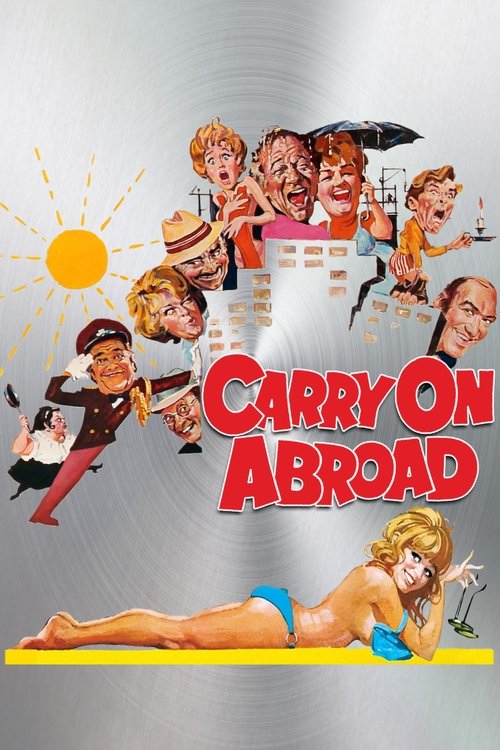
Carry On Abroad1972
If you loved Not Now, Comrade's irreverent energy and willingness to let situations spiral into pure farce, this is the Carry On at its most confident. Holiday chaos, broad humour, and a cast having transparent fun.
But The humour is almost entirely slapstick and innuendo by today's standards. If you need subtlety or restraint, this will feel exhausting rather than charming.
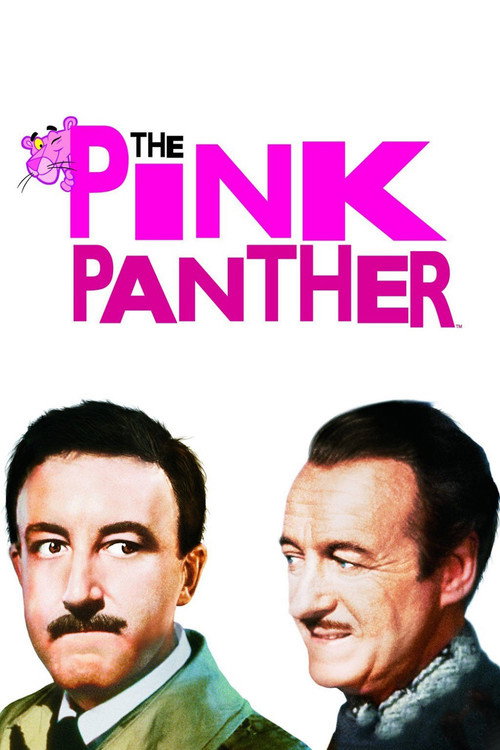
The Pink Panther1963
Shares the DNA: a defector plot, mistaken identities, physical comedy that builds momentum. Sellers' deadpan brilliance gives it more edge, but the skeletal structure is familiar—chaos snowballing from a single premise.
But Slower-paced and more deliberate. If you're after the frantic 70s energy of Comrade, Panther might feel restrained.
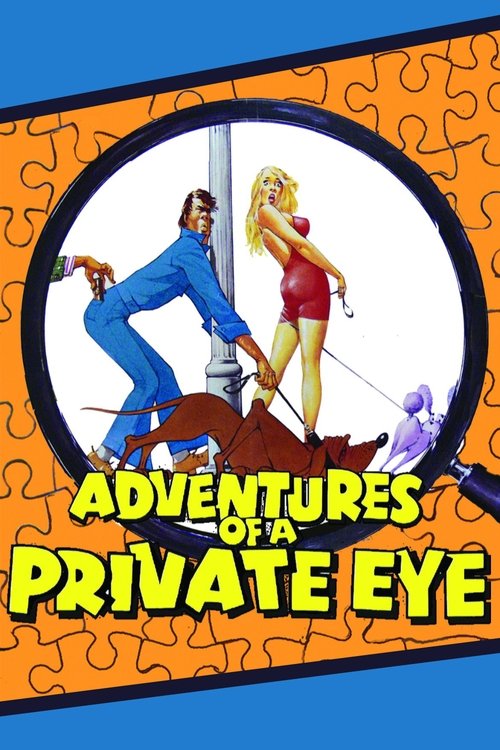
Adventures of a Private Eye1977
Same year, same British comedy sensibility, same willingness to embrace absurdity without apologizing. Christopher Neil doing his thing in a world equally uninterested in logic. Raw fun.
But The plot barely exists as an excuse for gags. Some land brilliantly; others don't. It's a gag reel with a loose spine.
Not sure tonight? Get a pick in a minute, starting from Not Now, Comrade
The wildcard
Something you would not have found on your own.
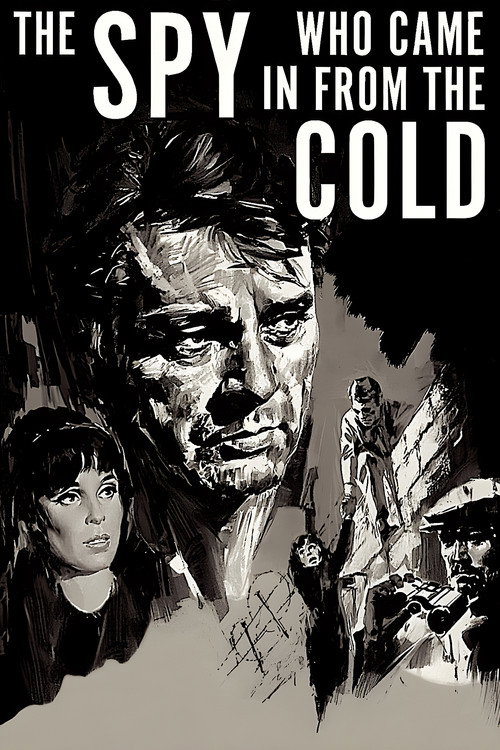
The Spy Who Came In from the Cold1965
Both hinge on defection from the Soviet bloc; Comrade mines it for laughs while Spy treats it as a moral wound.
Same defector-from-the-East setup, identical geopolitical moment, but entirely serious. Bleak, morally corroded, and treats spycraft as grey and exhausting. Watching it back-to-back with Comrade reveals how thinly the same premise can be stretched.
But It's a dour le Carré adaptation. If you want farce, this is its opposite—slow, unglamorous, depressing. The reward is understanding how comedy and tragedy share structural bones.
More like this (8)
Singin' in the Rain1952
Defection, mistaken identity, chaos in show business, and a final act that spirals into magnificent absurdity. The musical numbers are transcendent, but the mechanical joke-construction is closer to Comrade than you'd expect.
But It's fundamentally a masterpiece, which might intimidate if you're after something lighter. Also three times the runtime.

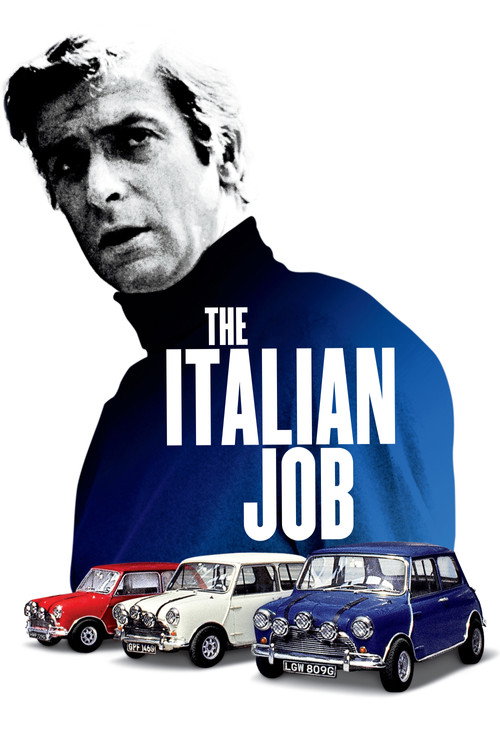
The Italian Job1969
A heist built on double-crossing, mistaken loyalties, and the collision of working-class British characters with imported chaos. Lighter on farce, heavier on charm, but the engine room is similar.
But More of a caper than pure comedy. If you need laughs every thirty seconds, this prioritises story over gags.
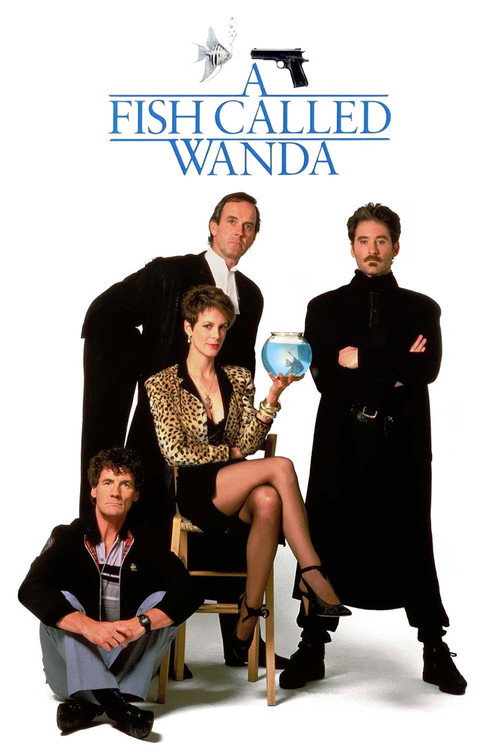
A Fish Called Wanda1988
The 80s upgrade to this exact formula: foreign nationals, mistaken identities, physical comedy cascading into crime. Sharper writing and darker edges, but recognizably from the same tradition.
But It's slicker and more polished. The anarchic 70s roughness is sanded down into craft.
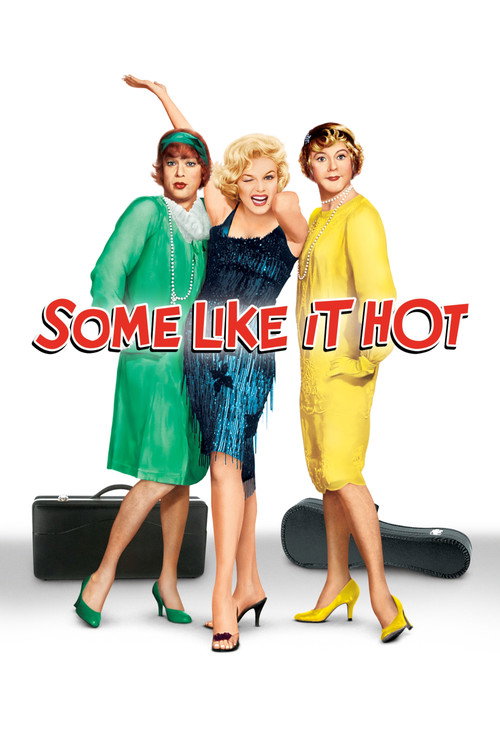
Some Like It Hot1959
The godfather of disguise-as-plot-engine. Mistaken identity, defection (from the mob), and a pace that never stops. Everything Comrade inherits, but distilled into pure structure.
But Black and white, 1959 sensibility, and it takes itself seriously even as it spirals. Not the winking 70s romp you signed up for.
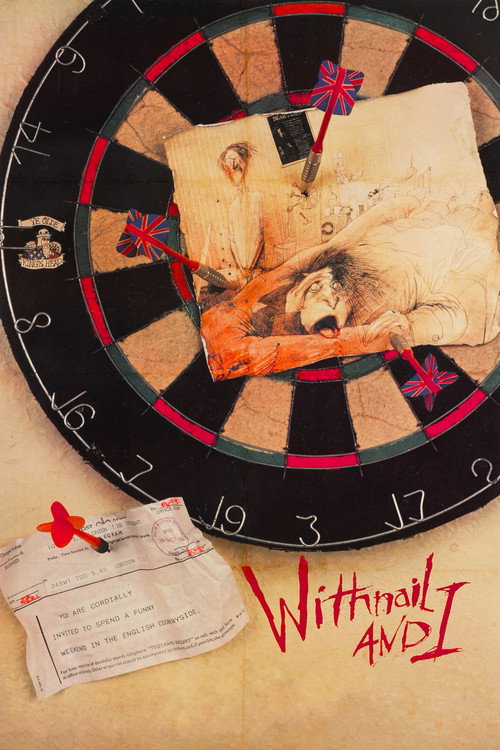
Withnail & I1987
British comedy about plans colliding with reality, with a cast committed to every ridiculous moment. Less plot-driven farce, more lived-in chaos, but the same love of watching characters stumble through impossible situations.
But It's gentler and more melancholic than Comrade. The humour lands differently—through character rather than pure velocity.
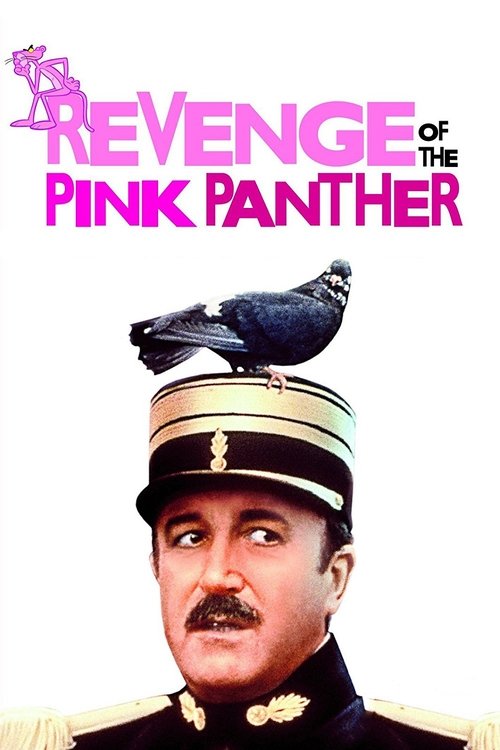
Revenge of the Pink Panther1978
If Comrade works for you, you'll likely enjoy any film that commits this fully to spiraling chaos. Sellers at the tail end of the series, slapstick still king, plot still secondary.
But By this point the formula is visibly tired. It's reliable entertainment, not inspiration.
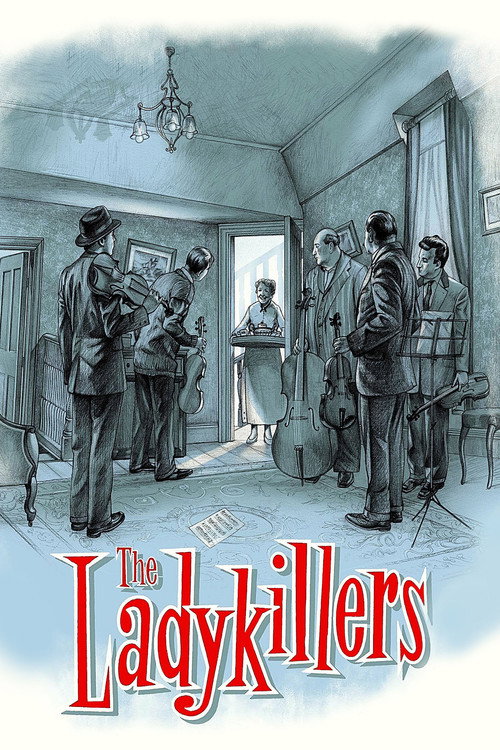
The Ladykillers1955
Both conceal criminals (or defectors) in plain sight; Comrade uses that as a springboard for farce, Ladykillers uses it as tragic irony.
A group of criminals hiding identities while living among civilians, each maintaining a false cover while chaos erupts around them. Ealing at its peak—brilliant character acting, intricate plotting, and a wicked sense of the absurd. Far more sophisticated than Comrade, but the same pleasure in watching lies stack.
But It's a heist film first and a comedy second. The laughs are embedded in character rather than showy slapstick. Requires attention.
Stalker1979
Both fixate on the barrier between East and West, and what it costs to cross it—Comrade as farce, Stalker as meditation on desire and impossibility.
A Soviet film from three years after Comrade, equally obsessed with the Cold War schism but through Tarkovsky's philosophical lens—slow, hypnotic, asking what it means to cross borders and seek forbidden things. Seeing how Soviet cinema treated defection as metaphysical rather than comedic is extraordinary.
But 163 minutes of meditative science fiction. The opposite of a romp. Requires patience and tolerance for long takes and philosophical digression. Not entertainment in any conventional sense.

People
Cast
 Leslie PhillipsCommander Rimmington
 Roy KinnearHoskins
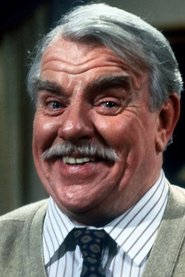 Windsor DaviesConstable Pulford
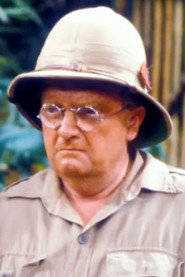 Don EstelleBobby Hargreaves
 Michele DotriceNancy Rimmington
 Ray CooneyMr. Laver
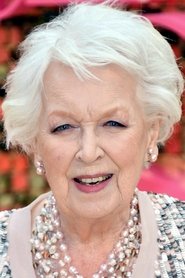 June WhitfieldJanet Rimmington
 Carol HawkinsBarbara Wilcox
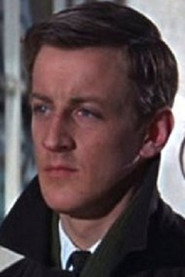 Lewis FianderRudi Petrovyan
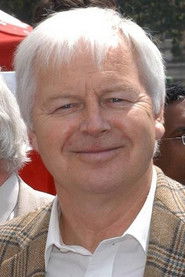 Ian LavenderGerry Buss
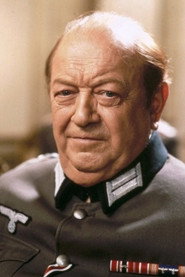 Richard Marner1st Russian Official
- Michael Sharvell-Martin2nd Russian Official
Directing
- Harold SnoadDirector
- Ray CooneyDirector
Writing
- Ray CooneyWriter
Production
- Martin C. SchuteProducer