Television series
Art of the Western World
- Light-hearted
A sweeping 1989 PBS series that traces Western art from antiquity through modernism, placing masterpieces in their cultural moment. Each hour examines a major movement—Renaissance, Baroque, Impressionism, Abstraction—through paintings, sculpture, and architecture, with expert commentary guiding you through. It's authoritative without being stuffy, designed to make you understand not just what you're looking at, but why it matters and what artists were wrestling with.
If you liked this
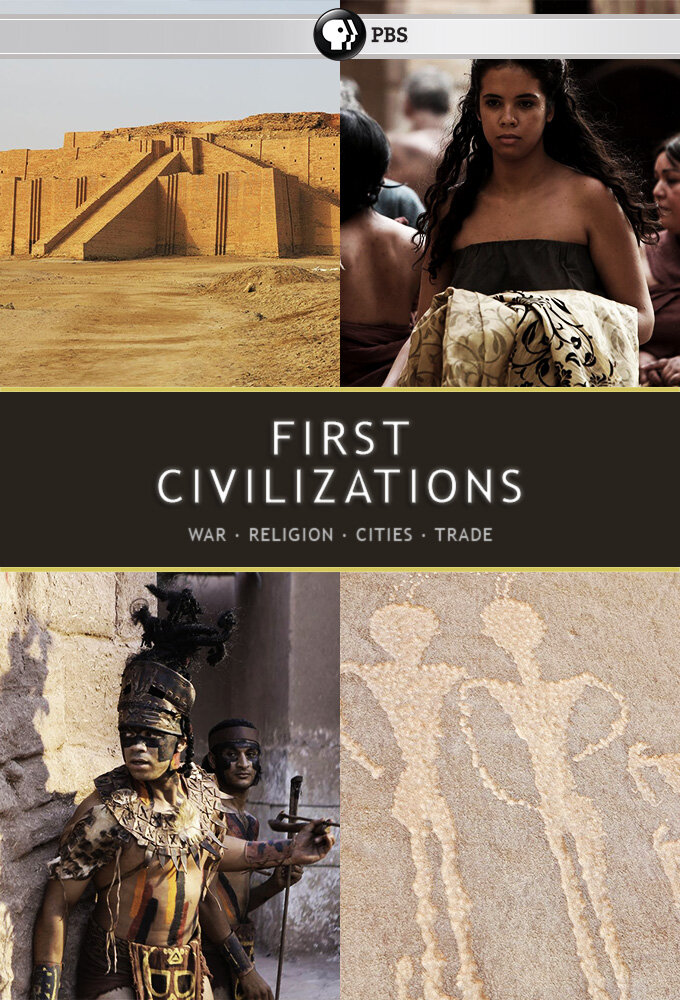
First Civilizations2018
A more recent, visually sumptuous update to the art-history survey. Three historians guide you through African, Asian, and Western art traditions with stunning cinematography and a welcome global perspective that challenges Western-centrism.
But Ninety minutes per episode demands real commitment, and the scope sometimes sacrifices depth. Some find the newer approach less rigorous than older scholarship.
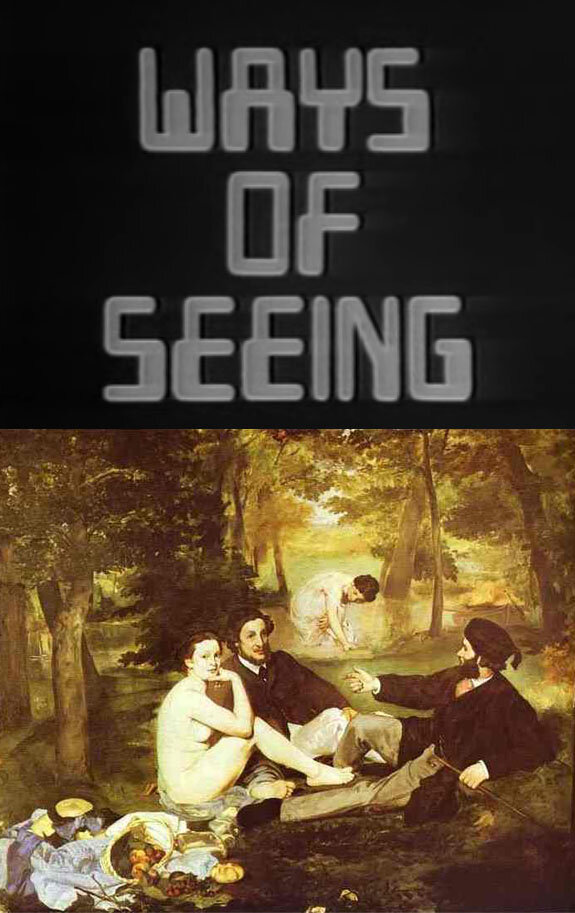
Ways of Seeing1972
John Berger's legendary BBC series that fundamentally changed how we interpret visual art. It's shorter, sharper, and challenges you to question what you thought you understood about looking at paintings.
But Shot in the early 70s with deliberate low production values that some find dated. Berger's ideas are provocative but occasionally frustratingly vague.
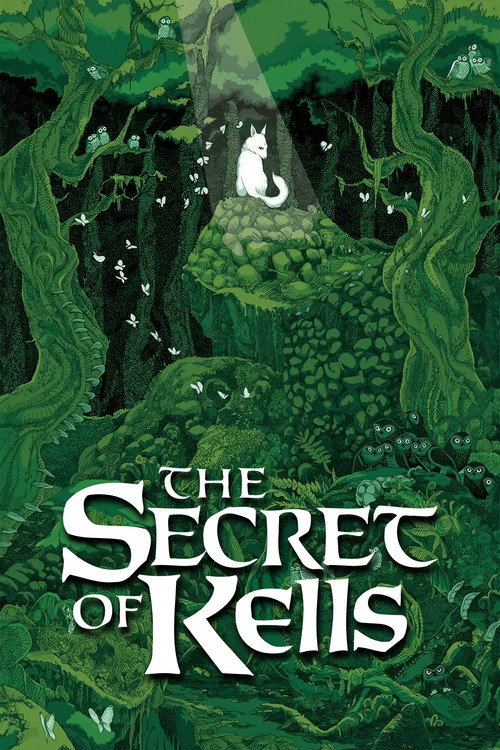
The Secret of Kells2009
A gorgeously animated film about medieval Irish manuscript illumination that captures the obsessive artistry and spiritual devotion behind those intricate works. It teaches through immersion rather than lecture.
But It's a fantasy narrative, not a documentary—some viewers want facts more than metaphor. The animation style, though beautiful, is deliberately flat in ways that don't suit all tastes.
Not sure tonight? Get a pick in a minute, starting from Art of the Western World
The wildcard
Something you would not have found on your own.
Synecdoche, New York2008
Both investigate how we construct meaning from visual and historical fragments; both ask what it means to see and interpret rather than simply look.
Charlie Kaufman's film is *about* how artists grapple with meaning, mortality, and scale—a theater director creates a life-sized replica of New York inside a warehouse as a metaphor for art-making itself. It's a philosophical companion to any art history—a film about the act of framing and interpreting the world.
But It's deliberately maddening and oblique; many viewers find it self-indulgent and exhausting rather than profound. The narrative collapses into abstraction in ways that frustrate those wanting clarity.

More like this (4)
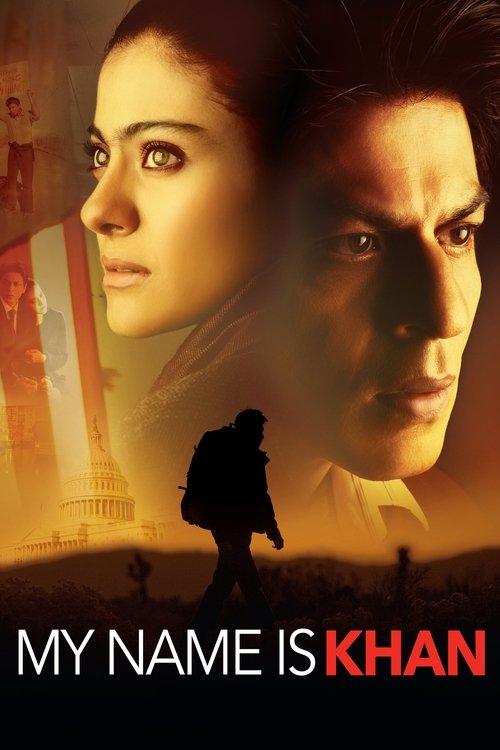
My Name Is Khan2010
A Bollywood film that tangentially explores Islamic art and architecture while telling a sweeping human story. It reminds you that art history lives in real places and real hearts, not just museums.
But It's a melodrama first and an art film second. If you want rigorous art history, this is entertainment that gestures toward it rather than delivers it.
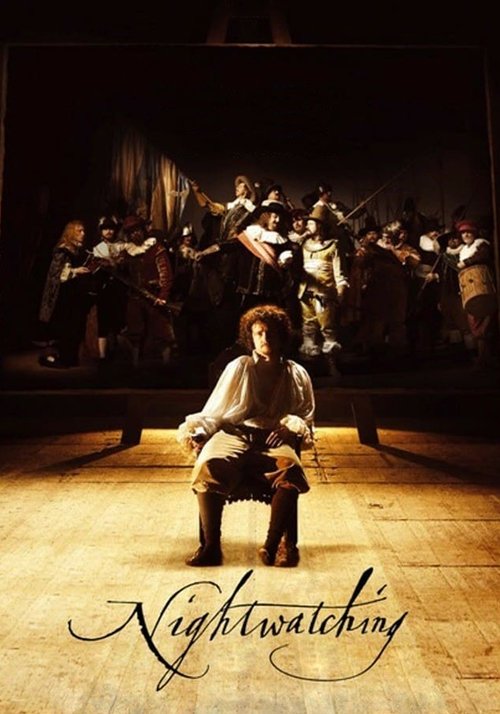
Nightwatching2007
Peter Greenaway imagines Rembrandt painting his masterpiece. It's visually obsessive about light, composition, and the act of seeing—a philosopher's meditation on how art gets made.
But Greenaway's baroque, digressive style feels more like an installation than a narrative film. It's deliberately obscure and some find it precious rather than illuminating.
Stalker1979
Like 'Art of the Western World,' it's concerned with how humans create meaning and pursue transcendence through the spaces they move through; it asks what art *is* in spiritual rather than historical terms.
Andrei Tarkovsky's science-fiction meditation on desire, meaning, and the sacred. It moves glacially through symbolic spaces, treating the act of seeking as more important than finding. It teaches you to look the way art teaches you to see—by making you wait.
But This is a 163-minute film of people walking slowly through zones. If patience feels like punishment rather than practice, this will destroy you. It is not entertainment.

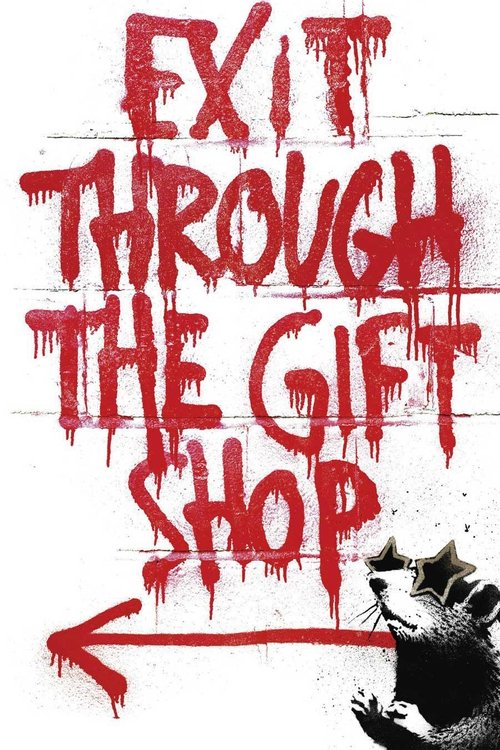
Exit Through the Gift Shop2010
Where 'Art of the Western World' traces accepted canons and movements, this film asks how canons are *formed*—who decides what matters, and whether street artists and institutions are having the same conversation about art.
Banksy's documentary blurs the line between street art and fine art by following an obsessive documentarian into the world of graffiti and installation. It's a Trojan horse that questions what counts as art and who gets to decide—exactly what art history should be doing.
But Some viewers feel manipulated by Banksy's self-mythology; the film's reliability is intentionally suspect. If you want authoritative answers rather than provocation, this will frustrate you.