Television series
Tokyo Ghoul
Tokyo Ghoul is body-horror melodrama dressed up as a monster show: a shy bookworm gets half-eaten, half-transplanted into ghoulhood, and spends the rest of the series figuring out how to be a person who craves human flesh. It's gorier and mopier than most anime, with flashes of genuinely striking visual design. Good for viewers who want their identity crisis literal, dripping, and set to a very sad piano score.
If you liked this
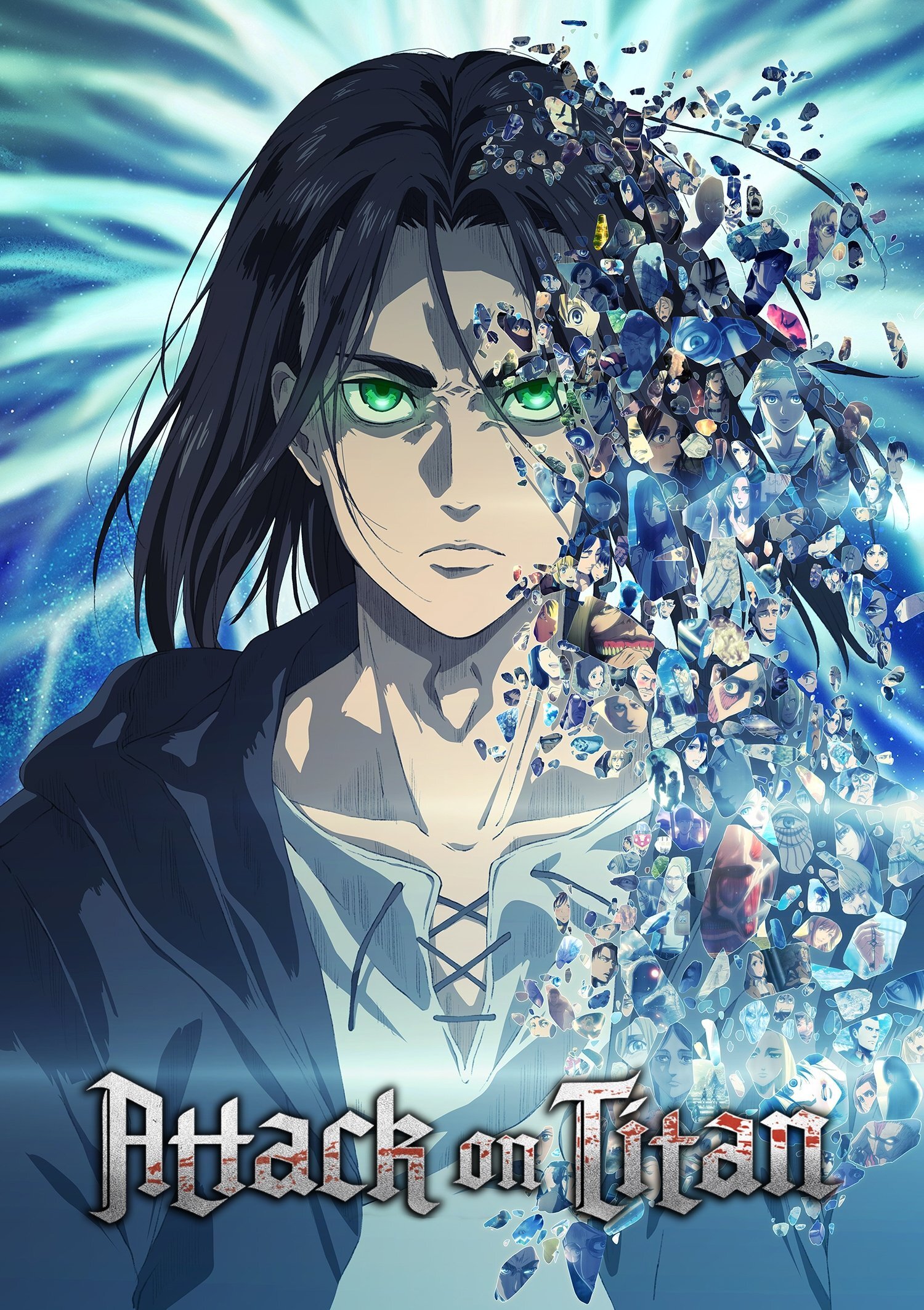
Attack on Titan2013
Monsters, betrayal, and a hero whose humanity keeps fraying at the edges, but built on a much bigger, more relentless machine of a plot. If you wanted scale to match the dread, this has it.
But Four seasons is a serious commitment, and the political sprawl in later arcs trades intimacy for world-building.
Chainsaw Man2022
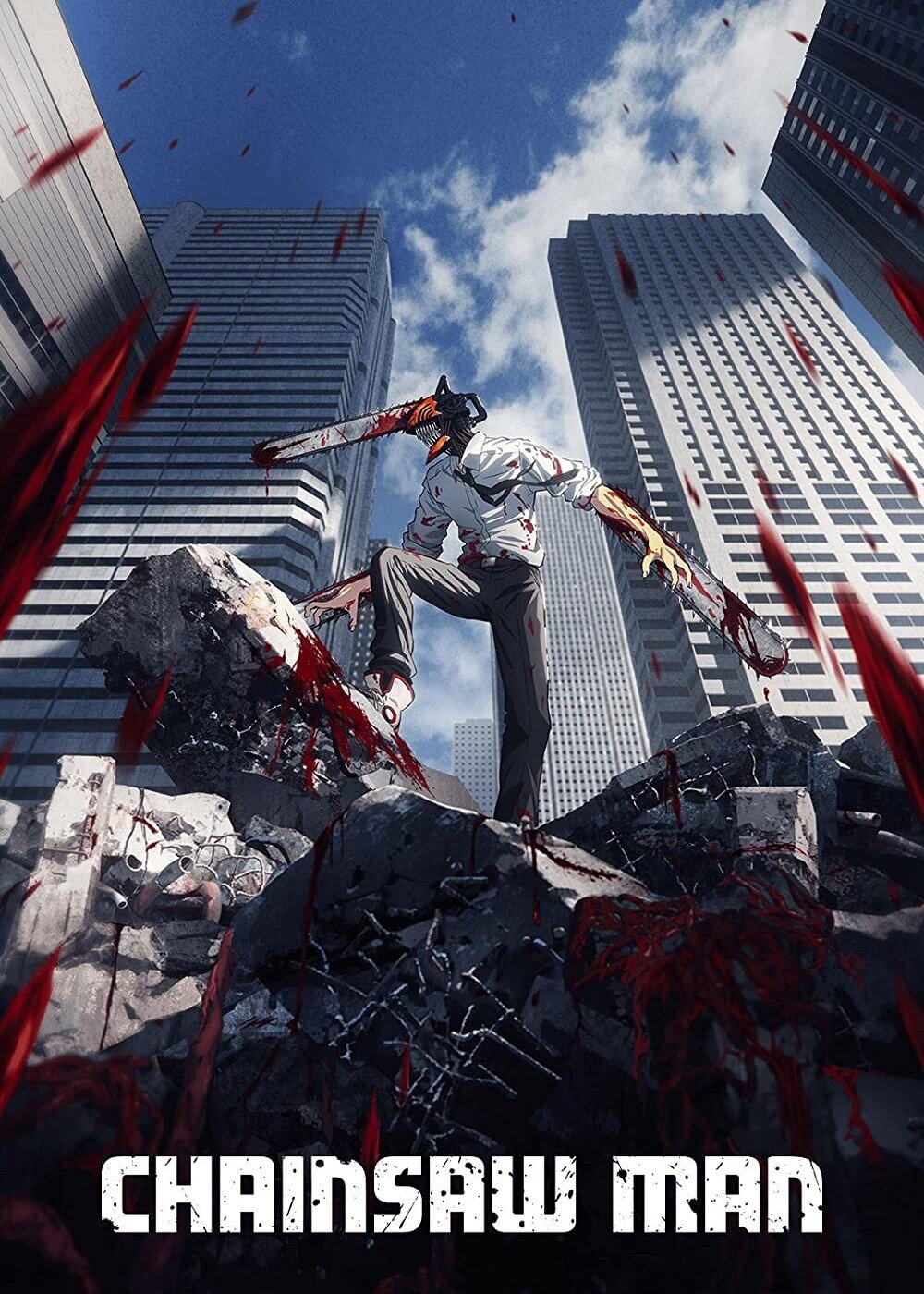
A poor kid fuses with a devil dog and becomes a chainsaw-wielding demon hunter — it's Tokyo Ghoul's tragic-monster premise run through a blender of gore, jokes, and genuine heartbreak.
But The tonal whiplash between slapstick and devastation isn't for everyone, and the animation budget visibly wobbles.
Devilman Crybaby2018
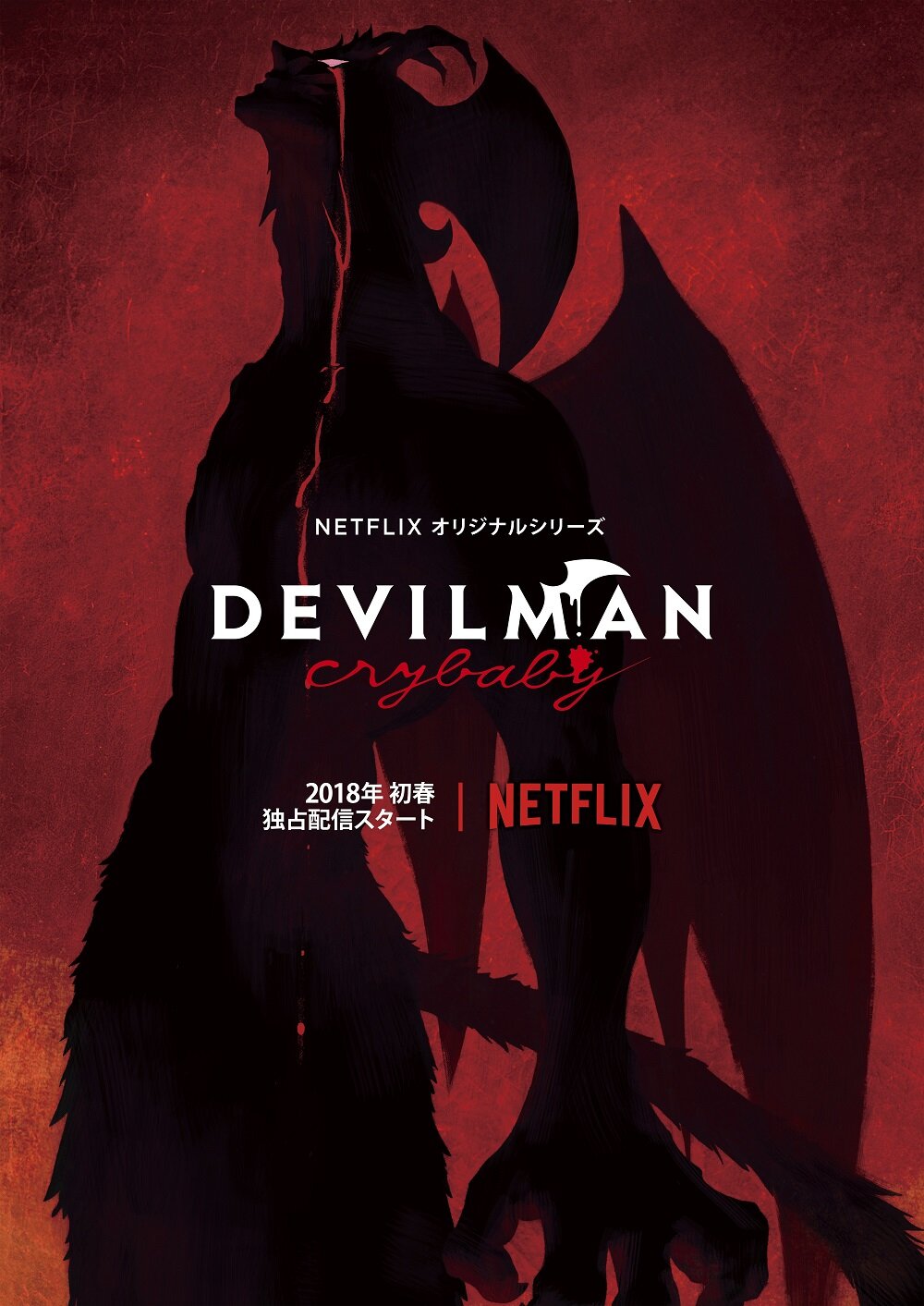
A boy merges with a demon and slowly loses the argument over who's in control. Ten episodes, unbelievably beautiful, and it goes to darker places than Tokyo Ghoul ever dares.
But It's explicit — sex and violence both — and the ending is genuinely bleak, not cathartic-sad.
The wildcard
Something you would not have found on your own.
The Fly1986
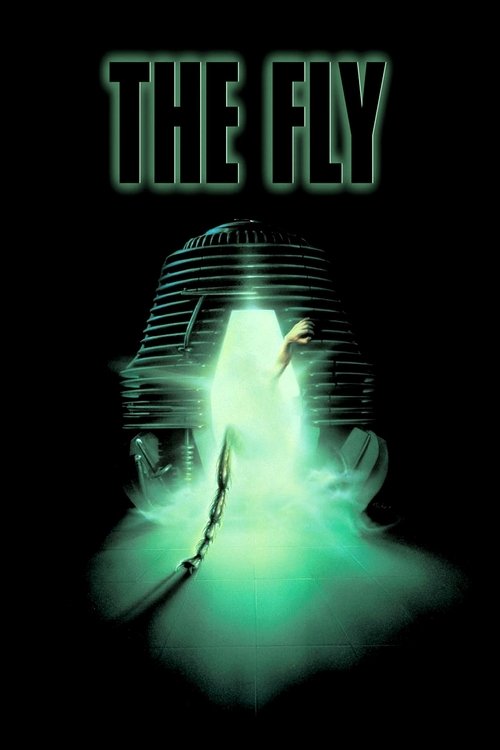
Same core machine — a body betraying the self, love trying to survive a transformation — but built with latex and grief instead of ink, thirty years earlier.
Cronenberg's masterpiece about a scientist who slowly stops being a man and starts being something else — practical-effects body horror at its most tender and most repulsive, decades before Tokyo Ghoul existed.
But The effects are deliberately grotesque and the tragedy is unrelenting; there's no action-anime release valve here.
More like this (7)
Death Note2006
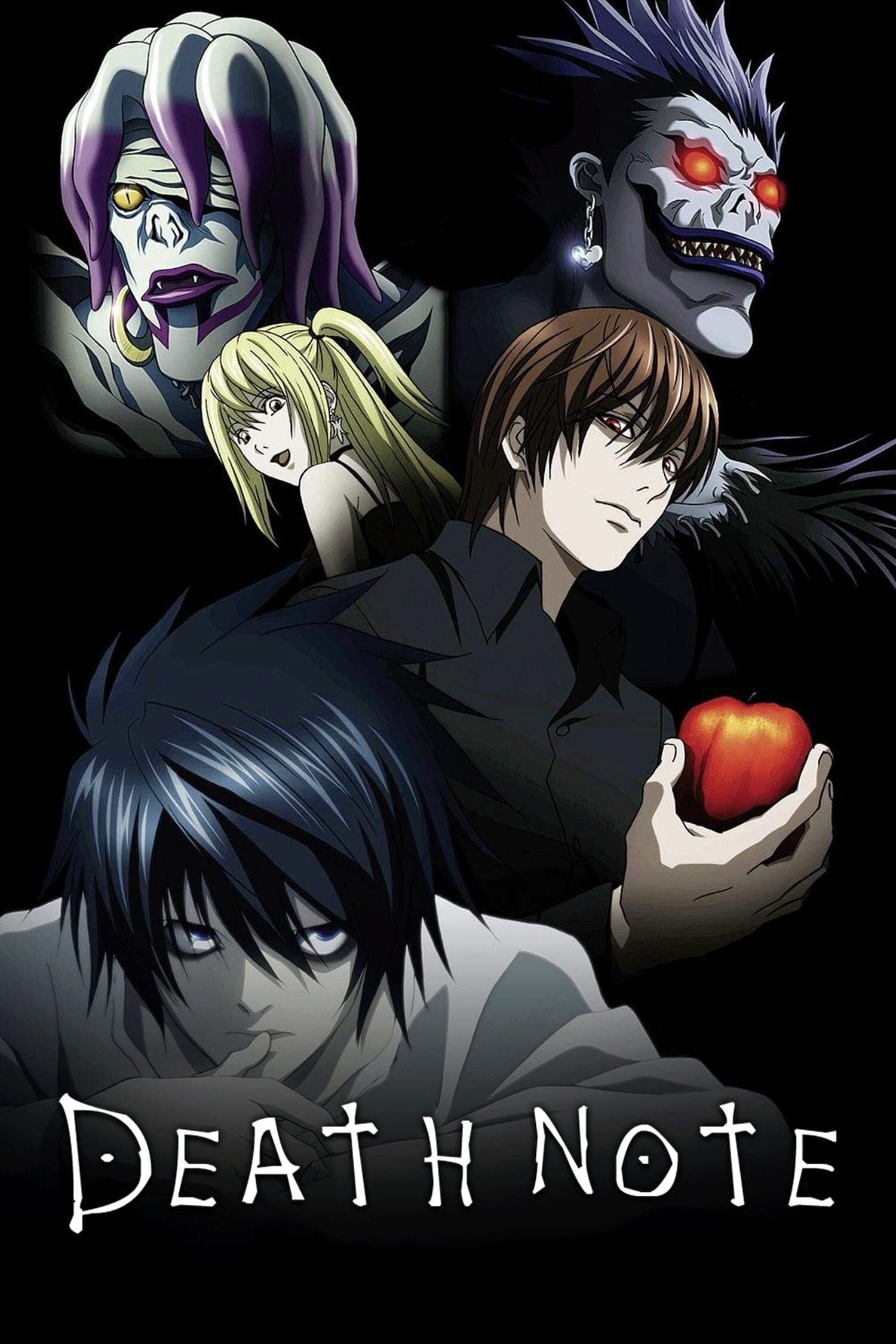
Different flavor of monster — no fangs here, just a notebook and a boy convincing himself he's righteous. Same slow horror of watching someone become something they'd have once feared.
But It's a cat-and-mouse thriller more than a horror show, and the back half loses some of the early tension.
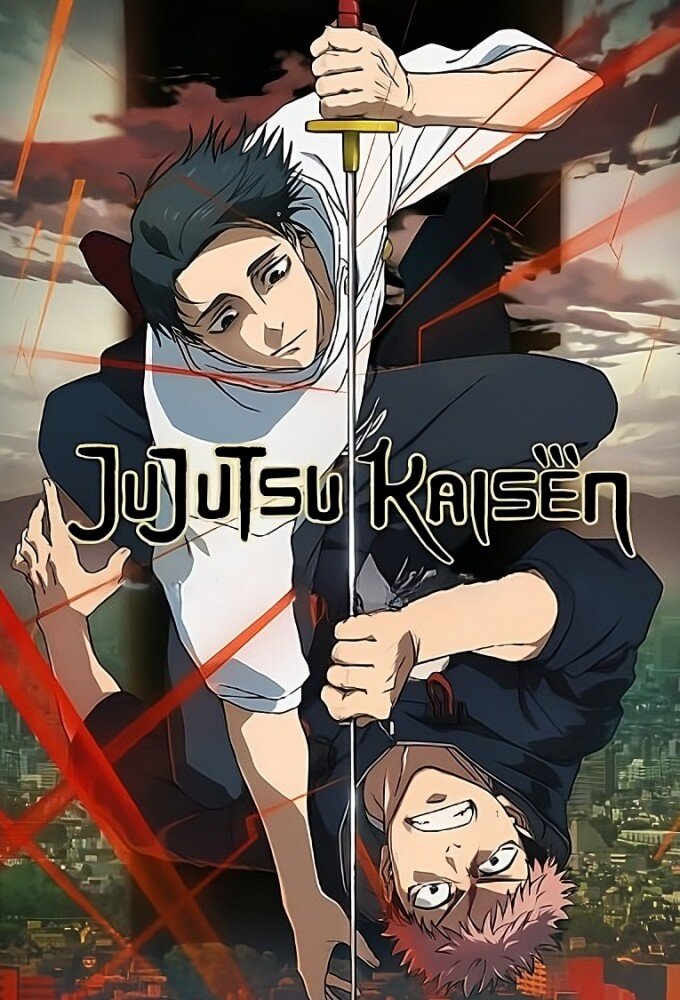
Jujutsu Kaisen2020
Cursed spirits, a boy who swallows a monstrous finger and inherits its hunger, gorgeous fight choreography. If you liked Kaneki's dilemma but wanted more spectacle and less wallowing, start here.
But It's a much more conventional shonen underneath the dark aesthetic — training arcs, tournaments, the works.
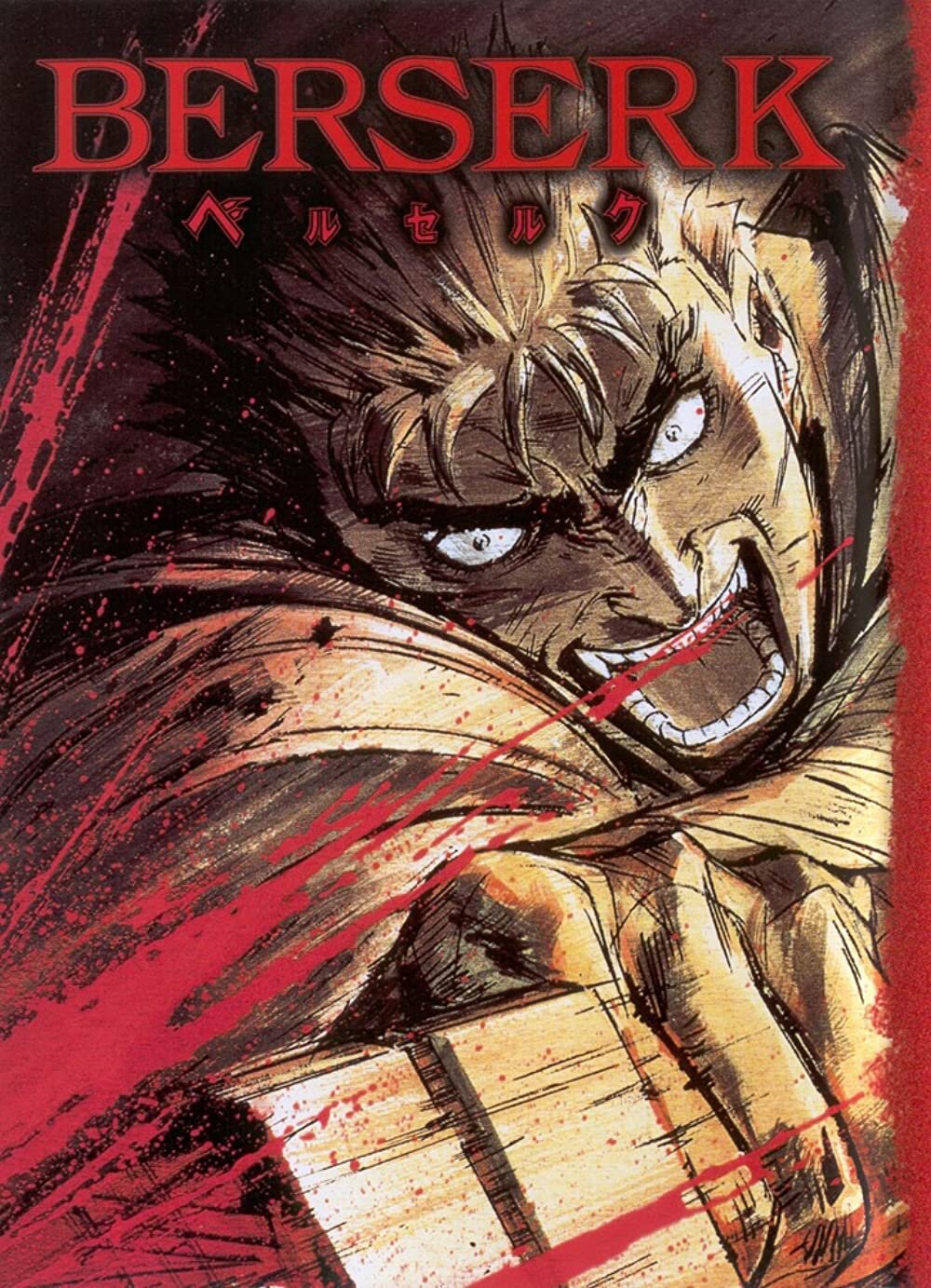
Berserk1997
The granddaddy of tragic-monster dark fantasy. A mercenary betrayed by everything he loved, transformed by grief into something demon-branded and furious. Bleaker, older, and unbelievably influential.
But The 1997 animation shows its age, and it's a much slower, heavier watch — no easy binge here.
Vampire Knight2008no page yet
Swap ghouls for vampires and horror for romance, but keep the core ache — loving something that might have to eat you. A gentler, more melodramatic cousin.
But It leans hard into shoujo romance tropes and school-life pacing; the horror is mostly atmosphere, not action.
Blood+2005no page yet
A quiet girl discovers she's a centuries-old blood-drinking weapon and has to reckon with what that means for everyone she loves. Slower burn, same ache of hidden monstrous identity.
But Fifty episodes is a lot, and the pacing meanders through some genuinely slow stretches in the middle.
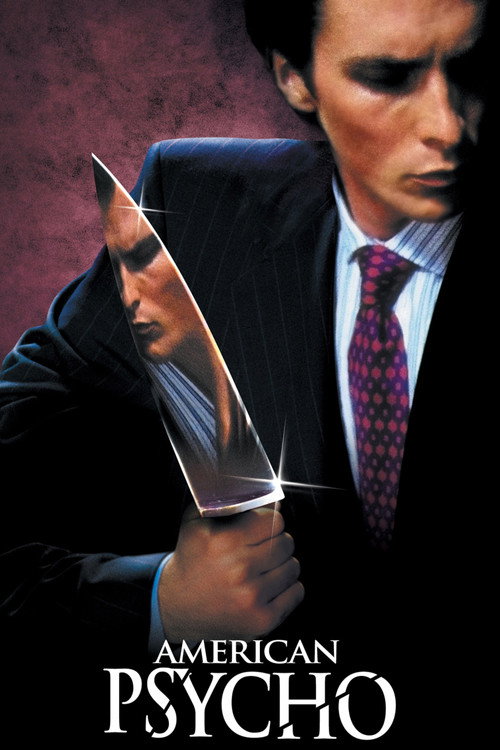
American Psycho2000
Where Kaneki suffers over becoming a monster in disguise, Bateman revels in it; same mask-over-hunger premise, played as icy comedy instead of tragedy.
Patrick Bateman performs normal human life perfectly while something predatory hums underneath — a cold, funny, deeply unsettling flip side to Kaneki's anguish over the same problem.
But It's satire, not horror-melodrama, and its detached irony is the opposite of Tokyo Ghoul's earnest despair — some will find it cold rather than moving.
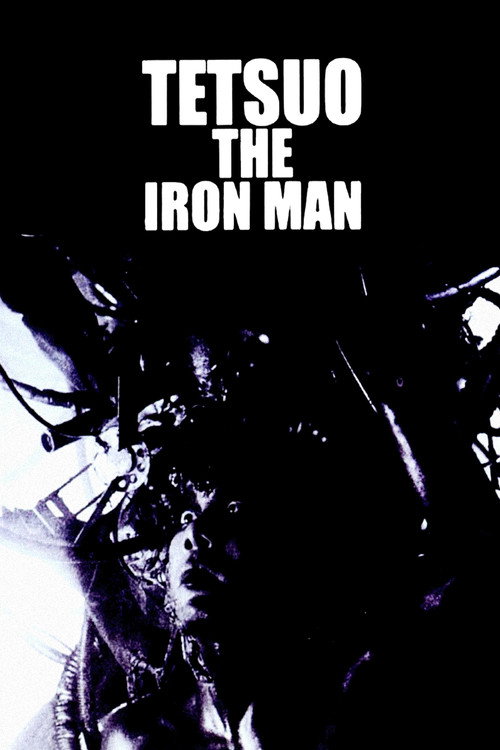
Tetsuo: The Iron Man1989
Same Japanese body-horror lineage Tokyo Ghoul draws from, stripped of narrative comfort and shonen structure — the transformation-as-loss-of-self idea in its rawest, most experimental form.
A Japanese cyberpunk fever dream, shot in grinding black-and-white, about a man's body metastasizing into machinery he can't control. Sixty-seven minutes of pure, screaming body-horror id.
But It's avant-garde and nearly plotless, with industrial noise instead of a score — a deliberate assault, not a comfortable watch.