
Television series
American Crime
John Ridley's anthology drama uses a single crime each season as a scalpel, cutting through race, class and gender in a small American city. Told in fractured, overlapping perspectives with almost no music and no villains you can relax into hating, it's deliberately uncomfortable. Not for anyone wanting resolution — it's for anyone wanting the system shown as it actually works.
If you liked this
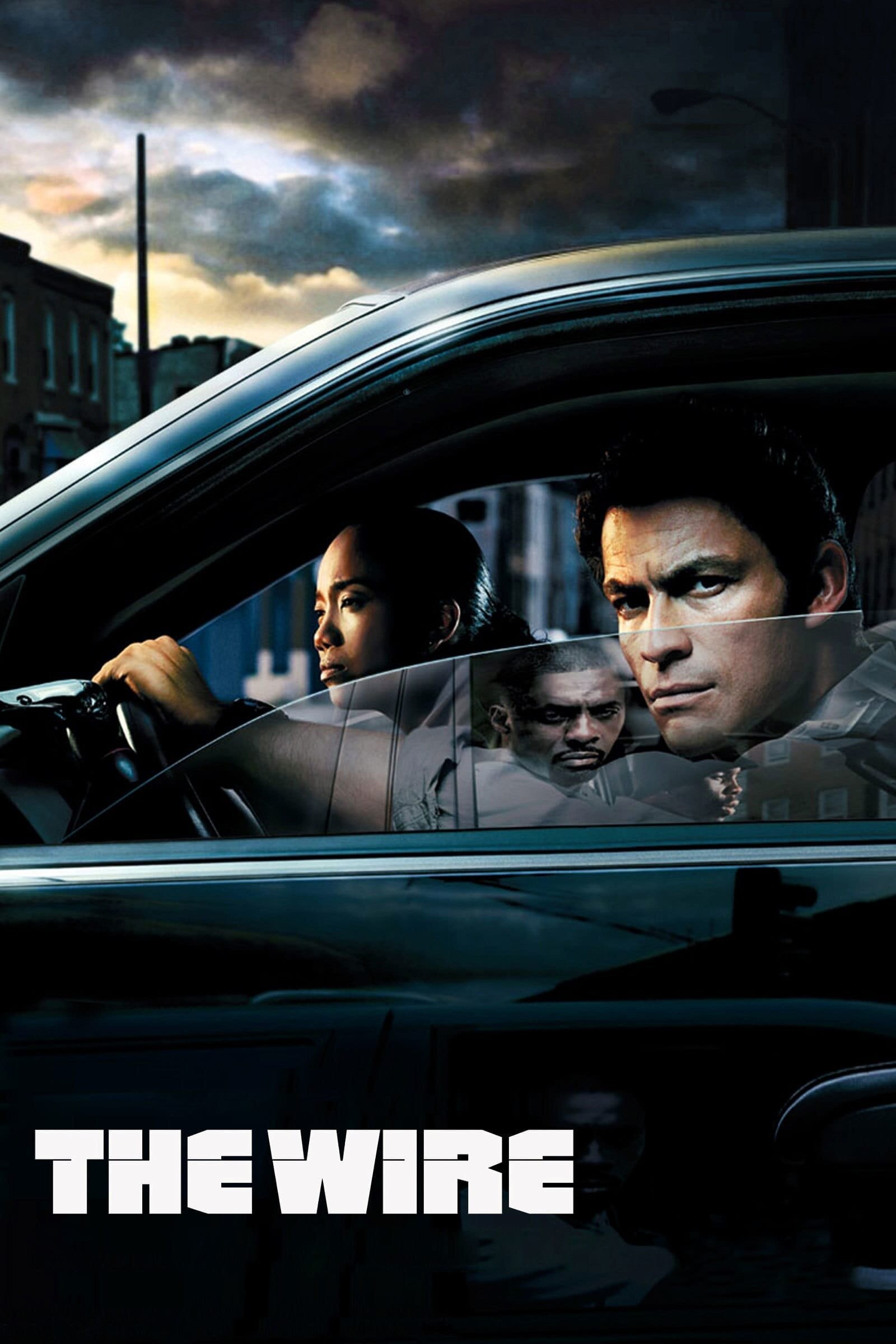
The Wire2002
The gold standard for showing how institutions — courts, schools, media, police — grind individuals down regardless of intention. Same patience, same refusal to let anyone off easy.
But Five seasons of slow, dense, sprawling plotting. It demands real commitment before it pays off.
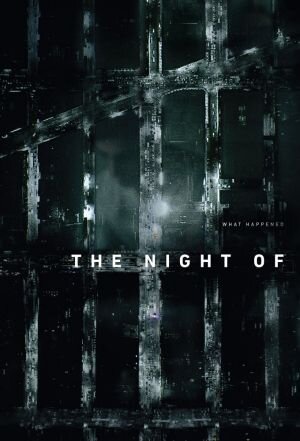
The Night Of2016
A wrongful-arrest procedural that spends as much time on the machinery of the justice system as the crime itself, with the same bruised, unglamorous New York texture.
But Riz Ahmed's case dominates so completely that side characters get less room to breathe than in Ridley's ensemble.
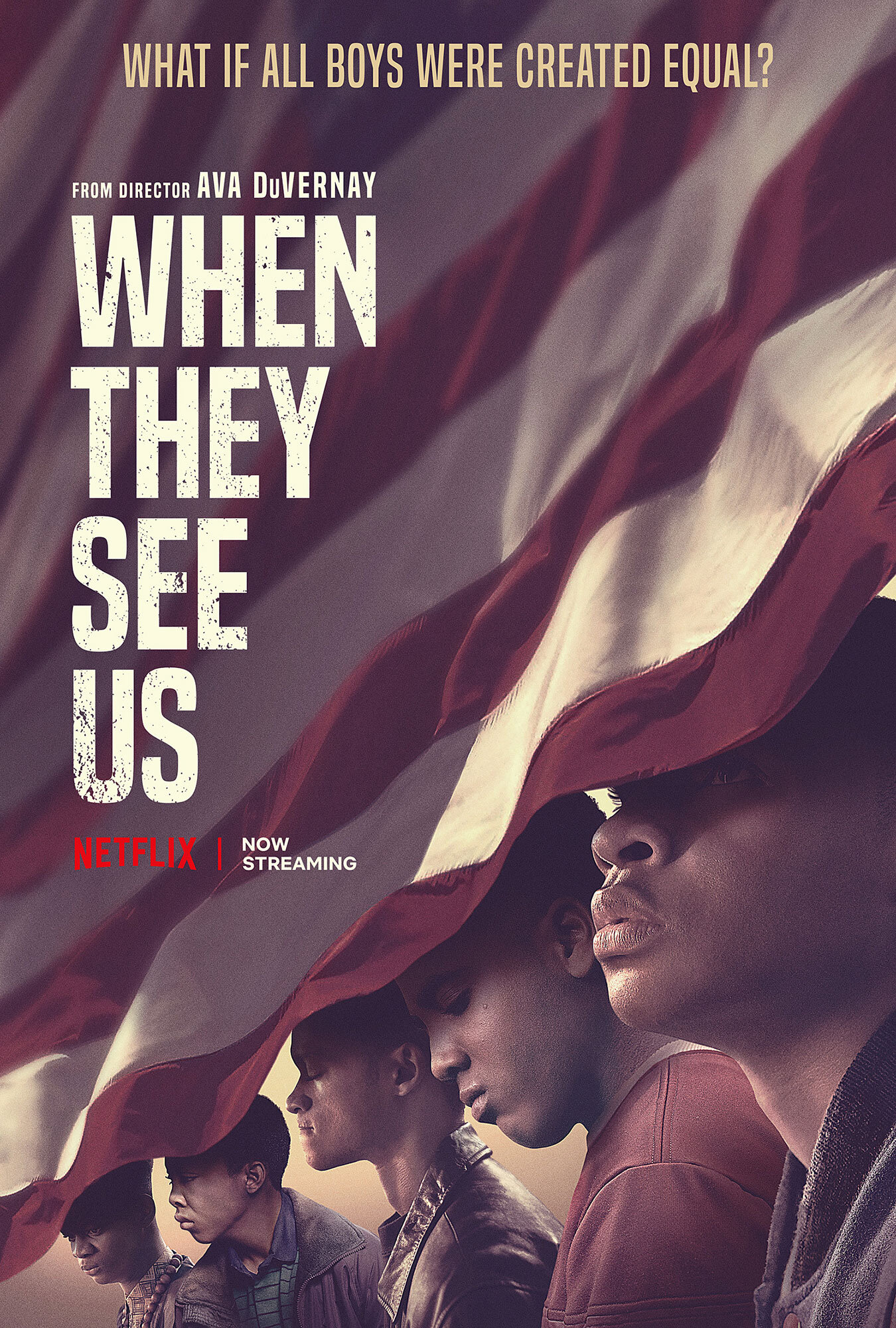
When They See Us2019
Ava DuVernay's Central Park Five miniseries shares American Crime's fury at coerced confessions and a media that decides guilt before any trial does.
But It's angrier and more directly polemical — less interested in moral grey areas, more in naming names.
The wildcard
Something you would not have found on your own.
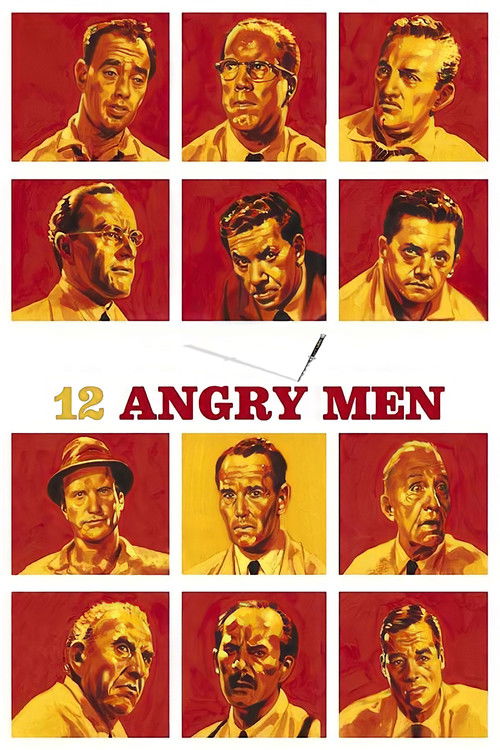
12 Angry Men1957
Decades before Ridley's anthology, this film built its entire drama around prejudice quietly deciding a verdict everyone insists is about evidence.
A single jury room, real time, and the exact same question American Crime keeps asking: how much of a verdict is actually about the facts, and how much is about who's in the room.
But Black-and-white, stagebound, and talky by design — nothing here but faces, voices and an unbearable clock.
More like this (8)
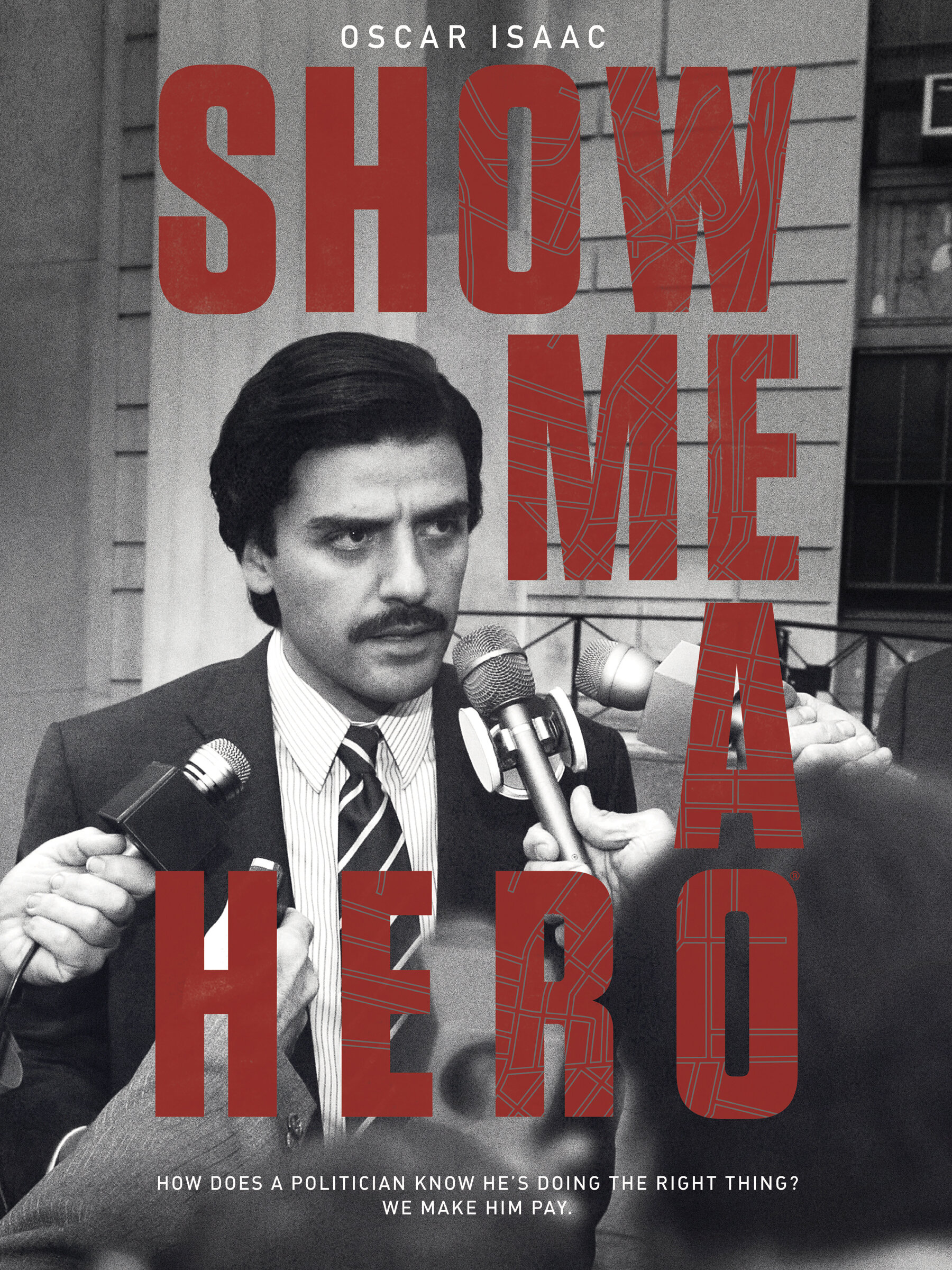
Show Me a Hero2015
David Simon's miniseries on housing desegregation is the same kind of civic autopsy — a whole town's prejudice laid bare through one policy fight.
But It's dry, procedural, and light on conventional drama. You need patience for zoning meetings.
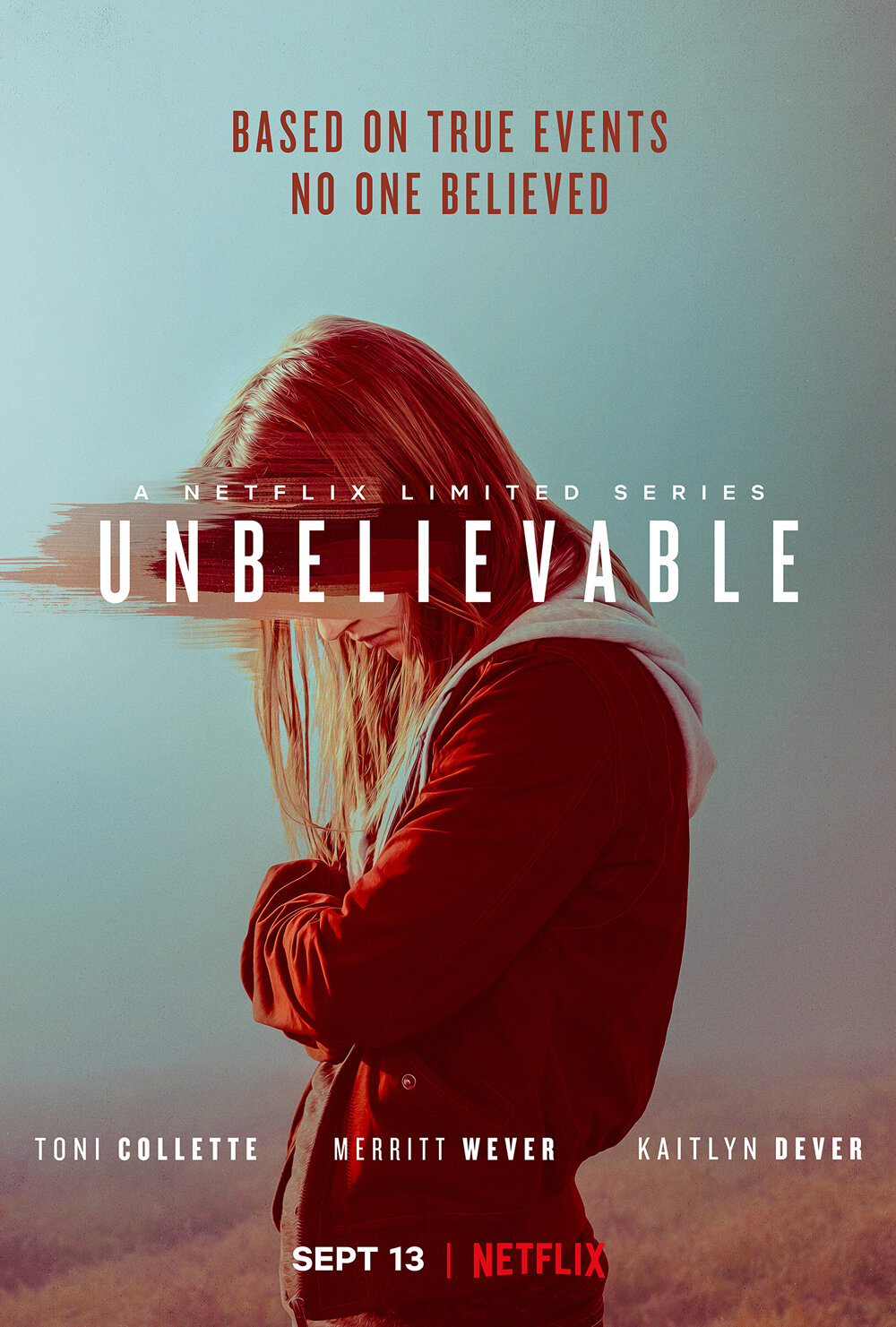
Unbelievable2019
A sexual assault case handled with the same unsentimental attention to how institutions fail victims, told with real tenderness underneath the anger.
But It's a true story rendered with restraint rather than Ridley's stylised fragmentation — more conventional in form.
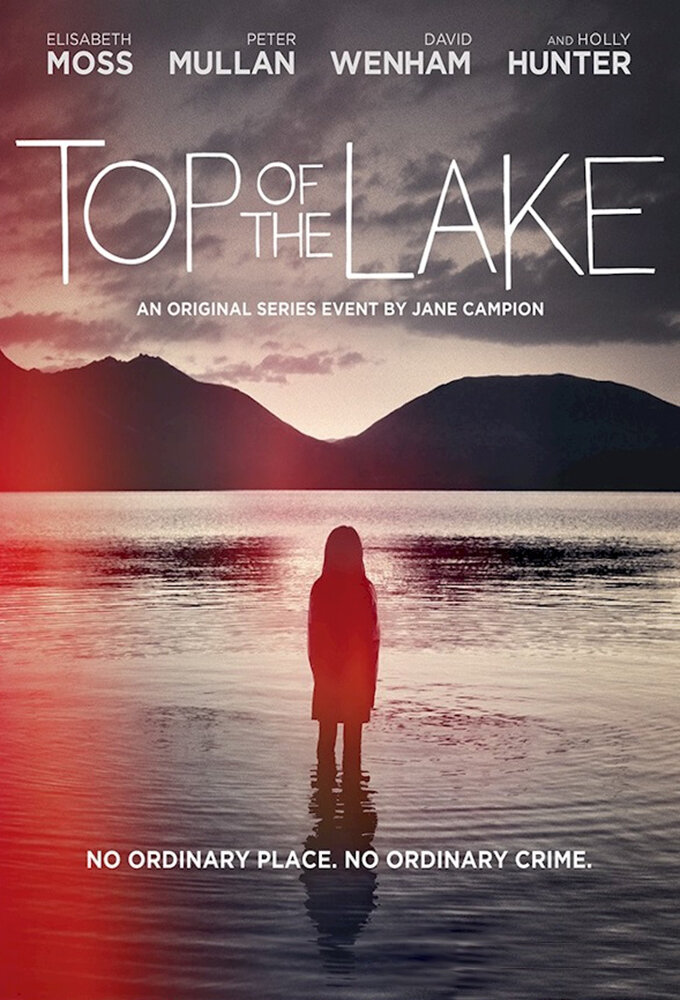
Top of the Lake2013
Jane Campion's crime anthology treats sexual violence and small-town complicity with the same refusal to look away or offer catharsis.
But More atmospheric and dreamlike than American Crime's clipped realism — patience for mood over momentum required.
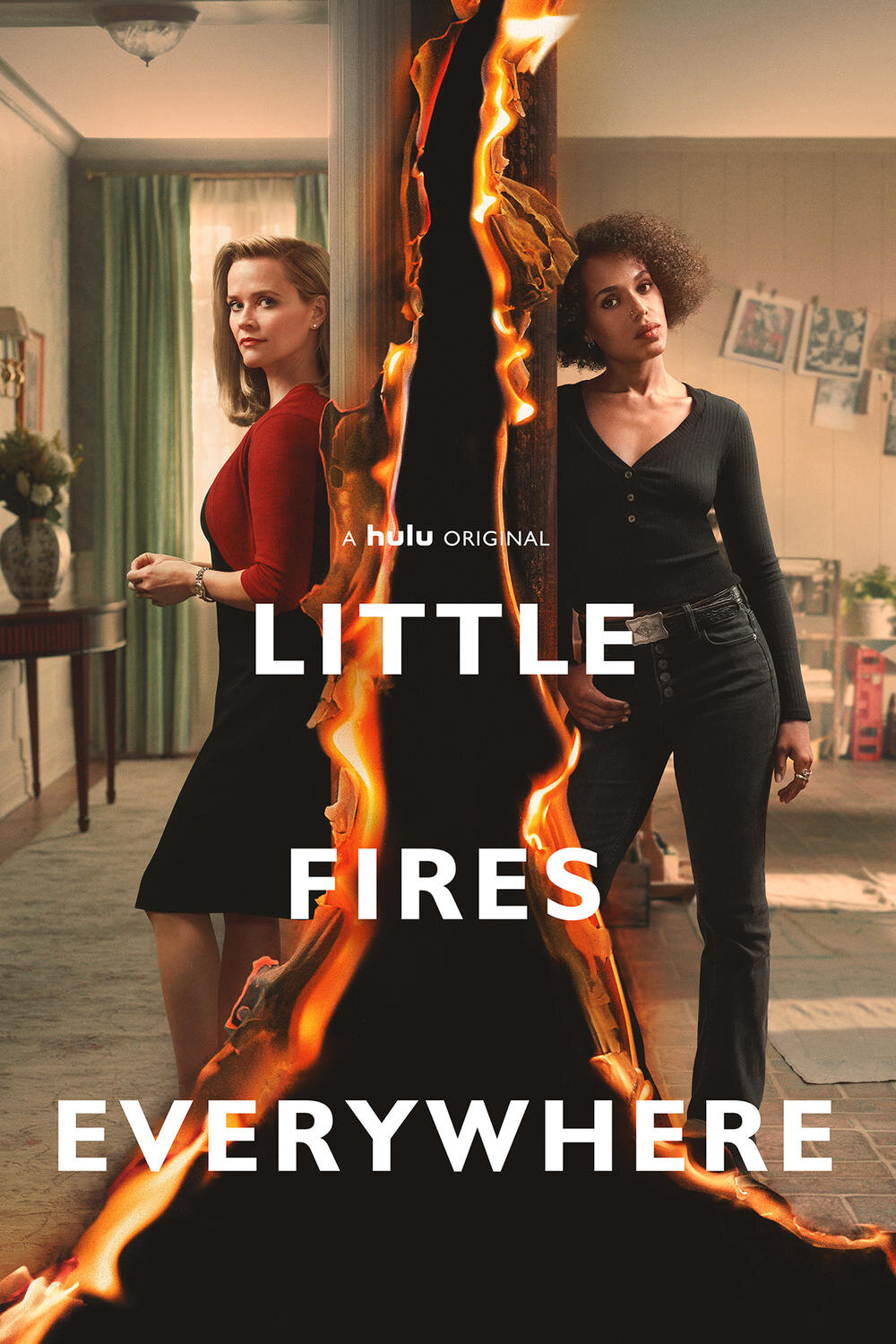
Little Fires Everywhere2020
Race and class detonate inside one seemingly ordinary community, with Reese Witherspoon and Kerry Washington circling each other the way American Crime's characters do.
But Glossier and more soapy — it flirts with prestige melodrama in a way Ridley's show never allows itself.
American Crime Story2016
Same anthology structure, same interest in how race and class shape a trial's verdict — but built around real, famous cases instead of invented ones.
But Far more theatrical and starry — it wants you entertained first, implicated second.
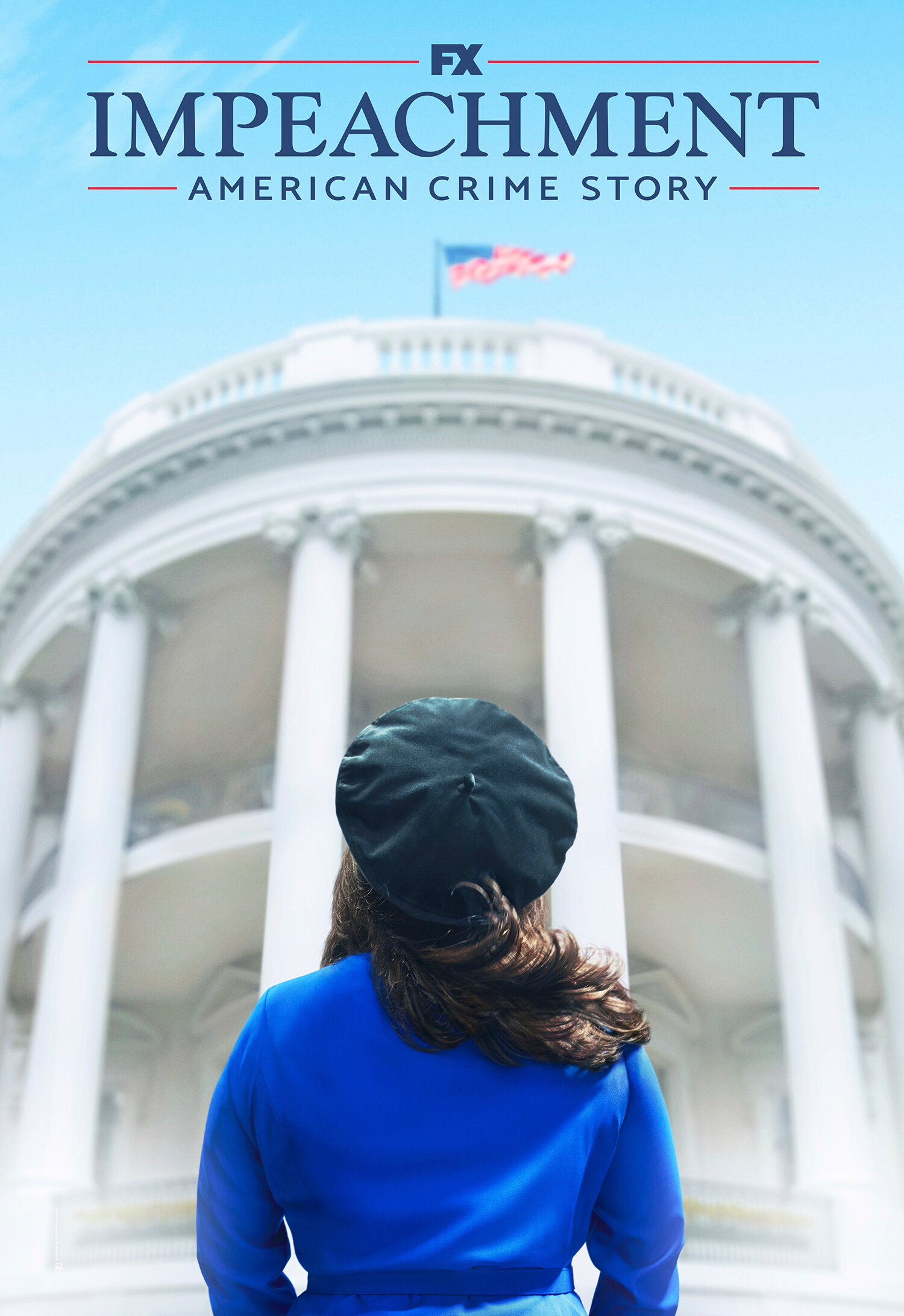
Fargo2014
If you liked the anthology format — new cast, new crime, same moral universe each season — this is the version with jokes and snow instead of despair.
But Tonally it's almost the opposite: playful, violent, absurdist rather than sober and grounded.
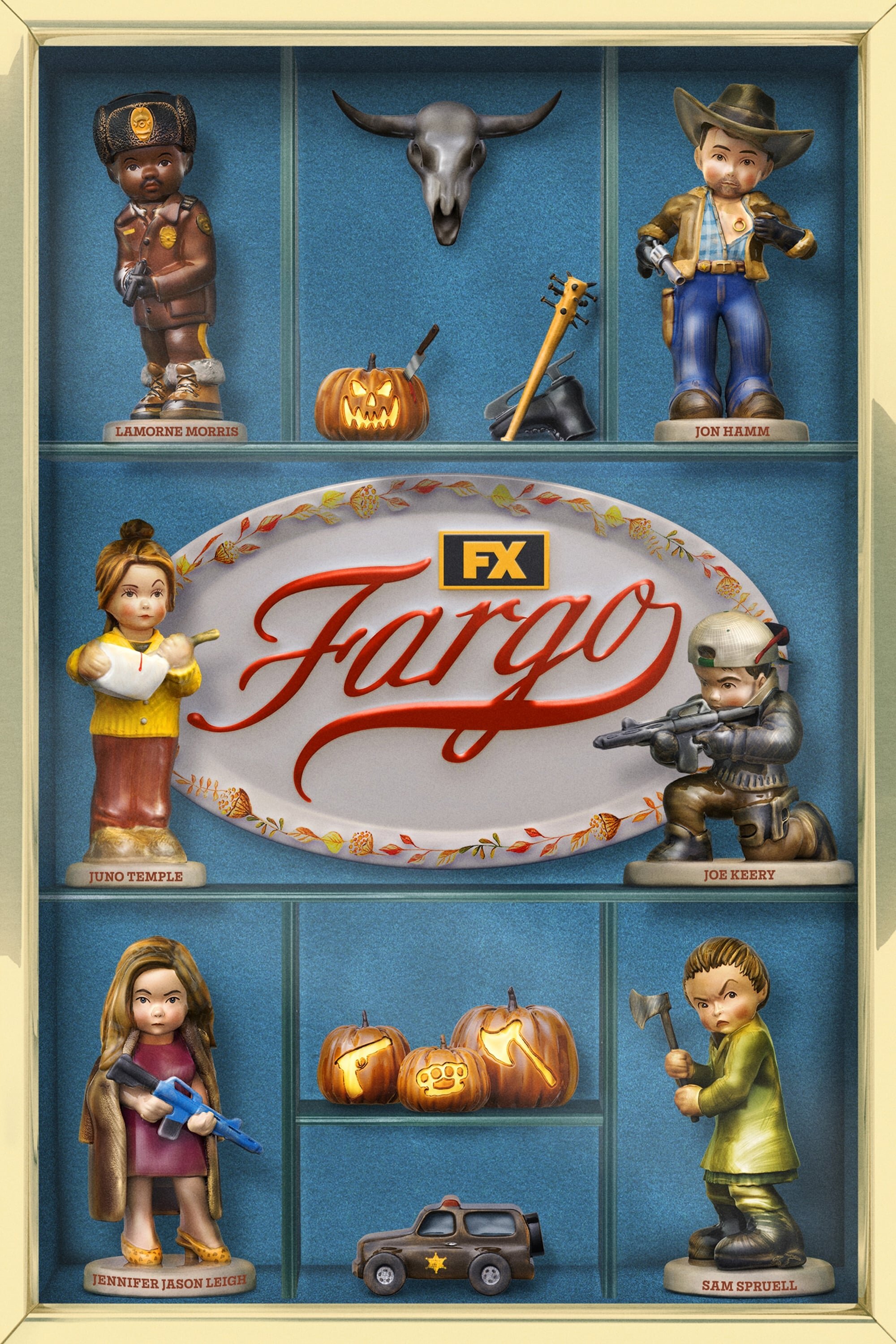
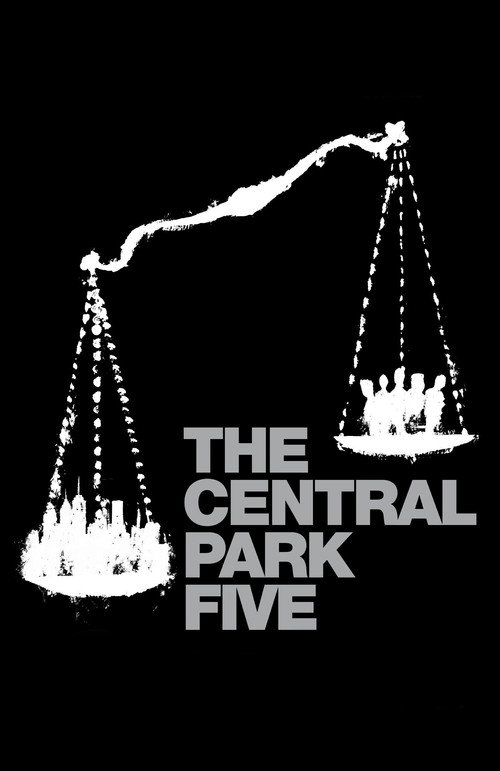
The Central Park Five2012
It strips away the anthology's fictional distance and shows you the real machinery — press, police, politics — that Ridley is dramatising.
Ken Burns' documentary tells, with actual footage and actual survivors, the same story of coerced confessions and a city eager to convict — the nonfiction spine under Ridley's fiction.
But No dramatic scaffolding, no music cues to guide your feelings — just testimony, archive footage, and a slow accumulation of dread.
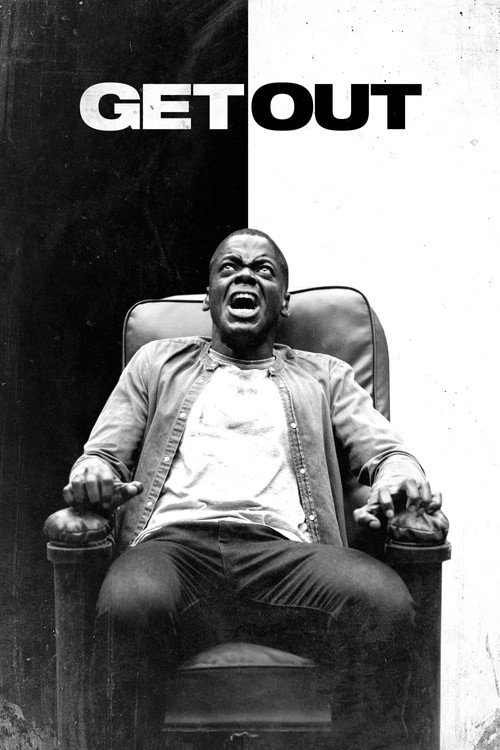
Get Out2017
Same interrogation of liberal complicity and racial menace as American Crime, run through genre machinery instead of social realism — the same nerve, different costume.
Jordan Peele takes the exact same anxieties about race, complicity and who gets believed and pushes them into horror — the genre where the dread finally has a face.
But It's a sharp, funny, scary two hours rather than a slow multi-episode dissection — satisfying in a completely different rhythm.
People
Cast
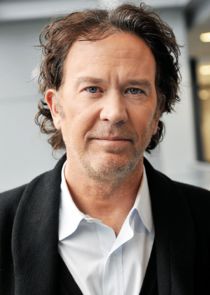
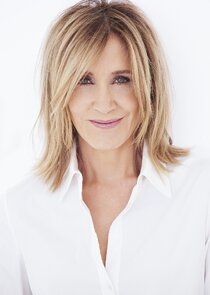
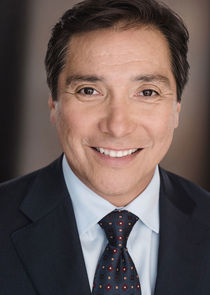
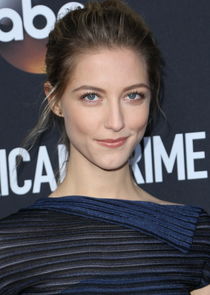
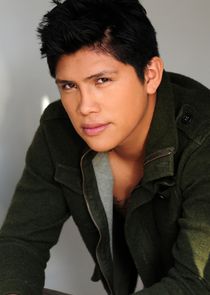
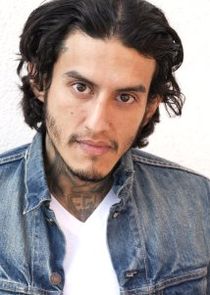
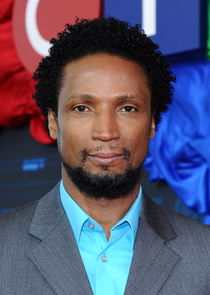
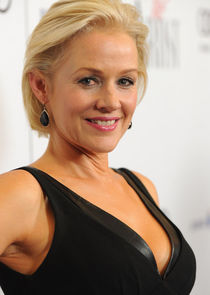
Writing
- John RidleyCreator
Production
- Sandra NebelAssociate Producer
- Diana SonCo-Executive Producer
- Julie HébertCo-Executive Producer
- Stacy A. LittlejohnCo-Executive Producer
- Ed TapiaCo-Producer
- Giovanni XimenezCo-Producer
- Sonay HoffmanCo-Producer
- John RidleyExecutive Producer
- Julie HébertExecutive Producer
- Michael J. McDonaldExecutive Producer
- Lori Etta TaubProducer
- Sonay HoffmanProducer
- Keith HuffSupervising Producer