
Film
The Racket
Other titles called The Racket: the 1951 film.
A 1928 silent crime drama about a renegade police captain taking on organized crime. Raw, kinetic, shot with documentary urgency—the city itself feels complicit. Made before the Production Code tamed Hollywood's tongue, it's a direct ancestor to every cop procedural that followed. For anyone curious about where noir came from.
If you liked this
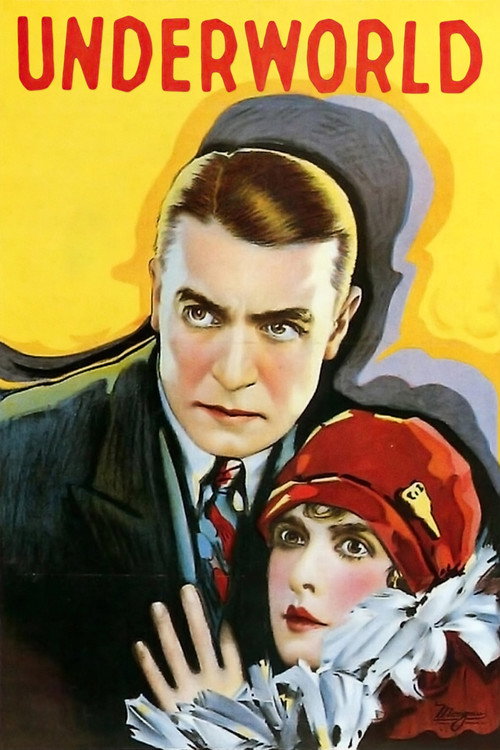
Underworld1927
Josef von Sternberg's prototype gangster film, made the year before *The Racket*. It established the template: morally compromised cops, rival criminals, a woman caught between them. Essential viewing for understanding what *The Racket* was responding to.
But Extremely slow by modern standards. The pacing is deliberate to the point of meditative, and the intertitles occasionally drown out the action.
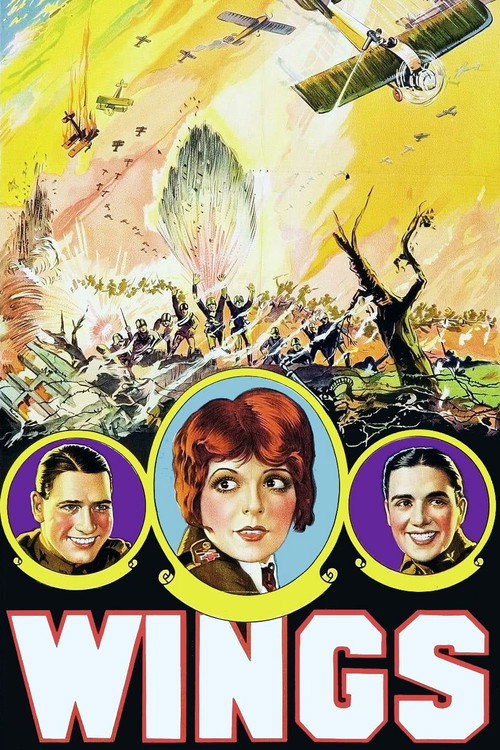
Wings1927
Also from 1927, also preserved, also about institutional power and individual conscience. A WWI film, not a crime film, but it shares *The Racket*'s visual language and moral ambiguity. Proof that this era was making urgent adult drama.
But Silent film war footage can feel remote. The romance subplot will feel quaint unless you're already attuned to 1920s melodrama.
In a Lonely Place1950
Ray's study of a cop on the edge, morally compromised and dangerous. The dialogue crackles where *The Racket* was silent, but the moral texture is identical: authority as a weapon, righteousness as a mask for corruption.
But It's psychologically claustrophobic. If you came for action, this will feel like a chamber piece about a man's deteriorating mind.

Not sure tonight? Get a pick in a minute, starting from The Racket
The wildcard
Something you would not have found on your own.
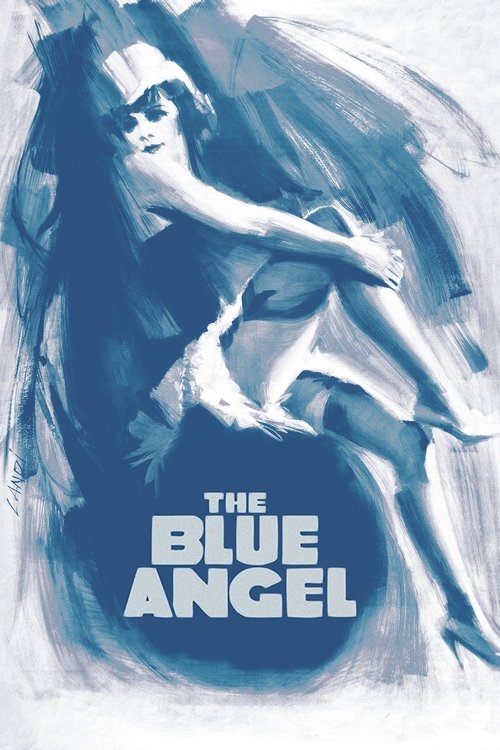
The Blue Angel1930
Both are late-silent/early-sound films about respected institutions (police, academia) revealing themselves as corrupt and complicit. Both feature a man unmade by forces larger than his will.
Made just two years after *The Racket*, Sternberg's film is about institutional collapse and moral vertigo—a teacher destroyed by desire and ambition. Same era, same visual language, same understanding of how power poisons everyone it touches. It's a crime story told as tragedy instead of melodrama.
But It's in German (with some English sequences), shot as a talkie, and deliberately ugly in its portrait of humiliation. Emotionally punishing and slow.
More like this (8)
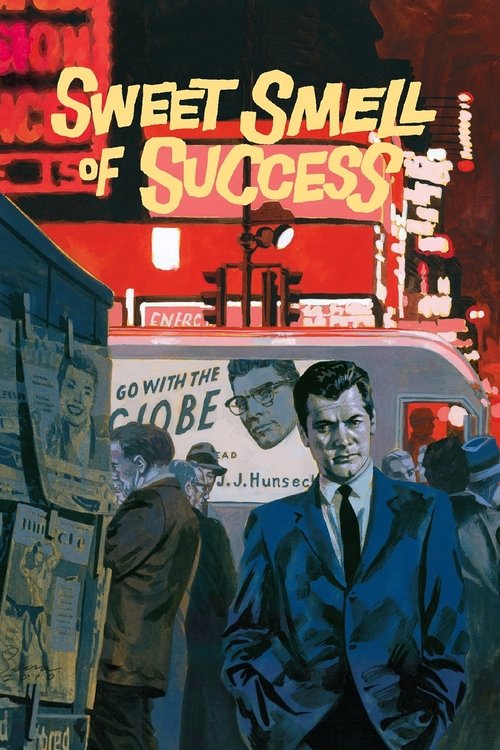
Sweet Smell of Success1957
Another film about power, corruption, and the city eating its own. The language is baroque, but the architecture—who owns whom, who can be made to disappear—is pure *Racket*. Cynical, vicious, brilliant.
But The script is so densely written that some passages are genuinely hard to parse. You'll want subtitles even though there's no excuse for them.
The Killing1956
Kubrick's heist film about cops and criminals tangled together. Like *The Racket*, it understands that the line between law and crime is administrative, not moral. The structure is fractured and clever without losing sight of the human cost.
But It's shot in sharp, cold black-and-white. The emotional temperature never rises; everything feels like it's being examined under glass.

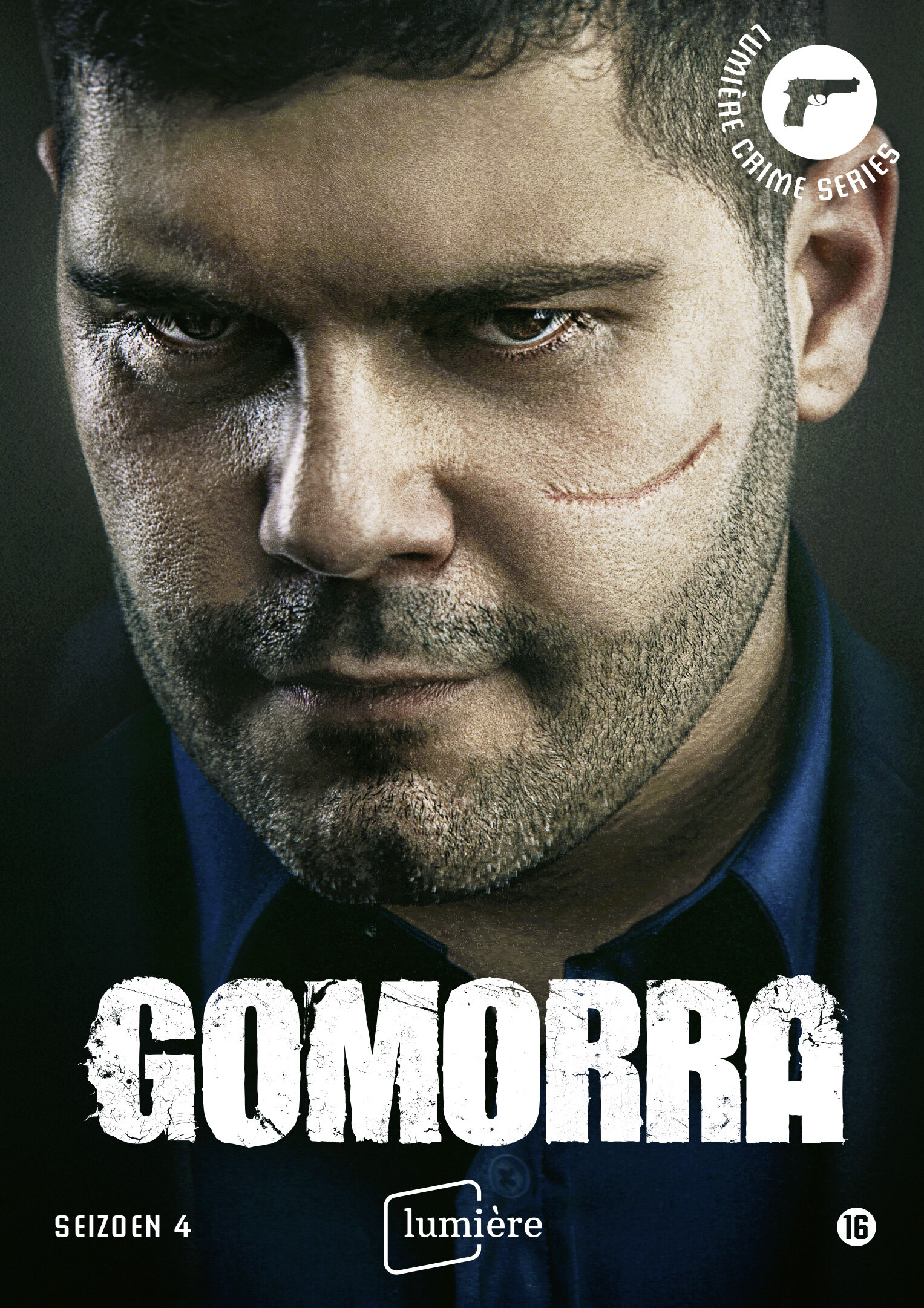
Gomorra: La Serie2014
A Neapolitan crime series that updates *The Racket*'s premise to modern Naples: institutional corruption so complete that police, politicians, and mafia are indistinguishable. Gripping, genuinely dangerous, made by people who understand the genre's bones.
But It's in Italian with subtitles. More importantly, it's remorseless—there are no good people, only degrees of complicity. Some find that exhausting.
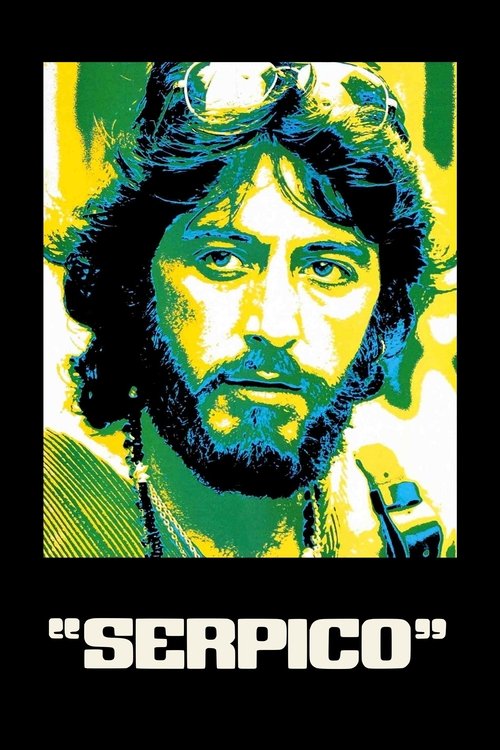
Serpico1973
Pacino as a cop trying to expose police corruption from inside. Where *The Racket*'s captain is compromised, Serpico is incorruptible—which makes him a pariah. A direct spiritual sequel to the themes of institutional rot that 1928 film was already probing.
But It's 130 minutes and sometimes feels it. The 1970s earnestness can read as heavyhanded compared to the visual economy of *The Racket*.
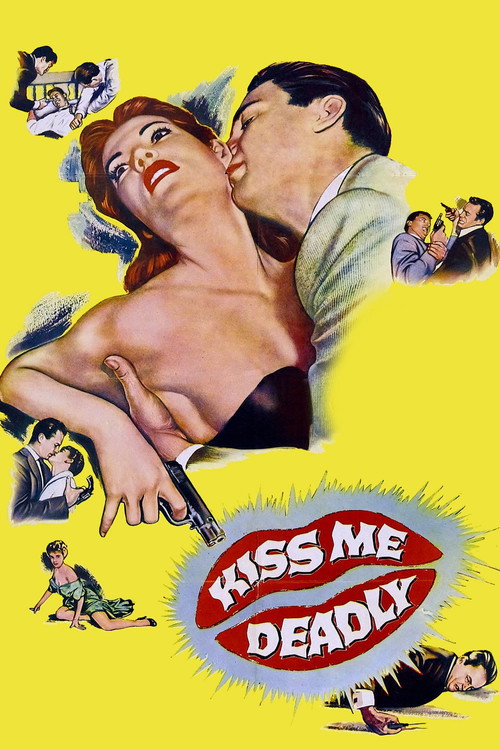
Kiss Me Deadly1955
Aldrich's Mickey Spillane adaptation: brutal, cynical, impossibly stylish. Like *The Racket*, it treats the cop-criminal distinction as a joke—everyone's dirty, everyone's for sale. The moral landscape is scorched earth.
But It's a detective film masquerading as noir. If you want plot clarity, you'll be frustrated. It prioritizes mood over sense.
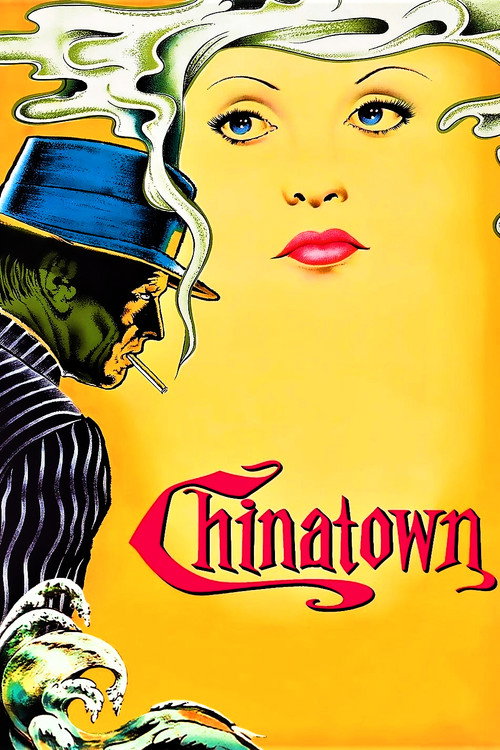
Chinatown1974
The ultimate film about how power corrupts institutions. Polanski and Towne understand that in *The Racket*'s world, the powerful win and the innocent lose. Hopelessness has never been this elegant or this entertaining.
But It ends badly for everyone. If you need narrative catharsis or justice served, this will leave you angry and unsettled.
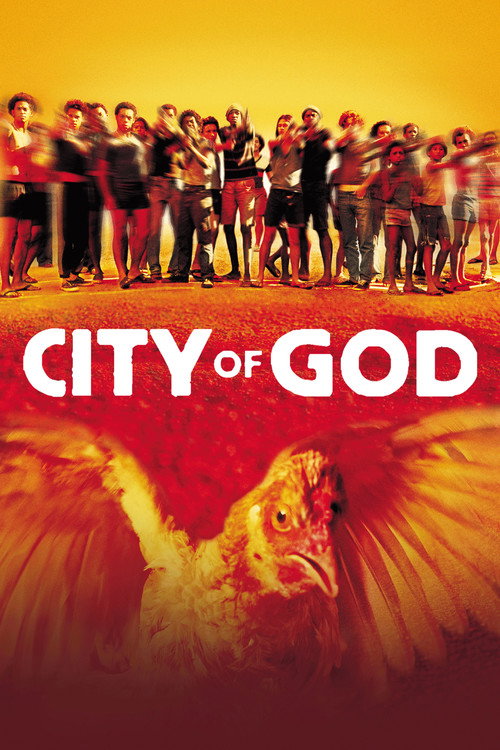
City of God2002
Both depict crime as a structural problem, not a moral one. The city itself is the criminal; individuals are just playing roles the system assigned them.
A Brazilian favela crime epic that understands *The Racket*'s central insight: that the line between law and crime is invisible when poverty and violence are the only options. Frenetic, visual, thrilling, and made with documentary urgency. The spirit of that 1928 film transplanted to modern Rio.
But The rapid-fire editing and visual density are deliberately disorienting. Kids as criminals and victims blur together, which is the point but not for everyone.
The Ascent1977
Both films treat moral compromise as the central human fact. Neither offers absolution or false comfort. Both believe that what you choose reveals who you are—and both believe that choice is impossible.
Larisa Shepitko's film about two Soviet partisans in WWII facing impossible choices. It sounds nothing like *The Racket*, but it's built on identical ground: authority, conscience, the gap between what you're supposed to do and what you can live with. Devastating, philosophical, made with *The Racket*'s visual directness.
But It's bleak metaphysical cinema, not an action film. If you want plot momentum or emotional comfort, this will feel static and oppressive.

People
Cast
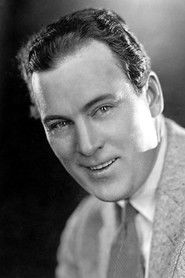 Thomas MeighanPolice Captain James McQuigg
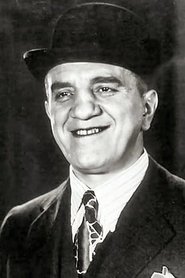 Louis WolheimNick Scarsi
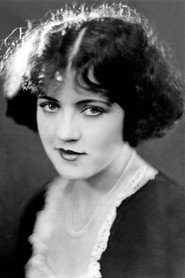 Marie PrevostHelen Hayes
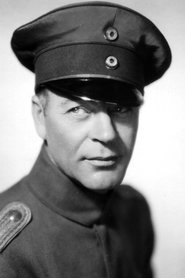 G. Pat CollinsPatrolman Johnson
- Henry SedleySpike Corcoran
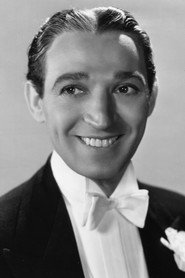 George E. StoneJoe Scarsi
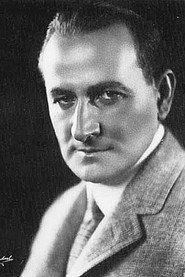 Sam De GrasseDistrict Attorney Welch
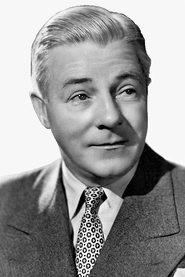
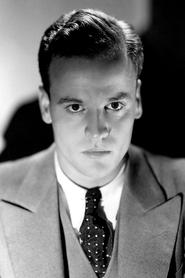 John DarrowCub Reporter Dave Ames
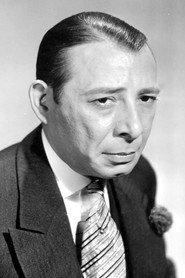 Lucien PrivalChick
- Dan WolheimSergeant Turck
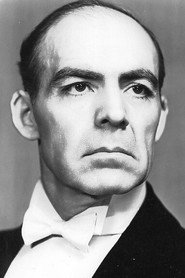 William H. O'BrienDetective Frisking Nick
Directing
- Nate WattAssistant Director
- Lewis MilestoneDirector
Writing
- Bartlett CormackAdaptation
- Bartlett CormackTheatre Play
- Del AndrewsWriter
Production
- Howard HughesProducer