
Television series
The Cosby Show
A weekly visit to the Huxtable brownstone, where a doctor and a lawyer raise five kids with more warmth than plot. Episodes are barely stories at all — just family friction resolved by dinner time, held together by chemistry and a killer sweater collection. It reshaped what a Black family looked like on network TV, though its current afterlife is inseparable from its star's real-life crimes, which colours any rewatch whether you want it to or not.
If you liked this
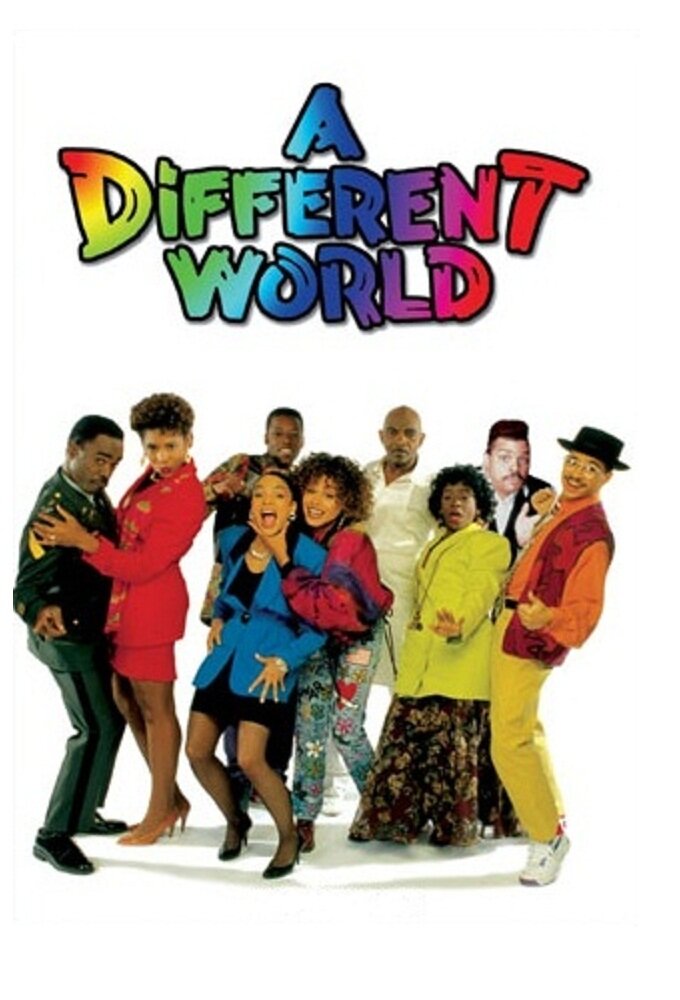
A Different World1987
The spinoff that outgrew its parent — Denise Huxtable goes to a historically Black college and the show gets sharper, more political, and funnier than anything on the original.
But Season one leans heavily on Cosby-show sitcom rhythms before it finds its own, better voice.
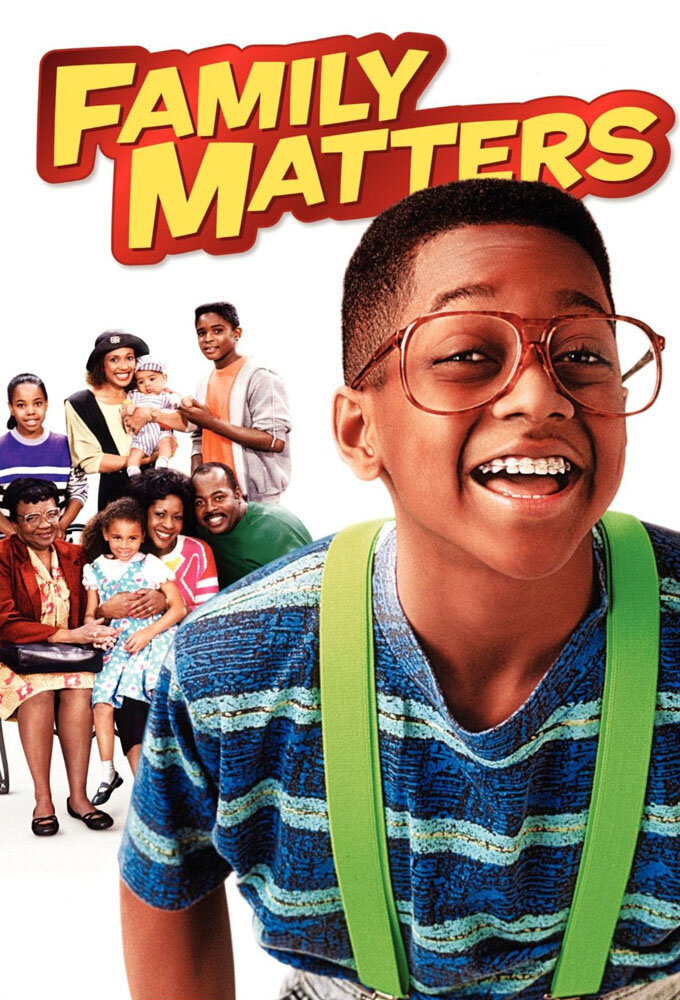
Family Matters1989
Another warm, well-off Black family sitcom from the same TV moment, minus the auteur baggage — and Steve Urkel is one of the great accidental breakout characters in sitcom history.
But It softens and cartoonishes fast once Urkel takes over; the early, more grounded episodes are the better version.
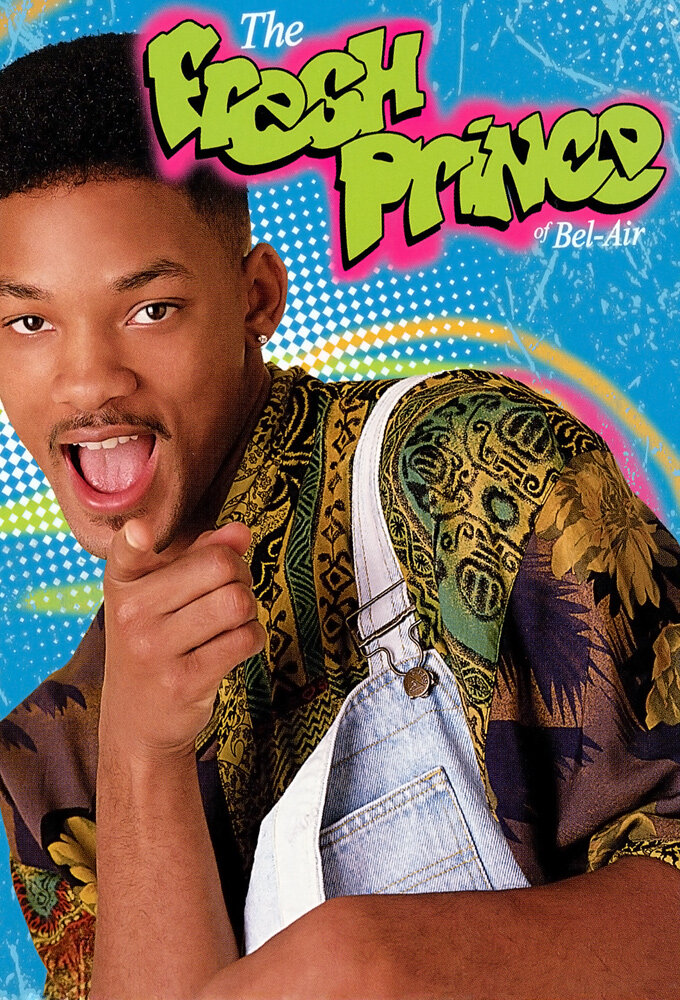
The Fresh Prince of Bel-Air1990
Same premise of Black wealth and family stability, but with a fish-out-of-water culture clash that gives it real comic friction and, occasionally, genuine gut-punch drama.
But The theme song is a trap — it's funnier and broader than Cosby, with less of that quiet, observational family comedy.
The wildcard
Something you would not have found on your own.
Julia1968no page yet
Same aspirational blueprint — a Black professional family presented as simply, unremarkably normal — attempted a generation earlier under far more restrictive network pressure.
Sixteen years before Cliff and Clair, Diahann Carroll played a widowed nurse raising her son alone — the first sitcom to center a Black professional woman, and a direct ancestor of the Huxtables' respectability and polish.
But Dated in pacing and politics; its careful, non-threatening image of Black life feels cautious by comparison.
More like this (8)
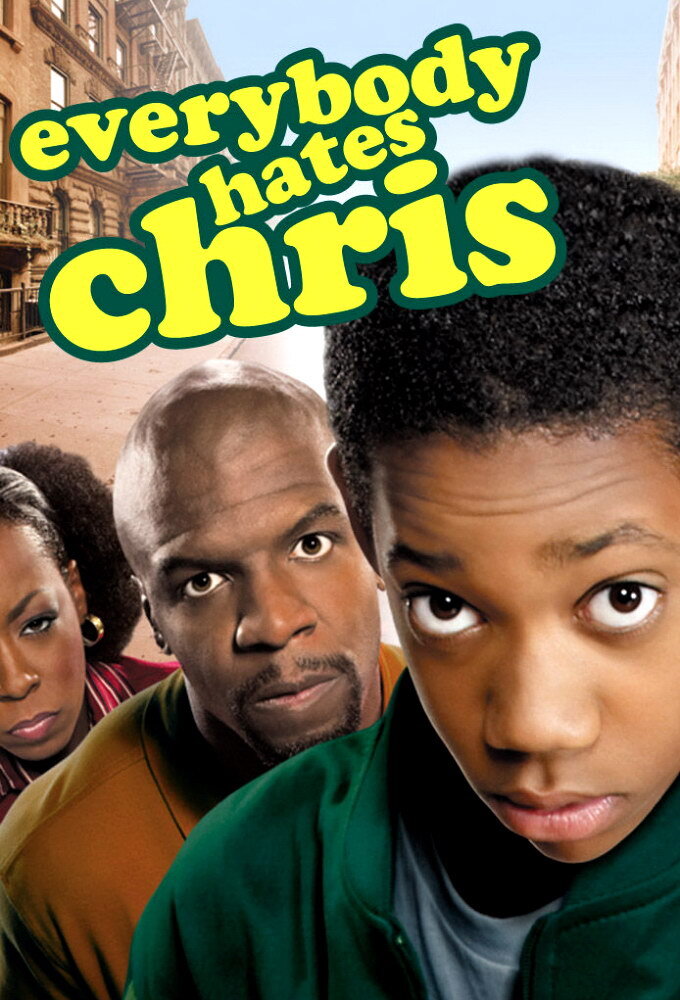
Everybody Hates Chris2005
Chris Rock narrating his own '80s Brooklyn childhood is the anti-Huxtable — funnier, scrappier, and honest about money being tight in a way this show never had to be.
But The tone is broader and more slapstick; if you want subtlety, this isn't it.
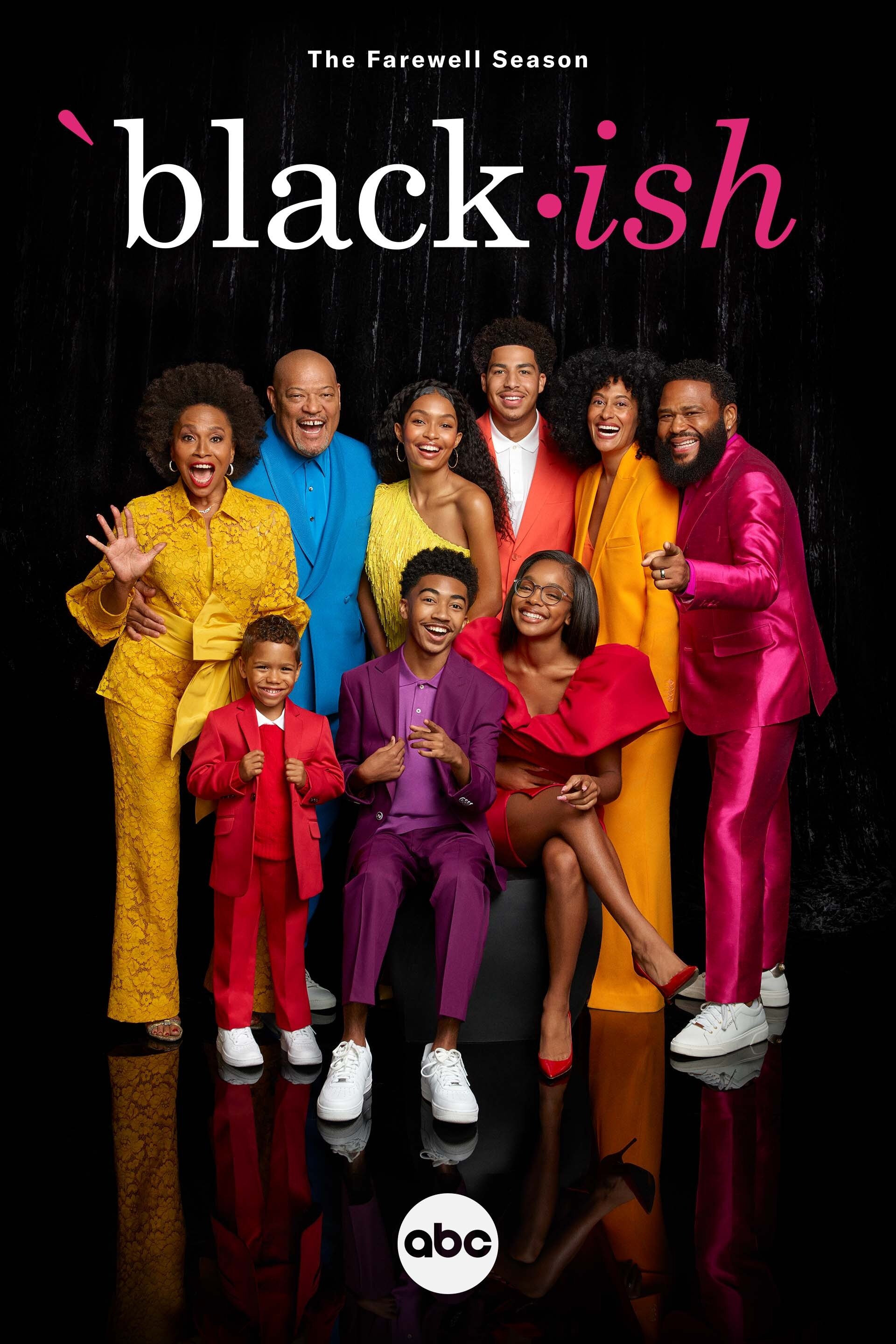
black-ish2014
Takes the affluent Black family sitcom template and interrogates it — identity, class, and assimilation get argued about at the dinner table instead of just implied.
But More issue-driven and topical than the gentle character comedy this show trades in.
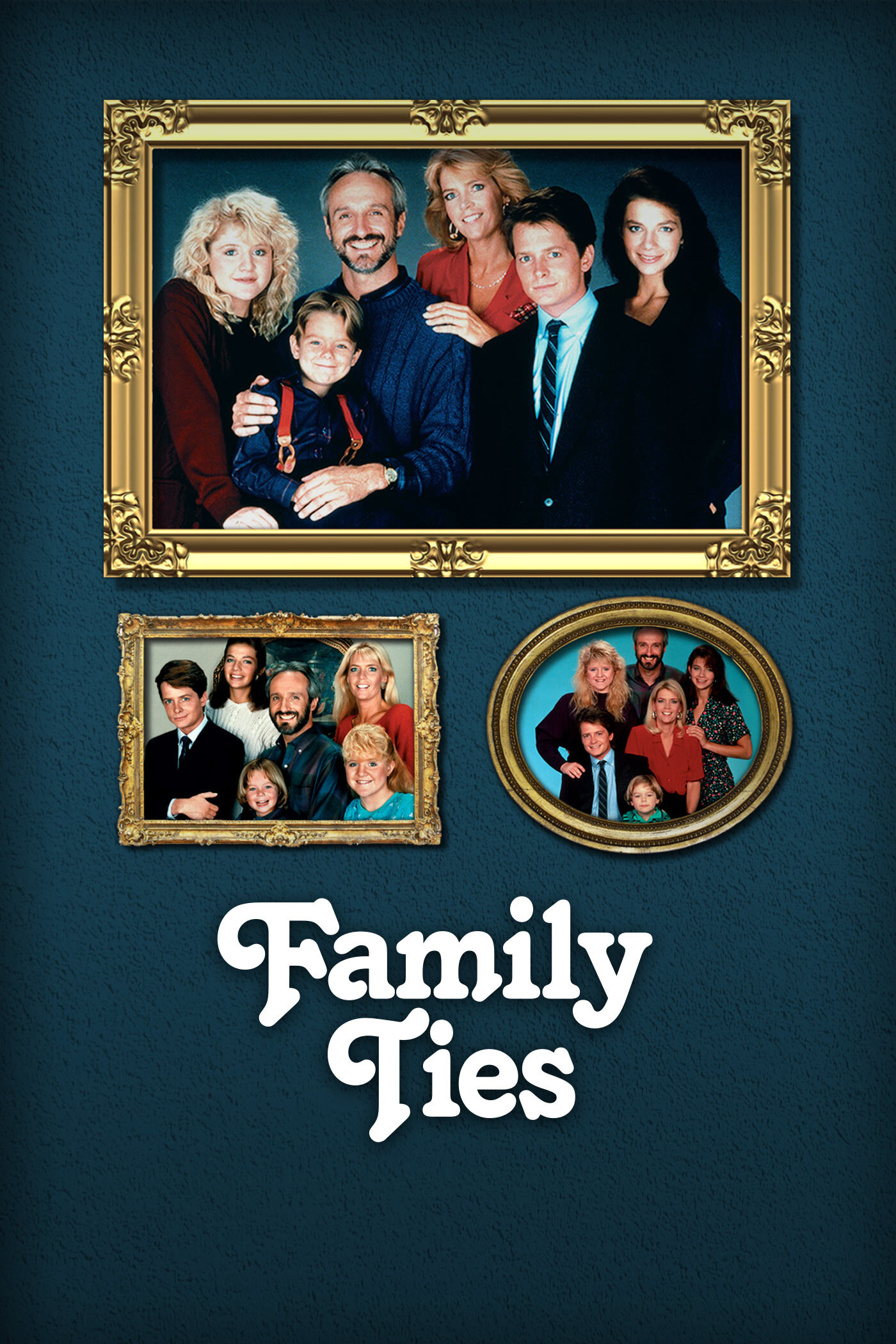
Family Ties1982
Same NBC era, same warm-hearth-with-a-life-lesson formula, just a white liberal family instead — good for comparing how the genre's DNA repeats across households.
But Michael J. Fox's Alex is the whole show; without him it's fairly conventional stuff.
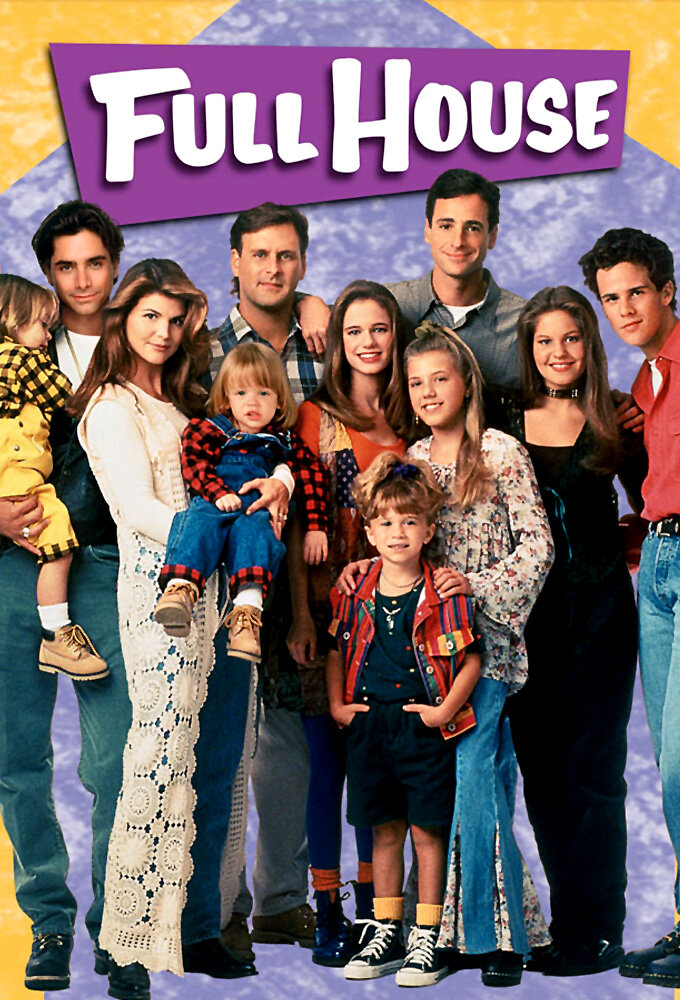
Full House1987
If you liked the hug-and-a-lesson structure and don't mind it turned up to eleven, this is the sappier, sillier cousin with three dads instead of two parents.
But Considerably more saccharine and less interested in anything resembling real conflict.
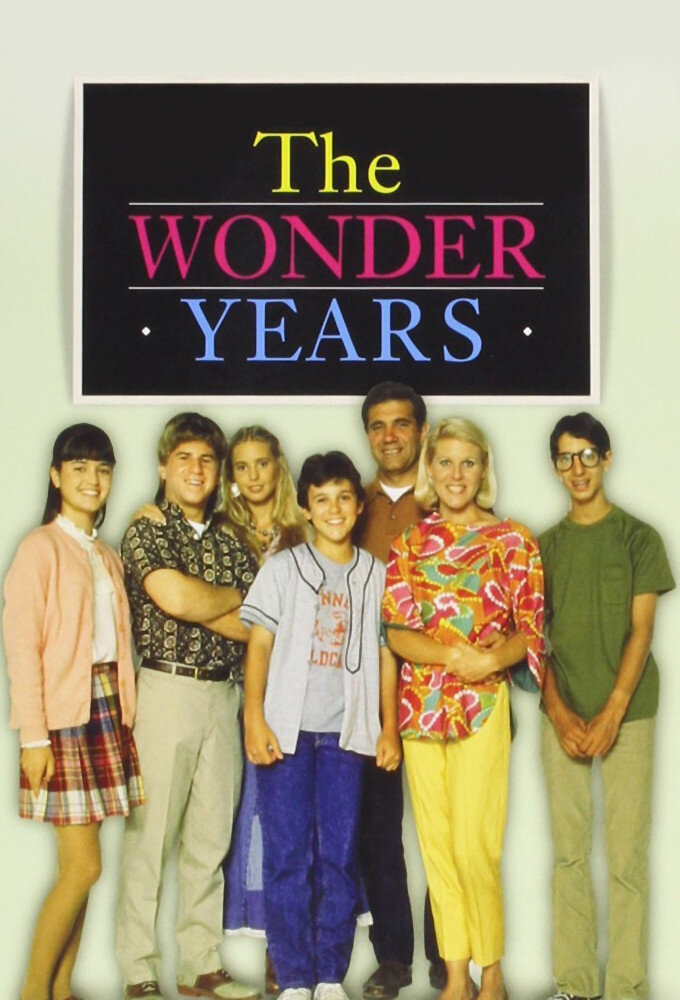
The Wonder Years1988
Swaps the ensemble warmth for one kid's nostalgic voiceover, but shares the interest in a stable, loving household as the backdrop for growing up.
But Wistful and white-suburban in a way that's a real tonal departure from Brooklyn brownstone life.
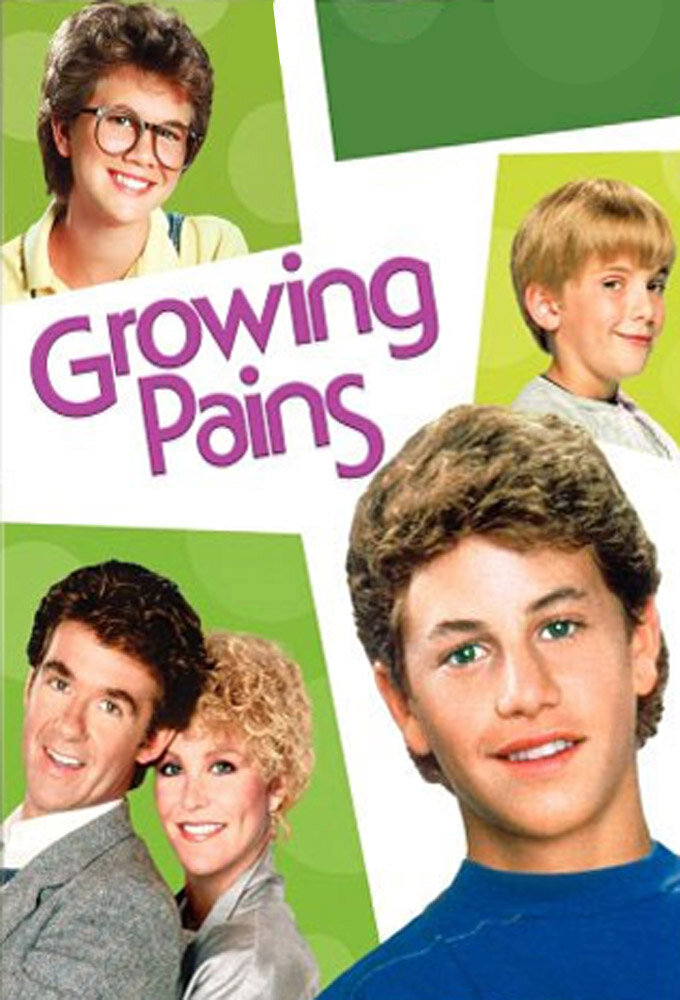
Growing Pains1985
A working parents-and-kids sitcom from the exact same period with a similarly cozy, low-stakes rhythm, if you just want more of that specific mid-80s comfort-food feeling.
But Thinner writing and a much blander family dynamic than the Huxtables ever had.
Atlanta2016
Same terrain — Black upward mobility, family, and image — filtered through surrealism and unease instead of warmth.
Donald Glover's surreal dramedy about a family navigating Black success and identity in modern Atlanta is what you get if you take the Huxtables' world and let the anxiety underneath it surface.
But Slow, dreamlike, and often deliberately uncomfortable — nothing like the tidy comfort of a sitcom.

Soul Food1997no page yet
Swaps sitcom episodic comfort for a single film's dramatic weight, but keeps the exact same conviction — the family dinner as the emotional center of Black domestic life.
A film built entirely around Sunday family dinners holding three sisters and their extended clan together, with the same belief that a shared table can fix almost anything.
But Melodrama and real stakes replace the gentle sitcom problem-of-the-week; it will make you cry, not just smile.
People
Cast









Writing
- Bill CosbyCreator
- Ed. WeinbergerCreator
- Michael LeesonCreator
Production
- Elliot ShoenmanCo-Executive Producer
- John MarkusCo-Executive Producer
- Bernie KukoffExecutive Producer
- Janet LeahyExecutive Producer
- Marcy CarseyExecutive Producer
- Tom WernerExecutive Producer
- Carmen FinestraSupervising Producer
- Gary KottSupervising Producer
Recommended by
The Fresh Prince of Bel-Air, A Different World, Everybody Hates Chris, Family Matters, The Jeffersons, Family Ties, Good Times, The Brady Bunch