
Television series
Odd Taxi
A solitary taxi driver in an anthropomorphic Tokyo ferries passengers who are all slightly unmoored—a desperate social-media chaser, a secretive nurse, washed-up comedians—and their scattered conversations accidentally map onto a missing girl. It's a murder mystery told in miniature, genuinely clever, with the texture of a 1970s detective novel crossed with absurdist comedy. For people who love interlocking plots that reward close attention.
Should you watch it?
Watch it if you enjoy eavesdropping on strangers' small talk, where the chatter is funny and sly until a mystery quietly tightens around it, and you're happy to piece clues together yourself.
Skip it if you want a fast plot or a hero who acts, since it moves at a conversational pace and its lead is a reserved man who mostly listens.
What it asks of you: Thirteen episodes of roughly twenty-five minutes each, built from slow, dialogue-heavy scenes that repay close attention, since much of the meaning hides in small remarks.
Not sure? Find tonight's pick in a minute.
If you liked this
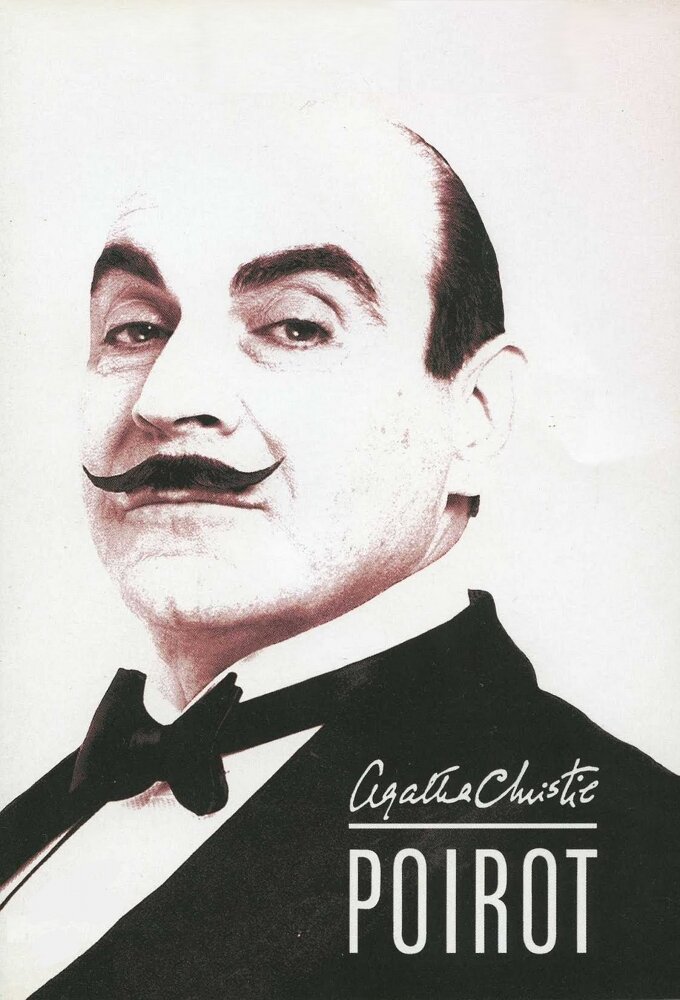
Agatha Christie Poirot1989
Poirot solves crimes by listening, noticing tiny contradictions in what people tell him. Like Odokawa, he's fastidious, solitary, and finds the whole world slightly ridiculous. The mystery unfolds through conversation.
But It's a long series with baroque production values that feel very 1980s–90s BBC. Some episodes are stronger than others, and the pacing is leisurely compared to modern television.
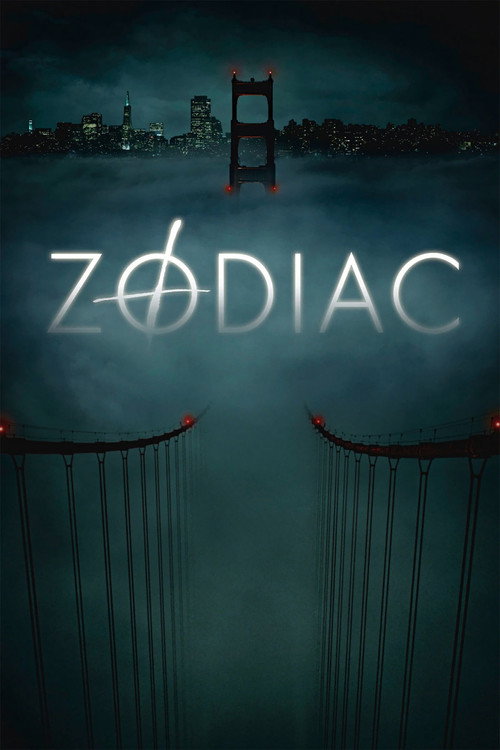
Zodiac2007
A methodical detective obsessed with mapping connections between scattered clues, interviews, and details that might mean nothing. Fincher's film has the same texture as Odd Taxi: meticulous, slightly paranoid, darkly funny about human oddness.
But Three hours long and the investigation ultimately goes nowhere definitive. It's about process, not catharsis, which can feel frustrating if you want a tidy ending.
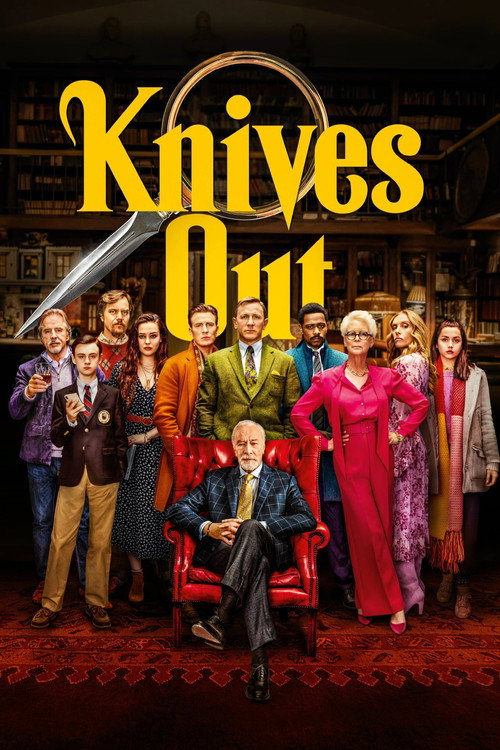
Knives Out2019
A mystery where the answer matters less than watching a clever detective untangle family secrets by talking to people who all lie differently. It's got Odd Taxi's pleasure in intricate plotting and its dry humour about human nature.
But The solution arrives neat and wrapped. If you're coming from Odd Taxi's ambiguity and structural cleverness, the film can feel a touch too tidy.
Not sure tonight? Get a pick in a minute, starting from Odd Taxi
The wildcard
Something you would not have found on your own.
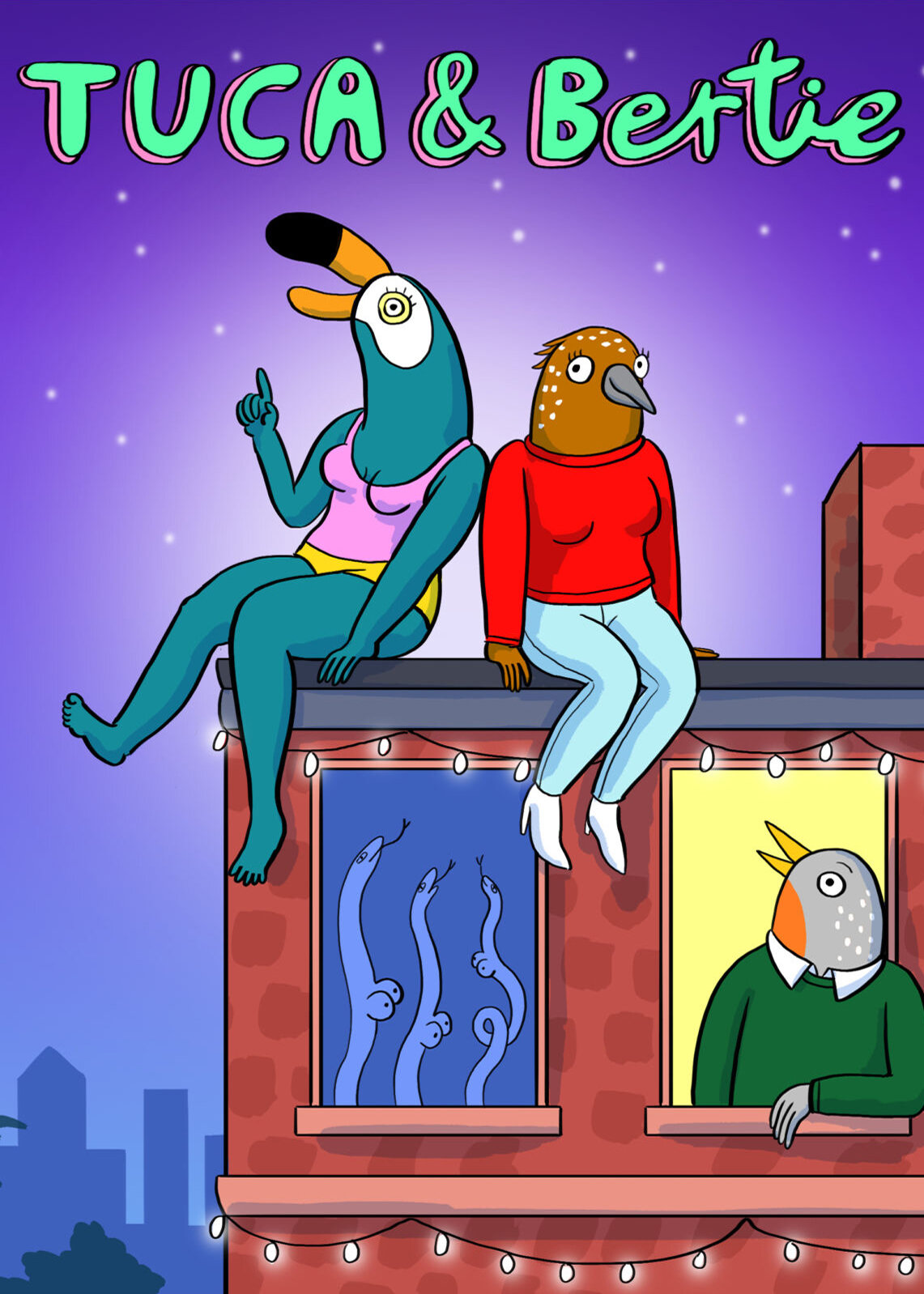
Tuca & Bertie2019
Both are animated stories that refuse linear plot in favour of accumulating mood and meaning through small human moments and visual-verbal wordplay. They share a faith that viewers can handle ambiguity.
Surrealist comedy about two women and their lives, told in fragments, non-sequiturs, and sudden tonal shifts. Like Odd Taxi, it trusts you to find meaning in seemingly disconnected moments—conversation as texture rather than exposition.
But Deliberately experimental and weird. If you want narrative clarity or conventional character arcs, this will feel pointless and exhausting rather than mysterious.
More like this (8)
El Chapo2017
Japanese mystery series with the same eye for mundane detail as Odd Taxi—bartenders, musicians, drifters. Multiple timelines and narrators converge to reveal something larger. Atmospheric and genuinely puzzling.
But Slow burn with minimal action. The payoff is subtle rather than spectacular, and some threads feel unresolved by design.

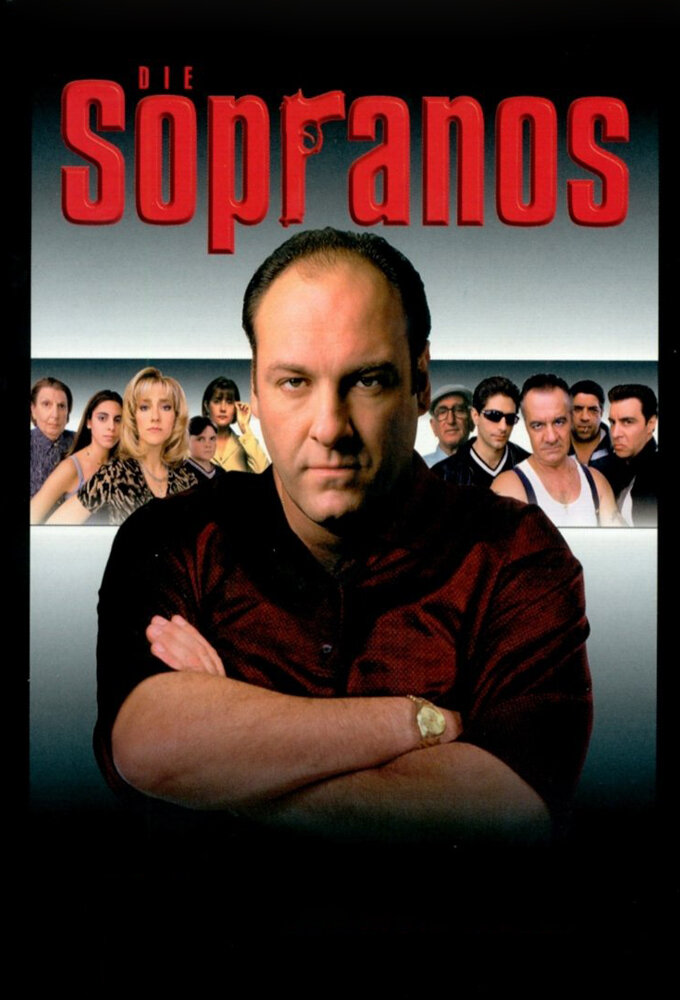
The Sopranos1999
Tony's sessions with his therapist are mostly conversation: small details, offhand remarks, and therapy-speak that accidentally reveal the monster. It taught television that you can solve character through listening rather than showing.
But Heavy, violent, and sometimes uses speech as cover for cruelty. The first few seasons are tighter than the later ones, and it's a major time commitment.
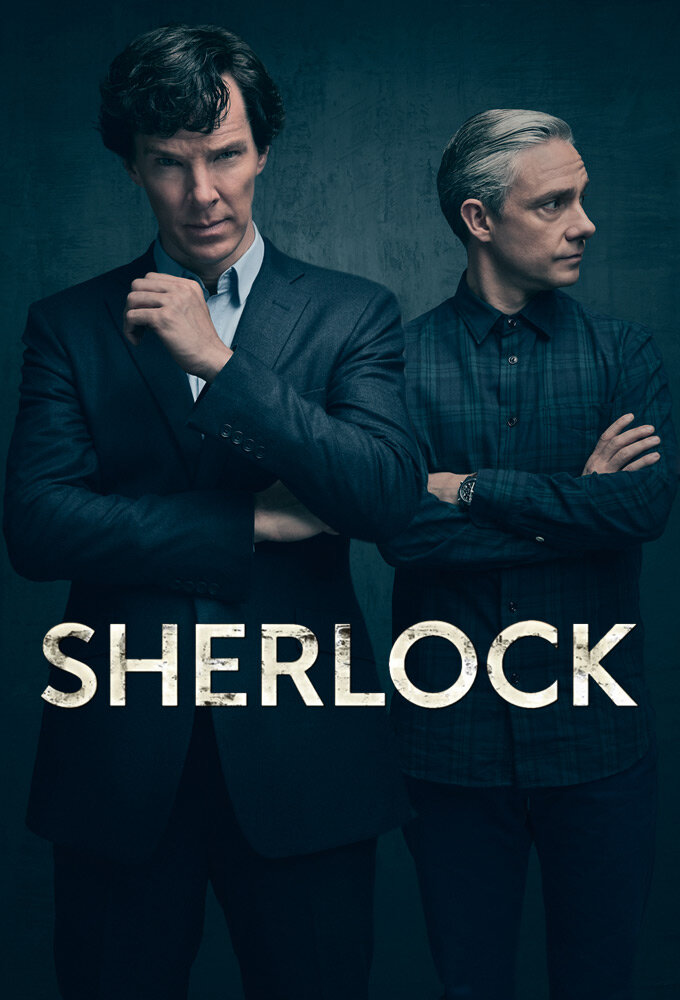
Sherlock2010
Modern reimagining where Holmes solves problems through close observation of tiny social tells and conversation patterns. Fast-paced and clever, with genuine puzzle-box episodes that respect the viewer's intelligence.
But Later seasons lose the plot coherence of the early ones, and the premise can feel gimmicky. Some people find it smug.
Incendies2010
A mother's deathbed instructions send twin siblings investigating family history through interviews and small revelations. Information accumulates slowly, painfully. The ending recontextualizes everything you've been told.
But Deals with war crimes and trauma. The tone is grave and unsparing, and the final revelation is devastating rather than satisfying.

Memories of Murder2003
Korean serial killer procedural where detectives interview suspects, chase details, and slowly realize the case might be unsolvable. Beautifully shot, patient, with a dark sense of humor about human failure and certainty.
But Based on real events and doesn't offer closure. The methodology feels dated by modern standards, and the film's refusal of answers can feel like a shrug.

Russian Doll2019
A woman loops through her own death, gathering fragments of a mystery about her own life. Each repetition reveals something about the people around her—their small lies, their desperate tells, their oddness.
But Second season expands the premise in ways that lose some of the first season's elegance. The tone shifts and some viewers find the later episodes unfocused.

In the Mood for Love2000
Both make mystery from what's unsaid and unshown. Odokawa solves crime through conversation; In the Mood for Love explores how little we actually communicate even when speaking. They're inverses.
Wong Kar-wai's film about two neighbours discovering their spouses are having an affair consists almost entirely of looks, silences, and indirect communication. A mystery about what people won't say, filmed in saturated colour and shadow.
But No action, minimal plot. It's a tone poem about longing and restraint. The pacing is glacial and some viewers find it pretentious or boring.

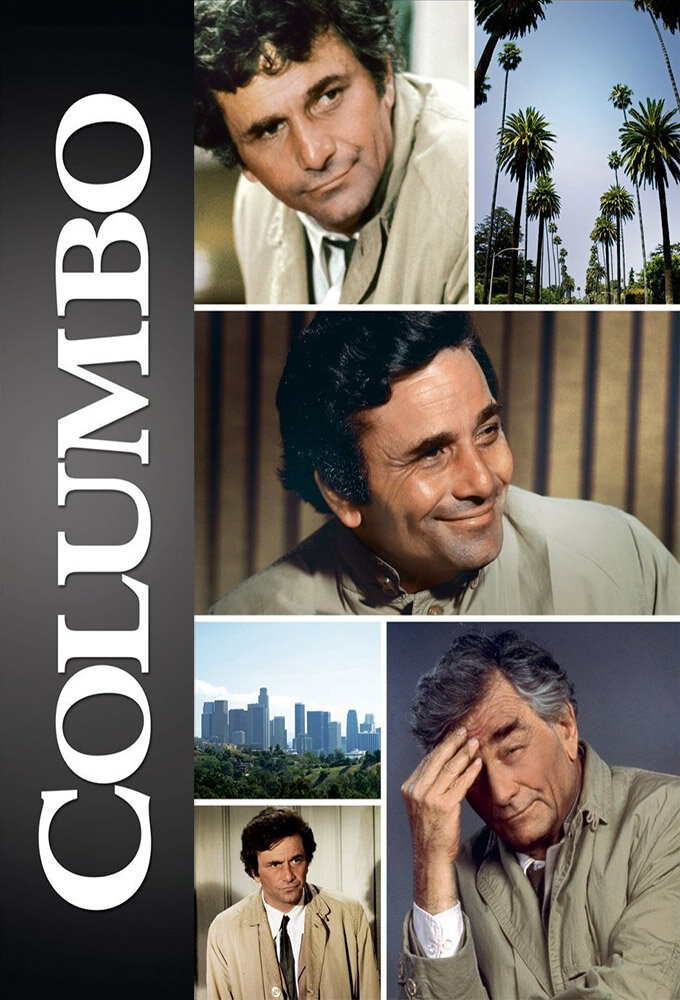
Columbo1968
Both centre an unglamorous, solitary protagonist who solves crimes through patient listening and conversation rather than action. Both have a deadpan, slightly off humour about human nature. Both believe ordinary talk is enough.
The detective already knows who did it. Each episode is about watching Columbo talk his way to a confession through meandering, folksy conversation. He's shabby, odd, and people underestimate him. Pure dialogue and character.
But Deeply episodic and formulaic—you watch the same trick repeated for seven seasons. If you need novelty and surprise, this wears thin fast.
Recommended by
Beastars, Spice and Wolf, Ookiku furikabutte, Baccano!, Jin-Roh: The Wolf Brigade, Akudama Drive, Boku wa Tomodachi ga Sukunai, Ikebukuro West Gate Park, Eureka Seven, The King's Avatar, Yu-Gi-Oh! Duel Monsters, Volcano High, Hurricane Touchdown