
Film
The Inspector General
Other titles called The Inspector General: the 1952 film.
- Comedy
- Light-hearted
Danny Kaye is a hapless drifter mistaken for a feared government inspector by corrupt officials desperate to silence him before he exposes their theft. It's a classic farce built on escalating misunderstanding, with Kaye's mercurial physicality and vocal gifts driving the chaos. Broad, joyful, and utterly uninterested in plausibility—perfect if you love comedy that moves at the speed of thought.
If you liked this
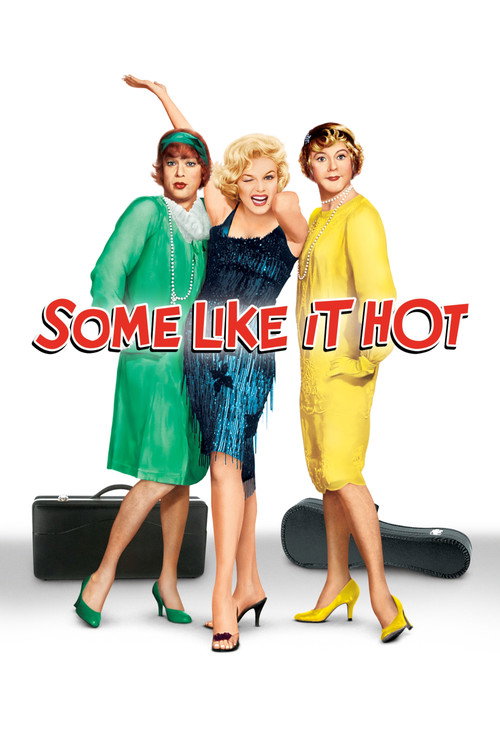
Some Like It Hot1959
The gold standard of mistaken-identity comedies. Two musicians hide as women in an all-female band, triggering a cascade of increasingly absurd situations. Sharp, perfectly timed, and Billy Wilder at his best.
But It's seventy years old and relies on gender comedy that some find dated, even if the execution is impeccable.
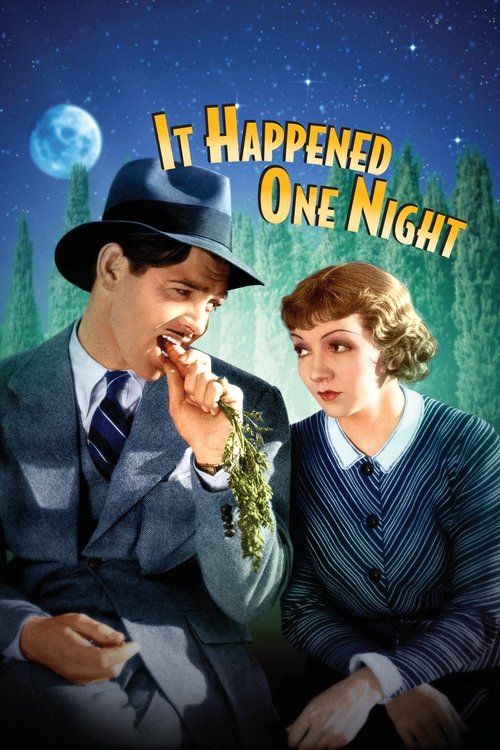
It Happened One Night1934
Screwball perfection: a runaway heiress and a cynical reporter on a cross-country journey. Fast-talking, romantic, genuinely funny, with chemistry that leaps off the screen. The template for romantic comedies that actually work.
But The pacing is furious and almost nothing is explained; if you need plot clarity, this will frustrate you.
Singin' in the Rain1952
Gene Kelly, Donald O'Connor, and Debbie Reynolds in the most purely joyful musical ever made. The dancing is transcendent, the comedy lands, and the whole thing feels like watching someone having the time of their life.
But If you're not moved by great dancing or sudden bursts of song, the middle section may test your patience.

Not sure tonight? Get a pick in a minute, starting from The Inspector General
The wildcard
Something you would not have found on your own.
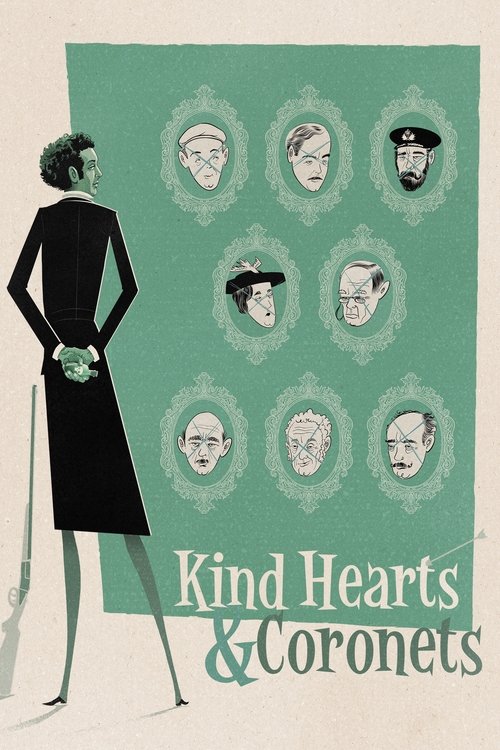
Kind Hearts and Coronets1949
Both are built on escalating deception and mistaken identity. Both feature a protagonist whose advantage is purely circumstantial; authority mistakes him for what he isn't, and the system protects him from his own incompetence.
Alec Guinness plays eight different members of the same family, each hilariously distinct, as Dennis Price's character murders his way to a dukedom. Black comedy so cheerful about its premise it becomes something entirely its own. Darkly brilliant.
But It's essentially about serial murder played as high farce; the tonal whiplash between cozy comedy and premeditated killing bothers some viewers.
More like this (8)
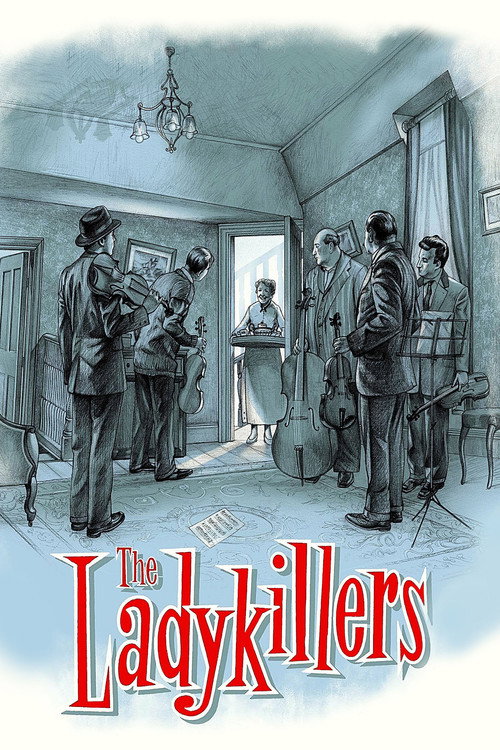
The Ladykillers1955
Five criminals posing as musicians rent a room from a sweet old landlady and slowly unravel. Ealing Studios at peak form—witty, inventive, and genuinely clever about how chaos compounds from simple premises.
But The pacing is genteel compared to modern comedy; it expects you to luxuriate in the setup rather than rush the payoff.
Breakfast at Tiffany's1961
Audrey Hepburn as a free-spirited woman navigating Manhattan while a writer falls for her. Elegant, funny, romantic, with one of cinema's most iconic performances and a soundtrack that never gets old.
But The racial caricature is uncomfortable and indefensible; it's a real stain on an otherwise charming film.

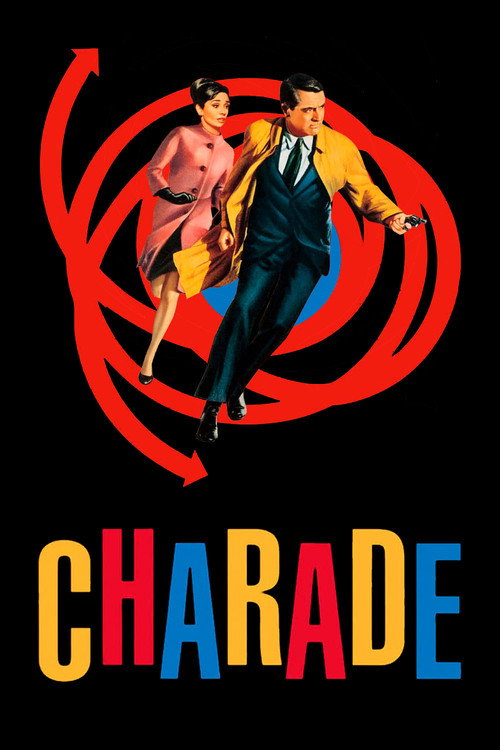
Charade1963
Audrey Hepburn and Cary Grant in a witty spy-thriller-romance hybrid directed by Stanley Donen. It's playful, genuinely suspenseful, gorgeously shot, and proves chemistry never goes out of style.
But The plot is a bit convoluted and the villains are thinly sketched; you're really here for Hepburn and Grant being irresistible.
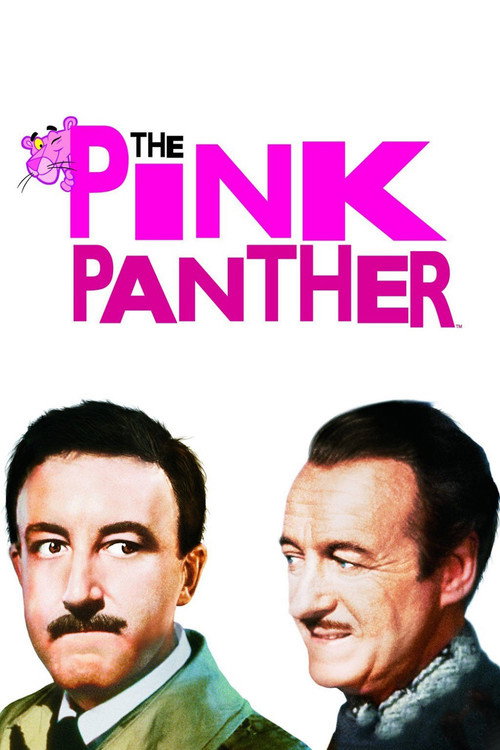
The Pink Panther1963
Peter Sellers as a bumbling French inspector chasing a jewel thief while accidentally destroying everything around him. Slapstick elevated to an art form, with Sellers mining physical comedy from every frame.
But The humor is almost entirely physical; if that's not your language, the plot won't hold your interest.
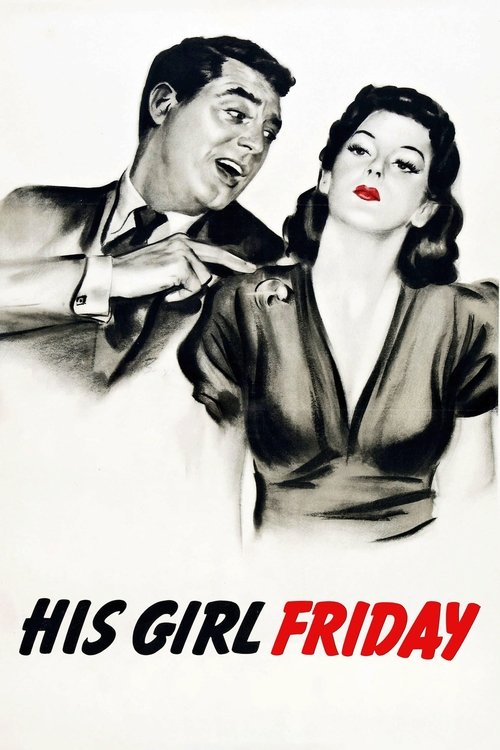
His Girl Friday1940
A rapid-fire newspaper comedy with Cary Grant and Rosalind Russell trading dialogue so fast they sometimes talk over each other. Witty, kinetic, and genuinely romantic beneath all the chaos.
But The dialogue is so thick with 1940s slang and rapid-fire quips that you might miss jokes on a first viewing.
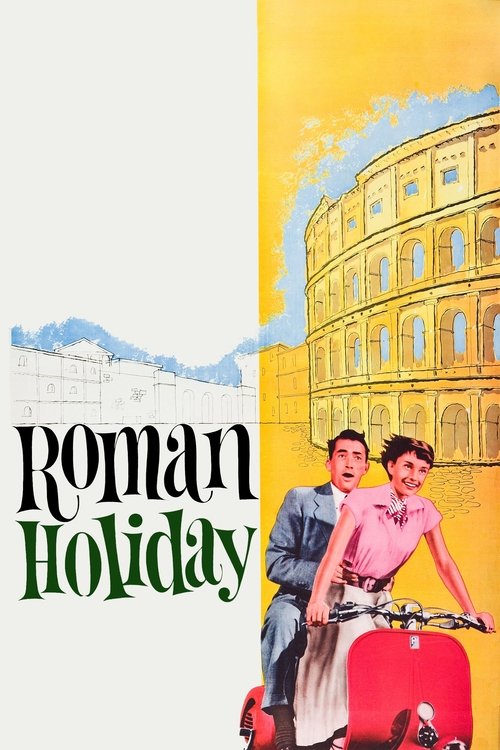
Roman Holiday1953
Audrey Hepburn as a runaway princess, Gregory Peck as the journalist who helps her. A romantic romp through Rome with real charm, warmth, and a bittersweet ending that earns its melancholy.
But It's a fairy tale with a sad ending; if you need your romance uncomplicated, this will leave you wistful.
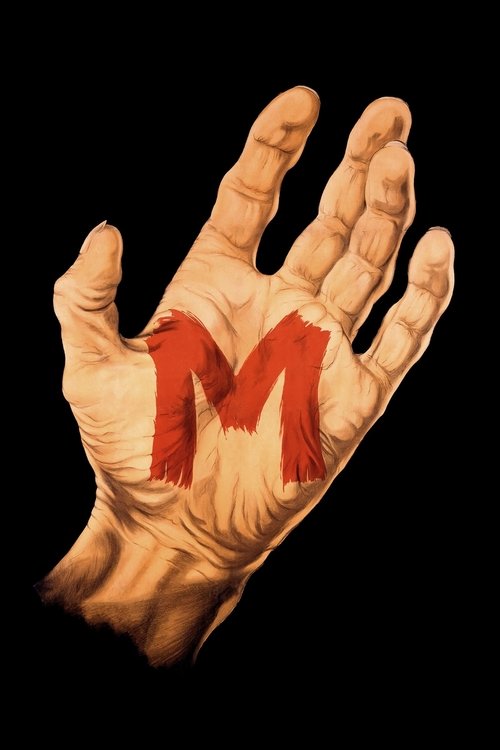
M1931
Both feature a town mobilizing against one man, and both play with the gap between appearance and reality. But where The Inspector General is all comedy, M is the shadow that comedy could cast.
Fritz Lang's German expressionist masterpiece about the hunt for a child murderer. Visually stunning, morally complex, and genuinely thrilling. It looks like nothing else and feels urgent seventy years later.
But It's in German with subtitles, the subject is disturbing, and the style is deliberately artificial rather than naturalistic—it demands patience.
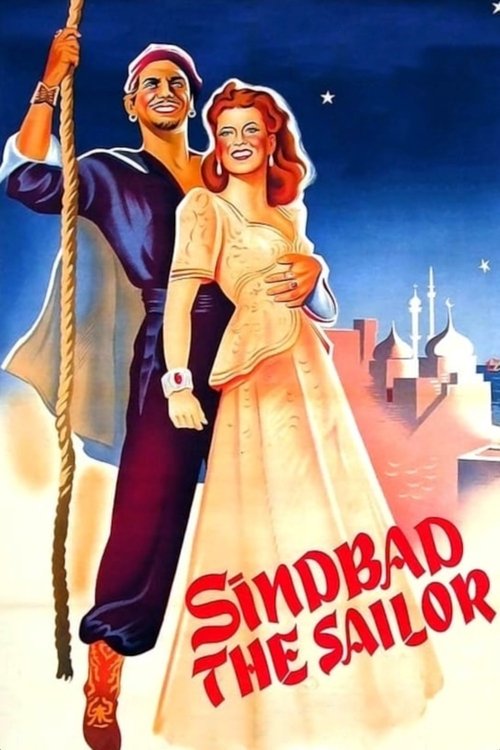
Sinbad the Sailor1947
Both belong to that pre-1950s tradition where comedy meant performers given permission to be utterly uninhibited. Both trust their leads to be physically expressive and trust the audience to enjoy the artifice rather than be fooled by it.
Technicolor fantasy adventure with Douglas Fairbanks Jr. as Sinbad and a supporting cast of character actors hamming it up gloriously. It's deliberately camp—costumes, painted sets, absurd plot turns—and absolutely knows it's silly.
But The budget was modest, so the effects look like effects; it's not trying to convince you of realism and never could.
People
Cast
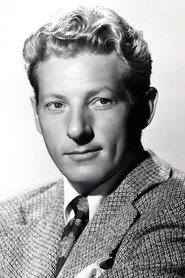 Danny KayeGeorgi
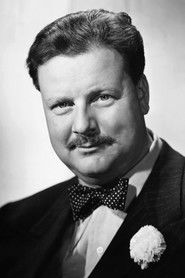 Walter SlezakYakov
 Barbara BatesLeza
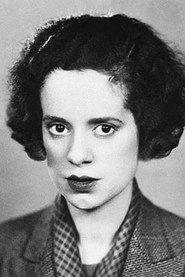 Elsa LanchesterMaria
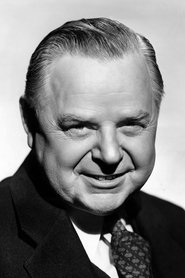 Gene LockhartThe Mayor
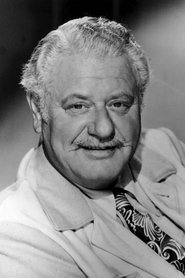 Alan HaleKovatch
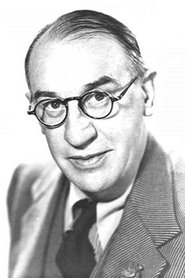 Walter CatlettColonel Castine
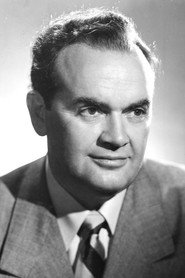 Rhys WilliamsInspector General
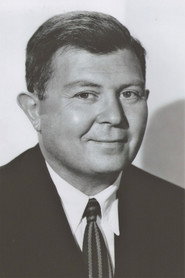 Benny BakerTelecki (uncredited)
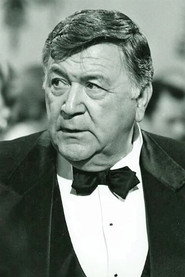 Leonard BremenLieutenant (uncredited)
- Robert CherryPeasant (uncredited)
- Frank ConlanOId Villager (uncredited)
Directing
- Henry KosterDirector
Writing
- Harry KurnitzScreenplay
- Philip RappScreenplay
- Nikolai GogolTheatre Play
Production
- Sylvia FineAssociate Producer
- Jerry WaldProducer