
Film
Straight Up
A sharp, talky comedy about a gay man who decides he might be straight to avoid dying alone, and the actress he convinces to date him despite having no physical attraction. Witty, neurotic, deliberately stilted in its performances, and genuinely tender beneath the intellectual defense mechanisms. For people who think fast and feel deeply.
If you liked this
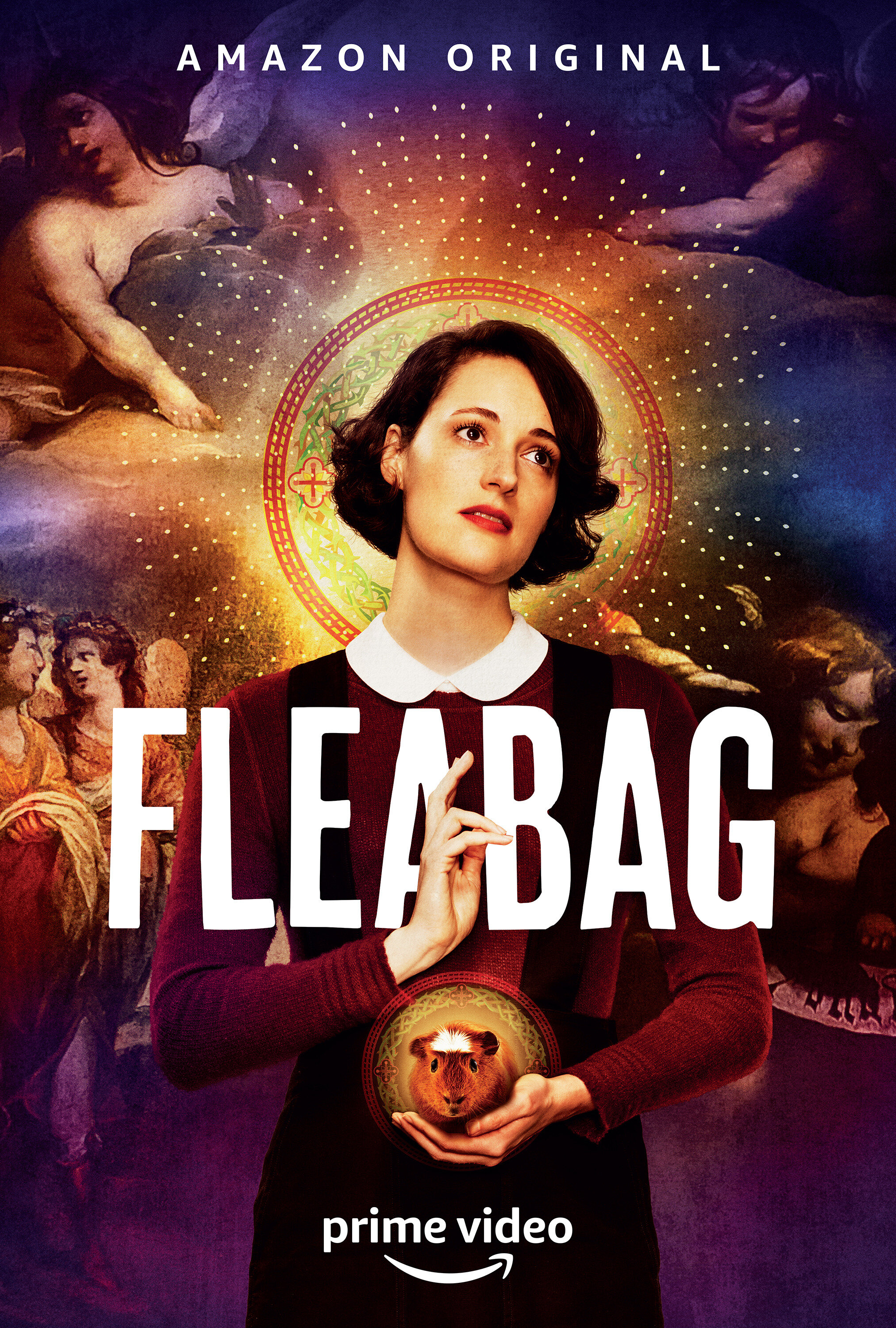
Fleabag2016
Both centre on anxious, self-aware narrators using humour and intelligence as armour while navigating love and identity with unflinching honesty. The same blend of comedy and raw vulnerability.
But If you need plot momentum and external stakes, both can feel like watching someone overthink their way through life for hours.
The Farewell2019
Awkwafina and the ensemble navigate family, belonging, and unspoken truths with dry wit and genuine warmth. That same intelligent tenderness wrapped in comedy without needing to shout.
But The humour is understated and character-based rather than punchline-driven. It won't give you laughs so much as smiles of recognition.

Punch-Drunk Love2002
Two anxious, neurotic people grappling with connection and identity in ways that are deeply unromantic and deeply human. Paul Thomas Anderson finds romance in awkwardness and stutter.
But It's deliberately unconventional in rhythm and tone. If you want conventional romance beats, this actively avoids them.

Not sure tonight? Get a pick in a minute, starting from Straight Up
The wildcard
Something you would not have found on your own.
Normal People2020
Both explore whether two fundamentally mismatched people can build something real, but this one answers through bodies and silence instead of constant conversation.
Two people across twelve episodes, mostly in silence and physicality, learning to connect and disconnect and connect again. The inverse of Straight Up's talk-only approach—everything unsaid that Todd and Rory articulate endlessly.
But The pacing is glacial by design. Long scenes of people existing in rooms. If you need constant stimulation, it reads as boring rather than intimate.

More like this (8)
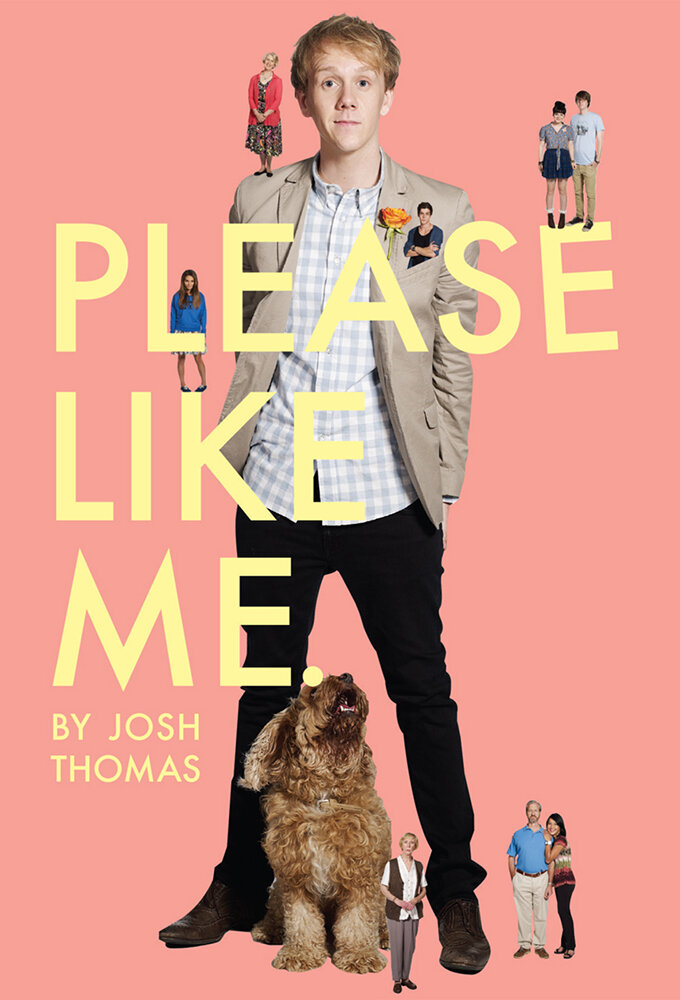
Please Like Me2013
Josh Thomas created a show about a young gay man navigating identity, family dysfunction, and genuine companionship with intelligence and laugh-out-loud humour. Same DNA of self-aware neuroticism and surprising depth.
But Australian TV can feel slow-paced to American audiences. It's patient in ways that demand your patience too.
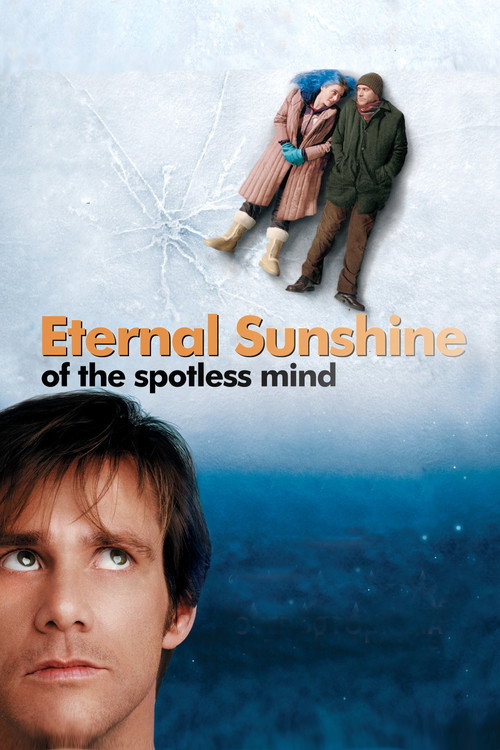
Eternal Sunshine of the Spotless Mind2004
Two damaged, articulate people try to connect despite their best efforts to keep each other out. Romantic without being romantic, tender without sentimentality, intellectually rigorous and emotionally honest.
But It's melancholic and philosophical. If you want escapism, this asks you to think about loss instead.
Someone Great2019
Three women navigate friendship, sexuality, and what matters when mortality becomes real. Funny and heartfelt in exactly the register this film lives in—smart comedy that doesn't punch down.
But The emotional stakes are heavy, and the film doesn't shy from genuine grief. It earns its comedy through weight, not distraction.

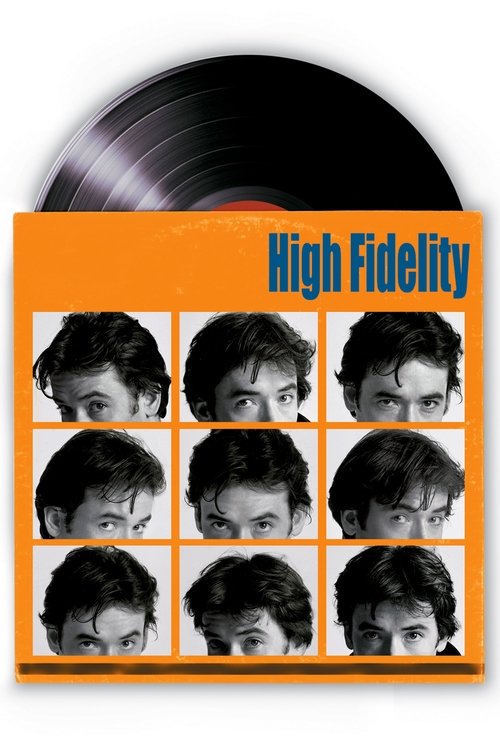
High Fidelity2000
John Cusack's record-store obsessive uses intellectual distance as a shield while learning to connect. Same nervous intelligence, same slow recognition that emotional honesty matters more than being clever.
But It's deeply of its era in ways that can feel dated. The gender politics won't land the same way now, and that's part of the problem.
Obvious Child2014
Jenny Slate's struggling comedian is neurotic, funny, and fully alive in ways that don't require a traditional romance plot. Messy people being funny and real without apology.
But It hinges on a major life decision that will turn some viewers off regardless of how the film handles it. That's a genuine content warning, not a stylistic one.

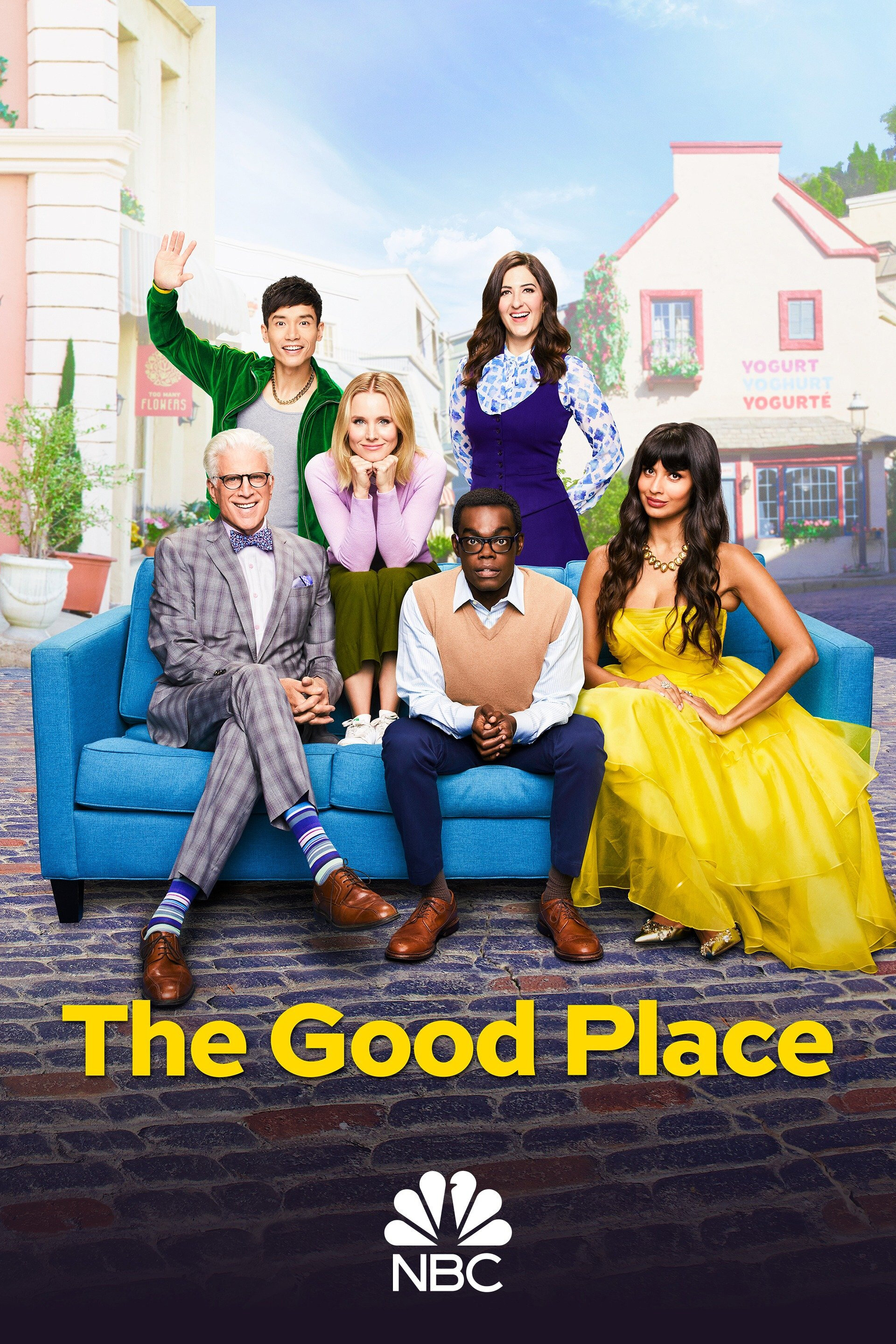
The Good Place2016
Kristen Bell navigates existence through constant self-awareness and philosophy delivered at speed. It shares the rapid-fire wit and the underlying question: what do we owe each other?
But It's conceptually dense and asks you to track multiple philosophical threads. If you want to turn off your brain, this won't let you.
Synecdoche, New York2008
Both films are about intelligent people using words and frameworks to avoid feeling what they're actually feeling, but this one goes baroque and tragic where Straight Up stays intimate.
Philip Seymour Hoffman's theatre director constructs increasingly elaborate versions of reality and relationships, drowning in abstraction while desperately seeking connection. A man talking himself out of love, building walls from ideas.
But It's formally experimental and deliberately frustrating. Kaufman doesn't resolve anything; he spirals. If you need clarity or catharsis, this witholds both.

I Used to Go Here2020
Same year, same scale, same commitment to the interior life of someone brilliant and anxious—but this one tracks how we change rather than how we resist change.
Gillian Jacobs returns to college, and the film quietly watches a woman reckon with who she thought she'd be versus who she is. Tender, funny, profoundly about the stories we tell ourselves to survive.
But Nothing much happens externally. It's entirely internal and observational. If plot is what keeps you watching, you'll feel abandoned here.

People
Cast
 Katie FindlayRory
 James SweeneyTodd
 Dana DroriMeg
 James ScullyRyder
 Joshua DiazZane
 Tracie ThomsDr. Larson
 Betsy BrandtTopanga
 Randall ParkWallace
 Brendan ScannellJerry
 Ken KirbyCraig
 Grace SongHilary
 Hillary Anne MatthewsNicole
Directing
- James SweeneyDirector
- John BaumgartnerFirst Assistant Director
- Melissa KyleFirst Assistant Director (Prep)
- Laura Jean BranskyScript Supervisor
Writing
- James SweeneyWriter
Production
- Jessica MunksCasting
- Jerry TerHorstCo-Producer
- Bobby HoppeyExecutive Producer
- David CarricoProducer
- James SweeneyProducer
- Ross PutmanProducer
- Paul Young LeeProduction Assistant
- Cullum AndrewsProduction Coordinator
- Jerry TerHorstUnit Production Manager