
Film
Ping Pong
Other titles called Ping Pong: the 2002 film.
- Sports drama
- Light-hearted
A documentary following eight table tennis players from five countries as they train for the over-80s World Championships in Inner Mongolia. It's a film about competitive fire that refuses to dim, about bodies that won't quit, and about what happens when people decide that age is merely a number on their passport. Warm, funny, and genuinely moving.
Should you watch it?
Watch it if you love sports documentaries where the competition matters less than the people, and you enjoy watching ordinary stubbornness turn into something close to heroic at an age when most of us have stopped trying.
Skip it if you want a tight, fast-cutting sports film with a clear rivalry and steady stakes, since this one wanders between several players and lingers on their routines and home lives.
What it asks of you: It runs a brisk eighty minutes, so it asks little time, but it asks you to sit with slower, quieter moments and to care about several people at once rather than one clear protagonist.
Not sure? Find tonight's pick in a minute.
If you liked this
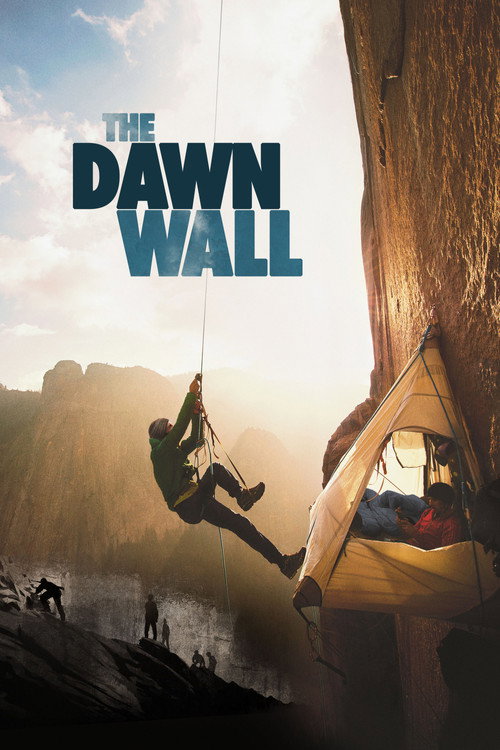
The Dawn Wall2017
Two climbers attempt a seemingly impossible rock face. Like Ping Pong, it's about obsession, physical endurance, and the quiet defiance of people who refuse to accept limits others have set.
But It's about rock climbing, which requires patience with technical detail and vertigo-adjacent tension. Not everyone finds that as compelling as table tennis.
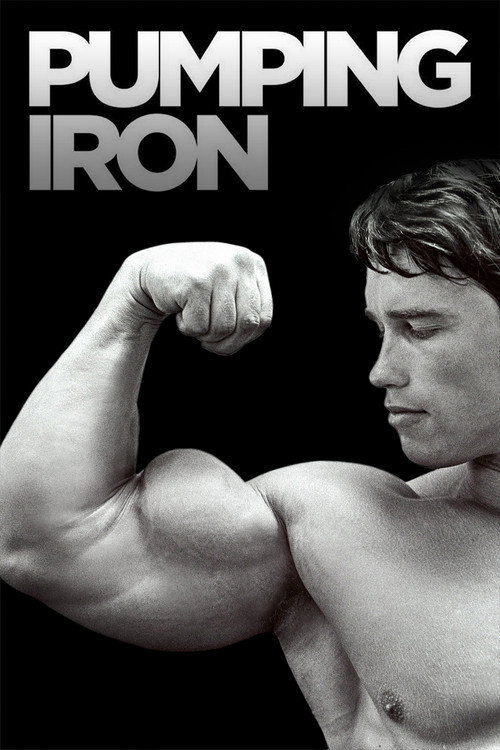
Pumping Iron1977
A documentary portrait of competitive bodybuilders preparing for the Mr. Olympia contest. The same drive to push the body further, the same mixture of vanity and genuine athletic pursuit, framed with humour and affection.
But It's frankly obsessed with male physiques and 1970s gym culture. The aesthetic may feel dated or uncomfortable depending on your tolerance for peacocking.
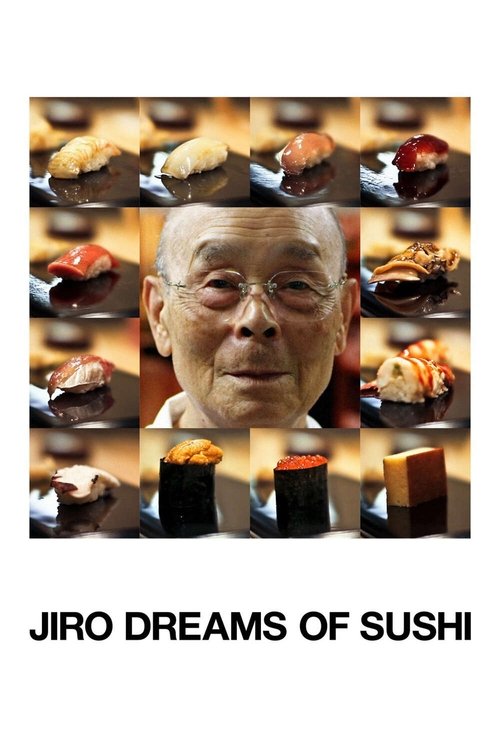
Jiro Dreams of Sushi2011
An elderly Japanese sushi master's relentless pursuit of perfection in his craft. Both films celebrate people who refuse retirement and find meaning in mastery, but this one is meditative rather than energetic.
But It moves slowly and reverently. There's minimal conflict or drama—just observation. If you want narrative momentum, this will feel static.
Not sure tonight? Get a pick in a minute, starting from Ping Pong
The wildcard
Something you would not have found on your own.
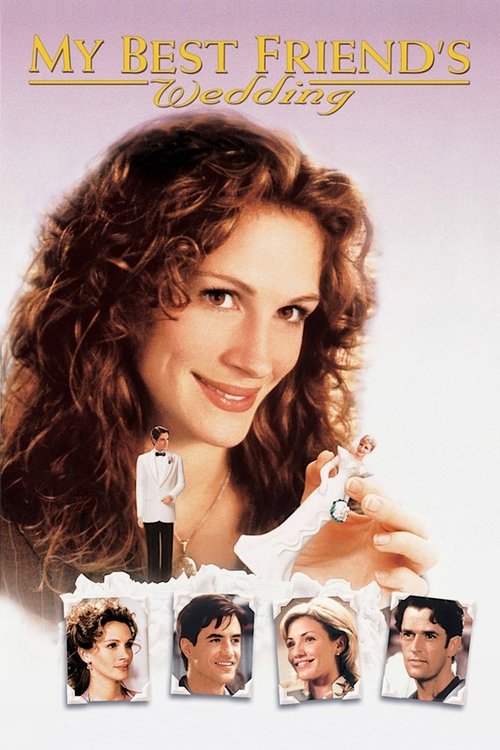
My Best Friend's Wedding1997
Both explore what happens when people insist on remaining central to a narrative the world has already moved past.
A romantic comedy about a woman trying to sabotage her best friend's wedding. The connection is surprising but real: both films are about people refusing to accept that certain chapters of their lives are over, and the comedy and pathos that results from that denial.
But It's a Julia Roberts vehicle from the nineties—specifically written for a particular kind of star and a particular era. The romantic-comedy machinery might feel dated or saccharine to you.
More like this (7)
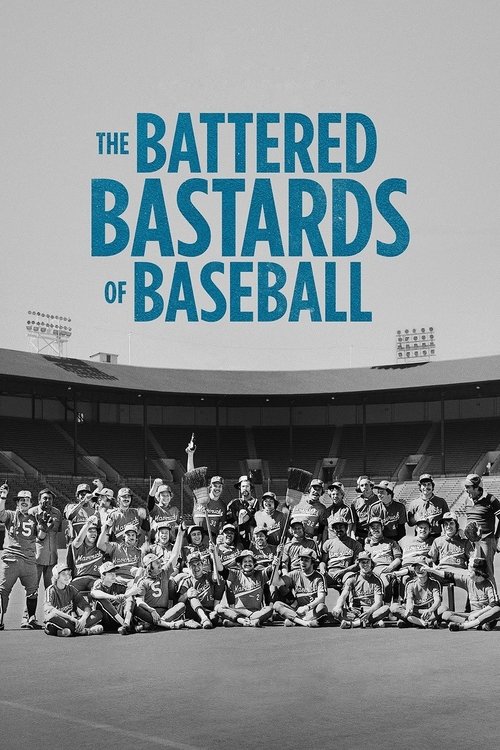
The Battered Bastards of Baseball2014
A true story of a ragtag amateur baseball team defying expectations and winning. The underdog energy and the portrait of people who shouldn't still be competitive but absolutely are will feel familiar.
But It's a sports underdog story, so you know the shape it takes. The film also spends considerable time on logistics and backstory before getting to the games themselves.
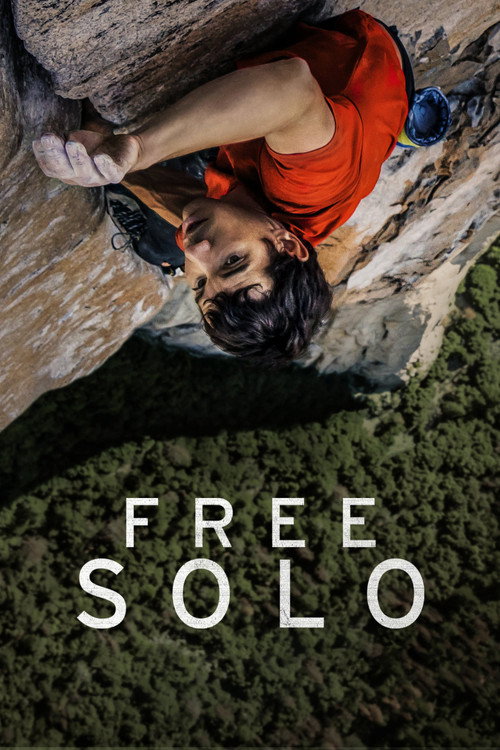
Free Solo2018
A climber prepares to scale El Capitan without ropes. Like Ping Pong, it examines obsession and risk-taking, and asks what compels people to pursue something that scares everyone around them.
But It's genuinely nail-biting and stressful to watch. The stakes feel higher, the fear more acute. Some viewers find that exhausting rather than exhilarating.
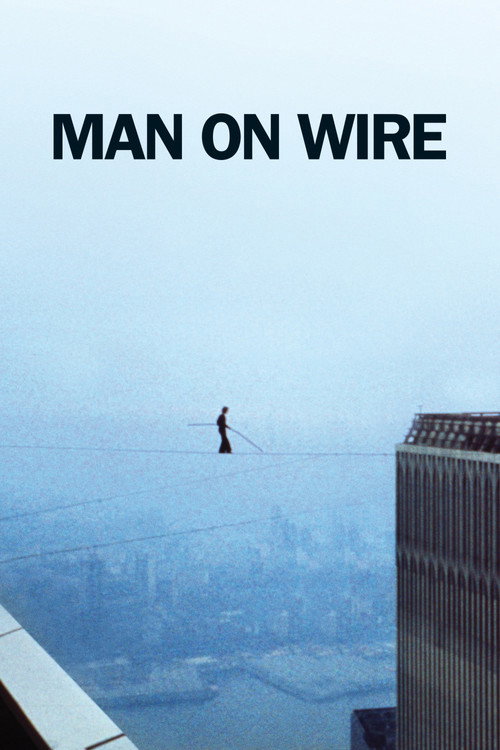
Man on Wire2008
The true story of Philippe Petit's high-wire walk between the Twin Towers. Meticulous, thrilling, and about the drive to achieve something beautiful and impossible, regardless of practicality.
But It's a heist narrative dressed as a documentary, with reconstructions and dramatic flair. If you prefer straightforward observational filmmaking, the style may feel overdone.
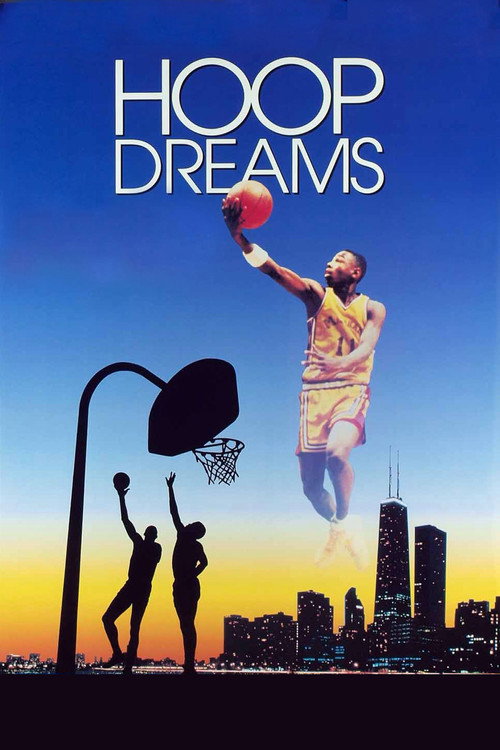
Hoop Dreams1994
A longitudinal documentary following two basketball players from high school through college. It's a deeper look at athletic ambition, class, race, and what sport promises versus what it delivers.
But It's three hours long and demands patience. The payoff is thematic rather than triumphant, which can feel bleak if you're seeking uplift.
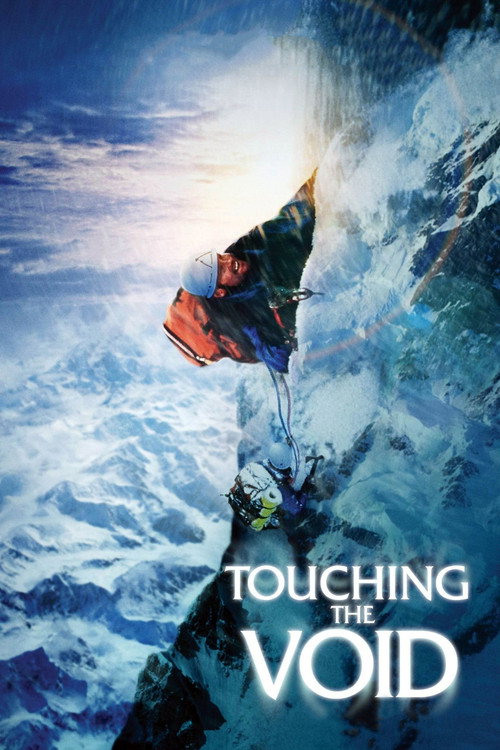
Touching the Void2003
A climber recounts his near-death experience on a mountain and his impossible descent. It captures human determination in extreme circumstances with raw, visceral power.
But It's genuinely harrowing and uncomfortable. The reconstruction footage is intense, and there's no levity to ease the tension. Some find it punishing to watch.
A Prophet2009
Both films quietly reveal how humans organise themselves around competition and mastery, regardless of context.
A brutally focused portrait of a young man's rise to power in prison. It shares Ping Pong's structure—watching someone train, develop skill, and compete under constraints—but transposes it into a world of violence and survival rather than sport.
But It's a grim, violent film set in a brutal environment. There's no warmth or humour. If you loved Ping Pong partly for its humanity and lightness, this will feel like a different planet.

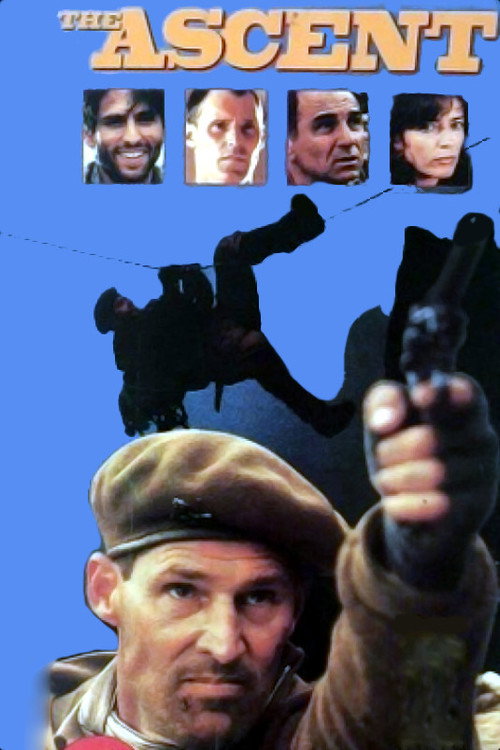
The Ascent1994
Both films argue that aging athletes are not inspirational figures we should pity, but people fully alive and fully themselves.
A documentary about people in their 80s climbing mountains in Nepal. It's shot in stunning silence and focuses on ageing bodies moving through extraordinary landscapes. Quieter and more poetic than Ping Pong, but animated by the same refusal to diminish.
But It's meditative and slow. There's no narrative arc, no tournament, no clear endpoint. It asks you to sit with mood and imagery rather than providing conventional dramatic satisfaction.
People
Directing
- Hugh HartfordDirector