
Television series
Limitless
Other titles called Limitless: the 2011 film.
Limitless is a weekly crime procedural with a science-fiction twist: your protagonist can access 100% of his brain on a mysterious black-market drug. It's *Sherlock* meets *Limitless* meets *The Flash*—energetic, forensic, and genuinely fun. If you like smart crime shows with a speculative edge and don't mind serialized drug addiction lurking beneath the case-of-the-week format, this is built for you.
Should you watch it?
Watch it if you enjoy a procedural with a gimmick, where each week's case is cracked by a character whose brain has been sped up by a drug, and you want the puzzle more than the mythology.
Skip it if you want a slow-burning serial with a single through-line; this is mostly episodic, and its case-of-the-week rhythm can feel formulaic once the novelty of the drug wears off.
What it asks of you: Twenty-two hour-long episodes in one season, so the commitment is modest and bounded; attention stays on each week's puzzle rather than dense serial detail.
Not sure? Find tonight's pick in a minute.
If you liked this
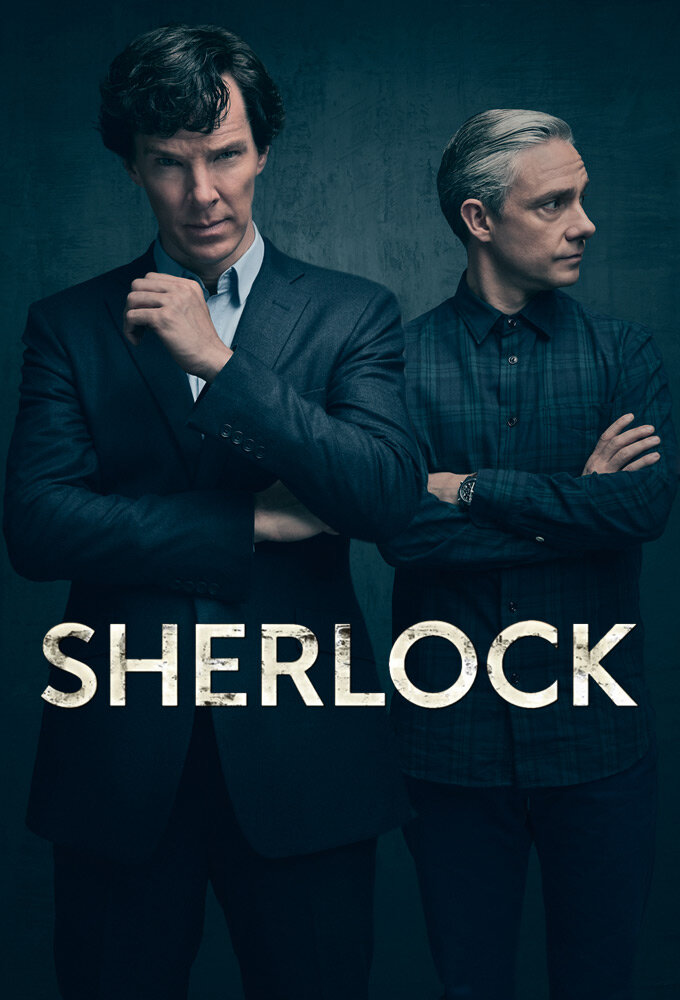
Sherlock2010
Dazzling deduction, rapid-fire editing, and a protagonist whose superpower is pure intellect. The visual language and cocky genius overlap perfectly with Brian's NZT-enhanced perception.
But The show's later seasons lose steam badly, and Sherlock himself becomes insufferable. Also British, slower pacing—very different from Limitless's rush.
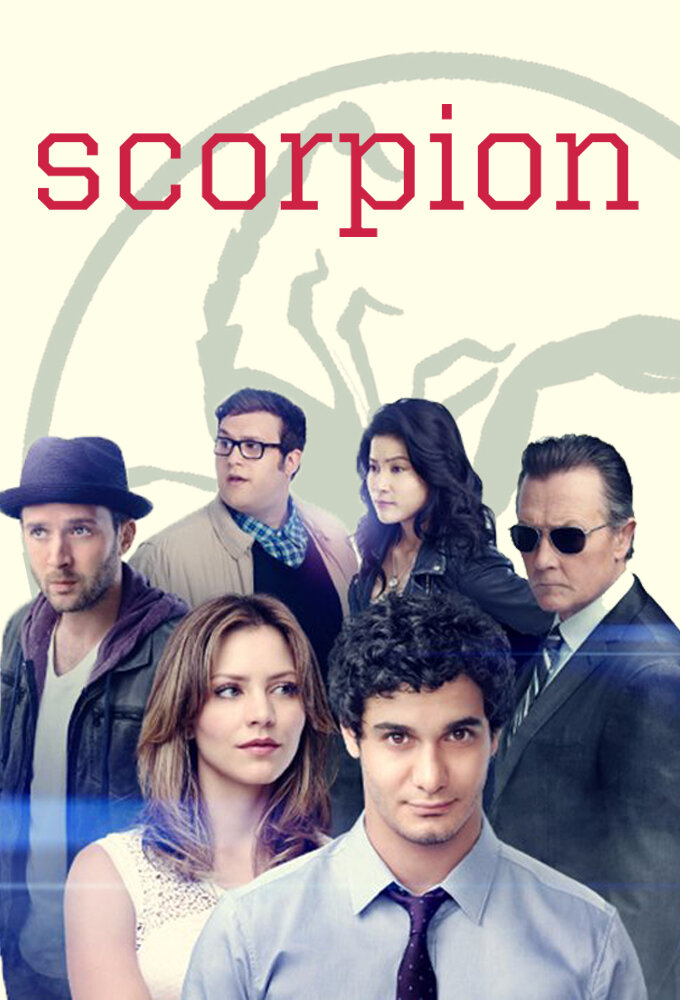
Scorpion2014
Team of geniuses solve crimes for Homeland Security every week. Same DNA: high-IQ problem-solving, ensemble chemistry, serial plot threads, and an almost cartoonish energy that celebrates being smart.
But It's considerably goofier and more earnest. Scorpion plays its implausible leaps straight; Limitless winks. Tonally it's lighter.
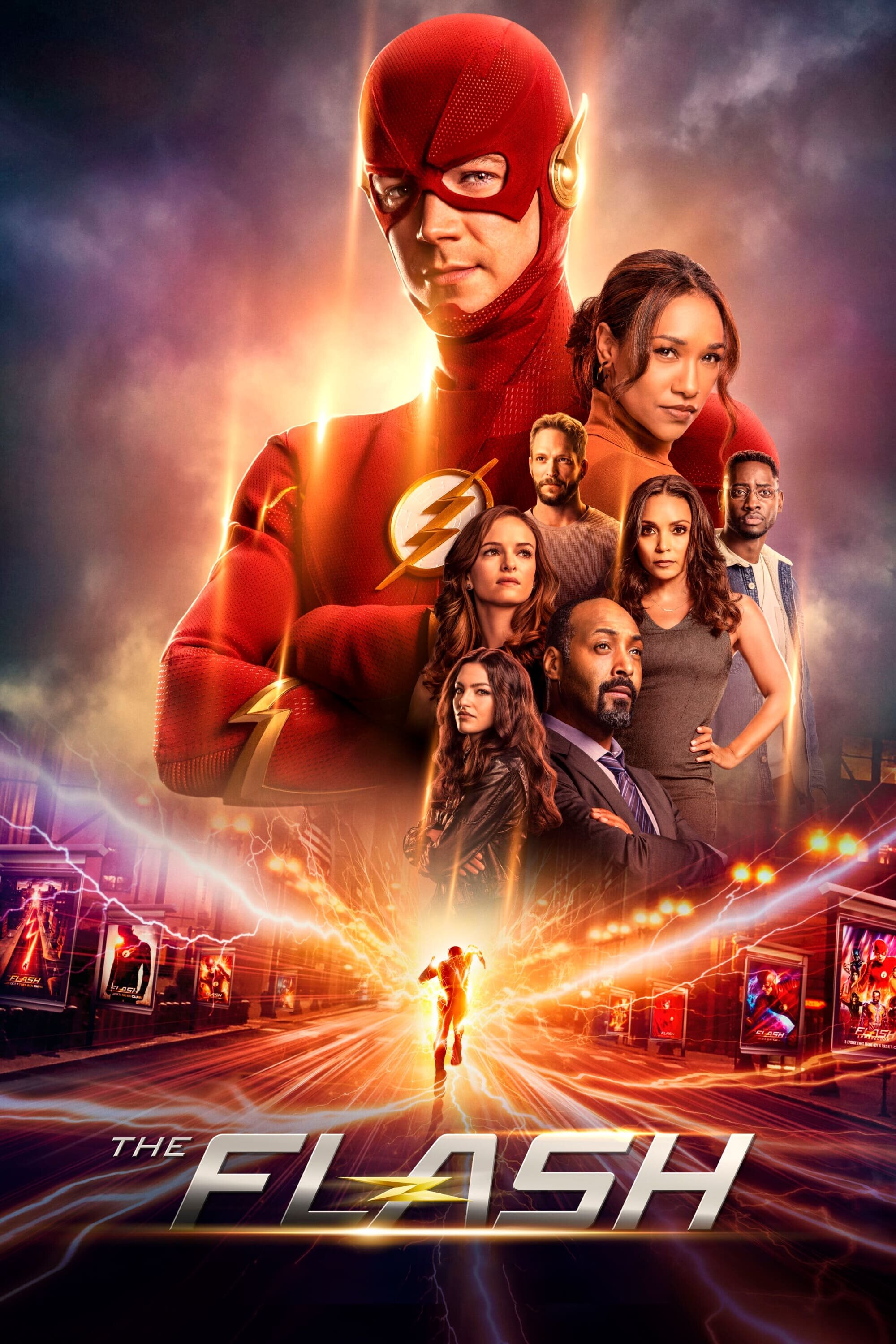
The Flash2014
A hero with a superhuman ability works a procedural case each week while his real story deepens. The visual language—showing superhuman perception—and the joy of having powers mirror Brian's NZT experience directly.
But It's locked into the DC superhero universe. If you don't care about crossovers and serialized TV mythology, The Flash will feel bloated and obligatory.
Not sure tonight? Get a pick in a minute, starting from Limitless
The wildcard
Something you would not have found on your own.
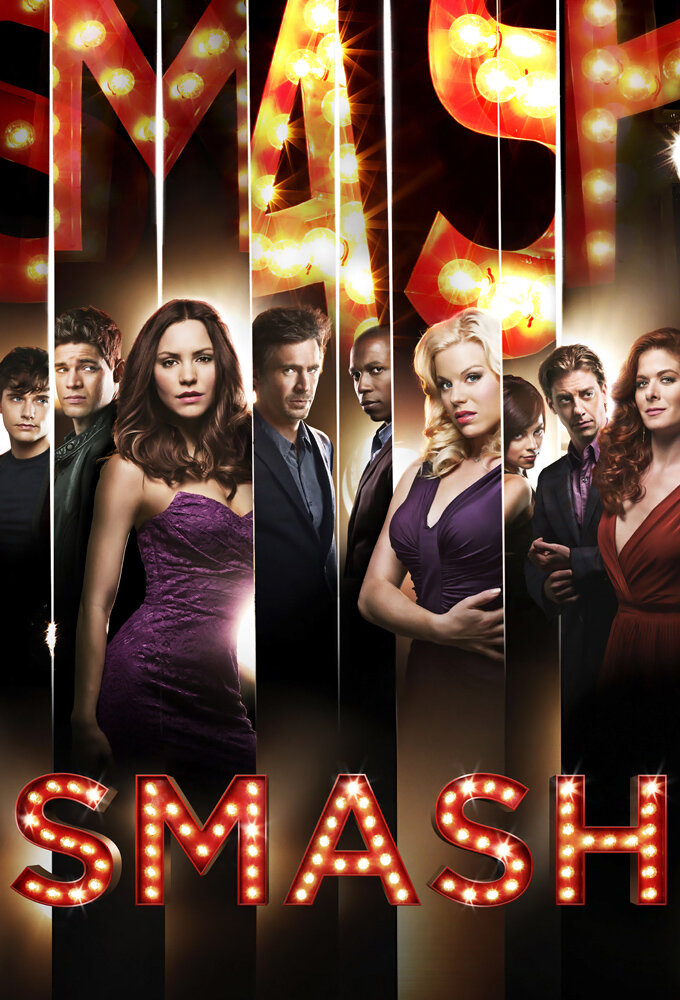
Smash2012
Both use frenetic editing and visual excess to convey the subjective experience of creative or cognitive overdrive. Both are about people operating at their ceiling and the toll it takes.
A serialized drama about artists under pressure creating something brilliant, shot with the same hyperkinetic visual style and energetic editing as Limitless. The rush of ambition and the cost of performance are identical.
But It's about Broadway theater, not crime-solving. If you're watching for procedural plot, you'll be disappointed. Also got canceled, so no real ending.
More like this (8)
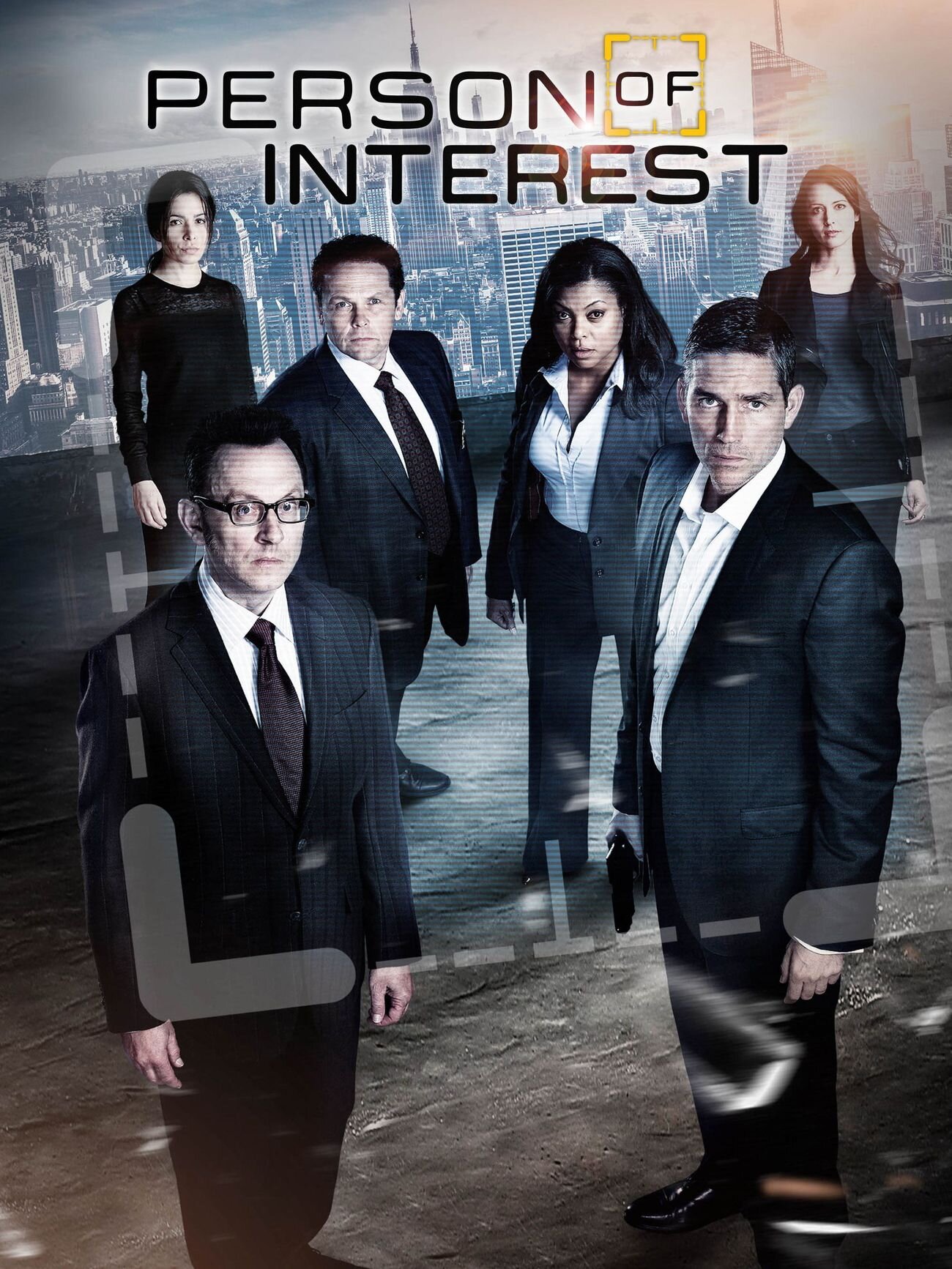
Person of Interest2011
AI-powered surveillance, crime-solving, and a team dynamic that builds brilliantly over five seasons. Smart, layered plotting and a protagonist using technological advantage to see what others can't.
But Starts as a procedural but becomes increasingly serialized and convoluted. Later seasons demand real commitment and patience.
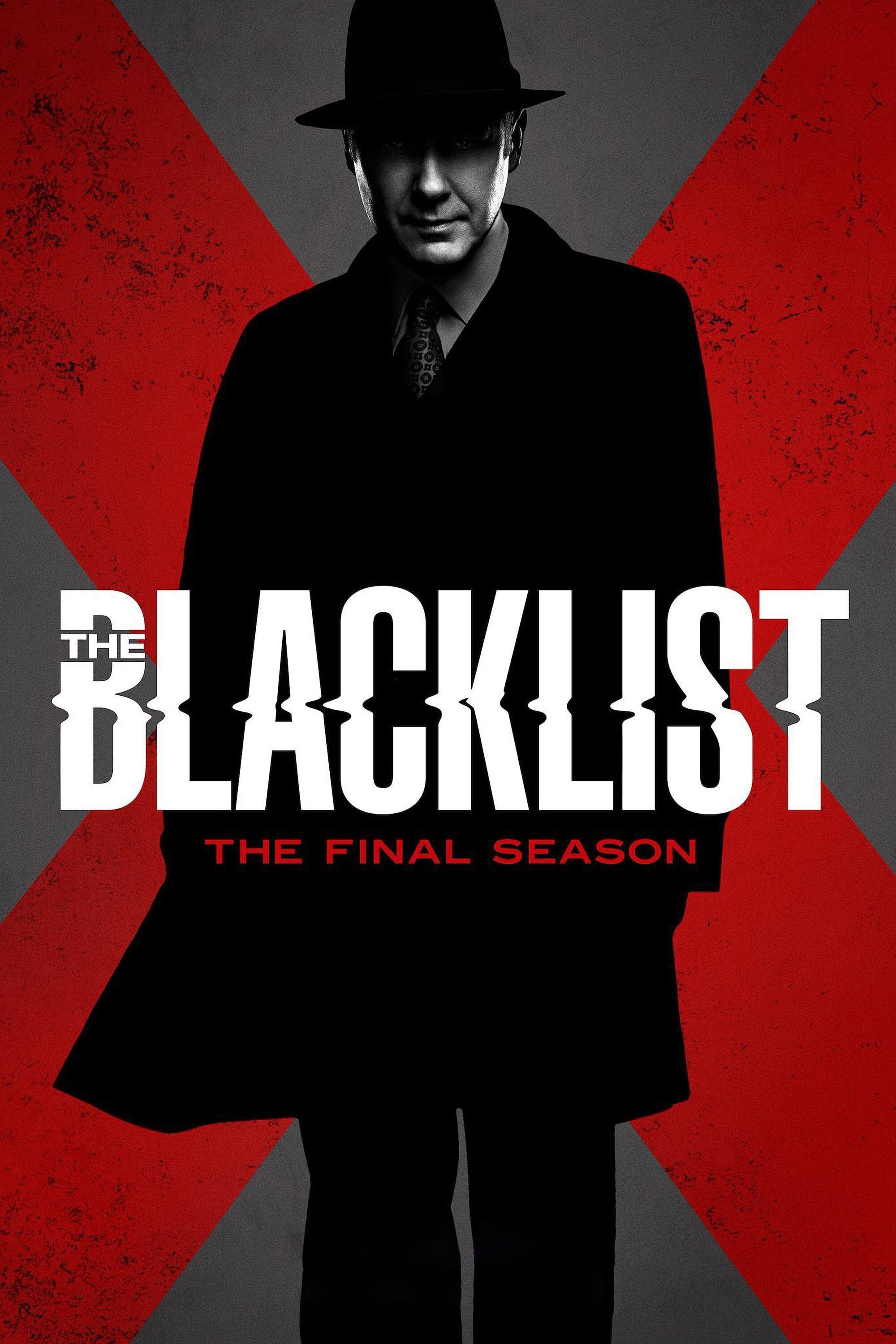
The Blacklist2013
Charismatic mastermind and FBI team hunt serial criminals. Similar procedural framework, same appeal of watching brilliant people outthink problems, case-by-case momentum.
But It runs in circles conceptually. The show relies on James Spader's charm, and the mystery of who he is wears thin after three seasons.
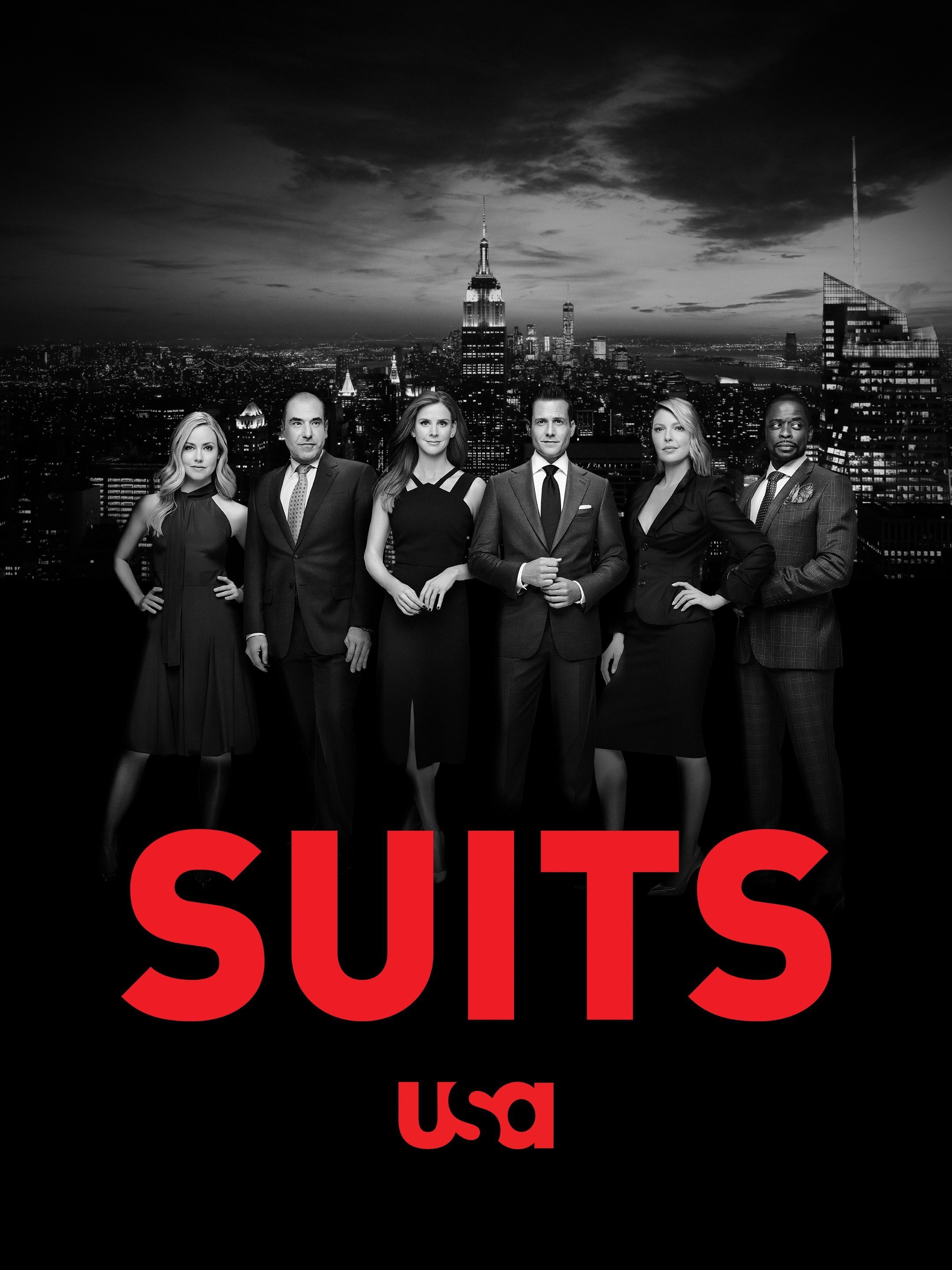
Suits2011
Genius lawyer uses his mind to solve legal problems under pressure. Fast dialogue, high stakes, clever protagonists. The confidence and cockiness of the leads have real overlap with Brian.
But It's fundamentally about lawyers, not crime. Also gets soapy and relationship-focused as it goes on, losing the procedural edge.
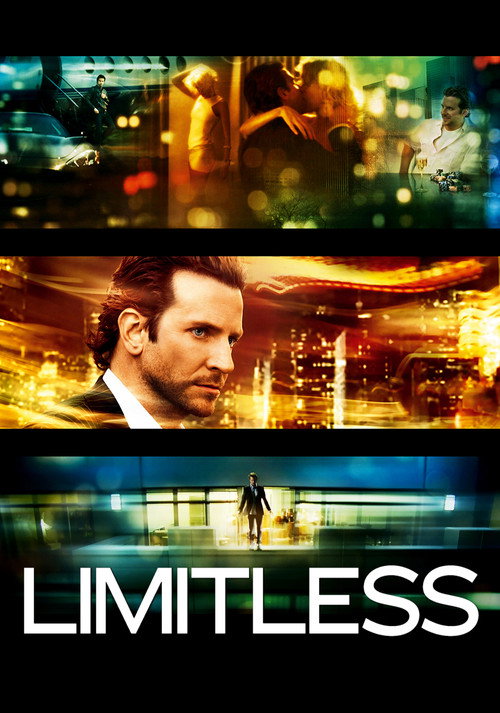
Limitless2011
The film that started it all. Bradley Cooper's descent into NZT dependency, the paranoia, the high stakes. Compressed narrative but viscerally exciting; watch it to understand what the show's playing with.
But It's a contained thriller, not an episodic story. You'll outrun it in two hours, and then the show's weekly format will feel like stretching one idea too thin.
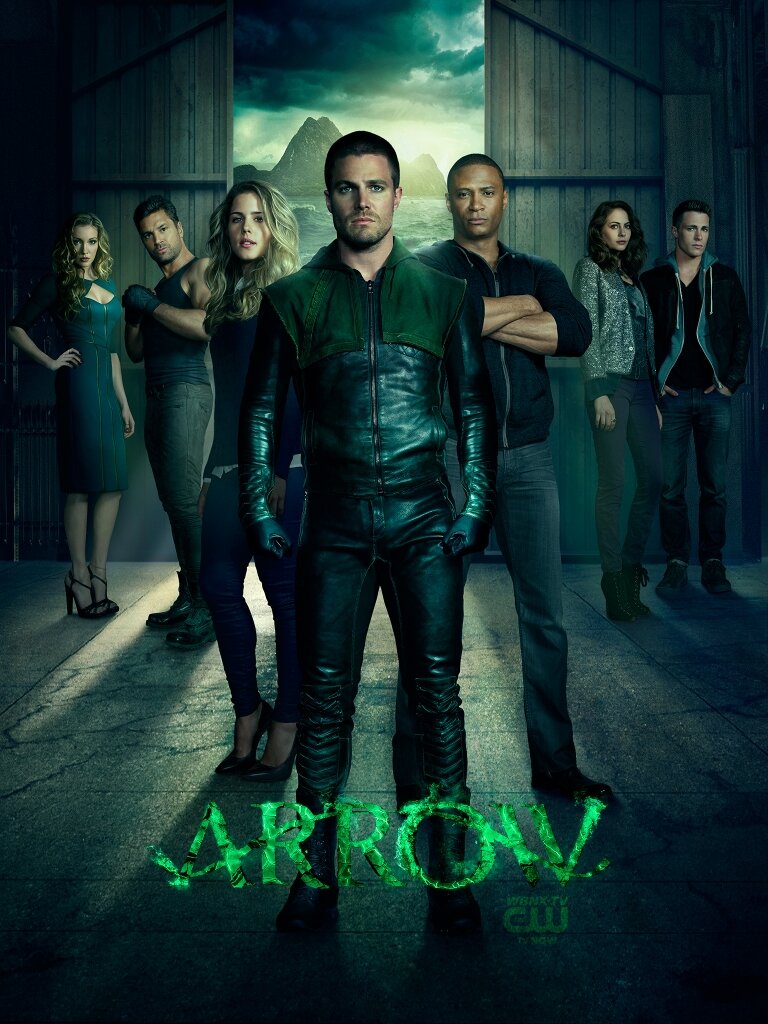
Arrow2012
Billionaire vigilante and team solve crimes using tech and skill. Procedural mystery-of-the-week structure with serialized character arcs; similar appeal of watching smart people execute plans.
But Arrow starts weak and leans hard into superhero soap opera. The first season is rough, and you'll need patience before it clicks.
The Mentalist2008
Con-man-turned-detective solves crimes using psychological manipulation and observation. Same procedural rhythm, same pleasure in watching someone use their mind as a weapon.
But It's significantly more old-fashioned. The tone is warmer, more traditional detective show, and the cases lack the intellectual showiness Limitless thrives on.

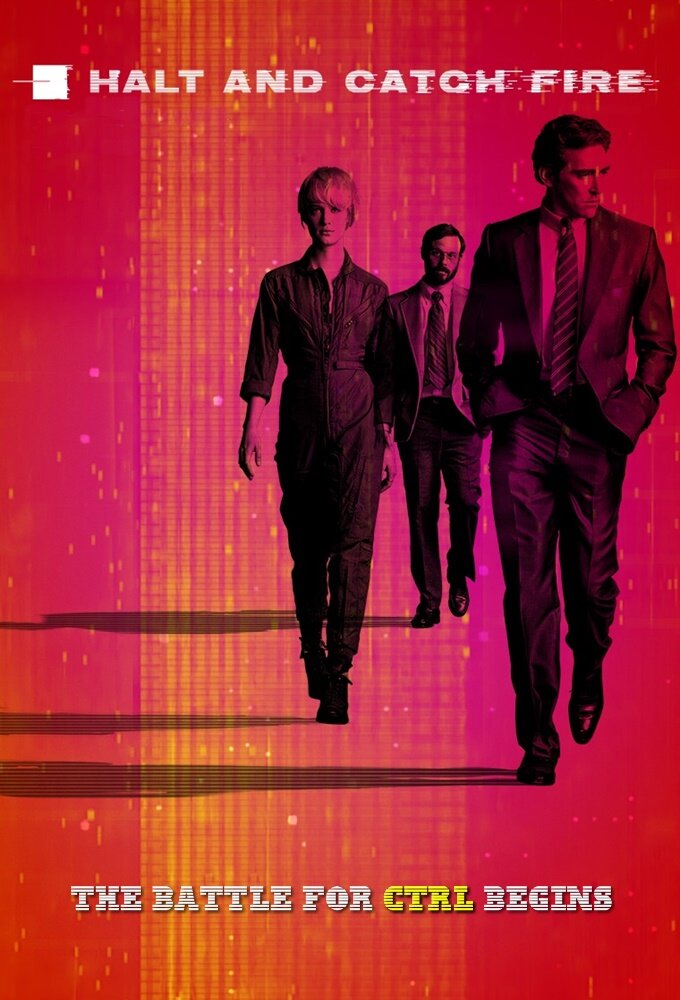
Halt and Catch Fire2014
Both explore what happens to relationships and identity when someone relies on an external thing—drug, mission, obsession—to feel alive. Both treat intelligence and ambition as beautiful and dangerous.
Four brilliant people drive forward a dangerous, obsessive mission, their talents complementing each other, their ego and addiction threading through everything. Seriously gripping and beautifully shot, with real stakes.
But It's a slow-burn character study about computer history. There's no procedural structure, no weekly puzzle. If you're watching Limitless for the case-solving, this will feel like a left turn into prestige television.
Requiem for a Dream2000
Limitless hides the tragedy of Brian's NZT addiction behind charm and competence. Requiem for a Dream shows the other half of that story—what addiction looks like from inside, without the jokes. Same visuals, opposite emotional truth.
Darren Aronofsky's masterpiece about four people and their addictions. Stylistically it echoes Limitless's visual language—rapid cuts, perspective shifts, overwhelming energy—but to show the weight and horror of dependency.
But It's profoundly, relentlessly dark. There's no humor, no lighter moments, no 'case solved.' It will leave you wrecked. Not entertainment; it's an experience.

People
Cast




Production
- Andrew MarcusCo-Executive Producer
- Leslie DixonCo-Executive Producer
- Ray RicordCo-Executive Producer
- Scott KroopfCo-Executive Producer
- Lori Keith DouglasCo-Producer
- Alex KurtzmanExecutive Producer
- Bradley CooperExecutive Producer
- Craig SweenyExecutive Producer
- Heather KadinExecutive Producer
- Marc WebbExecutive Producer
- Roberto OrciExecutive Producer
- Ryan KavanaughExecutive Producer
- Todd PhillipsExecutive Producer
- Tom FormanExecutive Producer
- Tucker TooleyExecutive Producer
- Aaron BaiersProducer
- Geoffrey HemwallProducer
- Jane RaabProducer