
Film
Stepmom
Stepmom follows two women navigating an uncomfortable family dynamic—Jackie, a divorced mother, and Isabel, her ex-husband's girlfriend—who must confront their rivalry when Jackie receives a terminal diagnosis. It's a weepy melodrama that earns its tears through genuine character work, asking what it means to love people who aren't yours. For anyone who's felt like an outsider in a blended family, or anyone brave enough to cry at the movies.
Should you watch it?
Watch it if you enjoy a tug-of-war between two strong-willed women who clash sharply before softening, and you don't mind your tear ducts being worked over for two hours.
Skip it if you find sentimental family films exhausting, since this one leans hard on its emotional beats and runs just over two hours with little interest in subtlety.
What it asks of you: Settle in for just over two hours of chatty scenes that swing between bickering, bruised sentiment and broad jokes, with the feelings laid on thick.
Not sure? Find tonight's pick in a minute.
If you liked this
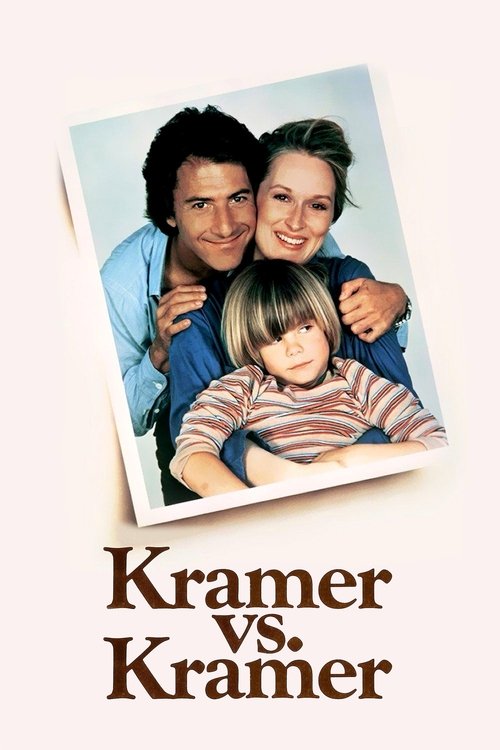
Kramer vs. Kramer1979
The original modern custody drama, with Dustin Hoffman and Meryl Streep creating a portrait of divorce that's devastating and adult. It goes deeper into the logistics and emotional wreckage than Stepmom dares.
But The pacing is deliberate to the point of slowness, and the film's formal distance can feel cold even as the story breaks your heart.
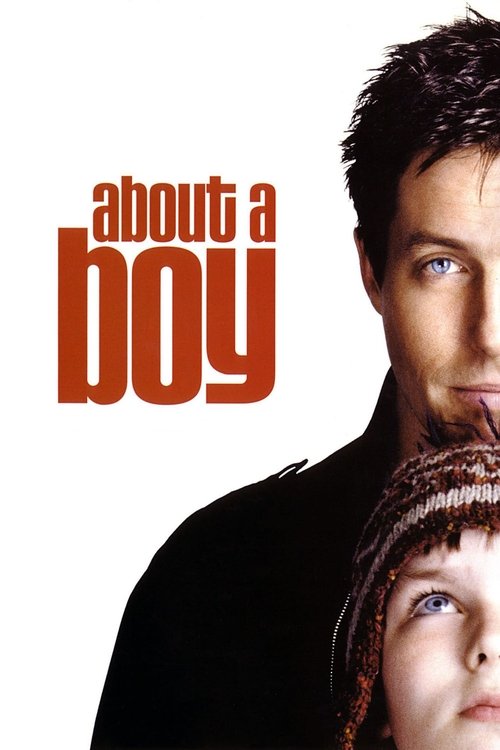
About a Boy2002
A witty, warm film about a man forced into genuine connection through his relationship with a boy. Like Stepmom, it's fundamentally about how we become family when we didn't choose each other, but it's lighter-handed and funnier.
But The early-2000s indie sensibility hasn't aged perfectly, and the soundtrack is relentlessly chipper in a way that can grate.
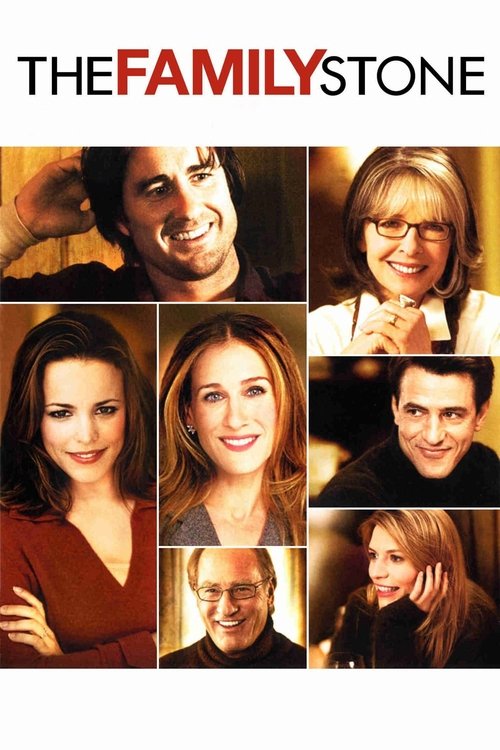
The Family Stone2005
Another holiday gathering where an outsider woman (Sarah Jessica Parker) must navigate a tight-knit family. It has the same ensemble warmth and the same willingness to let messy emotions breathe alongside the comedy.
But It's aggressively sentimental, and some plot turns feel manipulated rather than earned. The tone can whipsaw unpredictably.
Not sure tonight? Get a pick in a minute, starting from Stepmom
The wildcard
Something you would not have found on your own.
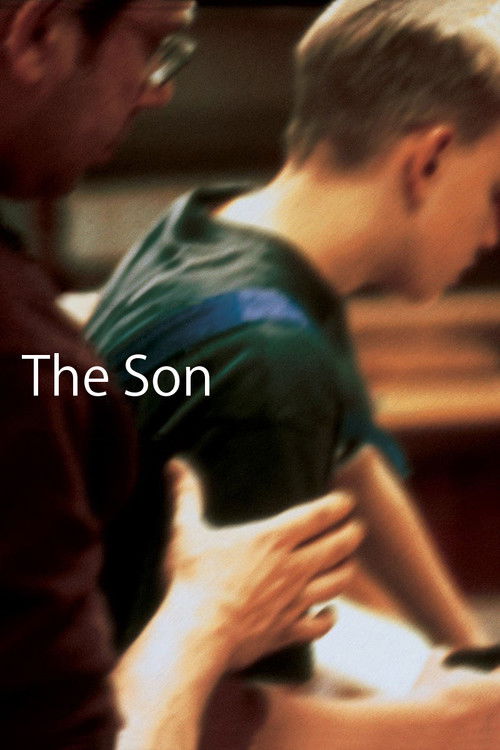
The Son2002
Both films wrestle with whether love can exist where it has no reason to, and whether accepting someone means forgiving what they've done or what they represent.
A Belgian film in which a man secretly befriends the teenage murderer of his son. Like Stepmom, it's about whether forgiveness and acceptance are possible when grief and resentment have poisoned a family. Utterly devastating and utterly unsentimental.
But It's bleak and slow, with long sequences of two men sitting in silence. There is no catharsis, only the possibility of something like peace. American audiences often find it punishing.
More like this (8)
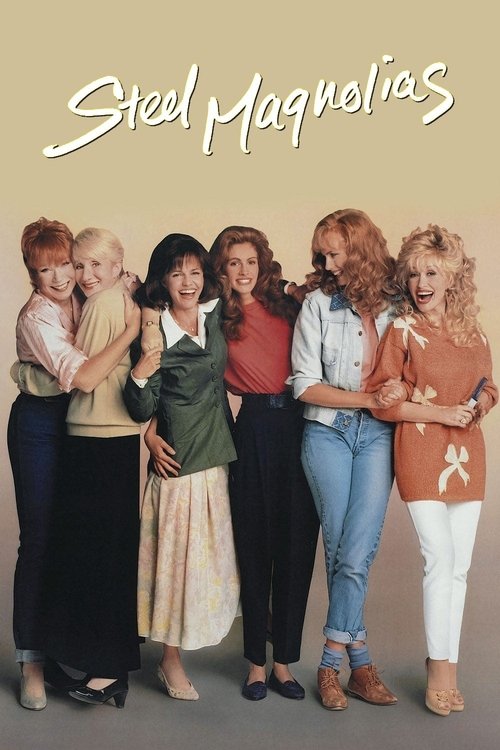
Steel Magnolias1989
An ensemble of women talking, laughing, and then facing down mortality. It's essentially the DNA of Stepmom—heightened emotion, Southern charm, beautiful actresses at a funeral, and a willingness to earn every tear through character detail.
But The sweetness can feel suffocating if you're not in the mood for it. It doesn't interrogate its own sentimentality the way some viewers want.
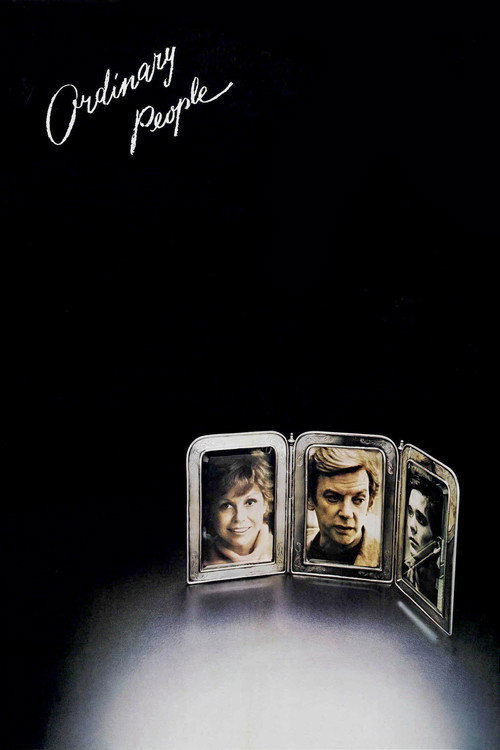
Ordinary People1980
A quieter dissection of a family fractured by loss and regret. Timothy Hutton and Mary Tyler Moore are superb, and the film understands that healing isn't neat. It's what Stepmom aspires to be psychologically.
But It's genuinely bleak. There's no fairy-tale ending here, and it can feel punishing rather than cathartic.
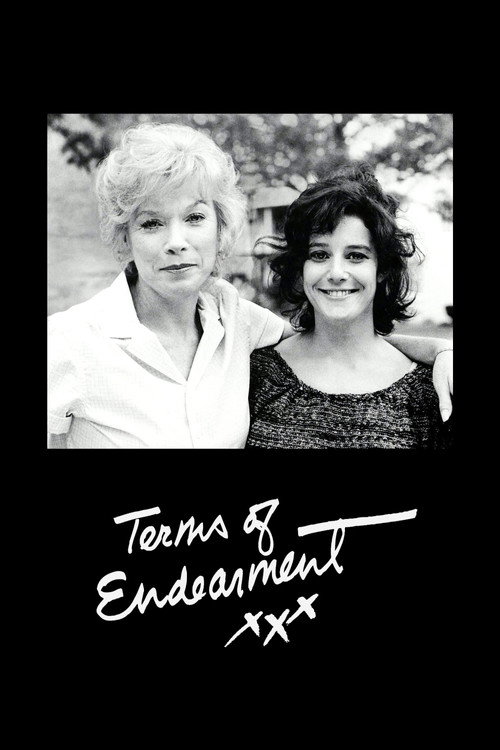
Terms of Endearment1983
Another film about women bonding across difficult circumstances, with Shirley MacLaine and Debra Winger in a relationship that's combative and loving by turns. It's funny, sexy, and then heartbreaking with no warning.
But The tonal shifts are severe. The romance subplot feels dated, and Jack Black's subplot can distract from what matters.
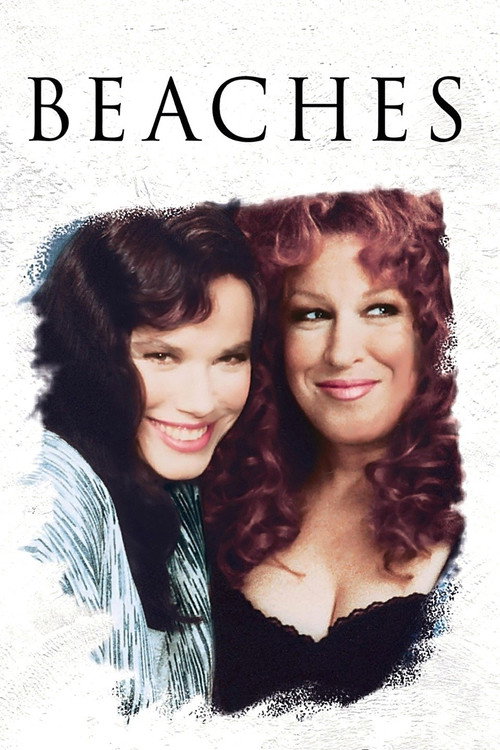
Beaches1988
A melodrama in the best sense: two women, decades-long friendship, grief, and a willingness to let emotion dictate the rhythm. Bette Midler and Barbara Hershey are committed to making you feel everything.
But It's unashamed about being a tearjerker, which means if you're not buying it, you'll find it manipulative and overwrought.
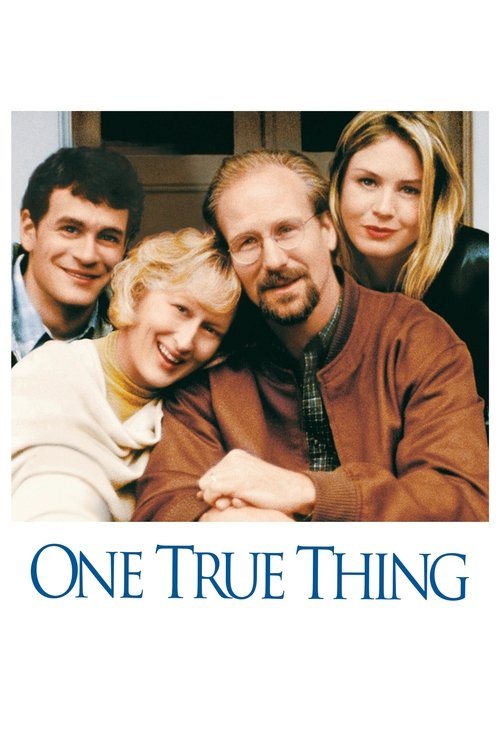
One True Thing1998
William Klein's film about a daughter caring for her mother dying of cancer, with Meryl Streep and Renée Zellweger. It's the same year as Stepmom and covers similar ground with more psychological complexity and less sentimentality.
But The family is genuinely unpleasant in ways that don't get resolved. It's a downer, and some viewers will find it hopeless rather than honest.
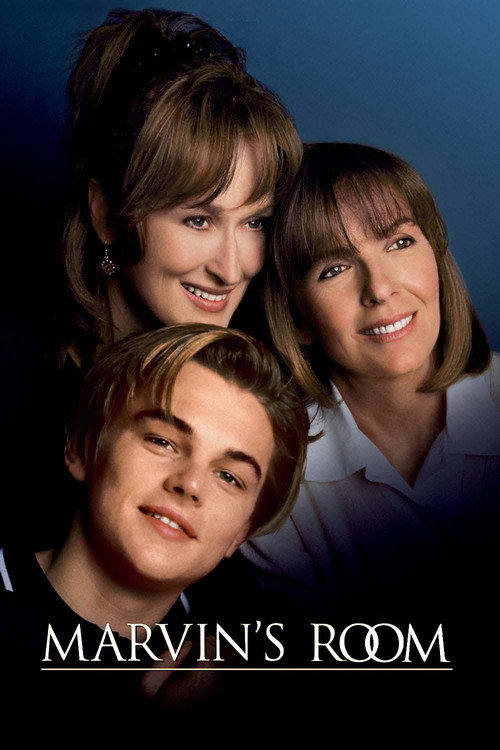
Marvin's Room1996
Meryl Streep again, this time alongside Leonardo DiCaprio and Robert De Niro, in a multigenerational family drama centered on illness and obligation. It's got grace, humor, and a real sense that love doesn't solve everything.
But The film is somewhat scattered narratively, and the Leo subplot feels like it belongs to a different movie. It never quite coheres, even though individual scenes sing.
Cléo from 5 to 71962
Both films take illness as their center but diverge completely in register: one asks how a terminal diagnosis changes relationships, the other asks how it changes your relationship to a single day.
A French New Wave film about a woman facing possible cancer, shot in real time across an hour and a half. It's meditative, funny, and alive to the weird grace of an ordinary day when it might be your last. The opposite of Hollywood melodrama but asking the same question: how do you live when you know you're dying?
But Nothing happens. There's no plot, no cathartic release, just a woman moving through Paris with her anxieties. If you need narrative momentum or emotional payoff, you'll be frustrated.

Boyhood2014
Both are about how families are made and remade over time, but Boyhood trusts time and texture in a way Stepmom doesn't—it lets the audience feel the years passing rather than spelling everything out.
Richard Linklater's 12-year project following a boy and his divorced parents, shot over a decade with the same actors aging in real time. It captures the long accumulation of blended-family life—the resentment, the love, the small moments that matter more than the big ones.
But It's nearly three hours of conversations and car rides with no dramatic peak. For some viewers, the refusal to shape events into a traditional arc feels like nothing is happening. The film is also almost aggressively unresolved about emotional payoff.

People
Cast
 Julia RobertsIsabel Kelly
 Susan SarandonJackie Harrison
 Ed HarrisLuke Harrison
 Jena MaloneAnna Harrison
 Liam AikenBen Harrison
 Lynn WhitfieldDr. P. Sweikert
 Darrell LarsonDuncan Samuels
 Mary Louise WilsonMrs. Franklin
 Andre B. BlakeCooper
 Herbert RussellPhoto Assistant
- Jack EagleCraft Service Man
- Lu SierraPhoto Shoot Model
Directing
- Chris ColumbusDirector
- Eva Z. CabreraScript Supervisor
Writing
- Gigi LevangieScreenplay
- Jessie NelsonScreenplay
- Karen Leigh HopkinsScreenplay
- Ronald BassScreenplay
- Steven RogersScreenplay
- Gigi LevangieStory
Production
- Paula DuPré PesmenAssociate Producer
- Ellen LewisCasting
- Julia RobertsExecutive Producer
- Margaret French-IsaacExecutive Producer
- Patrick McCormickExecutive Producer
- Pliny PorterExecutive Producer
- Ronald BassExecutive Producer
- Susan SarandonExecutive Producer
- Chris ColumbusProducer
- Mark RadcliffeProducer
- Michael BarnathanProducer
- Wendy FinermanProducer
Recommended by
Parenthood, Once and Again, Beaches, You're Not You, The Guilt Trip, Father of the Bride Part II, Yours, Mine & Ours, Murphy's Romance, A Little Bit of Heaven, Mermaids, The Banger Sisters, Nothing in Common, Raising Helen, Anywhere but Here