
Film
Lea
Other titles called Lea: the 2015 film.
Léa is a stripped-down character study about a working-class French student juggling college, her grandmother's care, and survival. She takes a job stripping to fund her degree, creating a stark irony between her daytime study of economic theory and her nighttime reality. It's observational, unglamorous, and genuinely interested in the cost of ambition. For viewers who want cinema that looks directly at lives without flinching.
If you liked this
La Haine1995
Mathieu Kassovitz's furious portrait of three young men in a Paris housing project—observant, energetic, formally inventive. Shows how class and circumstance collide in France with the same unflinching eye Léa uses.
But Shot in black and white and genuinely angry. If you want comfort or distance from the subject, it refuses to give either.

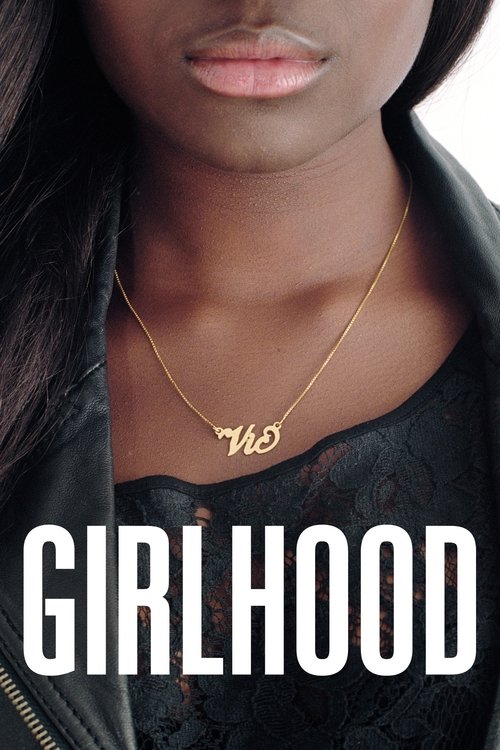
Girlhood2014
Céline Sciamma follows a Black teenage girl navigating school, identity, and survival in the Parisian banlieue. Intimate, humorous, and quietly devastating. Shares Léa's interest in the specific economics of being young and female.
But Slow pacing and minimal plot. Long sequences of girls being together without much happening can feel like nothing is occurring if you're watching for story.
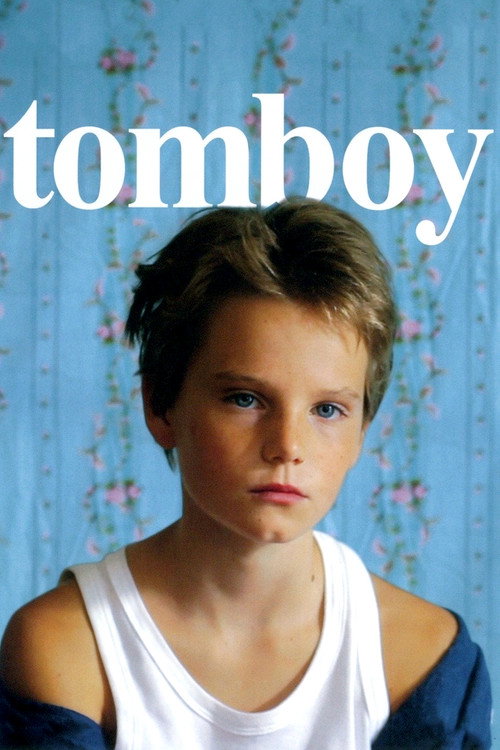
Tomboy2011
Sciamma again—a ten-year-old navigating gender and belonging in a new town. Tender, funny, and formally precise. Made the same year as Léa, it shares that French moment of looking at identity as something lived, not announced.
But The central conflict is quiet and interpersonal. If you want dramatic confrontation or resolution, the film resists providing it.
Not sure tonight? Get a pick in a minute, starting from Lea
The wildcard
Something you would not have found on your own.
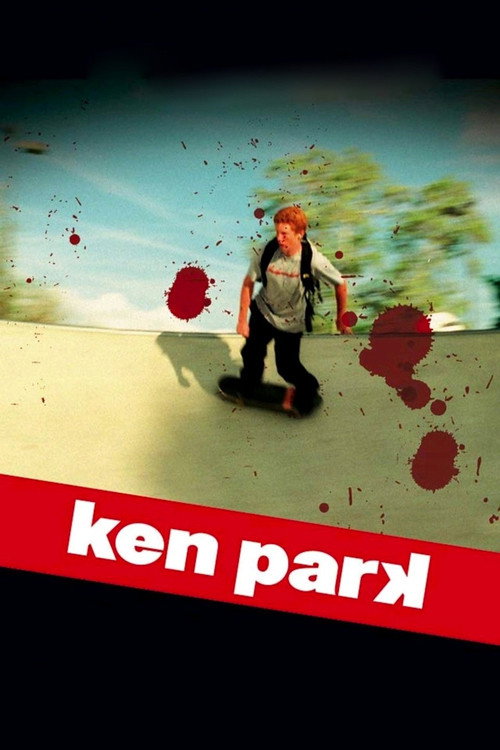
Ken Park2003
Both use the camera to observe young people making necessary compromises. Both refuse to sentimentalize survival.
Harmony Korine's controversial portrait of American teenagers—boredom, sex, violence, numbness. Shot with documentary precision but arranged like a fever dream. Same structural DNA as Léa: the specific economics of young bodies, the gap between what society asks and what it pays.
But Graphic sexual content involving minors. It's been banned in multiple countries. Genuinely difficult to watch, and that difficulty is not accidental.
More like this (8)
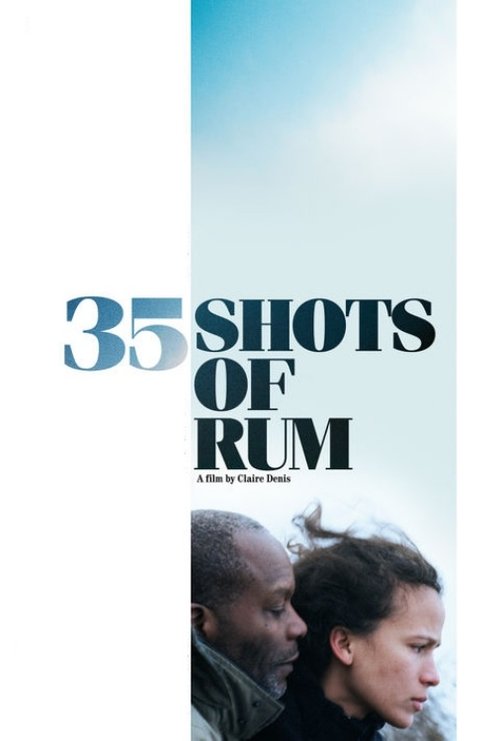
35 Shots of Rum2009
Claire Denis's portrait of a retired train driver and his daughter in Paris. Minimal plot, maximum texture—how two people live together, the small rituals, the unspoken weight between them. Shares Léa's attention to daily survival.
But Almost nothing happens. The film is about mood and presence rather than incident. Patience is not optional.
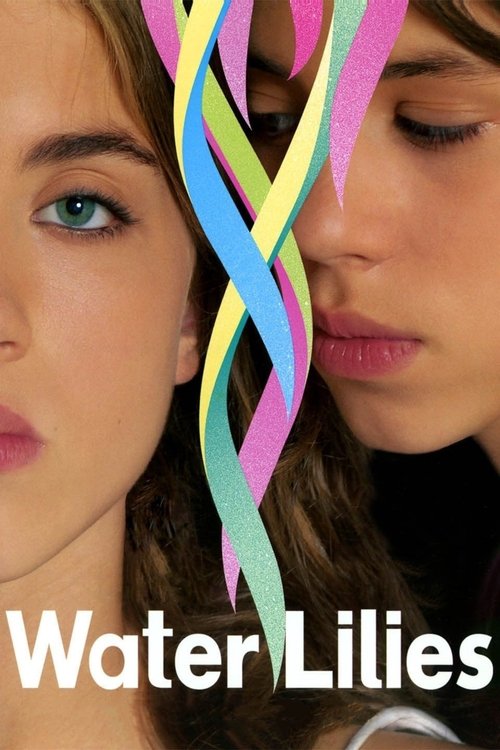
Water Lilies2007
Sciamma's debut—three teenage girls, a swimming pool, desire and friendship colliding. Shot in natural light, formally daring, emotionally precise. Early proof of her gift for seeing young women's inner lives.
But Very slow and visually abstract at times. The eroticism is teenage and oblique, not explicit—which some find frustrating.
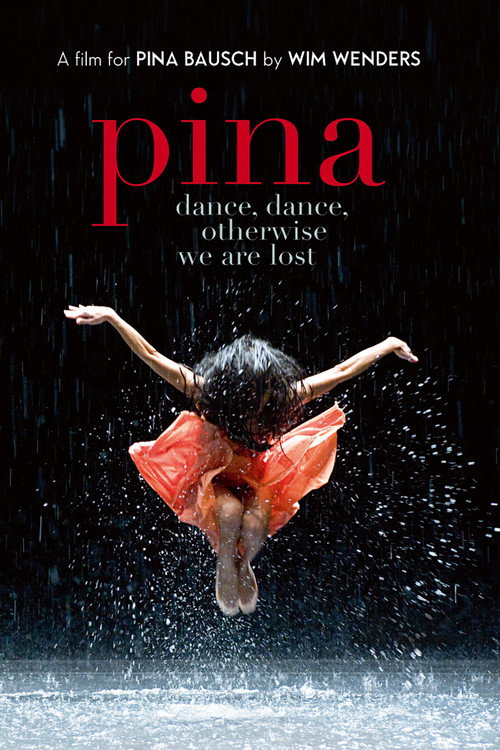
Pina2011
Wim Wenders's 3D documentary about Pina Bausch and her dancers. A pure aesthetic experience—movement, color, bodies in space. A completely different film from Léa but made the same year, equally committed to showing bodies at work.
But It's a dance film, not a narrative. If you're not moved by bodies in motion, you're left watching bodies in motion.
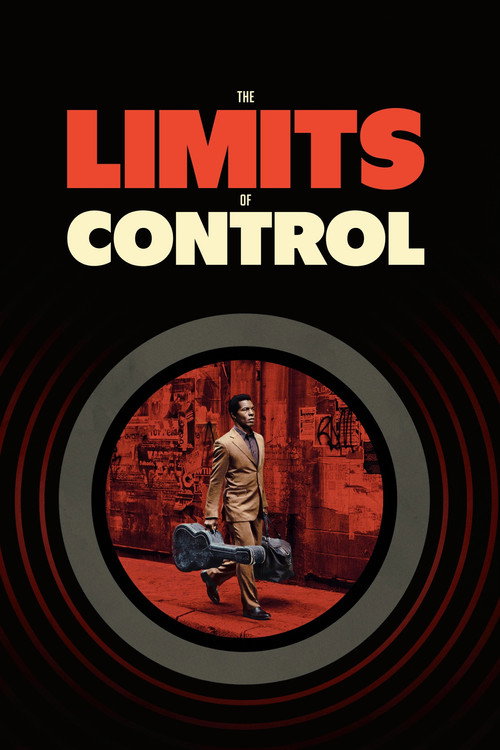
The Limits of Control2009
Jim Jarmusch's elliptical study of a man following instructions through Spain. Deliberately opaque, visually precise, interested in ritual and routine. Shares Léa's patience with non-narrative cinema about bodies moving through space.
But It's a puzzle that never solves itself. Some viewers find it pretentious; others find it liberating.
A Prophet2009
Jacques Audiard's study of a young man surviving prison through will and intelligence. French cinema at its most gripping—character-driven, formally controlled, interested in survival as a skill. Shows how someone can remake themselves under pressure.
But Prison violence is depicted seriously and without reprieve. The moral texture is complex, not reassuring.

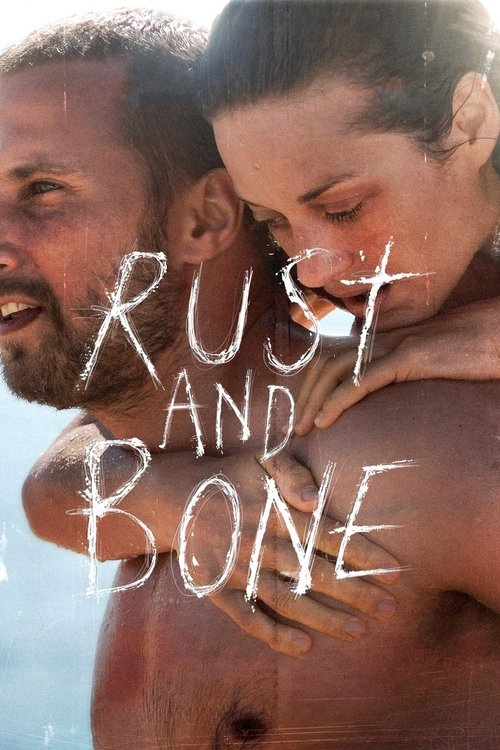
Rust and Bone2012
Also Audiard—a former soldier and a whale trainer in southern France, after an accident. Beautiful, sometimes brutal, interested in how people hold each other up. Made just after Léa, shares that year's French fascination with bodies bearing weight.
But Tonal shifts can feel abrupt. The ending is ambiguous in ways some find unsatisfying.
Ikiru1952
Both center on a protagonist working at the edge of despair, discovering that labor itself—the daily repetition—can be a form of meaning-making or self-preservation.
Kurosawa's film about a dying bureaucrat discovering meaning in small acts. Black and white, formal, patient. Completely different era and context from Léa, but the same central question: what work means, what it costs, whether it saves you or destroys you.
But Japanese cinema from 1952; the pacing and emotional register will feel foreign if you're not used to that era. Nearly two hours of a man confronting mortality.

Jeanne Dielman, 23, quai du Commerce, 1080 Bruxelles1976
Both films are fundamentally about the invisible labor women perform—emotional, physical, sexual—and what it costs. Both refuse to dramatize it; they simply show it.
Chantal Akerman's three-hour film of a woman doing housework and sex work across three days. Rigorous, formal, hypnotic. Completely different period and approach from Léa, but the foundational work on how cinema can make visible the labor that capitalism asks women to do.
But Three hours of quotidian detail. Watching someone cook and clean and have client appointments unfolds in real time. This is the opposite of entertainment.

People
Cast
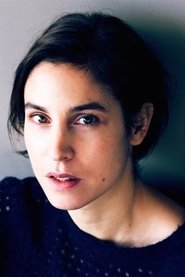 Anne AzoulayLéa Arnauld
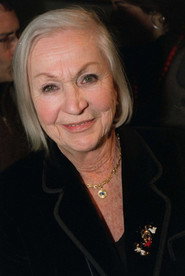 Ginette Garcinthe grandmother
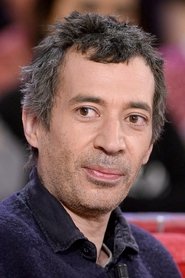 Éric ElmosninoJulien
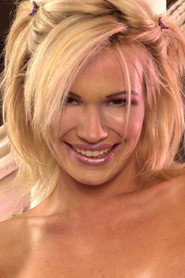 Nina RobertsChristie
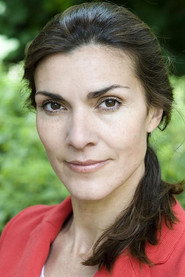 Magali MuxartCorinne
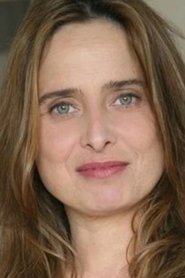 Carole FranckPhilippine, la patronne du strip-club
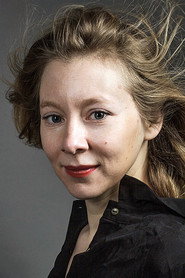 Géraldine MartineauAlice
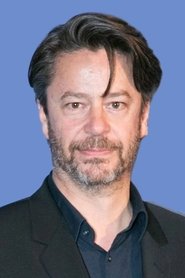 Thibault de MontalembertMartin Itzinger
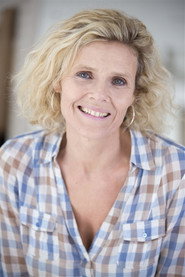 Nathalie MannLa directrice de la maison de retraite
Directing
- Bruno RollandDirector
Writing
- Anne AzoulayWriter
- Bruno RollandWriter
- Jihane ChouaibWriter
Production
- Nathalie TraffordProducer